Matthew Brooks
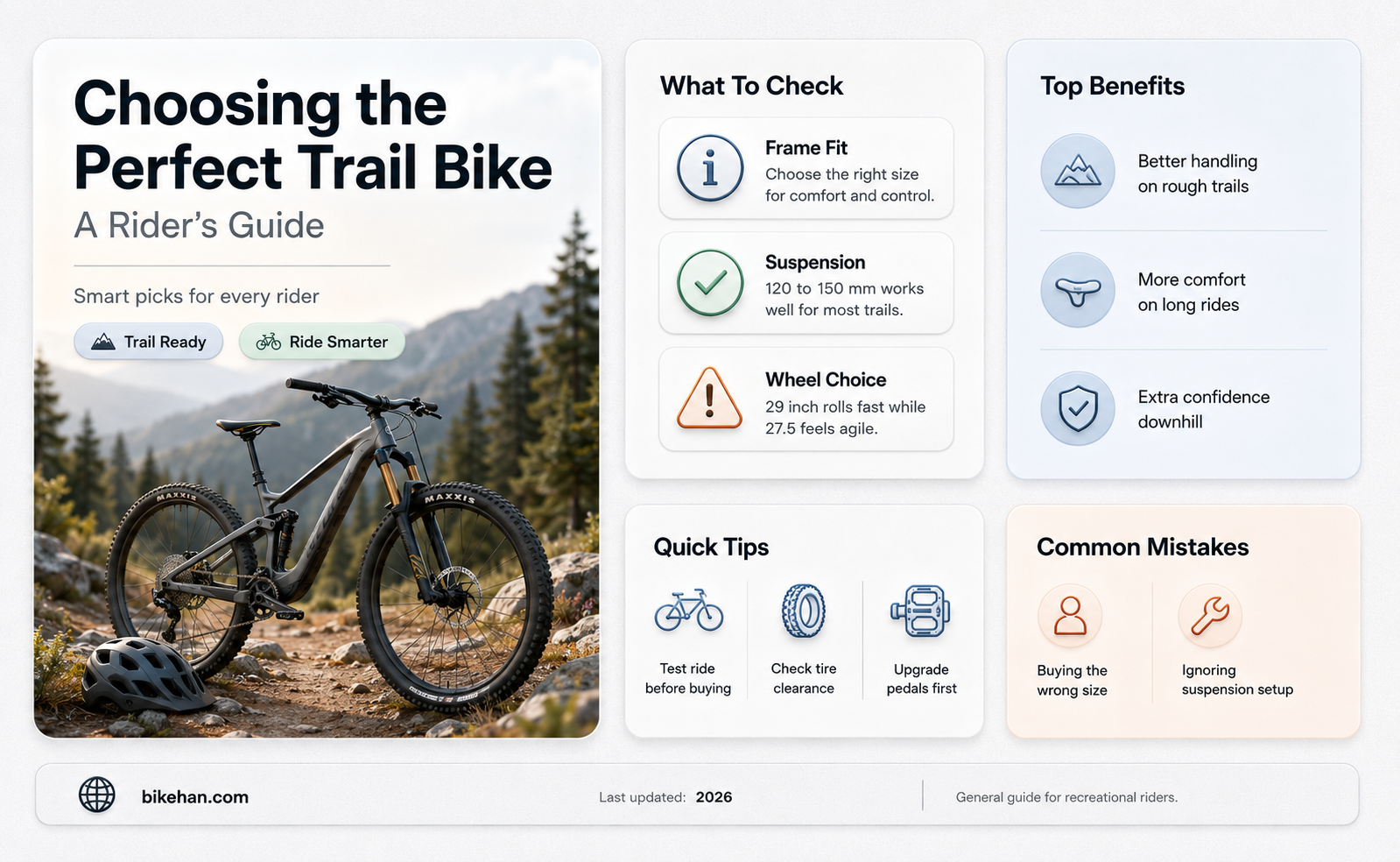
When considering a bike for trail riding, it's important to think about the type of terrain you'll be tackling and the level of difficulty you're comfortable with. Trail bikes are designed to handle a variety of off-road conditions, from smooth dirt paths to rocky, technical trails. They typically feature sturdy frames, suspension systems to absorb shocks, and wide, knobby tires for better traction. Depending on your experience and the specific trails you plan to ride, you might opt for a hardtail or full-suspension model. Hardtails are simpler and more affordable, offering a good balance between efficiency and capability, while full-suspension bikes provide a smoother ride over rough terrain but come with a higher price tag. Additionally, consider the bike's geometry and fit to ensure comfort and control during your rides.
| Characteristics | Values |
|---|---|
| Bike Type | Mountain Bike |
| Frame Material | Aluminum or Carbon Fiber |
| Wheel Size | 27.5" or 29" |
| Tire Width | 2.25" - 2.5" |
| Suspension | Front Suspension (Hardtail) or Full Suspension |
| Gear System | 1x (Single Chainring) or 2x (Double Chainring) |
| Brake System | Hydraulic Disc Brakes |
| Seatpost | Dropper Post |
| Handlebar Width | 780mm - 820mm |
| Stem Length | 40mm - 60mm |
| Crankset Length | 170mm - 175mm |
| Cassette Range | 11-46T or 11-50T |
| Chain | 11-speed or 12-speed |
| Pedals | Platform Pedals or Clipless Pedals |
| Weight | 25lbs - 35lbs |
| Price Range | $800 - $3000 |
Explore related products


What You'll Learn
- Bike Type: Consider a mountain bike or hybrid for trail riding
- Frame Material: Choose between aluminum, carbon fiber, or steel frames
- Suspension: Decide on front suspension, full suspension, or hardtail
- Tire Size and Tread: Select appropriate tire width and tread pattern
- Gearing and Brakes: Determine the suitable gear system and brake type

Bike Type: Consider a mountain bike or hybrid for trail riding
Mountain bikes and hybrids are excellent choices for trail riding due to their robust frames and versatile handling capabilities. Mountain bikes, in particular, are designed with suspension systems that absorb shocks from rough terrain, making them ideal for off-road adventures. Hybrids, on the other hand, combine the durability of mountain bikes with the speed and efficiency of road bikes, offering a balanced option for riders who tackle both paved and unpaved surfaces.
When selecting a mountain bike for trail riding, consider the type of suspension it offers. Full-suspension mountain bikes provide both front and rear shock absorption, which is beneficial for navigating steep descents and technical trails. Hardtail mountain bikes, which only have front suspension, are lighter and more efficient for climbing but may be less comfortable on rough descents.
Hybrid bikes are a great choice for trail riders who also commute or enjoy recreational riding on roads. They typically feature a lightweight frame, narrower tires than mountain bikes, and a more upright riding position, which can reduce strain on the back and neck during long rides. Some hybrids also come with features like fenders and racks, making them practical for everyday use.
Another important factor to consider is the wheel size. Mountain bikes often come with larger wheels, such as 29 inches, which roll over obstacles more easily and provide better traction. Hybrids usually have smaller wheels, around 26 to 28 inches, which offer a smoother ride on paved surfaces but may not handle rough trails as well.
Ultimately, the choice between a mountain bike and a hybrid for trail riding depends on the specific needs and preferences of the rider. Those who prioritize off-road performance and tackle challenging trails regularly may prefer a mountain bike. Riders who enjoy a mix of trail and road riding, or who need a versatile bike for commuting and recreational use, may find a hybrid to be the better option.
Urban Cycling: Choosing the Perfect Bike for City Adventures
You may want to see also
Explore related products


Frame Material: Choose between aluminum, carbon fiber, or steel frames
Aluminum frames are a popular choice for trail riding bikes due to their lightweight nature and durability. They offer a good balance between strength and weight, making them ideal for riders who need to maneuver through rough terrain quickly. Additionally, aluminum frames are relatively affordable compared to carbon fiber frames, making them a budget-friendly option for many riders.
Carbon fiber frames, on the other hand, are known for their exceptional strength-to-weight ratio. They are lighter than aluminum frames, which can make a significant difference when climbing steep hills or accelerating on flat terrain. However, carbon fiber frames are more expensive and can be more susceptible to damage from impacts or crashes.
Steel frames are less common in modern trail riding bikes but still have a dedicated following. They are known for their durability and ability to absorb shocks and vibrations, making them a comfortable choice for long rides on rough trails. Steel frames are also more environmentally friendly than aluminum or carbon fiber frames, as they can be recycled more easily.
When choosing a frame material for trail riding, it's essential to consider your riding style, budget, and the type of terrain you'll be riding on. If you prioritize speed and agility, an aluminum or carbon fiber frame may be the best choice. If you prefer a more comfortable ride and are willing to sacrifice some speed, a steel frame could be the way to go.
Ultimately, the best frame material for trail riding depends on your individual preferences and needs. It's important to test ride different bikes with various frame materials to find the one that feels most comfortable and responsive to your riding style.
Choosing the Perfect Bike for Your Fitness Journey: A Comprehensive Guide
You may want to see also
Explore related products


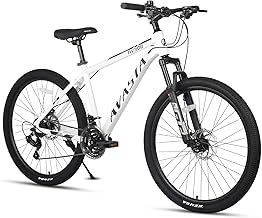
Suspension: Decide on front suspension, full suspension, or hardtail
When selecting a bike for trail riding, one of the most critical decisions you'll face is choosing the right suspension setup. Your options are front suspension, full suspension, or hardtail, each with its own set of advantages and disadvantages that can significantly impact your riding experience.
Front suspension bikes, also known as hardtail bikes, feature a suspension fork at the front but no rear suspension. This setup is ideal for riders who prioritize efficiency and speed on relatively smooth trails. The lack of rear suspension means less weight and lower maintenance, making these bikes easier to pedal and more responsive. However, they can be less comfortable on rough terrain, as the rider absorbs more of the shocks from bumps and obstacles.
Full suspension bikes, on the other hand, offer both front and rear suspension, providing a smoother ride on rough and technical trails. The rear suspension helps to absorb larger impacts and maintain better traction, making these bikes more suitable for aggressive trail riding and downhill sections. However, full suspension bikes are typically heavier and more complex, requiring more maintenance and potentially affecting climbing efficiency.
Hardtail bikes, which lack any suspension, are the most basic and lightweight option. They are best suited for smooth, well-maintained trails where the rider can maintain a high speed without encountering significant obstacles. Hardtails are also popular among riders who prefer a more traditional, connected feel with the trail. However, they can be very uncomfortable and challenging to control on rough terrain, making them less versatile than their suspended counterparts.
When deciding on a suspension setup, consider the type of trails you'll be riding most frequently. If you tackle a lot of rough, technical terrain, a full suspension bike may be the best choice. For smoother trails or those with a mix of conditions, a front suspension bike could be ideal. And if you're just starting out or prefer a simpler, more efficient ride, a hardtail bike might be the way to go.
Ultimately, the right suspension setup for your trail riding bike will depend on your personal preferences, riding style, and the specific demands of the trails you'll be exploring. By carefully considering these factors, you can choose a bike that will provide the best possible experience on the trails.
Choosing the Perfect Commute Bike: A Comprehensive Guide
You may want to see also
Explore related products


Tire Size and Tread: Select appropriate tire width and tread pattern
Choosing the right tire size and tread pattern is crucial for trail riding, as it directly impacts your bike's performance and safety on uneven terrain. The first step is to determine the appropriate tire width, which typically ranges from 2.1 to 2.6 inches for trail bikes. Wider tires offer better traction and stability, but they can also be slower and heavier. Narrower tires are faster and lighter, but they may struggle with grip on loose or rocky surfaces.
Next, consider the tread pattern. Trail bike tires usually have a mix of large and small knobs to provide a balance between rolling resistance and traction. The large knobs help with grip on loose surfaces, while the small knobs reduce rolling resistance on hard ground. Some tires also feature a "dual-compound" construction, where the center knobs are made of a harder rubber for durability and the side knobs are made of a softer rubber for better grip.
When selecting a tire, it's important to consider the type of trail riding you'll be doing. For example, if you'll be riding on mostly smooth trails, a tire with a more aggressive tread pattern may be overkill. On the other hand, if you'll be tackling rough, technical trails, a tire with a more conservative tread pattern may not provide enough grip.
Another factor to consider is the tire's construction. Some tires are made with a "puncture-resistant" layer, which can help prevent flats on rough terrain. However, this layer can also make the tire heavier and stiffer, which may affect the bike's handling.
Finally, don't forget to check the tire's compatibility with your bike's rims and drivetrain. Some tires are designed specifically for certain types of rims or drivetrains, so it's important to ensure that the tire you choose will work with your bike's components.
In conclusion, selecting the right tire size and tread pattern for trail riding requires careful consideration of several factors, including the type of terrain you'll be riding on, your personal riding style, and your bike's components. By taking the time to choose the right tire, you can improve your bike's performance and safety on the trails.
Choosing the Perfect Bike for Your College Adventures
You may want to see also
Explore related products


Gearing and Brakes: Determine the suitable gear system and brake type
When selecting a bike for trail riding, the gearing and brakes are critical components that can significantly impact your riding experience. For trail riding, you'll want a gear system that can handle a variety of terrains and inclines. A wide-range cassette with a large maximum cog (around 50-53 teeth) will provide the necessary low gears for steep climbs, while a smaller minimum cog (around 11-12 teeth) will allow for faster speeds on flat sections.
In terms of brake type, disc brakes are the preferred choice for trail riding due to their superior stopping power and reliability in various weather conditions. Disc brakes use a rotor attached to the wheel hub and a caliper mounted to the frame or fork, which clamps onto the rotor to slow the bike. This system provides more consistent braking performance than rim brakes, especially in wet or muddy conditions.
When choosing a gear system, consider the type of riding you'll be doing most frequently. If you'll be tackling long, steep climbs, a 1x (single chainring) drivetrain with a wide-range cassette may be the best option. This setup simplifies shifting and reduces the risk of chain derailment, while still providing a wide range of gears. However, if you prefer faster speeds on flat terrain, a 2x (double chainring) or 3x (triple chainring) drivetrain may be more suitable.
For brakes, disc brakes are the clear choice for trail riding. They offer better modulation, which allows for more precise control of your speed, and they're less affected by heat buildup on long descents. When selecting disc brakes, consider the size of the rotor. Larger rotors (around 180mm) provide more stopping power, but they're also heavier and may be more susceptible to damage. Smaller rotors (around 160mm) are lighter and less prone to damage, but they may not provide as much stopping power.
Ultimately, the suitable gear system and brake type for your trail riding bike will depend on your specific needs and preferences. Consider the type of terrain you'll be riding, your fitness level, and your riding style when making your decisions. By choosing the right gearing and brakes, you can ensure a more enjoyable and safe trail riding experience.
Choosing the Perfect Bike for Your Child: A Comprehensive Guide
You may want to see also
Frequently asked questions
For trail riding, a mountain bike is the best choice. Mountain bikes are specifically designed for off-road cycling and can handle the rough terrain and obstacles commonly found on trails.
When choosing a trail riding bike, look for features such as a sturdy frame, wide tires with good tread, front suspension (and possibly rear suspension for more advanced trails), and reliable brakes. These features will help you navigate the trails safely and comfortably.
The price of a trail riding bike can vary widely depending on the quality and features. For beginners, a budget-friendly option can be found for around $500-$1000. However, for more serious trail riders or those looking for higher-end features, the price can range from $2000-$5000 or more.
The size of the bike you need for trail riding depends on your height and riding style. Generally, a bike with a frame size that allows you to stand over the top tube with both feet flat on the ground is a good starting point. However, it's important to test ride different sizes to find the one that feels most comfortable and maneuverable for you.
The choice between a hardtail and full-suspension mountain bike for trail riding depends on the type of trails you plan to ride and your personal preference. Hardtail bikes are lighter and more efficient for climbing, but they can be less comfortable on rough descents. Full-suspension bikes offer more comfort and control on rough trails, but they are heavier and can be more challenging to pedal uphill. If you plan to ride a mix of trails with varying difficulty levels, a full-suspension bike may be the better choice.