Matthew Brooks
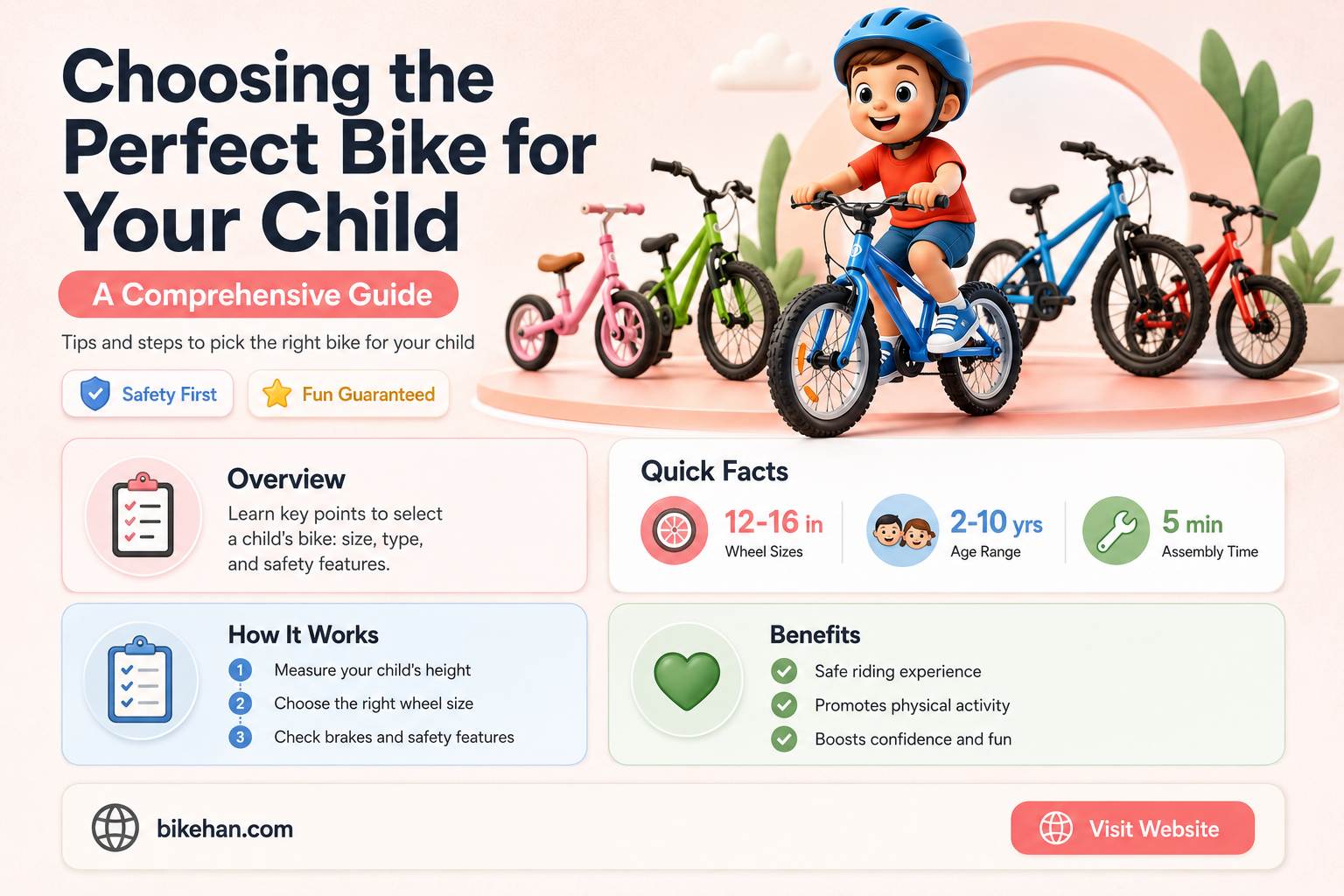
When considering purchasing a bike for your child, several factors come into play to ensure safety, comfort, and enjoyment. The appropriate bike size is crucial, typically determined by your child's height and age. For younger children, balance bikes without pedals are excellent for developing coordination and balance. As children grow, bikes with training wheels can help them transition to pedaling. It's also important to consider the type of riding your child will be doing—whether it's casual neighborhood rides, off-road adventures, or competitive cycling—as this will influence the style and features of the bike. Additionally, ensuring the bike has a proper fit and is equipped with safety gear such as a helmet, reflectors, and lights is essential for your child's well-being.
Explore related products


What You'll Learn
- Age and Size Considerations: Choose a bike that fits your child's age and height for safety and comfort
- Type of Bike: Decide between a balance bike, pedal bike, or BMX bike based on your child's skill level
- Safety Features: Look for bikes with safety features like reflectors, hand brakes, and a sturdy frame
- Material and Durability: Consider bikes made from durable materials like aluminum or steel to withstand rough use
- Budget and Maintenance: Set a budget and consider the maintenance costs of the bike, including tire replacements and adjustments

Age and Size Considerations: Choose a bike that fits your child's age and height for safety and comfort
When selecting a bike for your child, it's crucial to consider their age and size to ensure both safety and comfort. Children's bikes are typically categorized by wheel size, which correlates with the rider's height and age. For instance, a 12-inch bike is usually suitable for children aged 3 to 5 years, while a 24-inch bike is appropriate for those aged 8 to 12 years.
To determine the right bike size, measure your child's height from the ground to the top of their head. Then, use a sizing chart to match their height with the corresponding wheel size. It's also important to consider the child's inseam length, as this will affect their ability to reach the pedals comfortably.
In addition to size, consider the bike's weight. A lighter bike is easier for a child to handle and maneuver, especially when learning to ride. Look for bikes made from materials like aluminum, which offer a good balance of strength and weight.
Another factor to consider is the bike's geometry. Children's bikes often have a more upright riding position, which is comfortable for younger riders and allows for better visibility. However, as children grow and become more experienced riders, they may benefit from a bike with a more aggressive geometry that promotes speed and efficiency.
Finally, don't forget to consider safety features such as reflectors, lights, and a bell or horn. These accessories can help increase your child's visibility to others and alert them to potential hazards on the road.
By taking these factors into account, you can choose a bike that not only fits your child's age and size but also provides a safe and enjoyable riding experience.
Urban Cycling: Choosing the Perfect Bike for City Adventures
You may want to see also
Explore related products


Type of Bike: Decide between a balance bike, pedal bike, or BMX bike based on your child's skill level
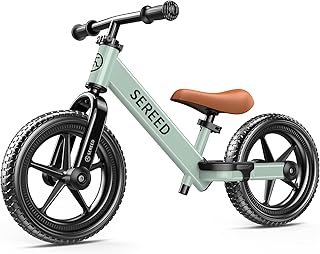
When selecting a bike for your child, it's crucial to consider their skill level to ensure both safety and enjoyment. For beginners, a balance bike is often the best choice. These bikes lack pedals, allowing children to focus on mastering balance and steering. They typically have a lower center of gravity, making them more stable and easier for young riders to control. Balance bikes are ideal for toddlers and preschoolers who are just learning to ride.
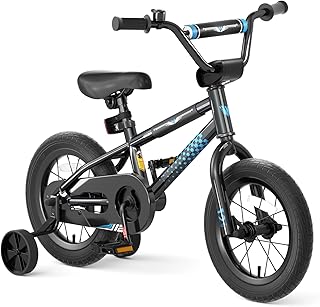
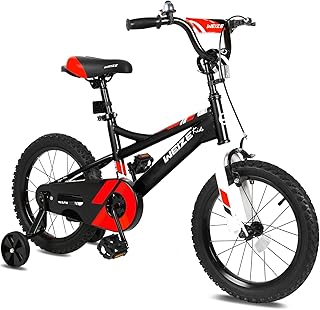
For children who have already developed basic balance skills, a pedal bike is the next logical step. Pedal bikes come with training wheels to provide additional stability as children learn to pedal and steer simultaneously. As your child gains confidence and skill, the training wheels can be removed. Pedal bikes are suitable for children aged 4 to 7 years old, depending on their individual development and comfort level.
If your child is interested in more advanced riding or has a passion for stunts and tricks, a BMX bike might be the right choice. BMX bikes are designed for durability and maneuverability, with features like a lightweight frame, single gear, and strong brakes. They are ideal for children who are at least 7 years old and have a good grasp of basic biking skills. BMX bikes can be used for both casual riding and more competitive activities like racing or freestyle riding.
When making your decision, consider your child's physical abilities, interests, and the type of riding they will be doing. It's also important to ensure that the bike fits your child properly, as an ill-fitting bike can be uncomfortable and difficult to control. By choosing the right type of bike based on your child's skill level, you can help them develop a lifelong love for cycling while ensuring their safety and enjoyment.
Choosing the Perfect Bike for Your College Adventures
You may want to see also
Explore related products


Safety Features: Look for bikes with safety features like reflectors, hand brakes, and a sturdy frame
Reflectors are essential safety features for bikes, especially for children who may be riding in low-light conditions. These small, brightly colored devices reflect light from car headlights, making the bike more visible to drivers. When choosing a bike for your kid, ensure that it has reflectors on the wheels, pedals, and frame. This will significantly increase their visibility and reduce the risk of accidents.
Hand brakes are another crucial safety feature to consider. Unlike coaster brakes, which are operated by pedaling backwards, hand brakes provide more precise control and are easier for children to use. They allow the rider to stop quickly and safely, which is particularly important for kids who are still learning to ride. When selecting a bike, make sure that the hand brakes are easy for your child to reach and operate.
A sturdy frame is also vital for a child's bike. It should be made of durable materials, such as steel or aluminum, and be able to withstand the wear and tear of regular use. A strong frame will provide better support and stability for your child, reducing the risk of accidents caused by a weak or damaged structure. Additionally, a well-built frame will last longer, ensuring that the bike remains safe and functional for an extended period.
When evaluating bikes for safety features, it's essential to consider the overall design and construction. Look for bikes with a well-thought-out layout, where all the components are properly integrated and function smoothly together. This includes the placement of the reflectors, the ease of use of the hand brakes, and the strength of the frame. By choosing a bike with these safety features in mind, you can help ensure that your child has a safe and enjoyable riding experience.
Choosing the Perfect Bike for Long-Distance Adventures
You may want to see also
Explore related products

$116.63 $129.59


Material and Durability: Consider bikes made from durable materials like aluminum or steel to withstand rough use
When selecting a bike for your child, the material and durability should be top of mind. Bikes made from durable materials like aluminum or steel are excellent choices as they can withstand the rough and tumble nature of kids' riding. These materials are not only strong but also lightweight, making it easier for your child to maneuver the bike.
Aluminum bikes are a popular choice for kids due to their corrosion resistance and ease of maintenance. They are also less likely to rust, which is a common issue with steel bikes. However, steel bikes are more affordable and can be just as durable if properly cared for. They are also more flexible, which can provide a smoother ride over bumpy terrain.
When considering the durability of a bike, it's also important to look at the quality of the components. Cheap components can wear out quickly and may need to be replaced sooner than more expensive ones. Look for bikes with high-quality brakes, gears, and tires that can handle the demands of your child's riding.
Another factor to consider is the size of the bike. A bike that is too small or too large for your child can be difficult to ride and may not be as durable. Make sure to choose a bike that fits your child properly to ensure their safety and comfort while riding.
In conclusion, when choosing a bike for your child, it's important to consider the material and durability. Bikes made from aluminum or steel are excellent choices as they can withstand rough use. Additionally, look for bikes with high-quality components and make sure the bike fits your child properly to ensure their safety and comfort while riding.
Choosing the Perfect Commute Bike: A Comprehensive Guide
You may want to see also
Explore related products

$106.99 $119.95


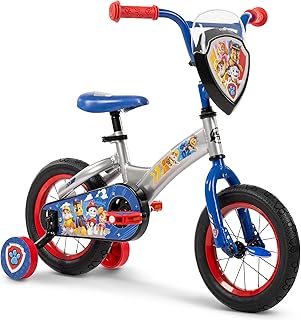

Budget and Maintenance: Set a budget and consider the maintenance costs of the bike, including tire replacements and adjustments
Setting a realistic budget is crucial when purchasing a bike for your child. Bikes can range significantly in price, and it's important to find a balance between affordability and quality. Consider how often your child will use the bike and how long you expect them to ride it before outgrowing it. This will help you determine if investing in a higher-quality, more durable bike is worth the initial cost.
Maintenance costs are another important factor to consider. Bikes require regular upkeep to ensure they remain safe and functional. This includes checking and inflating tires, lubricating the chain, and adjusting brakes. As your child grows, you may also need to adjust the bike's seat and handlebars to accommodate their changing height. Factor these ongoing costs into your budget to avoid any surprises down the line.
Tire replacements are a common maintenance expense. Children's bikes often have smaller, thinner tires that are more prone to punctures and wear. Consider investing in puncture-resistant tires or keeping a spare tube on hand for quick repairs. Additionally, teaching your child how to perform basic bike maintenance, such as fixing a flat tire or tightening a loose brake, can help them develop valuable life skills and reduce the need for professional repairs.
When budgeting for a child's bike, it's also important to consider any additional accessories or safety gear they may need. Helmets, knee pads, and elbow pads are essential for protecting your child while they ride. You may also want to invest in a bike lock, a water bottle holder, or a basket for carrying belongings.
In conclusion, setting a budget and considering maintenance costs are key factors in choosing the right bike for your child. By planning ahead and factoring in these expenses, you can ensure that your child has a safe and enjoyable biking experience without breaking the bank.
Choosing the Perfect Bike for Your Fitness Journey: A Comprehensive Guide
You may want to see also
Frequently asked questions
When selecting a bike for your child, consider their age, height, and skill level. The bike's size should match their height, allowing them to touch the ground with both feet. Additionally, think about the type of riding they'll be doing (e.g., casual, off-road, or competitive) and choose a bike with appropriate features, such as gears, suspension, and tire tread. Safety features like reflectors and a bell are also important.
To determine the right bike size for your child, measure their height from the ground to the top of their head. Use this measurement to refer to bike size charts, which typically correlate height with wheel size (e.g., 12-inch, 16-inch, 20-inch, etc.). Ensure that when your child sits on the bike, they can touch the ground with both feet and reach the handlebars comfortably.
If your child is a beginner and has not yet learned to balance on a bike, consider choosing a bike with training wheels. Training wheels provide additional stability and can help build your child's confidence as they learn to ride. Once your child becomes more comfortable and develops better balance, you can remove the training wheels.