Ryan Cole
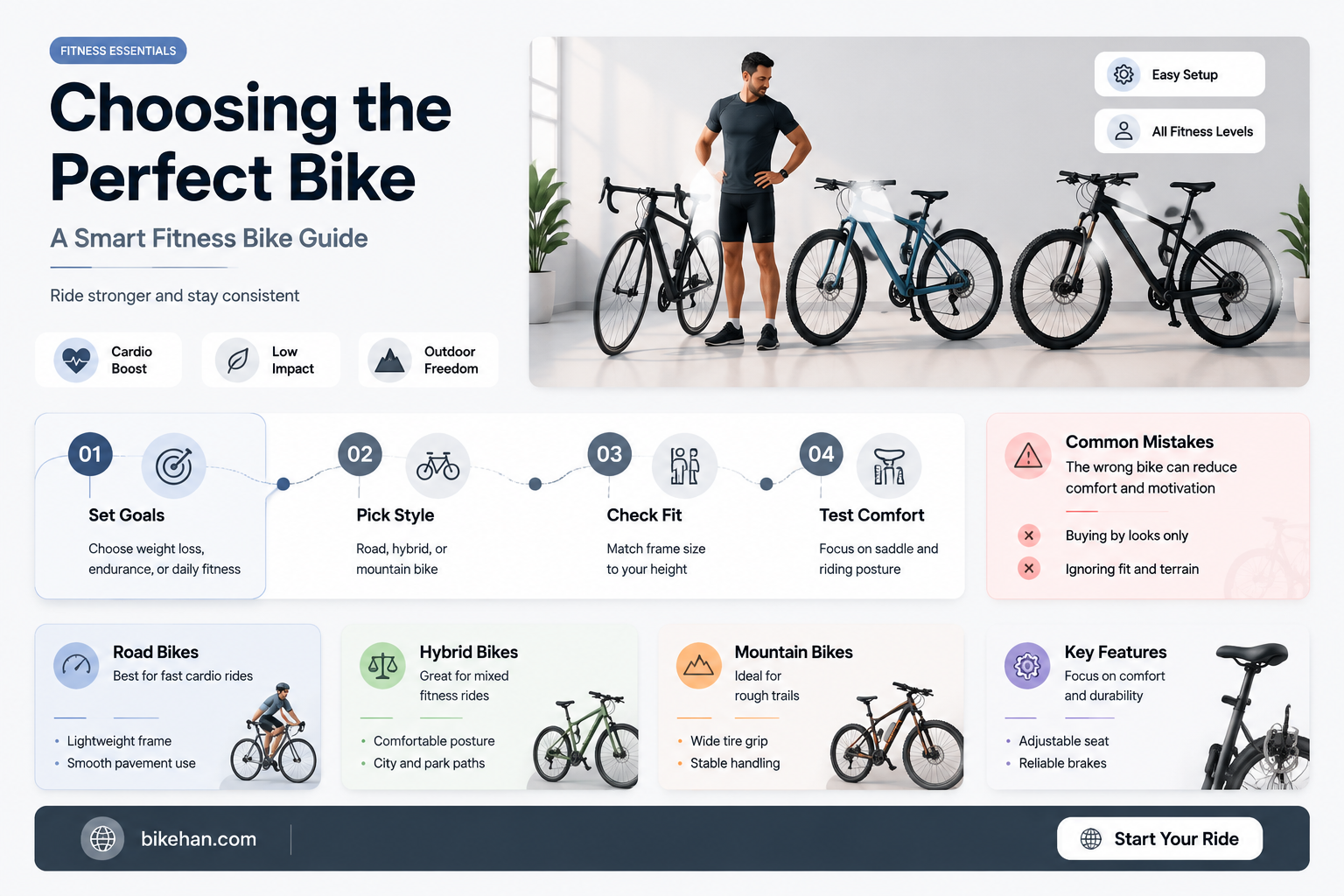
When considering a bike for exercise, several factors come into play to ensure you get the most out of your workouts. Firstly, think about the type of cycling you'll be doing—whether it's road cycling, mountain biking, or indoor spinning. Road bikes are ideal for paved surfaces and offer a smooth, fast ride, while mountain bikes are designed for off-road terrain with sturdy frames and suspension. Hybrid bikes provide a balance between the two, suitable for both city commuting and light trails. Additionally, consider the bike's weight, as lighter bikes are easier to maneuver but may come at a higher cost. Comfort is also key; ensure the saddle and handlebars are at the right height for your body to prevent strain. Lastly, think about additional features like gears, brakes, and accessories such as water bottle holders or racks for carrying gear. By evaluating these aspects, you can choose a bike that not only meets your fitness goals but also provides an enjoyable riding experience.
Explore related products


What You'll Learn
- Type of Bike: Road, mountain, hybrid, or stationary bikes offer different exercise experiences
- Fitness Goals: Determine if you want to focus on endurance, strength, or weight loss
- Comfort and Fit: Consider seat comfort, handlebar position, and frame size for optimal riding posture
- Budget Considerations: Exercise bikes range from affordable to high-end; set a budget accordingly
- Additional Features: Look for bikes with features like resistance settings, digital displays, or connectivity options

Type of Bike: Road, mountain, hybrid, or stationary bikes offer different exercise experiences
Road bikes are designed for speed and efficiency on paved surfaces. They typically have thin tires, lightweight frames, and drop handlebars that allow for an aerodynamic riding position. Road bikes are ideal for long-distance rides, racing, and fitness enthusiasts who want to improve their cardiovascular endurance. However, they may not be the best choice for beginners or those who prefer a more upright riding position.
Mountain bikes, on the other hand, are built for off-road adventures. They feature wider tires with deep treads, sturdy frames, and suspension systems to absorb shocks from rough terrain. Mountain bikes are perfect for trail riding, mountain biking, and exploring unpaved paths. They offer a full-body workout and can help improve balance and coordination. However, they may be heavier and more difficult to maneuver on paved surfaces compared to road bikes.
Hybrid bikes are a versatile option that combines the features of road and mountain bikes. They have wider tires than road bikes but are not as heavy as mountain bikes. Hybrid bikes are suitable for a variety of terrains, including paved roads, bike paths, and light trails. They are a good choice for commuters, casual riders, and those who want a bike that can handle different types of rides. Hybrid bikes offer a comfortable riding position and can provide a good balance between speed and stability.
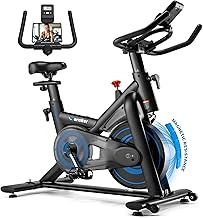
Stationary bikes, also known as exercise bikes, are designed for indoor use. They come in two main types: upright and recumbent. Upright stationary bikes mimic the riding position of a road bike, while recumbent bikes have a reclined seat and pedals positioned in front of the rider. Stationary bikes are ideal for those who want to exercise at home, regardless of weather conditions. They offer a low-impact workout and can help improve cardiovascular fitness, muscle strength, and flexibility. However, they may not provide the same outdoor experience as road, mountain, or hybrid bikes.
When choosing a bike for exercise, it's important to consider your fitness goals, riding preferences, and the type of terrain you plan to ride on. Each type of bike offers a unique exercise experience and has its own advantages and disadvantages. By understanding the differences between road, mountain, hybrid, and stationary bikes, you can make an informed decision that best suits your needs and lifestyle.
Choosing the Perfect Bike for Your College Adventures
You may want to see also
Explore related products


Fitness Goals: Determine if you want to focus on endurance, strength, or weight loss
If you're looking to get a bike for exercise, it's crucial to align your choice with your specific fitness goals. For instance, if endurance is your primary objective, you'll want a bike that allows for long-distance rides with minimal fatigue. Road bikes are ideal for this purpose as they are lightweight and designed for speed and efficiency over paved surfaces. They typically have drop handlebars that enable an aerodynamic riding position, reducing wind resistance and allowing you to maintain higher speeds for longer periods.
On the other hand, if strength training is your focus, you might consider a hybrid or mountain bike. These bikes offer more resistance, especially when riding off-road or on varied terrain, which can help build muscle strength in your legs and core. Hybrid bikes are versatile and can handle both paved roads and light trails, making them suitable for a mix of endurance and strength training. Mountain bikes, with their robust frames and suspension systems, are designed for rough terrain and provide an intense workout that targets multiple muscle groups.
For those aiming to lose weight, any type of bike can be effective, but it's important to choose one that you'll enjoy riding regularly. Consistency is key in weight loss, so selecting a bike that suits your preferences and fitness level is essential. You might also consider the calorie-burning potential of different types of biking. For example, high-intensity interval training (HIIT) on a stationary bike can be very effective for weight loss, as it combines bursts of intense exercise with periods of rest, maximizing calorie burn in a shorter amount of time.
In addition to considering your fitness goals, it's important to think about other factors such as your budget, the type of terrain you'll be riding on, and your personal preferences. Test riding different types of bikes can help you determine which one feels most comfortable and suitable for your needs. Remember, the best bike for exercise is the one that you'll use consistently and enjoy riding.
Urban Cycling: Choosing the Perfect Bike for City Adventures
You may want to see also
Explore related products



Comfort and Fit: Consider seat comfort, handlebar position, and frame size for optimal riding posture
Seat comfort is a critical factor in choosing an exercise bike, as it directly impacts your riding experience and overall workout enjoyment. Look for seats with ample cushioning and ergonomic designs that support your sit bones and reduce pressure points. Some bikes even offer adjustable seats that can be moved up, down, forward, and backward to accommodate different body types and riding preferences.
Handlebar position is another key consideration for optimal riding posture. Ideally, the handlebars should be positioned at a height that allows your arms to bend at a 90-degree angle when gripping them, with your wrists straight and aligned with your forearms. This setup helps to reduce strain on your shoulders, neck, and back during long rides. Some exercise bikes feature adjustable handlebars that can be raised or lowered to suit your needs.
Frame size is essential for ensuring a proper fit and comfortable riding position. A bike with a frame that's too small or too large can lead to awkward postures and discomfort during exercise. To determine the right frame size, consider your height and inseam length, and consult the manufacturer's sizing chart for guidance. Additionally, some bikes offer adjustable components like the saddle height and handlebar reach to further fine-tune the fit.
When trying out an exercise bike, take the time to adjust all the components to find the most comfortable and ergonomic position for your body. This may involve experimenting with different seat heights, handlebar positions, and frame sizes to achieve the ideal riding posture. Remember, a bike that fits you well will not only enhance your comfort but also improve your performance and reduce the risk of injury during exercise.
Choosing the Perfect Commute Bike: A Comprehensive Guide
You may want to see also
Explore related products


Budget Considerations: Exercise bikes range from affordable to high-end; set a budget accordingly
When selecting an exercise bike, one of the most critical factors to consider is your budget. Exercise bikes can vary significantly in price, ranging from budget-friendly options to high-end models with advanced features. It's essential to set a budget before you start shopping to ensure you find a bike that meets your needs without breaking the bank.
To begin, assess your financial situation and determine how much you are willing to spend on an exercise bike. Consider factors such as your income, savings, and other financial obligations. Once you have a clear understanding of your budget, you can start researching different exercise bike models and comparing their prices.
Keep in mind that while more expensive bikes often come with additional features and higher quality components, this doesn't necessarily mean they are the best option for everyone. Many affordable exercise bikes offer excellent value for money and can provide a great workout experience. It's important to balance your budget with your fitness goals and preferences to find the right bike for you.
When comparing prices, be sure to consider any additional costs such as shipping, assembly, and maintenance. Some bikes may require professional assembly, which can add to the overall cost. Additionally, consider the long-term costs of owning an exercise bike, such as any necessary repairs or replacements of parts.
To get the most out of your budget, consider shopping during sales or looking for refurbished or gently used bikes. Many retailers offer discounts on exercise equipment during certain times of the year, such as Black Friday or Cyber Monday. You can also check online marketplaces or local classified ads for used bikes in good condition.
Ultimately, the key to finding the right exercise bike within your budget is to do your research and compare different models and prices. By setting a budget and considering all the factors involved, you can find a bike that meets your fitness needs and fits within your financial means.
Explore related products


Additional Features: Look for bikes with features like resistance settings, digital displays, or connectivity options
Resistance settings are a crucial feature to consider when selecting an exercise bike. These settings allow you to adjust the difficulty of your workout, simulating different terrains and providing a more challenging and effective exercise session. For instance, a higher resistance setting can help build strength and endurance, while a lower setting is ideal for a warm-up or cool-down. Look for bikes that offer a wide range of resistance levels to cater to your fitness needs and goals.
Digital displays are another valuable feature that can enhance your workout experience. These displays typically show information such as speed, distance, time, calories burned, and heart rate, allowing you to track your progress and stay motivated. Some advanced displays even offer pre-set workout programs, which can guide you through different types of exercises and help you achieve specific fitness targets. When choosing a bike, consider the type of display that would be most useful to you and ensure it is easy to read and navigate.
Connectivity options are becoming increasingly popular in modern exercise bikes, allowing you to connect to various devices and apps. This feature enables you to track your workouts more comprehensively, set goals, and even compete with friends or join online fitness communities. Some bikes can connect to your smartphone or tablet via Bluetooth, while others may have built-in Wi-Fi capabilities. If you're interested in a connected workout experience, look for bikes that offer seamless integration with your preferred fitness apps and devices.
In addition to these features, consider the overall build quality and comfort of the bike. A sturdy frame and comfortable seat are essential for a safe and enjoyable workout. Also, think about the space available in your home and whether you need a bike with a compact design or one that can be easily stored away when not in use.
Ultimately, the best exercise bike for you will depend on your individual preferences, fitness goals, and budget. By considering the additional features that are important to you, such as resistance settings, digital displays, and connectivity options, you can find a bike that not only meets your needs but also makes your workout routine more engaging and effective.
Frequently asked questions
The best type of bike for exercise depends on your fitness goals and preferences. For a full-body workout, consider a stationary bike or an air resistance bike. These bikes provide a low-impact cardiovascular workout and can help you burn calories and build muscle.
If you're looking for a low-impact workout that you can do indoors, a stationary bike is a good option. However, if you enjoy outdoor cycling and want to incorporate it into your exercise routine, a road bike can be a great choice. Road bikes are designed for speed and efficiency on paved surfaces, making them ideal for longer rides and interval training.
Exercise bikes offer a number of benefits, including:
- Low-impact cardiovascular workout
- Calorie burning and weight loss
- Muscle building and toning
- Improved cardiovascular health
- Increased endurance and stamina
- Stress relief and mood improvement
To choose the right size exercise bike, consider your height and inseam length. Most exercise bikes have adjustable seats and handlebars, but it's important to choose a bike that fits your body size to ensure comfort and proper form during your workout.
When choosing an exercise bike, consider the following features:
- Adjustable seat and handlebars
- Resistance levels and types (e.g., air, magnetic, direct contact)
- Display and tracking capabilities (e.g., speed, distance, calories burned)
- Comfort features (e.g., cushioned seat, ergonomic handlebars)
- Durability and warranty
- Price and budget considerations