Megan Blake
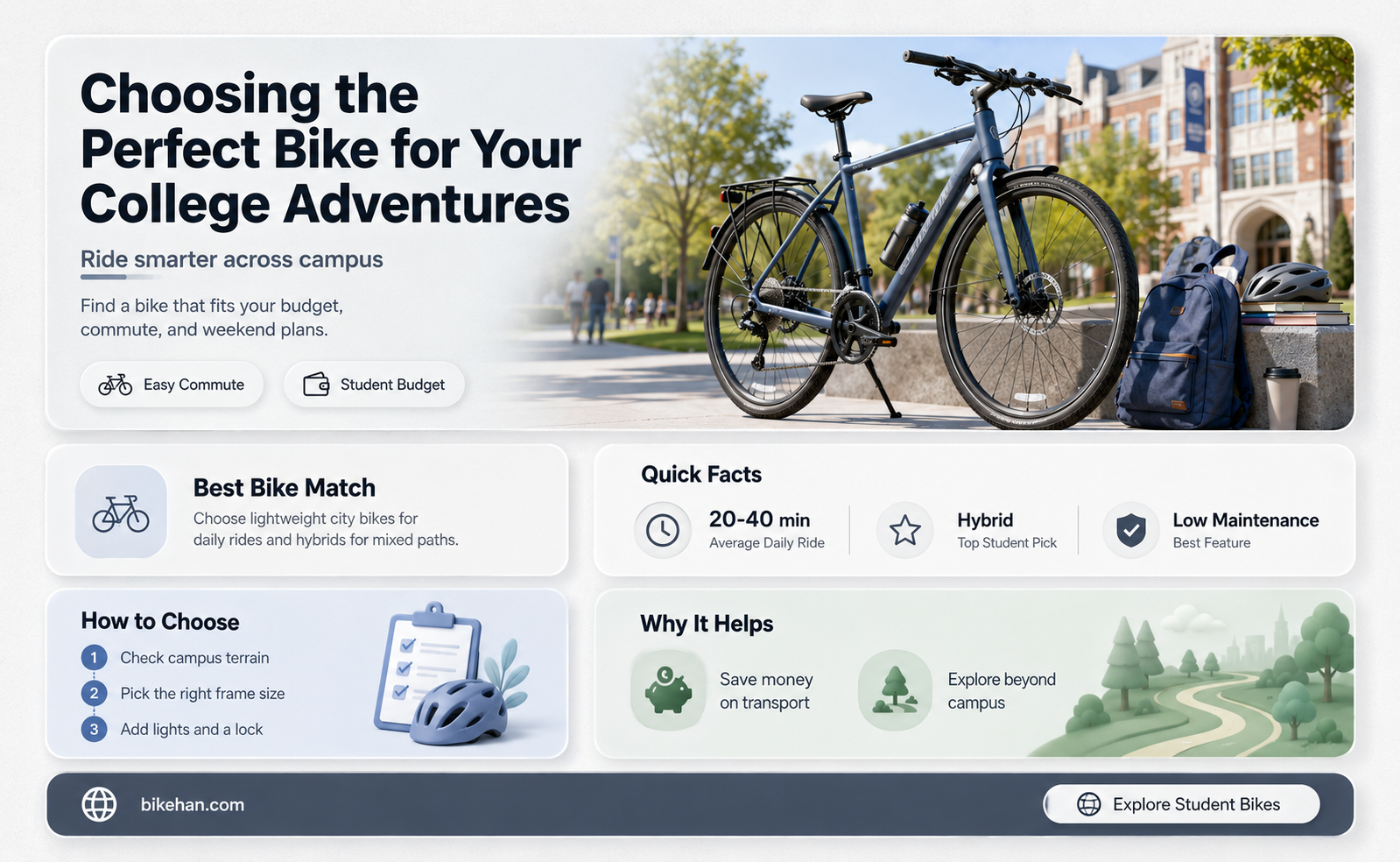
Choosing the right bike for college can be a game-changer for your daily commute and overall campus experience. With so many options available, it's important to consider factors like your budget, the terrain you'll be riding on, and your personal preferences. For instance, if you're on a tight budget, a reliable used bike might be the way to go. If you're tackling hilly terrain, a bike with multiple gears could make your life easier. And if you're concerned about security, investing in a sturdy lock is essential. In this guide, we'll walk you through the key considerations to help you find the perfect bike for your college needs.
Explore related products


What You'll Learn
- Budget Considerations: Determine how much you're willing to spend on a bike and accessories
- Campus Terrain: Assess the college campus for hills, rough paths, or bike-friendly routes
- Bike Types: Research different bike types (e.g., road, mountain, hybrid) and their suitability for your needs
- Safety Features: Consider essential safety features like lights, reflectors, and a sturdy lock
- Maintenance: Evaluate the ease of maintenance and availability of repair services for the bike you choose

Budget Considerations: Determine how much you're willing to spend on a bike and accessories
Setting a budget is crucial when considering purchasing a bike for college. Start by evaluating your financial situation and determining how much you can realistically afford to spend. Remember to consider not just the cost of the bike itself, but also any necessary accessories such as a helmet, lock, lights, and maintenance tools.
Next, research the average prices of bikes that meet your needs and preferences. This will give you a better understanding of what you can expect to pay and help you set a realistic budget. Keep in mind that prices can vary significantly depending on the type of bike, its features, and the brand.
Once you have a budget in mind, stick to it. It can be tempting to splurge on a more expensive bike or accessories, but remember that you need to prioritize your financial stability. Consider looking for sales, discounts, or second-hand options to help you stay within your budget.
Additionally, think about the long-term costs associated with owning a bike. This includes maintenance, repairs, and potential upgrades. Factor these costs into your budget to ensure that you can afford to keep your bike in good condition throughout your college years.
Finally, don't forget to consider the value of your bike in relation to your needs. A more expensive bike may be worth the investment if it provides you with greater comfort, durability, or features that you will use frequently. On the other hand, a less expensive bike may be sufficient if you only plan to use it occasionally or for short distances.
By carefully considering your budget and the associated costs, you can make an informed decision about the type of bike that is right for you and your college experience.
Urban Cycling: Choosing the Perfect Bike for City Adventures
You may want to see also
Explore related products


Campus Terrain: Assess the college campus for hills, rough paths, or bike-friendly routes
Navigating the varied terrain of a college campus can significantly impact your choice of bicycle. Campuses with hilly landscapes, for instance, may require a bike with a robust gear system to handle inclines efficiently. On the other hand, campuses with rough paths or frequent gravel sections might necessitate a bike with wider, more durable tires to ensure a smooth and safe ride.
When assessing your campus's terrain, consider the frequency and steepness of hills, the condition of pathways, and the availability of bike lanes or designated cycling routes. A campus with well-maintained bike paths and gentle slopes might be suitable for a hybrid or commuter bike, which offers a balance between comfort and efficiency. Conversely, a campus with challenging terrain may require a mountain bike or a road bike with a more advanced gear system to tackle steep hills and rough surfaces effectively.
It's also important to consider the overall layout of the campus. If the campus is sprawling with long distances between buildings, a bike with a comfortable riding position and good endurance capabilities would be beneficial. Additionally, if the campus has limited bike parking or storage facilities, a bike with a compact frame or folding mechanism might be a practical choice.
To make an informed decision, spend some time exploring the campus on foot or by borrowing a bike from a friend or the campus bike rental service. This will give you a firsthand understanding of the terrain and help you identify any potential challenges or preferences you may have for your future bike.
In summary, the terrain of your college campus plays a crucial role in determining the type of bike that will best suit your needs. By carefully assessing the campus's hills, paths, and bike-friendly routes, you can make a more informed decision about the bike that will provide you with a safe, comfortable, and efficient means of transportation during your college years.
Explore related products


Bike Types: Research different bike types (e.g., road, mountain, hybrid) and their suitability for your needs
Road bikes are designed for speed and efficiency on paved surfaces. They typically have thin tires, lightweight frames, and drop handlebars that allow for an aerodynamic riding position. If you plan to commute on city streets or participate in road cycling events, a road bike might be the right choice for you. However, they may not be the best option for rough terrain or off-road trails.
Mountain bikes, on the other hand, are built for off-road adventures. They feature sturdy frames, wide tires with deep treads, and suspension systems to absorb shocks from uneven terrain. If you enjoy trail riding or exploring rugged landscapes, a mountain bike is likely the way to go. Keep in mind that they can be heavier and less efficient on paved surfaces compared to road bikes.
Hybrid bikes offer a balance between road and mountain bikes. They combine the speed and efficiency of road bikes with the versatility and comfort of mountain bikes. Hybrid bikes are suitable for a variety of terrains and are often recommended for commuters who need to navigate both city streets and bike paths. They typically have wider tires than road bikes, but not as wide as mountain bikes, and may include features like fenders and racks for added convenience.
When choosing a bike for college, consider your primary needs and the type of terrain you'll be riding on most frequently. If you're unsure, a hybrid bike can be a great starting point, as it offers a good balance of features and versatility. Remember to also consider factors like budget, comfort, and maintenance requirements when selecting the perfect bike for your college experience.
Explore related products


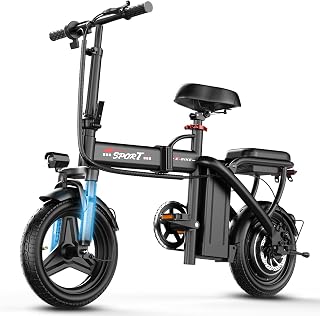

Safety Features: Consider essential safety features like lights, reflectors, and a sturdy lock
Reflectors are another crucial safety feature, especially for college students who may be riding their bikes during early morning or late evening hours. These small, inexpensive devices can be attached to the wheels, pedals, and frame of the bike, making the rider more visible to motorists and pedestrians in low-light conditions. Some colleges even require students to have reflectors on their bikes as part of their safety policies.
A sturdy lock is also essential for college students, as bike theft is a common problem on many campuses. Look for a lock that is made of high-quality materials, such as hardened steel, and has a robust design that is difficult to cut or tamper with. Consider investing in a U-lock, which is one of the most secure types of bike locks available. These locks can be used to secure the bike frame and wheels to a fixed object, such as a bike rack or pole.
In addition to these essential safety features, college students may also want to consider investing in a helmet, gloves, and appropriate clothing for riding. A helmet can significantly reduce the risk of head injuries in the event of an accident, while gloves can provide better grip and protection for the hands. Appropriate clothing, such as bright colors and reflective materials, can also help increase visibility and comfort while riding.
When selecting a bike for college, it's important to consider the specific safety features that are most relevant to the student's needs and riding habits. For example, students who plan to ride their bikes at night or in low-light conditions should prioritize bikes with high-quality lights and reflectors. Students who are concerned about bike theft should look for bikes with sturdy locks and secure storage options.
Ultimately, the key to staying safe while riding a bike in college is to be proactive and take the necessary precautions. By investing in essential safety features, such as lights, reflectors, and a sturdy lock, students can significantly reduce their risk of accidents and theft, and enjoy a safe and enjoyable biking experience on campus.
Explore related products




Maintenance: Evaluate the ease of maintenance and availability of repair services for the bike you choose
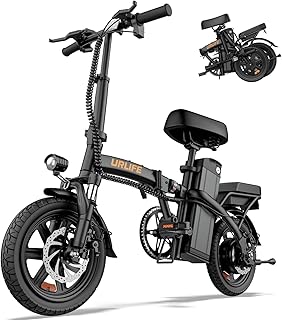
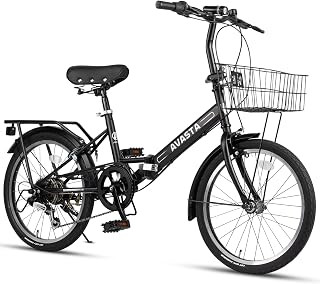
One crucial aspect to consider when choosing a bike for college is the ease of maintenance and the availability of repair services. This is particularly important for college students who may not have extensive mechanical knowledge or the time to perform regular maintenance. Bikes with simpler designs and fewer complex components are generally easier to maintain. For instance, single-speed or fixed-gear bikes have fewer parts that can break down compared to multi-speed bikes.
When evaluating the ease of maintenance, consider the accessibility of common replacement parts such as tires, tubes, and brake pads. Bikes from well-known manufacturers often have parts that are readily available at local bike shops or online retailers. Additionally, some bike brands offer comprehensive maintenance guides and tutorials online, which can be invaluable for novice bike owners.
The availability of repair services is another key factor. If you're attending college in an urban area, there are likely several bike shops nearby that can provide repair services. However, if you're in a more rural location, you may need to rely on mail-order services or drive to the nearest bike shop. Some colleges also offer bike repair workshops or have student-run bike co-ops where you can learn to fix your bike or get assistance from more experienced mechanics.
It's also worth considering the cost of maintenance and repairs. While some bikes may be cheaper to purchase upfront, they could end up costing more in the long run if they require frequent repairs or if replacement parts are expensive. On the other hand, investing in a higher-quality bike with durable components could save you money on maintenance costs over time.
In summary, when choosing a bike for college, it's important to consider not only the initial purchase price but also the long-term maintenance costs and the availability of repair services. By selecting a bike that is easy to maintain and has accessible repair options, you can ensure that your bike remains in good working condition throughout your college years.
Frequently asked questions
A hybrid or commuter bike is ideal for college campuses as they are designed for comfort and efficiency on paved roads and paths. They typically feature a lightweight frame, upright riding position, and racks for carrying books and other essentials.
Yes, a bike with gears is highly recommended for college, especially if your campus has varied terrain or if you plan to ride in different weather conditions. Gears allow you to adjust the difficulty of pedaling, making it easier to tackle hills or accelerate on flat surfaces.
While a mountain bike can be used for college commuting, it may not be the most efficient choice. Mountain bikes are designed for off-road use and can be heavier and less comfortable on paved surfaces. However, if you plan to ride on trails or unpaved paths frequently, a mountain bike could be a good option.
When choosing a bike for college, look for safety features such as reflectors, lights, and a bell or horn. Reflectors and lights increase your visibility to other road users, especially in low-light conditions, while a bell or horn allows you to alert pedestrians and other cyclists of your presence. Additionally, consider wearing a helmet and following local traffic laws for safe riding.