Samantha Lee
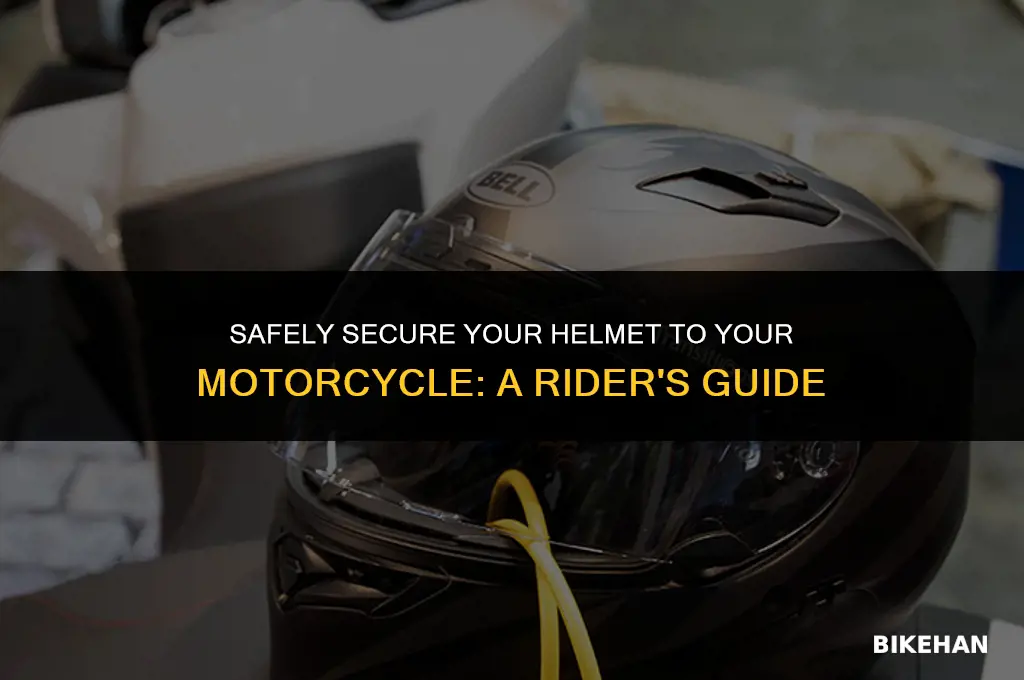
Securing a helmet to a motorcycle is an essential safety measure that ensures the helmet remains in place during a ride, reducing the risk of it falling off and causing a distraction or accident. There are several methods to achieve this, including using a helmet lock, a bungee cord, or a specialized helmet holder. Each method has its advantages and disadvantages, and the choice depends on personal preference, the type of helmet, and the motorcycle's design. In this guide, we will explore these methods in detail, providing step-by-step instructions on how to secure a helmet to a motorcycle effectively and safely.
Explore related products


What You'll Learn
- Choosing the Right Helmet Lock: Select a sturdy lock that fits your helmet and motorcycle securely
- Identifying Secure Attachment Points: Find strong, immovable parts on your motorcycle to attach the helmet
- Using Helmet Locks Effectively: Properly use disc locks, chain locks, or built-in locks to secure your helmet
- Additional Security Measures: Consider using multiple locks or a GPS tracker for added helmet security
- Regular Maintenance and Checks: Periodically inspect your helmet lock and attachment points for wear and security

Choosing the Right Helmet Lock: Select a sturdy lock that fits your helmet and motorcycle securely
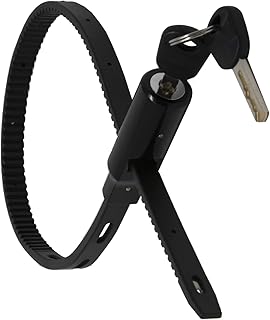
A helmet lock is a crucial accessory for any motorcyclist, ensuring that your helmet remains securely attached to your bike when you're not around. But with so many options on the market, how do you choose the right one? The first step is to consider the type of lock that best suits your needs. There are several types of helmet locks available, including cable locks, chain locks, and U-locks. Each type has its own advantages and disadvantages, so it's important to weigh your options carefully.
Cable locks are a popular choice due to their flexibility and ease of use. They are typically made of steel or other durable materials and can be easily wrapped around your helmet and motorcycle. However, they are not as secure as other types of locks and can be more easily cut with bolt cutters. Chain locks, on the other hand, are more secure and can be used to lock multiple helmets at once. They are typically made of heavy-duty steel and can be attached to a fixed object or your motorcycle's frame. However, they are heavier and bulkier than cable locks, making them less convenient to carry around.
U-locks are another option to consider. They are shaped like a "U" and can be used to lock your helmet to your motorcycle's frame or a fixed object. They are typically made of solid steel and are very difficult to cut or break. However, they are also heavier and bulkier than cable locks, and their shape can make them more difficult to use in some situations.
Once you've decided on the type of lock that best suits your needs, there are a few other factors to consider. First, make sure the lock is long enough to securely attach your helmet to your motorcycle. You don't want a lock that is too short, as this could make it easier for thieves to remove your helmet. Second, consider the lock's diameter. A thicker lock is generally more secure, as it is more difficult to cut or break. Finally, make sure the lock is made of high-quality materials. A lock that is poorly constructed or made of low-quality materials is more likely to fail when you need it most.
In conclusion, choosing the right helmet lock is an important decision that can help protect your helmet from theft. By considering the type of lock that best suits your needs, as well as factors such as length, diameter, and material quality, you can find a lock that provides the security and convenience you need.
Rev Up Your Ride: The Ultimate Guide to Cleaning Motorcycle Helmet Pads
You may want to see also
Explore related products



Identifying Secure Attachment Points: Find strong, immovable parts on your motorcycle to attach the helmet
To identify secure attachment points on your motorcycle for your helmet, start by examining the frame and bodywork for strong, immovable parts. Look for areas that are bolted directly to the chassis, as these will provide the most stability. Common secure attachment points include the handlebars, seat rails, and rear luggage racks. Avoid attaching your helmet to any part that moves or vibrates excessively, as this can cause the helmet to become dislodged while riding.
Once you've identified potential attachment points, test their strength by applying pressure in different directions. A secure attachment point should not give way or shift under normal riding conditions. Additionally, consider the accessibility of the attachment point. You want to be able to easily attach and detach your helmet without having to remove other parts of the motorcycle or use specialized tools.
When attaching your helmet, use a sturdy lock or fastening mechanism that is resistant to tampering. A U-lock or a heavy-duty cable lock are good options. Make sure the lock passes through both the helmet's attachment point and the motorcycle's attachment point, securing them together. For added security, consider using a combination lock or a lock with a key that you keep with you at all times.
Remember to regularly check the security of your helmet's attachment point, especially after long rides or if you've been riding on rough terrain. Over time, vibrations and movement can cause the attachment point to loosen or become less secure. By routinely inspecting and maintaining the attachment point, you can ensure that your helmet remains safely secured to your motorcycle.
California Motorcycle Helmet Law: What You Need to Know
You may want to see also
Explore related products



Using Helmet Locks Effectively: Properly use disc locks, chain locks, or built-in locks to secure your helmet
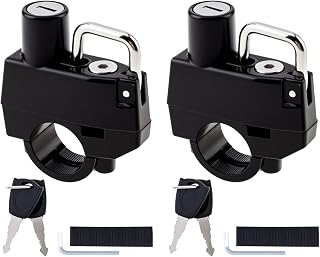
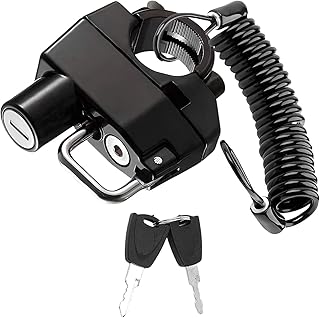
To effectively use helmet locks, it's crucial to understand the different types available and their specific applications. Disc locks, for instance, are ideal for securing helmets to motorcycles with a disc brake system. These locks typically come with a chain or cable that can be looped through the helmet's ventilation holes and attached to the disc brake rotor. This method not only secures the helmet but also immobilizes the wheel, making it difficult for thieves to move the motorcycle.
Chain locks, on the other hand, offer a more versatile solution. They can be used with or without a disc brake system and are often longer, allowing for more flexibility in securing the helmet to various parts of the motorcycle. When using a chain lock, it's important to ensure that the chain is made of high-quality, tamper-resistant material and that it is properly anchored to a fixed point on the motorcycle, such as the frame or a designated lock point.
Built-in locks, which are integrated into the helmet itself, provide a convenient and secure option. These locks usually consist of a small, retractable cable that can be extended and attached to the motorcycle. The advantage of built-in locks is that they are always with the helmet, eliminating the need to carry a separate lock. However, they may not be as robust as external locks and can be more susceptible to tampering.
Regardless of the type of lock chosen, proper usage is key to ensuring the security of the helmet. It's important to always lock the helmet when leaving the motorcycle unattended, even for short periods. Additionally, the lock should be checked regularly to ensure it is functioning correctly and has not been compromised. By following these guidelines and choosing the appropriate lock for the situation, motorcycle riders can effectively secure their helmets and protect their valuable gear from theft.
Secure Your Ride: The Ultimate Guide to Strapping Your Motorcycle Helmet
You may want to see also
Explore related products


Additional Security Measures: Consider using multiple locks or a GPS tracker for added helmet security
For enhanced helmet security, multiple locks can be employed to deter theft. This method involves using more than one type of lock, such as a U-lock and a chain lock, to secure the helmet to the motorcycle. The U-lock can be used to secure the helmet's chin strap to the motorcycle's frame, while the chain lock can be wrapped around the helmet and the motorcycle's handlebars or seat post. This dual-locking system makes it more difficult for thieves to remove the helmet without cutting through both locks.
Another advanced security measure is the use of a GPS tracker. A small, discreet GPS device can be attached to the helmet, allowing the owner to track its location in real-time via a smartphone app or website. This technology can be particularly useful in the event of a theft, as it can help authorities locate and recover the stolen helmet. Additionally, some GPS trackers come with features such as geofencing, which alerts the owner if the helmet is moved outside of a designated area, and tamper detection, which notifies the owner if someone attempts to remove the tracker.
When implementing these additional security measures, it's important to consider the specific needs and circumstances of the motorcycle owner. For example, someone who frequently parks their motorcycle in high-risk areas may benefit more from the use of multiple locks, while someone who travels long distances may find a GPS tracker more useful. It's also important to ensure that the locks and trackers are of high quality and are properly installed to maximize their effectiveness.
In conclusion, by using multiple locks or a GPS tracker, motorcycle owners can significantly increase the security of their helmets and deter theft. These measures provide an added layer of protection and peace of mind, knowing that the helmet is better safeguarded against potential thieves.
Breaking In Your Motorcycle Helmet: A Rider's Guide to Comfort and Safety
You may want to see also
Explore related products


Regular Maintenance and Checks: Periodically inspect your helmet lock and attachment points for wear and security
Regular maintenance and checks are crucial to ensuring the security and longevity of your helmet lock and attachment points. Over time, these components can wear down due to exposure to the elements, frequent use, or even attempts at theft. By periodically inspecting them, you can identify potential issues before they become major problems.
Begin by examining the helmet lock itself. Look for any signs of rust, corrosion, or damage to the locking mechanism. Test the lock by inserting and removing the key several times to ensure smooth operation. If the lock feels stiff or resistant, it may be time to replace it. Additionally, check the attachment points on both the helmet and the motorcycle. These should be free of cracks, chips, or any other damage that could compromise their integrity.
Next, inspect the security of the attachment points. Ensure that the screws or bolts are tightly fastened and that there is no movement or play in the connection. If you notice any looseness, tighten the fasteners immediately. It's also a good idea to apply a small amount of thread-locking fluid to the screws or bolts to prevent them from loosening over time.
In addition to these regular checks, it's important to be aware of any changes in the performance of your helmet lock or attachment points. If you notice any unusual noises, difficulty in locking or unlocking, or any other irregularities, address them promptly. Ignoring these signs could lead to a compromised lock or attachment point, putting your helmet and potentially your safety at risk.
Finally, consider keeping a maintenance log to track your inspections and any repairs or replacements made. This will help you stay on top of your helmet lock and attachment point maintenance and ensure that they are always in good working condition. By following these guidelines, you can help extend the life of your helmet lock and attachment points, ensuring that your helmet remains securely fastened to your motorcycle for years to come.
Essential Features to Consider When Choosing a Motorcycle Helmet
You may want to see also
Frequently asked questions
Essential tools include a helmet lock, a sturdy chain or cable, and sometimes a specialized helmet holder or mount.
The best location is typically near the rear of the bike, either on a helmet holder or by looping the chain or cable through the helmet's ventilation holes and attaching it to a secure part of the motorcycle frame.
To use a helmet lock, thread the chain or cable through the helmet's ventilation holes, loop it around a secure part of the motorcycle, and then lock the chain or cable to the helmet lock. Ensure the lock is tight and the helmet is snug against the bike to prevent theft.
Additional security measures include using a disc lock or U-lock in combination with the helmet lock, parking in well-lit and secure areas, and removing any easily detachable parts of the helmet (like visors or liners) to deter thieves.
It's recommended to use a heavy-duty, weather-resistant chain or cable specifically designed for securing helmets. These are often made of steel or other durable materials and are designed to resist cutting or tampering.