Matthew Brooks

Learning how to properly tie a motorcycle helmet is crucial for ensuring safety while riding. A well-fitted helmet can significantly reduce the risk of head injuries in the event of an accident. To begin, it's important to choose a helmet that meets safety standards and fits snugly on your head. Once you have the right helmet, you'll need to familiarize yourself with its specific fastening system, which may include straps, buckles, or quick-release mechanisms. In this guide, we'll walk you through the steps to securely fasten your helmet, ensuring a comfortable and safe fit every time you ride.
Explore related products


What You'll Learn
- Choosing the Right Helmet: Select a helmet that fits snugly, covering the forehead and sitting above the eyebrows
- Positioning the Helmet: Place the helmet on your head, ensuring it's level and not tilted forward or backward
- Securing the Chin Strap: Fasten the chin strap securely, adjusting it so it's tight enough to stay in place but not so tight it's uncomfortable
- Adjusting the Fit: Use the helmet's internal padding or adjustment mechanisms to ensure a comfortable, secure fit around your head
- Checking for Safety: Verify that the helmet meets safety standards and has a proper certification label inside

Choosing the Right Helmet: Select a helmet that fits snugly, covering the forehead and sitting above the eyebrows
A well-fitting helmet is crucial for both comfort and safety when riding a motorcycle. To ensure you select the right helmet, start by measuring your head circumference with a flexible tape measure. This measurement will help you determine the correct helmet size. When trying on helmets, make sure they fit snugly but not too tightly, and that they cover your forehead without obstructing your vision. The helmet should sit above your eyebrows, providing ample coverage without compromising your field of view.
It's also important to consider the helmet's weight and balance. A helmet that is too heavy can cause neck strain during long rides, while a poorly balanced helmet may shift around on your head, reducing its effectiveness in the event of an accident. Look for helmets with adjustable ventilation systems, as these can help regulate airflow and keep you cool in hot weather.
When selecting a helmet, it's essential to choose one that meets safety standards. Look for helmets that are certified by organizations such as the Department of Transportation (DOT) or the Snell Memorial Foundation. These certifications ensure that the helmet has undergone rigorous testing and meets specific safety criteria.
In addition to fit and safety, consider the helmet's noise level. A quieter helmet can reduce fatigue and improve your ability to hear important sounds, such as approaching vehicles or sirens. Finally, think about the helmet's design and color. While aesthetics are not as important as fit and safety, choosing a helmet that you like can increase the likelihood that you'll wear it consistently.
Remember, a helmet is an essential piece of safety equipment for motorcycle riders. By taking the time to select the right helmet, you can significantly reduce your risk of injury in the event of an accident.
Do Motorcycle Helmets Expire? Safety Insights and Replacement Tips
You may want to see also
Explore related products


Positioning the Helmet: Place the helmet on your head, ensuring it's level and not tilted forward or backward
To properly position a motorcycle helmet, begin by placing it on your head while ensuring it sits level. This means the helmet should not tilt forward or backward. A common mistake is to wear the helmet too far back, which can obstruct your vision and reduce the helmet's effectiveness in protecting your face and head in the event of an accident. Conversely, wearing the helmet too far forward can cause discomfort and may lead to neck strain during long rides.
Start by aligning the helmet's forehead area with your own forehead. The helmet should sit snugly but not tightly, allowing for a comfortable fit without any pressure points. If the helmet feels too loose, adjust the padding or use a smaller size. If it feels too tight, try a larger size or consult with a professional to ensure you have the correct fit.
Once the helmet is positioned correctly on your head, fasten the chin strap securely. The strap should be tight enough to prevent the helmet from moving around but not so tight that it causes discomfort or restricts your ability to speak or breathe. Make sure the strap is properly adjusted and lies flat against your chin.
It's also important to consider the angle of your head when positioning the helmet. If you typically ride with your head tilted slightly forward, adjust the helmet accordingly to maintain a level position. This will help ensure maximum visibility and comfort during your ride.
Finally, take a moment to check your helmet's position in a mirror before hitting the road. This will allow you to make any necessary adjustments and ensure the helmet is properly aligned with your head and face. Remember, a well-positioned helmet is crucial for both safety and comfort while riding a motorcycle.
Rev Up Your Safety: The Ultimate Guide to Motorcycle Helmet Replacement
You may want to see also
Explore related products


Securing the Chin Strap: Fasten the chin strap securely, adjusting it so it's tight enough to stay in place but not so tight it's uncomfortable
To secure the chin strap of a motorcycle helmet, begin by locating the strap's adjustment mechanism, typically found near the ear or under the chin. This mechanism allows you to lengthen or shorten the strap for a customized fit. Once you've found it, put on the helmet and fasten the chin strap, ensuring it's snug but not overly tight. You should be able to fit one finger comfortably between the strap and your chin. If the strap is too loose, it won't stay in place during a ride, and if it's too tight, it can cause discomfort or even restrict blood flow.
Next, adjust the strap's tension by pulling it through the adjustment mechanism. Some helmets have a ratcheting system, while others use a sliding buckle. Regardless of the type, make sure the strap is evenly distributed under your chin and that the adjustment mechanism is securely locked in place. It's crucial that the chin strap is tight enough to prevent the helmet from lifting off your head in the event of an accident, but not so tight that it causes discomfort or chafing.
After adjusting the strap, take a moment to test its security. Gently pull on the helmet to ensure it doesn't come off easily. If it does, tighten the strap further and repeat the test. Once you're satisfied that the helmet is securely fastened, you're ready to ride. Remember, a properly secured chin strap is essential for the safety and effectiveness of your motorcycle helmet.
In addition to ensuring the chin strap is secure, it's also important to check that the helmet itself is in good condition. Look for any signs of damage, such as cracks or dents, and make sure the visor is clean and free of scratches. A well-maintained helmet will provide better protection in the event of an accident.
Finally, always remember to follow the manufacturer's instructions for your specific helmet model. Different helmets may have different requirements for securing the chin strap, so it's important to consult the user manual or seek guidance from the manufacturer if you're unsure. By taking the time to properly secure your chin strap and maintain your helmet, you can significantly reduce the risk of injury while riding your motorcycle.
Exploring the Versatility of Modular Motorcycle Helmets
You may want to see also
Explore related products


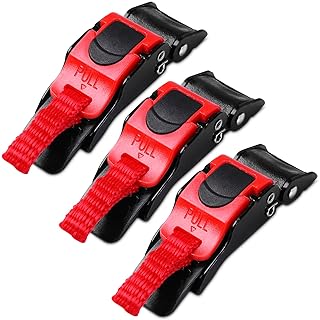
Adjusting the Fit: Use the helmet's internal padding or adjustment mechanisms to ensure a comfortable, secure fit around your head
To ensure a comfortable and secure fit, it's crucial to adjust the internal padding or mechanisms of your motorcycle helmet. Start by placing the helmet on your head without fastening the chin strap. The helmet should sit snugly, with the padding making contact with your head but not causing discomfort. If the helmet feels too loose, locate the adjustment mechanism, typically found at the back or sides of the helmet. This mechanism may involve rotating a dial or sliding a lever to tighten the internal padding. Make small adjustments and frequently check the fit by gently moving the helmet from side to side and front to back. It should remain in place without shifting excessively.
Next, fasten the chin strap and adjust its length so that it fits comfortably under your chin, with enough room to accommodate one finger. The strap should be tight enough to prevent the helmet from lifting off your head in the event of an accident but not so tight as to cause discomfort or restrict blood flow. Some helmets feature a quick-release buckle for the chin strap, which allows for easy removal in case of an emergency. Familiarize yourself with this mechanism and ensure it functions properly.
Additionally, consider the position of the helmet's visor. It should be aligned with your line of sight and provide a clear, unobstructed view of the road. If the visor is misaligned, consult your helmet's user manual for instructions on how to adjust it. Proper visor alignment is essential for both safety and comfort during rides.
Finally, take into account the thickness of your hair or any headwear you may be wearing under the helmet. Thicker hair or headwear may require additional space, so adjust the internal padding accordingly. It's also important to note that helmets can vary slightly in fit and comfort, even within the same brand and model. Therefore, it's recommended to try on multiple helmets and adjust each one to find the best fit for your specific head shape and size.
By following these steps and paying close attention to the fit and comfort of your motorcycle helmet, you can ensure a safer and more enjoyable riding experience.
Motorcycle Safety: Tips for Carrying an Extra Helmet on Your Ride
You may want to see also
Explore related products


Checking for Safety: Verify that the helmet meets safety standards and has a proper certification label inside
Before you even begin to think about how to tie your motorcycle helmet, it's crucial to ensure that the helmet itself is safe to use. This means verifying that it meets the necessary safety standards and has the proper certification label inside.
To do this, you'll want to look for a label inside the helmet that indicates it has been certified by a recognized safety organization, such as the Department of Transportation (DOT) in the United States or the Economic Commission for Europe (ECE) in Europe. This label should include information such as the manufacturer's name, model number, and certification number.
In addition to checking for certification, you should also inspect the helmet for any signs of damage or wear. This includes cracks, dents, or scratches on the outer shell, as well as any fraying or tears in the straps or padding. If you notice any damage, it's important to replace the helmet immediately, as it may no longer provide adequate protection in the event of an accident.
Finally, it's important to ensure that the helmet fits properly. This means that it should sit snugly on your head without being too tight or too loose. You should also be able to see clearly out of the visor and have a full range of motion in your neck and shoulders. If the helmet doesn't fit properly, it may not provide the necessary protection in the event of an accident.
By taking the time to check for safety, you can ensure that your motorcycle helmet is not only secure but also provides the necessary protection to keep you safe on the road.
Secure Your Ride: The Ultimate Guide to Strapping Your Motorcycle Helmet
You may want to see also
Frequently asked questions
The best way to secure a motorcycle helmet is to use the chin strap. Ensure the strap is snug and fastened properly under your chin.
To adjust the fit of your motorcycle helmet, use the adjustable straps inside the helmet. These straps can be tightened or loosened to ensure a comfortable and secure fit.
Yes, you can wear glasses with your motorcycle helmet. However, it's recommended to use shatter-resistant glasses or goggles specifically designed for motorcycle riding to ensure safety.
To clean and maintain your motorcycle helmet, use a soft cloth and mild soap solution. Avoid using harsh chemicals or abrasive materials. Regularly inspect your helmet for any damage or wear and replace it if necessary.
Yes, it's necessary to replace your motorcycle helmet after an accident. Even if the helmet doesn't appear to be damaged, the impact can compromise its structural integrity, making it less effective in future accidents.