 Samantha Lee
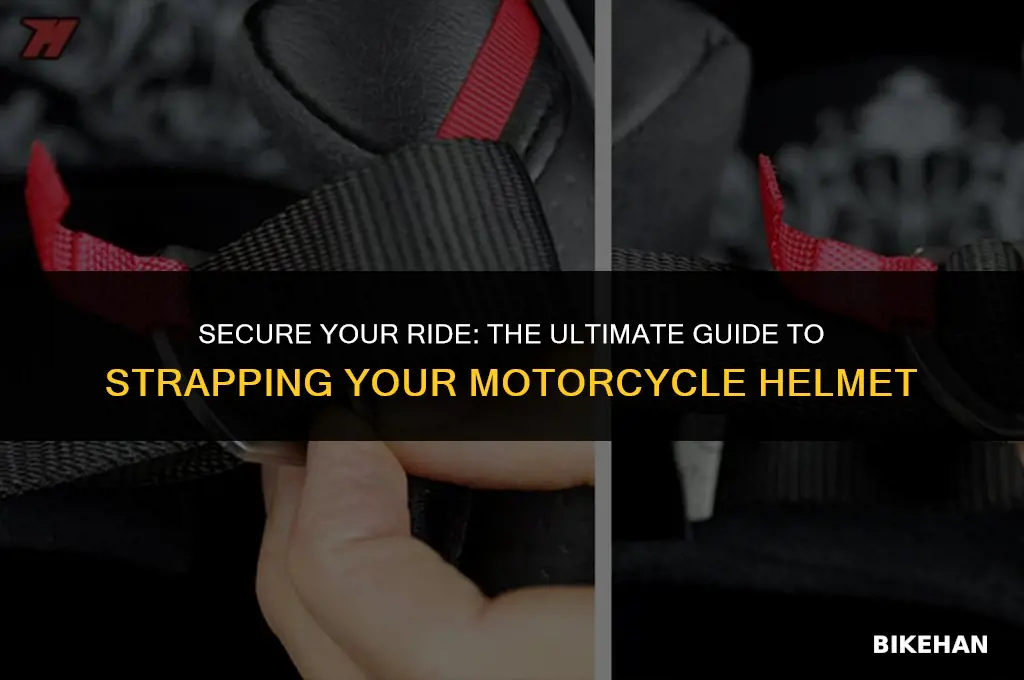
Strapping on a motorcycle helmet is a crucial step in ensuring rider safety. The process involves several key steps: first, position the helmet on your head so that it sits comfortably and securely. Next, locate the chin strap, which typically consists of two ends that need to be fastened together under your chin. Ensure that the strap is snug but not overly tight, allowing for one or two fingers to fit comfortably between the strap and your chin. Finally, secure the strap by fastening the buckle, which often involves a quick-release mechanism for ease of use. It's essential to check that the helmet is properly secured before riding to prevent it from coming off in the event of an accident.
| Characteristics | Values |
|---|---|
| Helmet Type | Full-face, modular, open-face, half-shell, or folding |
| Strap Material | Nylon, polyester, or polypropylene |
| Strap Width | Typically 1 to 1.5 inches |
| Buckle Type | Plastic, metal, or quick-release |
| Adjustment Mechanism | Slider, ratchet, or hook-and-loop |
| Length Adjustment Range | Usually 2 to 4 inches |
| Color Options | Black, brown, tan, or custom colors |
| Thickness | Approximately 0.1 to 0.2 inches |
| Tensile Strength | Varies, but typically 100 to 200 pounds |
| Elasticity | Minimal to moderate, depending on material |
| Comfort Features | Padded, breathable, or moisture-wicking |
| Safety Standards | Meets or exceeds DOT, ECE, or Snell certifications |
| Durability | Resistant to abrasion, UV rays, and weather conditions |
| Attachment Points | Helmet shell, chin bar, or neck roll |
| Replacement Interval | Recommended every 2 to 3 years or after impact |
| Maintenance | Clean with mild soap and water, avoid harsh chemicals |
Explore related products


What You'll Learn
- Choosing the Right Helmet: Select a helmet that fits snugly and meets safety standards
- Positioning the Helmet: Place the helmet on your head so that it sits level and covers the forehead
- Securing the Chin Strap: Fasten the chin strap securely, ensuring it's tight enough to stay in place but not too tight to cause discomfort
- Adjusting the Fit: Use the helmet's adjustment mechanisms to ensure a comfortable and secure fit around your head
- Checking for Proper Fit: Test the helmet's fit by trying to move it side to side and up and down on your head

Choosing the Right Helmet: Select a helmet that fits snugly and meets safety standards
Selecting the right helmet is crucial for motorcycle safety. A helmet that fits snugly and meets safety standards can significantly reduce the risk of head injuries in the event of an accident. To ensure you choose the right helmet, start by measuring your head circumference with a flexible tape measure. This measurement will help you determine the correct helmet size.
Next, look for helmets that meet safety standards set by organizations such as the Department of Transportation (DOT) in the United States or the Economic Commission for Europe (ECE) in Europe. These standards ensure that the helmet has been tested for impact absorption, penetration resistance, and retention system effectiveness.
When trying on helmets, make sure the chin strap fits securely and is adjusted to the correct length. The helmet should sit comfortably on your head without any pressure points, and the interior padding should provide a snug fit. Additionally, the helmet's weight and aerodynamics can affect comfort and stability while riding, so consider these factors as well.
It's also important to choose a helmet that suits your riding style and environment. For example, a full-face helmet offers the most protection but may be less comfortable in hot weather, while an open-face helmet provides better ventilation but less protection. Modular helmets, which can be converted from full-face to open-face, offer a versatile option for different riding conditions.
Finally, remember that a helmet's condition and age can impact its safety. Replace your helmet every five years or sooner if it shows signs of wear or damage. Regularly inspect your helmet for any cracks, dents, or loose components, and ensure that the chin strap and quick-release buckle are in good working order.
By following these guidelines, you can choose a helmet that not only fits well but also provides the necessary protection and comfort for a safe and enjoyable motorcycle riding experience.
Essential Guide to Selecting Your Perfect Motorcycle Helmet
You may want to see also
Explore related products


Positioning the Helmet: Place the helmet on your head so that it sits level and covers the forehead
To ensure optimal safety and comfort, it's crucial to position your motorcycle helmet correctly. Begin by placing the helmet on your head so that it sits level and covers your forehead. This step is vital as it ensures the helmet is aligned properly with your head, providing maximum protection in the event of an accident.
When positioning the helmet, make sure it's snug but not too tight. The helmet should sit comfortably on your head without causing any discomfort or pressure points. If the helmet is too loose, it may shift during a ride or in the event of a crash, compromising its protective capabilities. Conversely, if it's too tight, it can cause headaches or restrict blood flow.
A common mistake when positioning a helmet is tilting it too far forward or backward. The helmet should be level, with the front edge sitting just above your eyebrows. This position ensures that the helmet covers your forehead adequately and provides optimal visibility. Tilting the helmet too far forward can obstruct your vision, while tilting it too far back can leave your forehead exposed.
To check if your helmet is positioned correctly, look in a mirror and ensure that the helmet is level and covers your forehead. You can also ask a friend to check the alignment from the side. Once the helmet is properly positioned, you can proceed to fasten the straps securely.
Remember, proper helmet positioning is a critical aspect of motorcycle safety. By following these guidelines, you can ensure that your helmet is worn correctly, providing you with the best possible protection while riding.
Secure Your Ride: Mastering the Art of Buckling a Motorcycle Helmet
You may want to see also
Explore related products


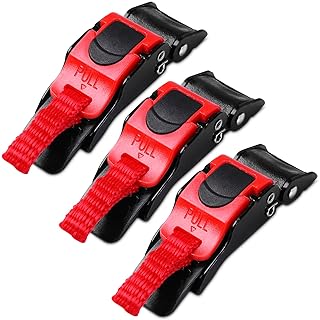


Securing the Chin Strap: Fasten the chin strap securely, ensuring it's tight enough to stay in place but not too tight to cause discomfort
Begin by positioning the chin strap around your jawline, ensuring it sits comfortably without any twists. The strap should lie flat against your skin, providing a secure fit. Next, adjust the tightness by pulling the strap through the buckle until it reaches the desired snugness. A properly secured chin strap should allow for one to two fingers to fit between the strap and your chin, ensuring it's not too tight to restrict blood flow or cause discomfort during your ride.
It's crucial to check the strap's tightness regularly, especially before embarking on a journey. Over time, straps can loosen due to wear and tear or changes in temperature and humidity. Additionally, if you're wearing a balaclava or other headgear beneath your helmet, make sure to adjust the chin strap accordingly to maintain a secure fit.
When fastening the chin strap, avoid over-tightening, as this can lead to discomfort and even skin irritation. If you experience any discomfort or difficulty breathing, loosen the strap slightly until you find a comfortable balance between security and comfort.
Remember, a well-secured chin strap is essential for the overall safety and effectiveness of your motorcycle helmet. It ensures that the helmet remains in place during an accident, providing the necessary protection for your head and face. By following these steps and regularly checking the tightness of your chin strap, you can ensure a safe and comfortable riding experience.
The Lifespan of a Motorcycle Helmet: What You Need to Know
You may want to see also
Explore related products


Adjusting the Fit: Use the helmet's adjustment mechanisms to ensure a comfortable and secure fit around your head
Begin by locating the adjustment mechanisms on your motorcycle helmet. These are typically found on the sides or back of the helmet and may include dials, sliders, or Velcro straps. Familiarize yourself with these components before attempting to adjust the fit.
Next, put on the helmet and ensure that it is positioned correctly on your head. The helmet should sit snugly against your skull, with the front edge resting just above your eyebrows. If the helmet is too far forward or backward, adjust its position accordingly.
Once the helmet is in the correct position, use the adjustment mechanisms to tighten or loosen the fit as needed. Start with the chin strap, ensuring that it is securely fastened and adjusted to fit comfortably under your chin. Then, move on to the other adjustment mechanisms, making small adjustments and checking the fit frequently.
Remember that a properly fitted helmet should not be too tight or too loose. It should stay in place when you move your head, but not cause any discomfort or pressure points. If you experience any issues with the fit, consult the helmet's user manual or seek assistance from a professional.
Finally, it's important to regularly check and adjust the fit of your helmet, as it can become loose over time due to wear and tear or changes in your head shape. By ensuring a comfortable and secure fit, you can help protect yourself from injury in the event of an accident.
Exploring Maryland's Motorcycle Helmet Laws: A Comprehensive Guide
You may want to see also
Explore related products


Checking for Proper Fit: Test the helmet's fit by trying to move it side to side and up and down on your head
To ensure a motorcycle helmet fits properly, it's crucial to perform a series of fit checks. Begin by placing the helmet on your head without fastening the strap. Gently move the helmet from side to side and up and down. If it shifts significantly or feels loose, it's not the right fit. A well-fitted helmet should remain snug against your head, with minimal movement. This test helps to ensure that the helmet will stay securely in place during a ride, providing optimal protection in case of an accident.
Next, check the fit around your jawline. With the helmet still unstrapped, open your mouth wide and move your jaw from side to side. The helmet should not move excessively with your jaw. If it does, you may need to adjust the padding or consider a different helmet size. Proper fit around the jaw is essential for comfort and safety, as it prevents the helmet from sliding off during a crash.
Additionally, pay attention to the fit at the back of your head. The helmet should sit flush against the back of your skull, without any gaps. If you can fit more than one finger between the helmet and the back of your head, it's too loose. Adjust the padding or sizing accordingly to achieve a snug fit. This step is vital for ensuring that the helmet provides adequate protection to the rear of your head.
Finally, once you've achieved a good fit, fasten the strap securely. The strap should be tight enough to prevent the helmet from coming off, but not so tight that it causes discomfort. Make sure the strap is properly adjusted and lies flat against your neck. This final step ensures that the helmet remains in place throughout your ride, providing consistent protection.
Remember, a proper fit is essential for both safety and comfort. Take the time to perform these checks carefully, and don't hesitate to seek assistance from a professional if you're unsure about the fit. A well-fitted helmet can significantly reduce the risk of injury in the event of an accident, making it a critical component of your motorcycle safety gear.
Reviving Old Motorcycle Helmets: Creative Reuse Ideas
You may want to see also


