Megan Blake
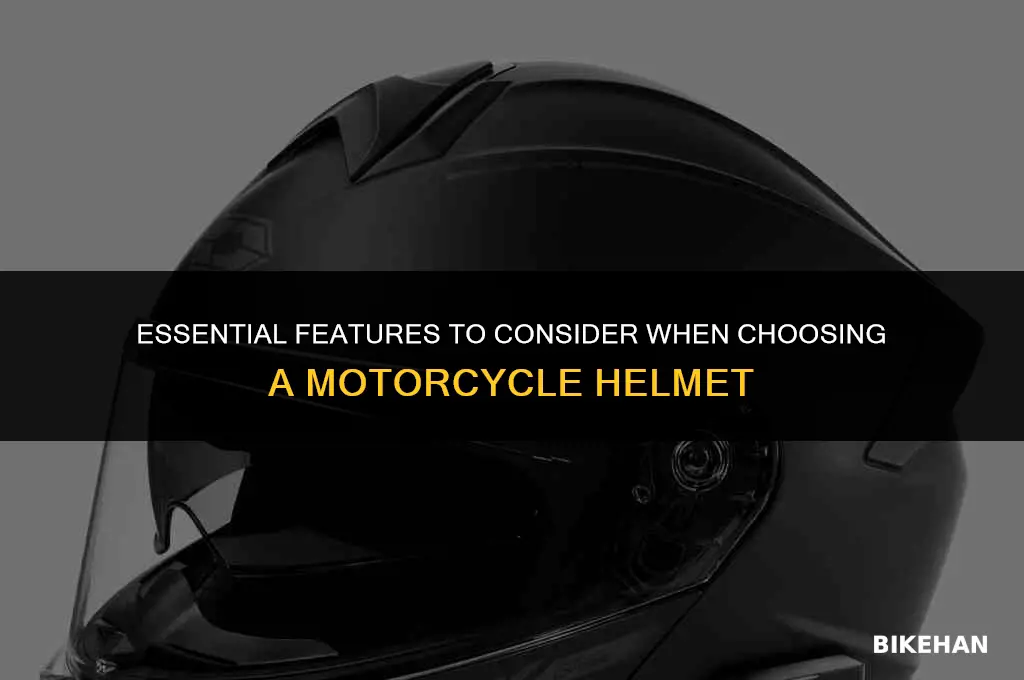
When selecting a motorcycle helmet, safety should be your top priority. Look for helmets that meet or exceed safety standards set by organizations like the Department of Transportation (DOT) or the Snell Memorial Foundation. A good helmet should have a sturdy outer shell, a shock-absorbing inner liner, and a secure chin strap to ensure it stays in place during a crash. Additionally, consider the fit and comfort, as a helmet that is too loose or uncomfortable can compromise safety and riding enjoyment. Ventilation is also important, especially for riders in warmer climates, to prevent fogging and to keep you cool. Finally, think about the helmet's weight and noise level, as these factors can affect your riding experience over long distances.
Explore related products


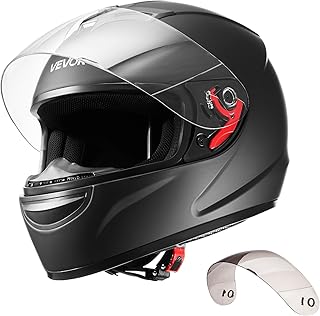
What You'll Learn
- Safety Certifications: Look for helmets that meet safety standards such as DOT, Snell, or ECE
- Fit and Comfort: Ensure the helmet fits snugly without discomfort. Proper fit is crucial for safety
- Material and Construction: High-quality materials like polycarbonate or fiberglass offer better protection and durability
- Ventilation System: Adequate ventilation helps regulate temperature and reduce fogging of the visor
- Visor Quality: A clear, scratch-resistant visor with UV protection is essential for visibility and eye safety

Safety Certifications: Look for helmets that meet safety standards such as DOT, Snell, or ECE
When selecting a motorcycle helmet, one of the most critical factors to consider is safety certification. Helmets that meet recognized safety standards such as DOT, Snell, or ECE have undergone rigorous testing to ensure they provide adequate protection in the event of an accident. These certifications are not just labels; they represent a commitment to quality and safety that can significantly reduce the risk of head injuries.
The Department of Transportation (DOT) certification is a mandatory standard in the United States, ensuring that helmets meet specific criteria for impact absorption, penetration resistance, and retention system effectiveness. Snell certification, on the other hand, is a voluntary standard that goes beyond DOT requirements, offering additional protection against impacts and abrasions. ECE (Economic Commission for Europe) certification is the European equivalent, adhering to strict guidelines for impact testing, retention systems, and field of vision.
To ensure you're getting a helmet that meets these high standards, always look for the certification label inside the helmet. This label will clearly state which standards the helmet complies with, giving you peace of mind that you're investing in a product that has been tested and proven to perform under pressure. Additionally, be wary of counterfeit certifications; genuine labels will have specific details, such as the standard number and the certifying body's logo, that can be verified with a quick online search.
In summary, prioritizing safety certifications when choosing a motorcycle helmet is crucial. Helmets with DOT, Snell, or ECE certifications have been subjected to stringent testing and are designed to provide superior protection. By selecting a certified helmet, you're not only complying with legal requirements but also significantly enhancing your safety on the road.
Riding Free: States Without Motorcycle Helmet Laws
You may want to see also
Explore related products


$101.98 $119.99


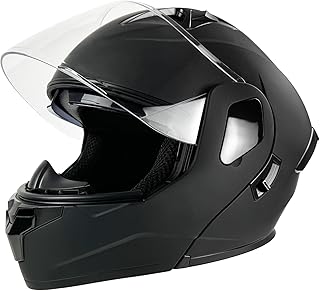
Fit and Comfort: Ensure the helmet fits snugly without discomfort. Proper fit is crucial for safety
A well-fitted motorcycle helmet is essential for rider safety and comfort. To ensure a proper fit, start by measuring your head circumference with a flexible tape measure, positioning it just above your eyebrows and ears. This measurement will help you select the correct helmet size. When trying on helmets, make sure they sit comfortably on your head without any pressure points. The helmet should be snug but not so tight that it causes discomfort or restricts blood flow.
Next, check the fit of the helmet's interior padding. It should conform to the shape of your head, providing a secure and comfortable fit. The padding should not bunch up or shift when you move your head. Additionally, ensure that the helmet's chin strap is properly adjusted. It should be tight enough to keep the helmet in place but not so tight that it causes discomfort or restricts your ability to open your mouth.
When evaluating the comfort of a motorcycle helmet, consider the materials used in its construction. Look for helmets made from breathable, moisture-wicking materials that will help keep you cool and dry during long rides. The helmet's weight is also an important factor, as a lighter helmet will reduce neck strain and fatigue.
Finally, consider the helmet's aerodynamics and noise reduction features. A well-designed helmet will minimize wind noise and reduce air resistance, making for a more comfortable and enjoyable riding experience. By taking these factors into account, you can find a motorcycle helmet that provides both safety and comfort, ensuring a more enjoyable and secure ride.
Exploring the Legality of Motorcycle Helmet Covers: A Comprehensive Guide
You may want to see also
Explore related products


Material and Construction: High-quality materials like polycarbonate or fiberglass offer better protection and durability
Polycarbonate and fiberglass are two of the most durable materials used in the construction of motorcycle helmets. These materials are known for their high impact resistance, which is crucial in protecting riders from head injuries in the event of an accident. Polycarbonate, in particular, is a popular choice for full-face helmets due to its ability to absorb and distribute the force of an impact, reducing the risk of skull fractures. Fiberglass, on the other hand, is often used in open-face helmets, providing a balance between protection and ventilation.
When evaluating the material and construction of a motorcycle helmet, it's essential to consider the manufacturing process as well. Helmets made using a hand-laid fiberglass process tend to be stronger and more durable than those made using a molded polycarbonate process. This is because the hand-laid process allows for more precise control over the placement and orientation of the fiberglass fibers, resulting in a helmet that is better able to withstand impacts from various angles.
In addition to impact resistance, the durability of a helmet's material is also important. High-quality polycarbonate and fiberglass helmets are designed to withstand the elements, including exposure to sunlight, rain, and extreme temperatures. This ensures that the helmet will continue to provide reliable protection over time, even with regular use.
Another factor to consider is the weight of the helmet. While polycarbonate helmets tend to be lighter than fiberglass helmets, advancements in manufacturing technology have made it possible to produce fiberglass helmets that are nearly as light as their polycarbonate counterparts. A lighter helmet can reduce rider fatigue during long rides, making it an important consideration for touring and adventure riders.
Finally, the interior padding and lining of a helmet play a crucial role in both comfort and protection. High-quality helmets feature moisture-wicking, breathable liners that help to keep the rider cool and dry, even in hot and humid conditions. The padding should be snug but not uncomfortable, providing a secure fit that helps to absorb and distribute the force of an impact.
In conclusion, when choosing a motorcycle helmet, it's essential to prioritize material and construction quality. Polycarbonate and fiberglass are two of the best materials available, offering a balance of impact resistance, durability, and weight. By considering the manufacturing process, interior padding, and overall design, riders can find a helmet that provides reliable protection and comfort for years to come.
Georgia's Motorcycle Helmet Law: What You Need to Know
You may want to see also
Explore related products


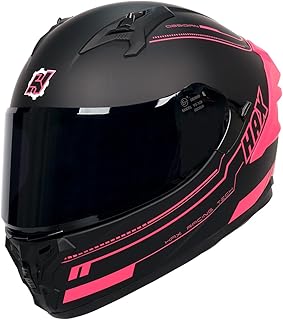


Ventilation System: Adequate ventilation helps regulate temperature and reduce fogging of the visor
Motorcycle helmets with effective ventilation systems are crucial for rider comfort and safety. The primary function of these systems is to regulate temperature, ensuring that the rider's head remains cool during warm weather and warm during cold conditions. This temperature regulation is achieved through a combination of air intake and exhaust vents strategically placed around the helmet.
In addition to temperature control, adequate ventilation significantly reduces visor fogging. Fogging occurs when warm, moist air from the rider's breath condenses on the cooler surface of the visor, impairing visibility. Helmets with well-designed ventilation systems incorporate specific channels and vents to direct airflow across the visor, preventing condensation and maintaining clear vision.
When evaluating a motorcycle helmet's ventilation system, consider the following factors: the number and placement of vents, the ease of adjusting airflow, and the overall design efficiency. Some helmets feature adjustable vents that allow riders to customize airflow based on their needs and preferences. Others have fixed vents that are optimized for specific riding conditions.
It's also important to note that while ventilation is essential, excessive airflow can be detrimental. Helmets should provide a balance between sufficient air circulation and protection from wind noise and debris. Look for helmets that offer this balance, ensuring that the ventilation system enhances comfort without compromising safety.
In conclusion, a well-ventilated motorcycle helmet is a critical component of a rider's gear. It not only improves comfort by regulating temperature but also enhances safety by reducing visor fogging. When selecting a helmet, pay close attention to the ventilation system's design and functionality to ensure it meets your specific riding needs.
Exploring the Versatility of Modular Motorcycle Helmets
You may want to see also
Explore related products


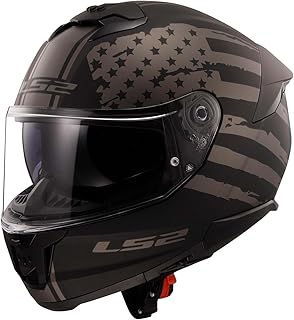


Visor Quality: A clear, scratch-resistant visor with UV protection is essential for visibility and eye safety
A clear, scratch-resistant visor with UV protection is not just a desirable feature in a motorcycle helmet; it's a critical safety component. The visor serves as the primary barrier between the rider's eyes and the external environment, making its quality paramount. A high-quality visor ensures that the rider has unobstructed visibility, which is essential for safe navigation on the road. Scratches or cracks in the visor can distort vision, potentially leading to accidents. Therefore, it's crucial to select a helmet with a visor made from durable, scratch-resistant materials.
UV protection is another vital aspect of visor quality. Prolonged exposure to ultraviolet rays can cause significant eye damage, including cataracts and macular degeneration. A visor with UV protection helps to mitigate these risks by filtering out harmful rays, ensuring that the rider's eyes remain protected even during extended periods on the road. When evaluating a helmet's visor, it's important to verify that it meets the necessary UV protection standards.
In addition to safety, a clear visor also enhances the riding experience by providing a wide field of vision. This allows the rider to better anticipate road conditions and potential hazards, contributing to a safer and more enjoyable ride. Some helmets offer visors with adjustable tints or photochromic technology, which can further improve visibility by reducing glare and adapting to changing light conditions.
When selecting a helmet, it's advisable to inspect the visor for any signs of damage or wear. Even minor scratches can compromise the visor's integrity and the rider's safety. Regular maintenance, such as cleaning the visor with appropriate solutions and storing it properly, can help to prolong its lifespan and ensure optimal performance.
In conclusion, the quality of a motorcycle helmet's visor is a critical factor that should not be overlooked. A clear, scratch-resistant visor with UV protection is essential for both visibility and eye safety, making it a key consideration for any rider looking to invest in a new helmet. By prioritizing visor quality, riders can enhance their safety and overall riding experience.
Texas Motorcycle Helmet Laws: What You Need to Know
You may want to see also
Frequently asked questions
Look for helmets that meet safety standards such as DOT (Department of Transportation), Snell, or ECE (Economic Commission for Europe). These certifications ensure the helmet has undergone rigorous testing for impact resistance and penetration protection.
To determine the right size, measure the circumference of your head using a flexible tape measure, just above your eyebrows and around the fullest part of your head. Compare this measurement to the manufacturer's size chart. Additionally, the helmet should fit snugly but comfortably, with no excessive movement when you shake your head.
For sport riding, a full-face helmet offers the most protection and aerodynamics. For cruising or touring, a modular or open-face helmet provides more comfort and visibility. For off-road riding, a motocross helmet with a visor and extra ventilation is ideal.
Consider features such as a moisture-wicking liner, adjustable ventilation, a quick-release chin strap, and a visor with UV protection. Some helmets also offer Bluetooth connectivity for communication devices, which can be convenient for riders who need to stay connected while on the road.