Megan Blake

When it comes to choosing the right octane for an 80cc 2-stroke bike, it's essential to understand the engine's requirements and the benefits of different octane ratings. Two-stroke engines, like the one in your 80cc bike, are known for their simplicity and power-to-weight ratio. However, they can be more sensitive to fuel quality compared to four-stroke engines. Using the correct octane can help ensure optimal performance, reduce the risk of engine knocking, and prolong the life of your bike. In this guide, we'll explore the factors that influence octane selection and provide recommendations to help you make an informed decision.
Explore related products


What You'll Learn
- Understanding octane ratings and their impact on engine performance
- The specific needs of 80cc 2-stroke engines regarding fuel octane
- How higher octane fuels can prevent engine knocking and improve efficiency?
- The potential benefits and drawbacks of using premium vs. regular gasoline
- Recommendations for selecting the best octane fuel based on engine specifications and usage conditions

Understanding octane ratings and their impact on engine performance
Octane rating is a measure of a fuel's ability to resist 'knocking' or 'pinging' during combustion, caused by the air/fuel mixture detonating prematurely in the engine. Higher octane fuels are more resistant to knocking, making them suitable for high-performance engines that operate under higher compression ratios. For an 80cc 2-stroke bike, understanding octane ratings is crucial to ensure optimal engine performance and longevity.
The impact of octane rating on engine performance is significant. Using a fuel with an octane rating lower than recommended can lead to engine knocking, which can cause damage to the engine's components, such as the pistons and valves. On the other hand, using a fuel with a higher octane rating than necessary can result in wasted fuel and reduced engine efficiency. Therefore, it is essential to choose the right octane rating for your 80cc 2-stroke bike to achieve the best balance between performance and fuel economy.
When selecting the appropriate octane rating for your 80cc 2-stroke bike, it is important to consider the engine's compression ratio and the riding conditions. Bikes with higher compression ratios typically require higher octane fuels to prevent knocking. Additionally, if you frequently ride in hot weather or at high altitudes, you may need to use a higher octane fuel to compensate for the reduced air density and increased risk of knocking.
In general, most 80cc 2-stroke bikes require a minimum octane rating of 87, but some high-performance models may require a higher rating of 91 or 95. It is always best to consult your bike's owner's manual or contact the manufacturer to determine the recommended octane rating for your specific model.
To ensure optimal engine performance, it is also important to maintain your bike regularly and use high-quality fuel. Avoid using fuels that contain ethanol, as they can cause corrosion and damage to the engine's components. Additionally, always store your fuel in a cool, dry place and use it within a reasonable timeframe to prevent degradation.
In conclusion, understanding octane ratings and their impact on engine performance is crucial for maintaining the health and performance of your 80cc 2-stroke bike. By choosing the right octane rating and following proper fuel storage and maintenance practices, you can ensure that your bike runs smoothly and efficiently for years to come.
Pedal Power: Unveiling the Muscles Behind Your Bike Ride
You may want to see also
Explore related products




The specific needs of 80cc 2-stroke engines regarding fuel octane
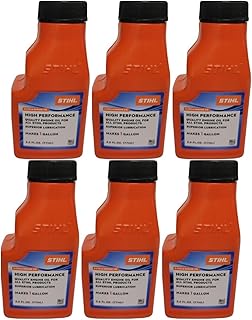
80cc 2-stroke engines have distinct fuel requirements that are critical for optimal performance and longevity. Unlike 4-stroke engines, 2-strokes operate on a different combustion principle, where the fuel-air mixture is ignited in the crankcase, and the exhaust gases are expelled through the exhaust port. This unique process means that 2-stroke engines are more sensitive to fuel quality, particularly octane rating.
The octane rating of fuel is a measure of its ability to resist 'knocking' or 'pinging' during combustion, caused by the air/fuel mixture detonating prematurely in the engine. For 80cc 2-stroke engines, using a fuel with an octane rating of at least 90 is generally recommended. This higher octane fuel helps to prevent knocking, which can lead to engine damage and reduced performance over time.
However, it's important to note that not all 80cc 2-stroke engines require the same octane rating. Some engines, particularly those designed for high-performance applications, may require a higher octane fuel to operate efficiently. It's always best to consult the engine manufacturer's specifications to determine the exact octane rating required for your specific engine.
In addition to octane rating, it's also crucial to use fuel that is specifically formulated for 2-stroke engines. These fuels typically contain additives that help to lubricate the engine's moving parts, as well as detergents that keep the engine clean and free of deposits. Using regular unleaded gasoline in a 2-stroke engine can lead to a buildup of deposits, which can cause the engine to seize or suffer other damage.
When selecting fuel for your 80cc 2-stroke engine, it's important to consider the specific needs of your engine, as well as the conditions in which you'll be operating it. For example, if you'll be riding in hot or high-altitude conditions, you may need to use a fuel with a higher octane rating to prevent knocking. By choosing the right fuel for your engine, you can help to ensure that it runs smoothly and efficiently, and that you get the most out of your riding experience.
Pedal Power: Unveiling the Muscles Engaged in Cycling
You may want to see also
Explore related products


How higher octane fuels can prevent engine knocking and improve efficiency
Higher octane fuels are essential for preventing engine knocking in high-performance engines like those found in 80cc 2-stroke bikes. Engine knocking, also known as pinging, occurs when the air-fuel mixture detonates prematurely in the engine's cylinders. This can lead to reduced power, increased wear and tear, and even engine damage over time. Higher octane fuels have a higher resistance to knocking, which means they can withstand higher compression ratios and temperatures without detonating prematurely. This allows the engine to run more efficiently and produce more power.
In addition to preventing engine knocking, higher octane fuels can also improve efficiency in several ways. First, they allow the engine to run at a higher compression ratio, which increases the amount of energy extracted from each unit of fuel. Second, they enable the engine to use more advanced ignition timing, which can further improve efficiency. Finally, higher octane fuels often contain additives that help to clean the engine and reduce deposits, which can also contribute to improved efficiency.
When choosing an octane rating for an 80cc 2-stroke bike, it's important to consider the engine's design and intended use. For high-performance engines that are designed to run at high compression ratios and RPMs, a higher octane fuel is typically recommended. However, for engines that are designed for more casual use, a lower octane fuel may be sufficient. It's also important to consult the manufacturer's recommendations for the specific engine in question.
In general, the benefits of using a higher octane fuel outweigh the costs for high-performance engines like those found in 80cc 2-stroke bikes. By preventing engine knocking and improving efficiency, higher octane fuels can help to ensure that the engine runs smoothly and reliably, even under demanding conditions.
Choosing the Right Lubricant for Cartridge Bearing Bike Hubs
You may want to see also
Explore related products




The potential benefits and drawbacks of using premium vs. regular gasoline
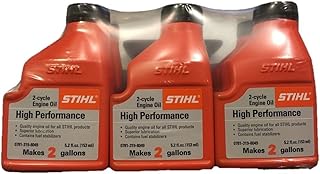
Premium gasoline, often touted for its higher octane rating, can offer several benefits for high-performance engines, including those found in 80cc 2-stroke bikes. One of the primary advantages is its ability to resist engine knocking or pinging, which can occur when the air-fuel mixture detonates prematurely in the engine. This is particularly important for 2-stroke engines, which are more prone to knocking due to their higher compression ratios and the absence of a separate lubrication system. By using premium gasoline, riders can potentially improve engine performance and longevity, as well as reduce the risk of costly repairs.
However, the drawbacks of using premium gasoline should also be considered. One of the most significant disadvantages is the higher cost compared to regular gasoline. This can be a substantial factor for riders who use their bikes frequently or for long distances, as the increased fuel expense can quickly add up. Additionally, premium gasoline may not be as widely available as regular gasoline, which could pose a challenge for riders who need to refuel while traveling or in remote areas.
Another consideration is that the benefits of premium gasoline may not be as pronounced in smaller engines, such as those found in 80cc 2-stroke bikes. While higher octane fuel can help prevent knocking, the performance gains may be minimal in engines that are not subjected to the same levels of stress as larger, high-performance engines. Furthermore, some 2-stroke engines may not require premium gasoline at all, and using regular gasoline could be sufficient for optimal performance.
In conclusion, the decision to use premium vs. regular gasoline in an 80cc 2-stroke bike depends on several factors, including the engine's design, the rider's usage patterns, and the availability and cost of premium fuel. While premium gasoline can offer benefits such as improved performance and reduced knocking, the higher cost and potential availability issues may outweigh these advantages for some riders. Ultimately, it is essential to consult the bike's owner's manual and consider the specific needs of the engine when choosing the appropriate type of gasoline.
Safe Cycling After Tooth Extraction: Tips and Precautions
You may want to see also
Explore related products




Recommendations for selecting the best octane fuel based on engine specifications and usage conditions
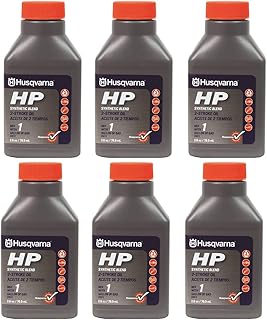
For an 80cc 2-stroke bike, selecting the appropriate octane fuel is crucial to ensure optimal performance and engine longevity. The general recommendation is to use a high-octane fuel, typically in the range of 92 to 95 RON (Research Octane Number). This is because 2-stroke engines are more prone to knocking and pinging, which can be mitigated by higher octane fuels. However, it's essential to consult your bike's owner manual for specific recommendations, as some models may have unique requirements.
When choosing the best octane fuel, consider the engine's compression ratio and the riding conditions. Higher compression ratios generally require higher octane fuels to prevent knocking. Additionally, if you frequently ride in hot weather or at high altitudes, you may need to opt for a slightly higher octane fuel to compensate for the reduced air density and increased risk of engine knocking.
It's also important to note that using a fuel with an octane rating higher than recommended won't necessarily provide any benefits and may even lead to decreased performance. This is because the engine may not be designed to take full advantage of the higher octane fuel, and you may end up wasting money on a more expensive fuel without any tangible benefits.
In summary, for an 80cc 2-stroke bike, it's recommended to use a high-octane fuel in the range of 92 to 95 RON, considering the engine's compression ratio and riding conditions. Always consult your bike's owner manual for specific recommendations and avoid using fuels with octane ratings higher than necessary to prevent potential performance issues and unnecessary expenses.
Pedaling Power: Unveiling the Muscles Engaged on an Upright Bike
You may want to see also
Frequently asked questions
For an 80cc 2-stroke bike, it's generally recommended to use a high-octane fuel, typically 92 octane or higher. This helps prevent engine knocking and ensures optimal performance.
While regular unleaded gasoline (87 octane) might be sufficient for some 80cc 2-stroke bikes, it's generally advisable to use a higher octane fuel to prevent engine knocking and maintain performance.
Using low-octane fuel in a 2-stroke bike can lead to engine knocking, reduced performance, and potential damage to the engine over time.
A higher octane rating helps prevent engine knocking, which can improve performance and efficiency. It also allows the engine to run at higher compression ratios, which can increase power output.
Yes, 2-stroke engines typically require higher octane fuel than 4-stroke engines due to their higher compression ratios and the absence of valves, which makes them more prone to engine knocking.