Megan Blake
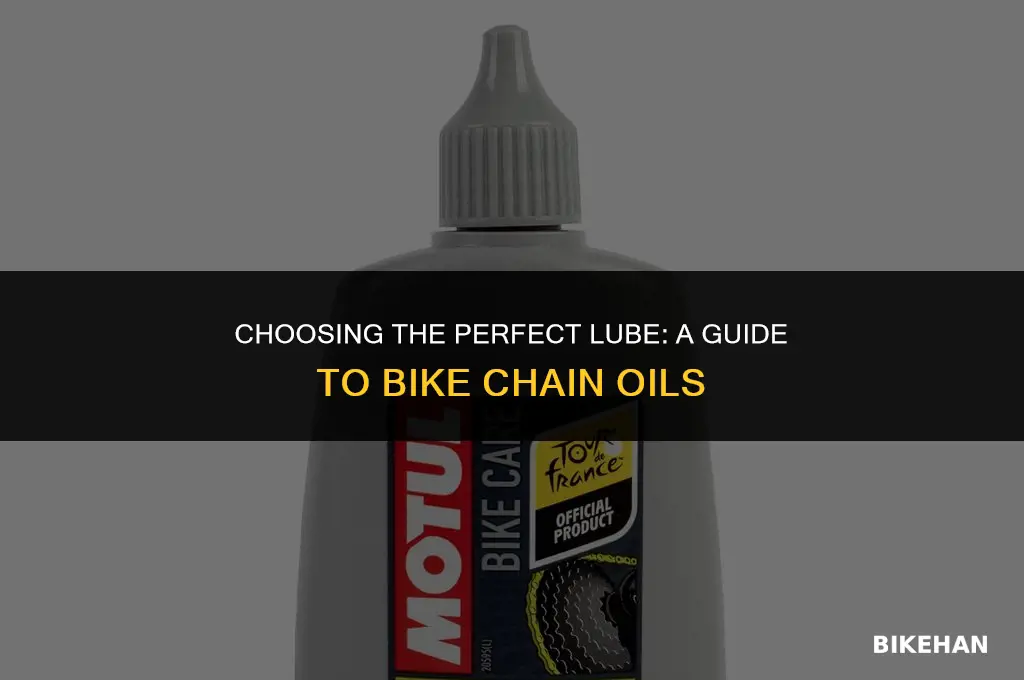
When it comes to maintaining your bike chain, choosing the right lubricant is crucial for ensuring smooth and efficient performance. There are various types of oils and lubricants available, each with its own benefits and drawbacks. For instance, wet lubricants are ideal for riding in wet conditions as they repel water and prevent rust, while dry lubricants are better suited for dry environments as they don't attract dirt and grime. Additionally, some oils are specifically formulated to reduce friction and wear, while others may offer enhanced protection against corrosion. In this guide, we'll explore the different options available and help you determine the best oil for your bike chain based on your riding conditions and preferences.
Explore related products


What You'll Learn
- Lubrication Types: Explore different bike chain lubrication options like wet, dry, and wax-based lubricants
- Environmental Conditions: Consider how weather and riding conditions affect lubricant choice for optimal chain performance
- Chain Material: Understand how different chain materials (e.g., steel, titanium) may require specific lubricants
- Maintenance Frequency: Determine how often to lubricate your bike chain based on usage and environmental factors
- Application Techniques: Learn proper methods for applying lubricant to ensure effective coverage and reduced wear

Lubrication Types: Explore different bike chain lubrication options like wet, dry, and wax-based lubricants
Bike chain lubrication is a critical aspect of bicycle maintenance, and choosing the right type of lubricant can significantly impact the performance and longevity of your chain. Wet lubricants, dry lubricants, and wax-based lubricants are the three primary options available, each with its own set of advantages and disadvantages.
Wet lubricants are typically used in wet or rainy conditions, as they provide a thick, protective layer that repels water and prevents rust. They are also effective at reducing friction and wear on the chain. However, wet lubricants can attract dirt and grime, which can lead to a buildup of debris and ultimately cause the chain to wear out more quickly. It's essential to clean the chain regularly when using wet lubricants to prevent this issue.
Dry lubricants, on the other hand, are designed for use in dry conditions. They provide a thin, dry film that reduces friction and wear without attracting dirt and grime. This makes them a good choice for riding in dusty or dirty environments. However, dry lubricants may not be as effective in wet conditions, as they can wash away quickly.
Wax-based lubricants offer a unique solution that combines the benefits of both wet and dry lubricants. They provide a dry film that repels water and prevents rust, while also reducing friction and wear. Wax-based lubricants are also biodegradable and environmentally friendly, making them a popular choice among cyclists. However, they can be more difficult to apply than other types of lubricants, and they may not be as effective in extremely wet or dirty conditions.
When choosing a lubricant for your bike chain, it's essential to consider the riding conditions you'll be facing. If you'll be riding in wet or rainy conditions, a wet lubricant is likely the best choice. For dry conditions, a dry lubricant or wax-based lubricant may be more appropriate. It's also important to clean your chain regularly, regardless of the type of lubricant you use, to prevent the buildup of dirt and grime.
In conclusion, selecting the right type of bike chain lubricant is crucial for maintaining the performance and longevity of your chain. By understanding the differences between wet, dry, and wax-based lubricants, you can make an informed decision that will help you get the most out of your bike.
Pedal Power: Unveiling the Muscles Engaged During Stationary Bike Workouts
You may want to see also
Explore related products


Environmental Conditions: Consider how weather and riding conditions affect lubricant choice for optimal chain performance
Environmental conditions play a crucial role in determining the optimal lubricant for your bike chain. In wet and muddy conditions, a thicker, more water-resistant lubricant is necessary to prevent the chain from seizing and to ensure smooth operation. These types of lubricants, often labeled as "wet" or "all-weather," contain additives that repel water and provide a protective barrier against moisture.
On the other hand, in dry and dusty conditions, a lighter, more penetrating lubricant is preferable. These lubricants, typically referred to as "dry" or "dusty," are designed to soak into the chain's rollers and pins, providing long-lasting lubrication without attracting dirt and grime. They often contain wax or other dry film lubricants that create a protective coating on the chain's surface.
Temperature also affects lubricant choice. In cold conditions, a lubricant with a lower viscosity is necessary to ensure that the chain operates smoothly. These lubricants, often labeled as "winter" or "cold weather," are formulated to remain fluid in low temperatures, preventing the chain from becoming sluggish or seizing.
In hot conditions, a lubricant with a higher viscosity is required to prevent the chain from drying out and to ensure adequate lubrication. These lubricants, typically referred to as "summer" or "high temperature," are designed to withstand high heat without breaking down or evaporating.
Altitude can also impact lubricant choice. At high altitudes, where the air is thinner and drier, a lubricant with a higher viscosity is necessary to prevent the chain from drying out. These lubricants, often labeled as "high altitude," are formulated to provide a thicker, more protective coating on the chain's surface.
Ultimately, the key to choosing the right lubricant for your bike chain is to consider the specific environmental conditions you'll be riding in. By selecting a lubricant that's tailored to these conditions, you can ensure optimal chain performance and prolong the life of your bike.
Exploring the Unique Window Piston Engine in Motorized Bikes
You may want to see also
Explore related products




Chain Material: Understand how different chain materials (e.g., steel, titanium) may require specific lubricants
The choice of lubricant for your bike chain is intricately linked to the material of the chain itself. Different chain materials, such as steel, titanium, or nickel-plated steel, have unique properties that influence their compatibility with certain lubricants. For instance, steel chains, which are the most common type, are prone to rust and corrosion. Therefore, a lubricant with rust-inhibiting properties would be ideal. On the other hand, titanium chains are lighter and more resistant to corrosion, but they can be more susceptible to wear from abrasive particles in the lubricant. Hence, a smoother, less viscous lubricant might be preferable for titanium chains.
When selecting a lubricant for a steel chain, it's important to consider the environmental conditions in which the bike will be ridden. If the bike is frequently used in wet or humid conditions, a wet lube designed to repel water and prevent rust would be beneficial. These lubricants typically contain additives that form a protective film on the chain, shielding it from moisture and corrosive elements. In contrast, for dry conditions, a dry lube would be more appropriate. Dry lubes leave a thin, waxy film that reduces friction without attracting dirt and grime, which can lead to premature wear.
For titanium chains, the focus should be on reducing friction and wear without compromising the chain's natural corrosion resistance. A lubricant with a high penetration ability, such as a wax-based lube, can be effective in this regard. These lubricants can seep into the rollers and pins of the chain, providing long-lasting lubrication and reducing the need for frequent reapplication. However, it's crucial to avoid over-lubrication, as excess lubricant can attract dirt and lead to a buildup of grime, which can accelerate wear.
In summary, understanding the specific needs of your chain material is key to selecting the right lubricant. For steel chains, consider the environmental conditions and choose a lubricant with appropriate protective properties. For titanium chains, focus on reducing friction and wear with a lubricant that has good penetration ability and is less likely to attract dirt. By tailoring your lubricant choice to the chain material, you can ensure optimal performance and longevity for your bike chain.
Unveiling the Secret: Which Keiser Spin Bike Model Powers LA Fitness?
You may want to see also
Explore related products

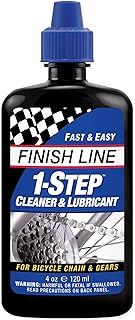
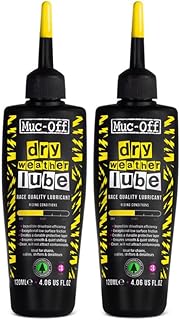
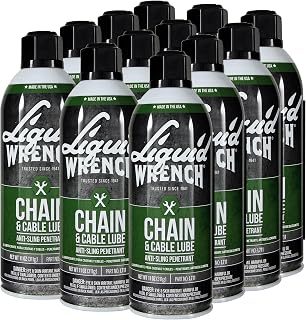
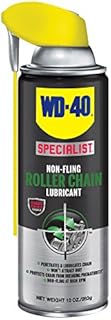

Maintenance Frequency: Determine how often to lubricate your bike chain based on usage and environmental factors
To determine the optimal maintenance frequency for lubricating your bike chain, it's essential to consider both usage patterns and environmental conditions. For instance, if you frequently ride in wet or muddy conditions, your chain will require more frequent lubrication to prevent rust and maintain smooth operation. Similarly, high-mileage riders or those who often ride in dusty or sandy environments should also prioritize regular chain maintenance.
A general rule of thumb is to lubricate your bike chain every 100-200 miles, depending on the factors mentioned above. However, this can vary significantly based on individual riding habits and conditions. For example, a cyclist who rides 50 miles a day in dry conditions may only need to lubricate their chain once a week, while someone who rides 10 miles a day in rainy conditions might need to do so every other day.
To determine the right frequency for your specific needs, start by monitoring your chain's condition closely. Look for signs of wear, such as rust, dirt buildup, or dry spots. If you notice any of these issues, it's likely time to lubricate your chain. Additionally, pay attention to how your bike feels when you're riding. If you hear squeaking or feel resistance, it may be an indication that your chain needs attention.
Remember that over-lubrication can be just as problematic as under-lubrication. Excess lubricant can attract dirt and debris, leading to a buildup of grime that can wear down your chain and other components. To avoid this, use a small amount of lubricant and wipe off any excess with a clean rag.
In conclusion, maintaining your bike chain is crucial for ensuring smooth and efficient rides. By considering your riding habits and environmental conditions, you can determine the optimal lubrication frequency to keep your chain in top condition. Regular monitoring and adjustment of your maintenance routine will help prolong the life of your chain and improve your overall cycling experience.
Exploring the Optimal Mix for X1 Pocket Bike Performance
You may want to see also
Explore related products

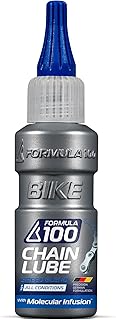


Application Techniques: Learn proper methods for applying lubricant to ensure effective coverage and reduced wear
To ensure optimal performance and longevity of your bike chain, mastering the correct application techniques for lubricant is crucial. Start by thoroughly cleaning the chain to remove any dirt, grime, or old lubricant. This can be done using a chain cleaning device or by wiping the chain with a clean rag soaked in degreaser. Once the chain is clean and dry, it's ready for lubrication.
When applying lubricant, it's important to do so sparingly and evenly. Over-lubrication can attract dirt and lead to a buildup of grime, while under-lubrication can result in increased wear and friction. A good rule of thumb is to apply a small amount of lubricant to each roller of the chain while slowly rotating the pedals backwards. This ensures that the lubricant penetrates the rollers and pins, providing effective coverage.
After applying the lubricant, allow it to sit for a few minutes to penetrate the chain thoroughly. Then, wipe off any excess lubricant with a clean rag. This step is important to prevent the buildup of grime and to ensure that the lubricant is evenly distributed throughout the chain.
It's also important to consider the type of lubricant you're using. There are various types of bike chain lubricants available, including wet, dry, and wax-based lubricants. Each type has its own advantages and disadvantages, and the best choice for your bike will depend on the riding conditions and your personal preferences.
Regular maintenance is key to keeping your bike chain in good condition. Aim to clean and lubricate your chain every 100-200 miles, or more frequently if you ride in wet or dirty conditions. By following these application techniques and maintaining a regular cleaning and lubrication schedule, you can ensure that your bike chain performs optimally and lasts for a long time.
Pedaling Power: Unveiling the Muscles Engaged on an Upright Bike
You may want to see also
Frequently asked questions
For most bike chains, a light machine oil or a specific bicycle chain lubricant is recommended. These oils are designed to penetrate the rollers and pins of the chain, providing smooth lubrication without attracting excessive dirt.
It's not advisable to use motor oil on your bike chain. Motor oils are typically too thick and can cause the chain to attract more dirt, leading to increased wear and a buildup of grime.
The frequency of lubrication depends on the conditions in which you ride. In dry conditions, you might need to lubricate your chain every 100-200 miles. In wet or muddy conditions, more frequent lubrication may be necessary to prevent rust and maintain smooth operation.
If your bike chain is making noise, feels rough when pedaling, or shows signs of rust or excessive wear, it's likely time to lubricate it. Regular maintenance can help prevent these issues and extend the life of your chain.
Yes, it's important to clean your bike chain before applying new oil. This ensures that the new lubricant can penetrate the chain effectively and that you're not trapping dirt and debris, which can cause premature wear.