 Ryan Cole
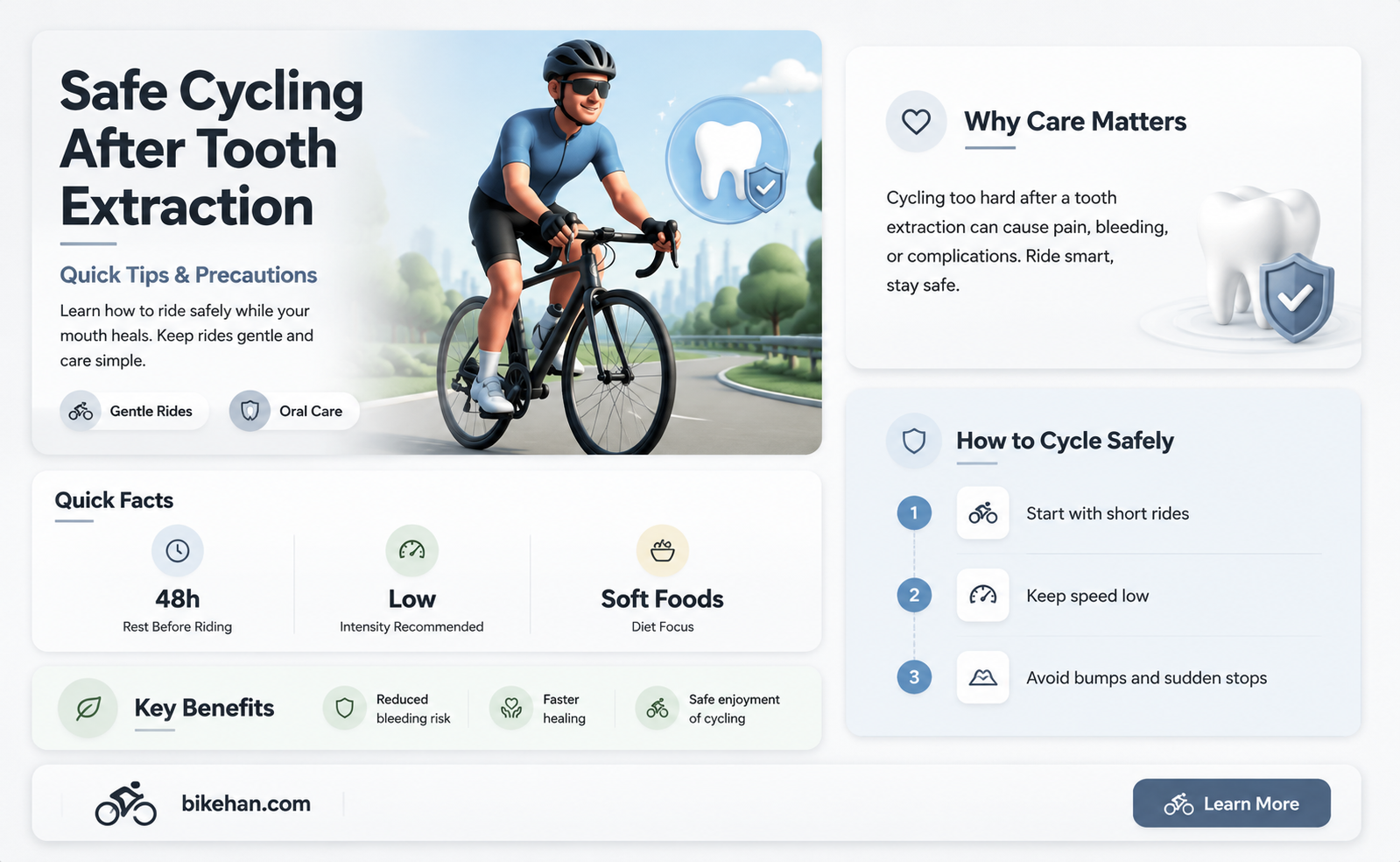
After undergoing a tooth extraction, it's crucial to allow your body time to heal properly. While biking is generally a healthy activity, it may not be advisable immediately following dental surgery. The physical exertion and potential for jostling could dislodge the blood clot that forms in the socket, leading to complications like dry socket. It's typically recommended to avoid strenuous activities, including biking, for at least 24 to 48 hours after a tooth extraction. However, it's always best to consult with your dentist or oral surgeon for personalized advice based on your specific situation and the complexity of the extraction procedure.
Explore related products


What You'll Learn
- Immediate Post-Extraction Care: Recommendations for the first 24 hours, including avoiding strenuous activities
- Pain Management: Strategies to handle discomfort, such as over-the-counter pain relievers and cold compresses
- Oral Hygiene: Tips for maintaining mouth cleanliness without disturbing the extraction site, like gentle brushing
- Dietary Restrictions: Guidelines on what to eat and avoid, focusing on soft foods and hydration
- Resuming Exercise: Advice on when it's safe to start biking again, considering factors like healing time and physical readiness

Immediate Post-Extraction Care: Recommendations for the first 24 hours, including avoiding strenuous activities
The first 24 hours following a tooth extraction are critical for ensuring proper healing and minimizing complications. During this period, it is essential to avoid strenuous activities, including biking, to prevent excessive bleeding and potential damage to the extraction site. Engaging in such activities can increase blood pressure and heart rate, which may dislodge the blood clot that forms in the socket, leading to a condition known as dry socket.
Instead, patients should focus on rest and gentle care. This includes avoiding hard or chewy foods that could irritate the extraction site, as well as refraining from using straws or engaging in activities that involve sucking or blowing, as these can also dislodge the blood clot. It is recommended to stick to soft, easy-to-chew foods and to drink plenty of water to stay hydrated.
In terms of oral hygiene, patients should continue to brush their teeth gently, avoiding the extraction site, and use an antiseptic mouthwash as directed by their dentist. It is also important to keep the extraction site clean by rinsing with warm salt water several times a day. This can help to reduce swelling and prevent infection.
Pain management is another crucial aspect of post-extraction care. Patients should follow their dentist's instructions regarding pain medication, which may include over-the-counter pain relievers or prescription medications. It is important to take these medications as directed and to contact the dentist if pain persists or worsens.
Finally, patients should attend any scheduled follow-up appointments with their dentist to ensure that the extraction site is healing properly and to address any concerns or complications that may arise. By following these recommendations, patients can promote a smooth and uneventful recovery from tooth extraction.
Gearing Up: The Impact of Tooth Count on Bike Performance
You may want to see also
Explore related products


Pain Management: Strategies to handle discomfort, such as over-the-counter pain relievers and cold compresses
Managing pain after a tooth extraction is crucial for comfort and to prevent complications. Over-the-counter pain relievers such as ibuprofen (Advil, Motrin) or acetaminophen (Tylenol) can be effective in reducing discomfort. It's important to follow the recommended dosage and consult with a healthcare professional if you have any underlying health conditions or are taking other medications.
In addition to medication, applying a cold compress to the affected area can help reduce swelling and numb pain. Wrap a few ice cubes in a thin cloth and apply it to the outside of your cheek for 15-20 minutes at a time, with breaks in between to allow the skin to return to its normal temperature. This can be done several times a day as needed.
Another strategy is to use a topical anesthetic such as benzocaine (Orajel) on the gums around the extraction site. This can provide temporary relief from pain and discomfort. However, be cautious not to overuse these products, as they can cause side effects such as allergic reactions or numbness that may last longer than intended.
It's also important to avoid activities that may exacerbate pain or delay healing, such as biking, which can cause vibrations and pressure changes in the mouth. Instead, opt for gentle activities that promote relaxation and allow your body to recover. Remember to stay hydrated and eat soft, nutritious foods to support the healing process.
Lastly, if pain persists or worsens after a few days, it's essential to contact your dentist or oral surgeon. They may need to adjust your pain management plan or address any underlying issues that are causing the discomfort. Don't hesitate to reach out if you have any concerns or questions about your recovery.
Post-Extraction Cycling: When Is It Safe to Ride Again?
You may want to see also
Explore related products


Oral Hygiene: Tips for maintaining mouth cleanliness without disturbing the extraction site, like gentle brushing
Maintaining oral hygiene after a tooth extraction is crucial to prevent infection and promote healing. One effective tip is to use a soft-bristled toothbrush to gently clean the teeth surrounding the extraction site. This helps remove plaque and food particles without disturbing the healing process. It's important to avoid brushing directly on the extraction site for the first few days to prevent irritation.
Another useful practice is to rinse your mouth with a mild antiseptic mouthwash, such as chlorhexidine, as directed by your dentist. This can help reduce bacteria in the mouth and minimize the risk of infection. Be sure to follow the recommended usage instructions and avoid swallowing the mouthwash.
In addition to brushing and rinsing, it's essential to maintain a balanced diet and stay hydrated. Eating soft, nutritious foods and drinking plenty of water can help keep your mouth clean and support the healing process. Avoid consuming hard, sticky, or spicy foods that could irritate the extraction site or dislodge the blood clot.
Regular dental check-ups are also important for monitoring the healing process and ensuring proper oral hygiene. Your dentist may recommend additional cleaning methods or products based on your individual needs. By following these tips and maintaining good oral hygiene practices, you can help ensure a smooth and healthy recovery after a tooth extraction.
Understanding Shark Toothing on Bikes: A Comprehensive Guide
You may want to see also
Explore related products


Dietary Restrictions: Guidelines on what to eat and avoid, focusing on soft foods and hydration
After a tooth extraction, it's crucial to follow specific dietary guidelines to ensure proper healing and minimize discomfort. Soft foods are generally recommended during the initial recovery period, typically the first 24 to 48 hours. These include items like mashed potatoes, applesauce, yogurt, and pureed soups. It's important to avoid hard, crunchy, or chewy foods that could dislodge the blood clot or cause irritation to the extraction site.
Hydration is also key, but it's essential to drink carefully. Sip water slowly and avoid using a straw, as the suction can disturb the clot. Warm beverages like tea can be soothing, but ensure they are not too hot, which could cause burns or discomfort. Avoid carbonated drinks, alcohol, and tobacco, as these can interfere with the healing process and increase the risk of complications.
As you progress in your recovery, you can gradually introduce more solid foods, but continue to avoid anything that could potentially harm the extraction site. It's also important to maintain good oral hygiene by gently rinsing your mouth with warm salt water and brushing your teeth carefully, avoiding the extraction area.
Remember, these dietary restrictions are temporary and are designed to support your body's natural healing process. By following these guidelines, you can help ensure a smooth and complication-free recovery after your tooth extraction.
Resuming Exercise: Advice on when it's safe to start biking again, considering factors like healing time and physical readiness
After a tooth extraction, it's crucial to allow your body adequate time to heal before resuming strenuous activities like biking. Generally, a simple tooth extraction requires about 7-10 days of recovery time. However, if you've had a more complex procedure, such as the removal of wisdom teeth or multiple teeth, you may need to wait up to two weeks or more. It's essential to follow your dentist's specific instructions regarding recovery time and any necessary medications.
Before getting back on your bike, assess your physical readiness. You should be free from pain, fever, and excessive bleeding. Additionally, ensure that you have full range of motion in your jaw and that any swelling has subsided. If you're unsure about your readiness, consult with your dentist or healthcare provider.
When you do start biking again, begin with short, gentle rides to test your endurance and comfort level. Gradually increase the intensity and duration of your rides as you feel more comfortable. Be mindful of any lingering discomfort or pain, and adjust your activity level accordingly.
It's also important to consider the impact of biking on your oral health. Avoid eating or drinking anything while biking, as this can increase the risk of infection or damage to the extraction site. Additionally, be cautious of any debris or dust that may enter your mouth while biking, as this can also pose a risk to your healing gums.
In summary, resuming biking after a tooth extraction requires careful consideration of your healing time and physical readiness. By following your dentist's instructions, assessing your condition, and gradually easing back into your biking routine, you can minimize the risk of complications and ensure a safe and healthy recovery.
Frequently asked questions
It's generally recommended to avoid strenuous activities, including biking, for at least 24-48 hours after tooth extraction to allow for proper healing and to minimize the risk of complications.
Biking after tooth extraction can increase the risk of bleeding, swelling, and infection. It can also dislodge the blood clot that forms in the socket, leading to a condition known as dry socket.
It's best to wait for at least 24-48 hours before engaging in biking or any other strenuous activity after tooth extraction. This allows the extraction site to heal properly and reduces the risk of complications.
If biking is unavoidable, it's important to take precautions such as avoiding bumpy roads, not exerting too much force, and keeping your head elevated to minimize blood flow to the extraction site. Additionally, consult with your dentist or oral surgeon for personalized advice.
