Megan Blake
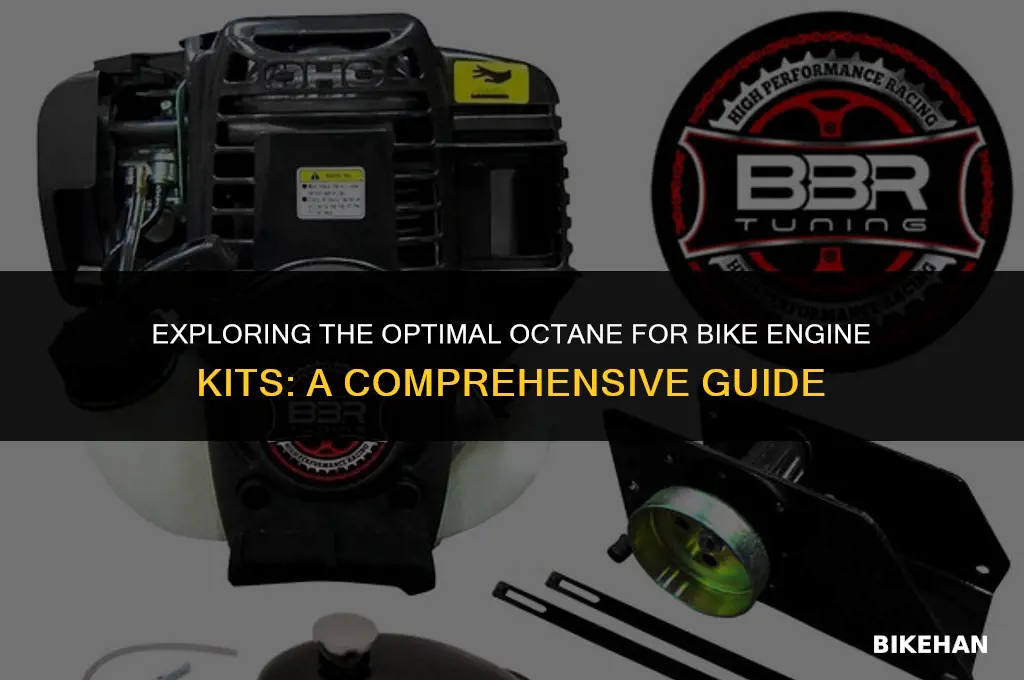
When it comes to bike engine kits, one of the key considerations is the octane rating of the fuel they use. Octane rating is a measure of a fuel's ability to resist 'knocking' or 'pinging' during combustion, caused by the air/fuel mixture detonating prematurely in the engine. High-octane fuels are typically used in high-performance engines that require higher compression ratios to operate efficiently. Bike engine kits, which are designed to convert a bicycle into a motorized vehicle, often have specific octane requirements to ensure optimal performance and longevity of the engine. Understanding these requirements is crucial for anyone looking to build or maintain a motorized bicycle, as using the wrong type of fuel can lead to engine damage or reduced efficiency.
Explore related products




What You'll Learn

Understanding octane ratings and their impact on engine performance
Octane ratings are a critical factor in understanding the performance and efficiency of engines, particularly in the context of bike engine kits. These ratings indicate the fuel's ability to resist 'knocking' or 'pinging' during combustion, caused by the air/fuel mixture detonating prematurely in the engine. Higher octane fuels, such as those rated at 95 or 98, are typically used in high-performance engines that require higher compression ratios to achieve greater power output. Conversely, lower octane fuels, like those rated at 87 or 91, are more suitable for standard engines with lower compression ratios.
In the realm of bike engine kits, the choice of octane can significantly impact the engine's performance. Kits designed for high-performance applications often require higher octane fuels to operate efficiently and to prevent engine damage. This is because these kits usually have higher compression ratios and more aggressive ignition timing, which can lead to increased knocking if lower octane fuels are used. On the other hand, standard or entry-level bike engine kits may be designed to operate on lower octane fuels, making them more accessible and cost-effective for a wider range of users.
Understanding the octane requirements of a specific bike engine kit is essential for maintaining optimal performance and preventing potential engine issues. Using a fuel with an octane rating lower than recommended can lead to knocking, which not only reduces engine efficiency but can also cause long-term damage. Conversely, using a fuel with a higher octane rating than necessary may not provide any additional benefits and could be a waste of money.
To determine the appropriate octane rating for a bike engine kit, one should refer to the manufacturer's specifications. These specifications will typically indicate the minimum octane rating required for the engine to operate safely and efficiently. In some cases, the manufacturer may also provide recommendations for optimal performance, which may involve using a higher octane fuel.
In conclusion, octane ratings play a crucial role in the performance and longevity of bike engine kits. By understanding the octane requirements of a specific kit and choosing the appropriate fuel, users can ensure that their engines operate at peak efficiency and avoid potential damage caused by knocking.
Pedal Power: Unveiling the Muscles Engaged on a Spin Bike
You may want to see also
Explore related products


Common octane levels used in motorcycle engines
Motorcycle engines, particularly those designed for high performance, often require higher octane fuel to operate efficiently and prevent engine knocking. Common octane levels for motorcycle engines range from 91 to 95 RON (Research Octane Number). The specific octane requirement can vary depending on the engine's compression ratio, fuel injection system, and the presence of any performance modifications.
For instance, stock engines with lower compression ratios may perform adequately on 91 octane fuel, while high-compression engines or those with aggressive tuning may necessitate 95 octane or higher to prevent pinging and ensure optimal performance. It's crucial to consult the manufacturer's recommendations for the appropriate octane level for a specific motorcycle engine to avoid potential damage and maintain warranty validity.
In some cases, motorcycle enthusiasts may opt for premium fuels with additives that provide additional benefits such as improved fuel system cleanliness and reduced engine wear. These fuels often have higher octane ratings and can offer enhanced performance and longevity for the engine. However, it's essential to weigh the benefits against the increased cost and ensure that the fuel meets the engine's specific requirements.
When selecting an octane level for a motorcycle engine, it's also important to consider the riding conditions and the type of riding the motorcycle will be subjected to. For example, engines that are frequently ridden at high altitudes or in hot climates may benefit from higher octane fuels to compensate for the reduced air density and increased engine stress. Conversely, engines that are primarily used for city commuting or light touring may not require the same high octane levels as those used for racing or aggressive riding.
Ultimately, understanding the octane requirements of a motorcycle engine is crucial for maintaining its performance, reliability, and longevity. By selecting the appropriate octane level based on the engine's specifications and riding conditions, motorcycle owners can ensure that their engines operate efficiently and avoid potential damage caused by engine knocking or pinging.
Exploring the Lightweight Materials Behind Sport Bike Fairings
You may want to see also
Explore related products
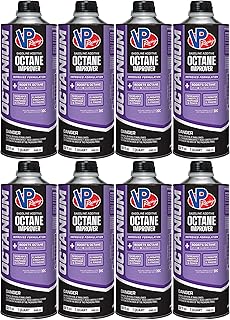


How octane affects combustion and engine efficiency
Octane is a critical factor in the performance of internal combustion engines, including those found in bike engine kits. It is a measure of a fuel's ability to resist 'knocking' or 'pinging' during combustion, caused by the air/fuel mixture detonating prematurely in the engine. Higher octane fuels are more resistant to knocking, which allows engines to run more efficiently and produce more power.
In the context of bike engine kits, which often have smaller displacement engines and higher compression ratios, the choice of octane can be particularly important. These engines are more prone to knocking due to their design, and using a higher octane fuel can help mitigate this issue. However, it's also important to note that using a higher octane fuel than the engine requires can be wasteful and may not provide any additional benefits.
The efficiency of an engine is directly related to its ability to convert the energy stored in fuel into mechanical work. When an engine knocks, it is essentially wasting some of this energy, which can lead to decreased efficiency and power output. By using a fuel with an appropriate octane rating, bike engine kits can run more smoothly and efficiently, which can translate to better performance and potentially longer engine life.
In practice, bike engine kit manufacturers will often specify the minimum octane rating required for their engines. It's important for users to adhere to these recommendations to ensure optimal performance and avoid potential damage to the engine. In some cases, users may choose to use a higher octane fuel than recommended if they are looking to maximize performance, but this should be done with caution and an understanding of the potential risks and benefits.
Overall, the choice of octane is an important consideration for bike engine kits, as it can have a significant impact on engine performance and efficiency. By understanding how octane affects combustion and engine efficiency, users can make informed decisions about the type of fuel to use in their bike engine kits.
Unfolding the Secrets: Materials Behind Foldable Bikes
You may want to see also
Explore related products


Choosing the right octane for your motorcycle engine kit
Motorcycle engine kits often require a specific octane rating to operate efficiently and safely. The octane rating is a measure of a fuel's ability to resist 'knocking' or 'pinging' during combustion, caused by the air/fuel mixture detonating prematurely in the engine. For motorcycle engine kits, choosing the right octane is crucial to prevent engine damage and ensure optimal performance.
To determine the correct octane for your motorcycle engine kit, you should first consult the manufacturer's recommendations. These can usually be found in the engine kit's manual or on the manufacturer's website. The recommended octane rating will depend on the engine's compression ratio, as higher compression engines typically require higher octane fuel to prevent knocking.
In general, motorcycle engine kits tend to require higher octane fuel than standard gasoline. This is because motorcycles often have higher compression ratios than cars, which makes them more susceptible to engine knocking. Common octane ratings for motorcycle engine kits range from 91 to 95 RON (Research Octane Number), although some high-performance kits may require even higher octane fuel.
It's important to note that using a lower octane fuel than recommended can lead to engine damage, while using a higher octane fuel may not provide any significant benefits. Therefore, it's crucial to choose the right octane fuel for your specific engine kit to ensure safe and efficient operation.
When selecting an octane rating, it's also important to consider the type of riding you'll be doing. For example, if you'll be riding at high altitudes or in hot weather conditions, you may need to use a higher octane fuel to prevent knocking. Additionally, if you'll be using your motorcycle for racing or other high-performance applications, you may need to use a higher octane fuel to maximize engine performance.
In conclusion, choosing the right octane for your motorcycle engine kit is essential for safe and efficient operation. By consulting the manufacturer's recommendations and considering factors such as compression ratio and riding conditions, you can select the appropriate octane rating to ensure optimal performance and prevent engine damage.
Pedaling Through the City: Unveiling Citi Bike's Preferred Make
You may want to see also
Explore related products


Potential consequences of using the wrong octane rating
Using the wrong octane rating in a bike engine kit can lead to several potential consequences, impacting both the performance and longevity of the engine. One of the primary issues is engine knocking, which occurs when the fuel-air mixture detonates prematurely in the combustion chamber. This can cause a knocking or pinging sound and may result in reduced power output and efficiency. Over time, persistent knocking can lead to damage to the engine's internal components, such as the pistons, rings, and cylinder walls.
Another consequence of using the wrong octane rating is the risk of engine stalling or misfiring. If the octane rating is too low, the engine may struggle to maintain a consistent combustion process, leading to erratic performance and potential stalling. This can be particularly problematic in situations where the rider needs to maintain a steady speed or navigate through traffic.
Furthermore, using an octane rating that is too high can also have negative effects. While higher octane fuels are designed to resist knocking, they may not be necessary for all bike engine kits. Using a higher octane fuel than required can result in wasted fuel and increased emissions, as the engine may not be able to fully utilize the higher-grade fuel. This can lead to environmental concerns and reduced fuel efficiency.
To avoid these potential consequences, it is crucial for bike engine kit users to understand the octane rating requirements of their specific engine. This information can typically be found in the engine's user manual or by consulting with the manufacturer. By using the correct octane rating, riders can ensure optimal engine performance, reduce the risk of damage, and maintain fuel efficiency.
In summary, the potential consequences of using the wrong octane rating in a bike engine kit include engine knocking, stalling or misfiring, and wasted fuel or increased emissions. To mitigate these risks, it is essential for users to familiarize themselves with their engine's octane rating requirements and use the appropriate fuel grade.
Best Motorcycles for Farm and Ranch Work: A Comprehensive Guide
You may want to see also
Frequently asked questions
Bike engine kits typically use regular unleaded gasoline with an octane rating of 87 to 91.
Yes, you can use premium gasoline with a higher octane rating, such as 93 or 95, in your bike engine kit. However, it may not provide any significant performance benefits over regular unleaded gasoline.
Using gasoline with a lower octane rating than recommended can lead to engine knocking or pinging, which can damage the engine over time. It's best to use the recommended octane rating for optimal performance and engine longevity.
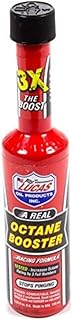
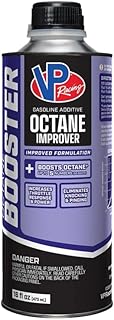
Bike engine kits do not typically require any special additives in the gasoline. However, some riders may choose to use fuel stabilizers or octane boosters to improve performance or prevent fuel degradation during storage.
The octane rating of gasoline affects the performance of a bike engine kit by determining how quickly the fuel ignites in the engine. Higher octane gasoline ignites more slowly, which can provide better performance and prevent engine knocking or pinging. However, the performance benefits of higher octane gasoline may not be significant in most bike engine kits.