Lauren Kennedy
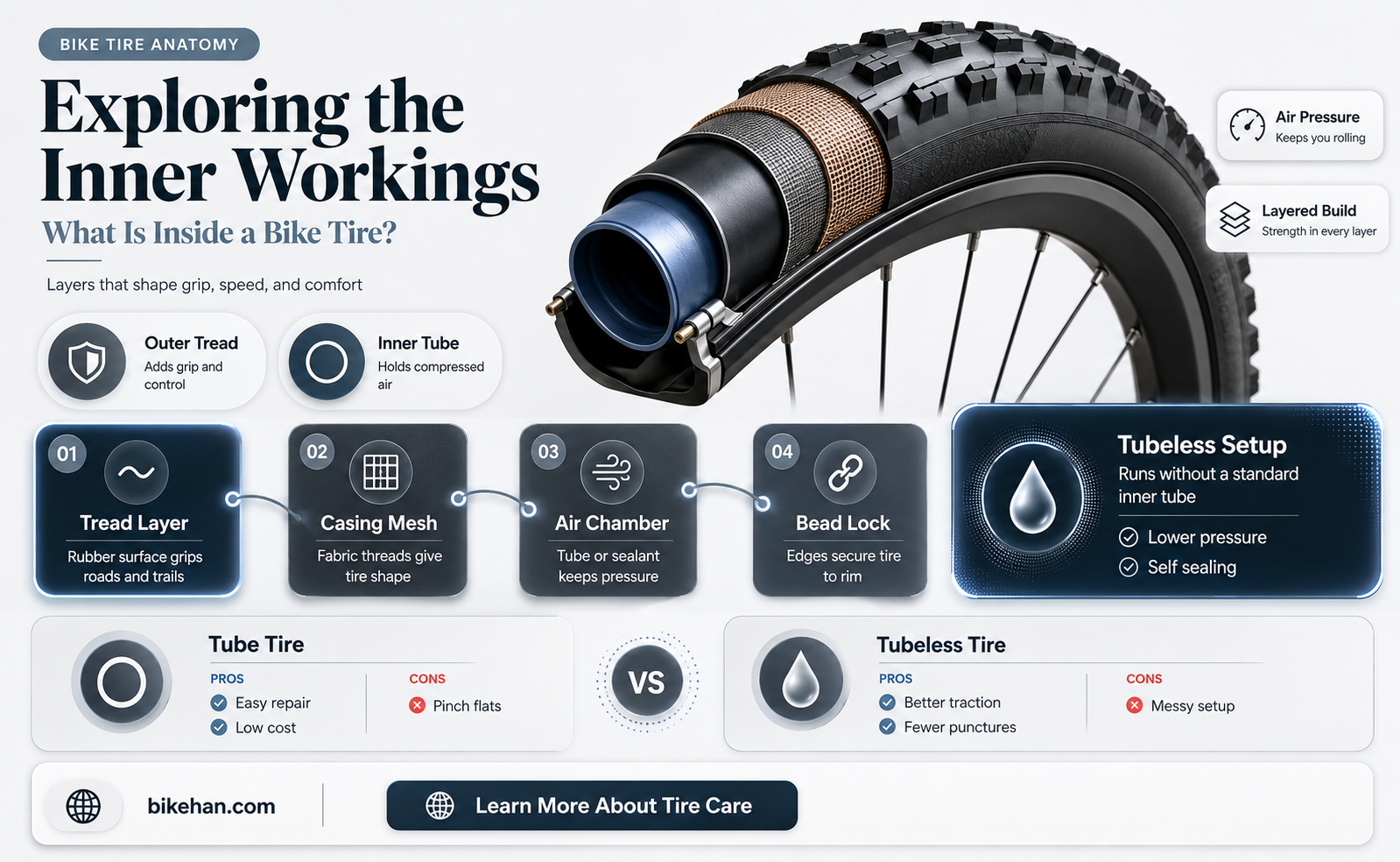
The inside of a bike tire is called the inner tube. It's a crucial component that plays a significant role in maintaining the tire's shape and providing a smooth ride. The inner tube is typically made of rubber and is designed to be airtight, ensuring that the tire remains inflated. It fits snugly inside the tire casing, which is the outer part of the tire that you see. The inner tube also helps to absorb shocks and vibrations from the road, contributing to a more comfortable cycling experience. In some cases, especially with tubeless tires, the inner tube may be replaced by a sealant that coats the inside of the tire casing, providing a similar function but without the need for a separate tube.
Explore related products


What You'll Learn
- Inner Tube: A rubber bladder inside the tire that holds air and provides cushioning
- Casing: The fabric or steel mesh layer that gives the tire its shape and strength
- Bead: The part of the tire that fits over the rim of the wheel, usually made of steel
- Sidewall: The outer layer of the tire that provides protection and contains information about the tire
- Tread: The patterned surface of the tire that makes contact with the road, providing grip and traction

Inner Tube: A rubber bladder inside the tire that holds air and provides cushioning
The inner tube is a critical component of a bicycle tire, serving as a rubber bladder that holds air and provides cushioning. This cushioning effect is essential for absorbing shocks from uneven surfaces, thereby enhancing the rider's comfort and control. The inner tube is typically made from butyl rubber, which is chosen for its excellent air retention properties and resistance to punctures.
One of the key functions of the inner tube is to maintain the tire's shape and structure. When inflated, the inner tube presses against the tire's sidewalls, ensuring that the tire remains round and stable. This stability is crucial for maintaining traction and handling, especially during turns and when riding at high speeds.
In addition to providing cushioning and structural support, the inner tube also plays a role in the overall performance of the bicycle. A properly inflated inner tube can improve the bike's rolling resistance, which in turn can lead to increased efficiency and speed. Conversely, an underinflated or overinflated inner tube can negatively impact performance, making it more difficult to pedal and reducing the bike's ability to absorb shocks.
Replacing or repairing an inner tube is a common maintenance task for cyclists. Punctures and leaks can occur due to a variety of reasons, such as sharp objects on the road or wear and tear over time. When replacing an inner tube, it is important to ensure that the new tube is the correct size and type for the tire. Additionally, it is crucial to properly inflate the inner tube to the recommended pressure, as this will affect the tire's performance and the rider's safety.
In summary, the inner tube is a vital part of a bicycle tire that serves multiple functions, including holding air, providing cushioning, maintaining tire shape, and contributing to overall bike performance. Proper care and maintenance of the inner tube are essential for ensuring a safe and enjoyable riding experience.
Revolutionize Your Ride: The Top-Selling E-Bike Tire You Need Now
You may want to see also
Explore related products


Casing: The fabric or steel mesh layer that gives the tire its shape and strength
The casing of a bicycle tire is a critical component that often goes unnoticed by casual riders. It is the fabric or steel mesh layer that lies beneath the rubber tread, giving the tire its shape and strength. This layer is essential for maintaining the tire's structural integrity and ensuring a smooth, safe ride.
One of the primary functions of the casing is to provide the necessary support to the tire's sidewalls. This is particularly important when the tire is subjected to lateral forces, such as when cornering or navigating uneven terrain. The casing helps to distribute these forces evenly across the tire, preventing the sidewalls from bulging or collapsing.
In addition to providing structural support, the casing also plays a role in the tire's overall performance. The material and construction of the casing can affect the tire's weight, flexibility, and puncture resistance. For example, a tire with a steel mesh casing will be more puncture-resistant than one with a fabric casing, but it will also be heavier and less flexible.
When choosing a bicycle tire, it is important to consider the type of casing that best suits your riding needs. If you are a casual rider who primarily rides on smooth, paved surfaces, a tire with a fabric casing may be sufficient. However, if you are an avid cyclist who frequently rides on rough or uneven terrain, a tire with a steel mesh casing may be a better option.
In conclusion, the casing of a bicycle tire is a crucial component that contributes to the tire's shape, strength, and overall performance. By understanding the different types of casings available and their respective benefits, cyclists can make informed decisions when selecting tires for their bikes.
Rolling into Speed: The Fastest Fat Bike Tires for Your Adventures
You may want to see also
Explore related products


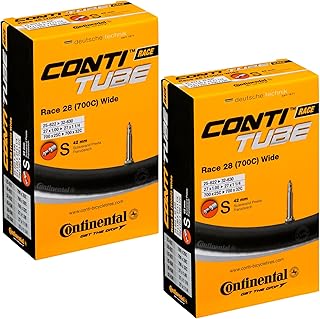
Bead: The part of the tire that fits over the rim of the wheel, usually made of steel
The bead of a bicycle tire is a crucial component that ensures the tire remains securely attached to the wheel rim. It is typically made of steel or sometimes Kevlar, providing the necessary strength and durability to withstand the forces exerted during cycling. The bead is designed to fit snugly over the rim, creating a tight seal that prevents air from escaping and maintains the tire's pressure.
Installing a tire onto a wheel requires careful attention to the bead. The process usually involves using tire levers to pry the bead over the rim, ensuring that it is evenly seated and not pinched between the rim and the tire. Proper installation is essential to avoid damage to the bead, which could lead to tire failure or punctures.
One common issue cyclists face is the dreaded "snake bite" puncture, where the tire bead is pinched against the rim, causing a puncture. This can be prevented by ensuring the tire is properly inflated and by avoiding over-tightening the rim nuts. Regular inspection of the bead for signs of wear or damage is also important for maintaining tire integrity and preventing accidents.
In summary, the bead is a vital part of a bicycle tire that plays a key role in ensuring a secure and airtight fit to the wheel rim. Proper installation, maintenance, and inspection of the bead are essential for safe and efficient cycling.
Exploring the Distinctions: E-Bike Tires vs. Standard Bicycle Tires
You may want to see also
Explore related products


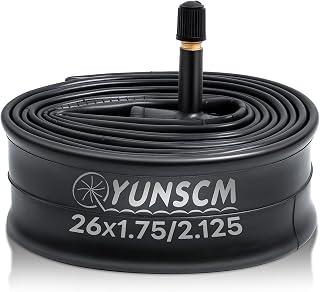


Sidewall: The outer layer of the tire that provides protection and contains information about the tire
The sidewall of a bike tire is a critical component that often goes unnoticed by casual riders. It's the outer layer of the tire that not only provides structural integrity but also serves as a protective barrier against punctures and abrasions. This durable layer is typically made from a combination of rubber and fabric, designed to withstand the rigors of various terrains and weather conditions.
One of the key functions of the sidewall is to display essential information about the tire. This includes details such as the tire's size, recommended pressure, load rating, and speed rating. By providing this information directly on the tire, manufacturers ensure that riders have easy access to crucial specifications, which can be vital for maintaining optimal performance and safety.
In addition to its protective and informative roles, the sidewall also contributes to the tire's overall aesthetics. Tire manufacturers often use this space to showcase their branding and design elements, which can range from simple logos to intricate patterns. This not only helps to differentiate their products in a competitive market but also allows riders to personalize their bikes according to their preferences.
When inspecting a bike tire, it's important to pay close attention to the sidewall for any signs of wear or damage. Cracks, cuts, or bulges in this area can indicate potential issues that may compromise the tire's performance or even lead to a blowout. Regularly checking the sidewall and addressing any concerns promptly can help to prevent accidents and ensure a smooth, safe ride.
In conclusion, the sidewall of a bike tire is a multifaceted component that plays a vital role in the tire's functionality, safety, and appearance. By understanding its importance and properly maintaining it, riders can enhance their overall cycling experience and minimize the risk of tire-related issues.
Exploring the Unique Features of Folding Bead Fat Bike Tires
You may want to see also
Explore related products


Tread: The patterned surface of the tire that makes contact with the road, providing grip and traction
The tread of a bike tire is a critical component that ensures safety and performance. It's the patterned surface that makes direct contact with the road, providing the necessary grip and traction to prevent slipping and maintain control. The design and condition of the tread can significantly impact the bike's handling, especially in wet or uneven conditions.
Tread patterns vary widely among different types of bike tires, each designed for specific riding conditions and purposes. For instance, road bike tires typically have a smoother tread pattern to reduce rolling resistance and improve speed on paved surfaces. In contrast, mountain bike tires feature more aggressive tread patterns with deeper grooves and larger knobs to enhance grip on loose or rocky terrain.
Regular inspection and maintenance of the tread are essential for ensuring optimal performance and safety. Cyclists should check for signs of wear, such as bald spots or cracks, and replace the tire if the tread depth falls below the recommended level. Additionally, proper inflation and alignment can help prolong the life of the tread and maintain consistent performance.
Innovations in tread technology have led to the development of tires with improved grip, durability, and puncture resistance. Some modern tires incorporate advanced materials and designs, such as self-sealing layers or airless constructions, to enhance performance and reduce the risk of flats.
In summary, the tread is a vital aspect of bike tire design that plays a crucial role in providing grip, traction, and overall performance. Understanding the importance of tread patterns, regular maintenance, and technological advancements can help cyclists make informed decisions about their bike tires and ensure a safer, more enjoyable riding experience.
Exploring the Core: Inside the Bike Tire Card Mystery
You may want to see also
Frequently asked questions
The inside of a bike tire is called the inner tube.
The inner tube is responsible for holding air and maintaining the tire's shape and pressure, which is crucial for a smooth and safe ride.
Signs of a damaged inner tube include a slow leak of air, a sudden loss of pressure, or visible punctures or tears in the tube.
Yes, with the right tools and a bit of practice, you can replace the inner tube of your bike tire yourself. You'll need a tire lever, a new inner tube, and a pump.
Common causes of bike tire punctures include sharp objects like nails or glass, overinflating the tire, underinflating the tire, or wear and tear from regular use.