Ryan Cole
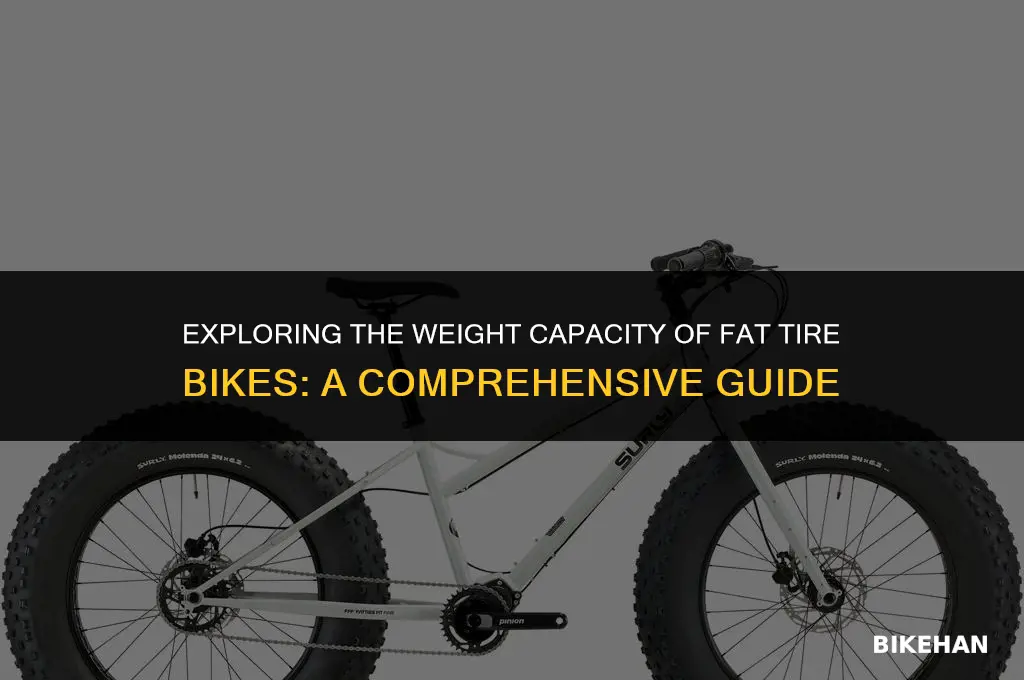
Fat tire bikes, known for their oversized tires and robust frames, are designed to tackle a variety of terrains, from sandy beaches to snowy trails. However, despite their sturdy appearance, these bikes do have weight limits that riders need to be aware of. The weight capacity of a fat tire bike can vary significantly depending on the specific model, frame material, and tire size. Generally, most fat tire bikes can support riders weighing between 250 to 300 pounds (113 to 136 kilograms). It's crucial for riders to check the manufacturer's specifications for their particular bike to ensure they stay within the recommended weight limit, as exceeding this can compromise the bike's performance and safety.
Explore related products


What You'll Learn
- Weight Capacity: Maximum load a fat tire bike can safely carry, including rider and cargo
- Rider Weight: Recommended weight range for riders to ensure optimal performance and safety
- Cargo Capacity: Amount of additional weight, such as bags or equipment, a bike can handle
- Frame Strength: Durability and robustness of the bike's frame under heavy loads
- Tire Pressure: Optimal tire pressure for carrying heavy loads on fat tire bikes

Weight Capacity: Maximum load a fat tire bike can safely carry, including rider and cargo
The weight capacity of a fat tire bike is a critical factor to consider for both safety and performance. Typically, fat tire bikes can handle a higher weight load compared to standard bicycles due to their robust frame and wide tires. However, the exact weight limit can vary significantly depending on the specific model, frame material, and tire size. Manufacturers often provide a recommended weight limit, which includes the combined weight of the rider and any cargo. It's essential to adhere to these guidelines to prevent potential damage to the bike and ensure a safe riding experience.
For instance, some high-end fat tire bikes designed for touring or cargo purposes can safely carry loads of up to 300-400 pounds (136-181 kilograms). This capacity allows riders to transport substantial gear, making these bikes ideal for long-distance trips or running errands. On the other hand, more lightweight models intended for recreational use might have a lower weight limit, typically around 200-250 pounds (91-113 kilograms). Exceeding these limits can lead to frame failure, tire blowouts, or compromised handling, posing significant risks to the rider.
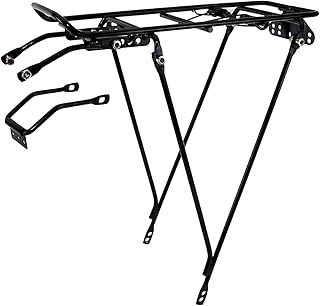
When assessing the weight capacity of a fat tire bike, it's also important to consider the distribution of weight. Properly balancing the load, especially when carrying heavy cargo, can enhance stability and control. Many fat tire bikes feature mounting points for racks and fenders, which can help in evenly distributing the weight of panniers or other cargo. Additionally, riders should be mindful of the bike's center of gravity and adjust their riding style accordingly when carrying heavy loads.
In conclusion, understanding and respecting the weight capacity of a fat tire bike is crucial for maintaining safety and optimizing performance. Riders should always refer to the manufacturer's specifications and consider factors such as frame material, tire size, and load distribution when determining how much weight their bike can safely handle. By doing so, they can enjoy the benefits of fat tire biking while minimizing the risks associated with overloading.
Decoding Bike Tire Sizes: A Comprehensive Guide for Cyclists
You may want to see also
Explore related products


Rider Weight: Recommended weight range for riders to ensure optimal performance and safety
The optimal performance and safety of a fat tire bike are significantly influenced by the weight of the rider. Manufacturers typically specify a recommended weight range to ensure that the bike's components can handle the load without compromising performance or safety. Exceeding this weight limit can lead to increased wear and tear on the bike, reduced efficiency, and potentially dangerous situations.
To determine the appropriate weight range, one must consider several factors, including the bike's frame material, wheel size, tire width, and the strength of the suspension system. For instance, a bike with a robust frame and wide tires may be able to support a heavier rider compared to a bike with a lighter frame and narrower tires. Additionally, the type of riding will also impact the recommended weight range. A bike intended for off-road use may need to support more weight than a bike designed for casual riding on paved surfaces.
It is crucial for riders to adhere to the manufacturer's weight recommendations to maintain the integrity of the bike and ensure a safe riding experience. Riders who are near or exceed the weight limit should consider consulting with a bike specialist to discuss potential modifications or alternative bike options that can better accommodate their needs. Furthermore, regular maintenance and inspections are essential to identify any signs of stress or damage caused by excessive weight.
In summary, understanding and respecting the recommended weight range for a fat tire bike is vital for optimal performance and safety. Riders should carefully consider their weight in relation to the bike's specifications and intended use, and seek professional advice if necessary to make informed decisions about their cycling equipment.
The Essential Role of Tire Caps on Bicycles: Explained
You may want to see also
Explore related products


Cargo Capacity: Amount of additional weight, such as bags or equipment, a bike can handle
Fat tire bikes are renowned for their ability to handle a variety of terrains, from sandy beaches to snowy trails. However, their cargo capacity is often overlooked. The amount of additional weight a fat tire bike can handle is crucial for cyclists who need to carry gear, supplies, or even children. Typically, fat tire bikes have a higher cargo capacity compared to standard bikes due to their robust frame and wide tires, which distribute weight more evenly.
The cargo capacity of a fat tire bike can vary significantly depending on the model and its intended use. Some bikes are designed with a focus on touring and can carry up to 200 pounds (90 kg) or more, including the weight of the rider. Others, which are more oriented towards casual riding or commuting, may have a lower capacity, around 100-150 pounds (45-68 kg). It's essential to check the manufacturer's specifications for the exact cargo capacity of a particular model.
When considering the cargo capacity, it's also important to think about the distribution of weight. Fat tire bikes often have mounting points for front and rear racks, as well as frame bags and handlebar bags. Properly distributing the weight can improve the bike's handling and stability. For example, heavier items should be placed lower and closer to the center of the bike to maintain balance.
In addition to the bike's design, the type of cargo being carried can also impact the overall capacity. Soft bags, like panniers or duffel bags, can be more forgiving in terms of weight distribution and can often be overloaded slightly without causing issues. Hard cases or rigid cargo, on the other hand, may require more careful consideration of weight limits and distribution to avoid damaging the bike or compromising its handling.
Cyclists should also be aware of the potential impact of carrying heavy loads on the bike's performance. While fat tire bikes are generally capable of handling additional weight, it can affect their speed, maneuverability, and braking distance. Riders may need to adjust their riding style and be more cautious when navigating steep descents or tight turns with a heavy load.
In conclusion, understanding the cargo capacity of a fat tire bike is essential for cyclists who need to transport gear or supplies. By considering the bike's design, the type of cargo, and the distribution of weight, riders can ensure they are safely and effectively utilizing their bike's carrying capabilities.
Understanding Inflation: A Guide to Hybrid Bike Tire Pressure
You may want to see also
Explore related products


Frame Strength: Durability and robustness of the bike's frame under heavy loads
The frame strength of a fat tire bike is a critical factor in determining its overall durability and robustness, especially when subjected to heavy loads. Manufacturers typically design these frames to withstand the additional stresses imposed by the larger tires and the increased weight capacity. Key materials used in the construction of fat tire bike frames include aluminum, steel, and carbon fiber, each offering a unique balance of strength, weight, and flexibility.
Aluminum frames are popular for their lightweight properties and resistance to corrosion, making them ideal for riders who prioritize ease of handling and maintenance. Steel frames, on the other hand, provide superior strength and durability, capable of withstanding the rigors of off-road terrain and heavy loads. Carbon fiber frames offer the best of both worlds, combining exceptional strength with minimal weight, but they come at a higher price point.
In addition to the material, the design of the frame plays a crucial role in its strength. Features such as reinforced downtubes, seatstays, and chainstays help distribute the load more evenly across the frame, reducing the risk of damage or failure. The type of welding or joining method used can also impact frame strength, with techniques like TIG welding and hydroforming providing strong, reliable connections.
When assessing the frame strength of a fat tire bike, it's essential to consider the intended use and the rider's weight. Bikes designed for casual riding on paved surfaces may have a lower weight limit than those built for aggressive off-road use. Manufacturers typically provide guidelines for the maximum weight capacity of their bikes, which should be adhered to ensure safety and optimal performance.
Regular maintenance and inspection of the frame are crucial to preserving its strength and longevity. Riders should check for signs of wear, such as cracks or dents, and address any issues promptly. Proper storage and transportation can also help prevent damage to the frame.
In conclusion, the frame strength of a fat tire bike is a multifaceted aspect that depends on the material, design, and intended use. By understanding these factors and following proper maintenance practices, riders can ensure their bikes remain durable and robust under heavy loads.
Unveiling the Ultimate: What Makes the Lightest Road Bike Tire?
You may want to see also
Explore related products


Tire Pressure: Optimal tire pressure for carrying heavy loads on fat tire bikes
Maintaining optimal tire pressure is crucial when carrying heavy loads on fat tire bikes. The recommended tire pressure for such bikes typically ranges from 20 to 30 PSI, but this can vary depending on the specific model and the weight of the load. It's essential to consult the manufacturer's guidelines for the correct pressure settings.
When carrying heavy loads, it's important to adjust the tire pressure accordingly. Increasing the tire pressure can help support the additional weight and improve the bike's handling. However, overinflating the tires can lead to a harsher ride and increased risk of punctures. Conversely, underinflating the tires can result in decreased stability and control, especially when cornering or riding on uneven terrain.
To determine the optimal tire pressure for carrying heavy loads, it's recommended to start with the manufacturer's recommended pressure and then make adjustments based on the bike's performance. It's important to test the bike's handling and stability with different pressure settings to find the optimal balance.
In addition to adjusting the tire pressure, it's also important to regularly inspect the tires for signs of wear or damage. Carrying heavy loads can put additional stress on the tires, increasing the risk of punctures or blowouts. By maintaining optimal tire pressure and regularly inspecting the tires, riders can ensure a safe and comfortable ride when carrying heavy loads on fat tire bikes.
Optimal Tire Pressure for Street Bikes: A Comprehensive Guide
You may want to see also
Frequently asked questions
The typical weight limit for a fat tire bike ranges from 250 to 300 pounds (113 to 136 kilograms), depending on the specific model and its components.
Yes, fat tire bikes generally have a higher weight capacity compared to standard bikes due to their wider tires, which provide better stability and distribute weight more evenly.
Factors that can affect the weight limit of a fat tire bike include the frame material, the strength of the wheels and tires, the quality of the suspension system (if present), and the overall design and construction of the bike.
No, exceeding the weight limit on a fat tire bike can compromise its structural integrity, leading to potential safety hazards such as frame damage, tire blowouts, or loss of control while riding. It is important to adhere to the manufacturer's recommended weight limit to ensure a safe and enjoyable riding experience.