Megan Blake
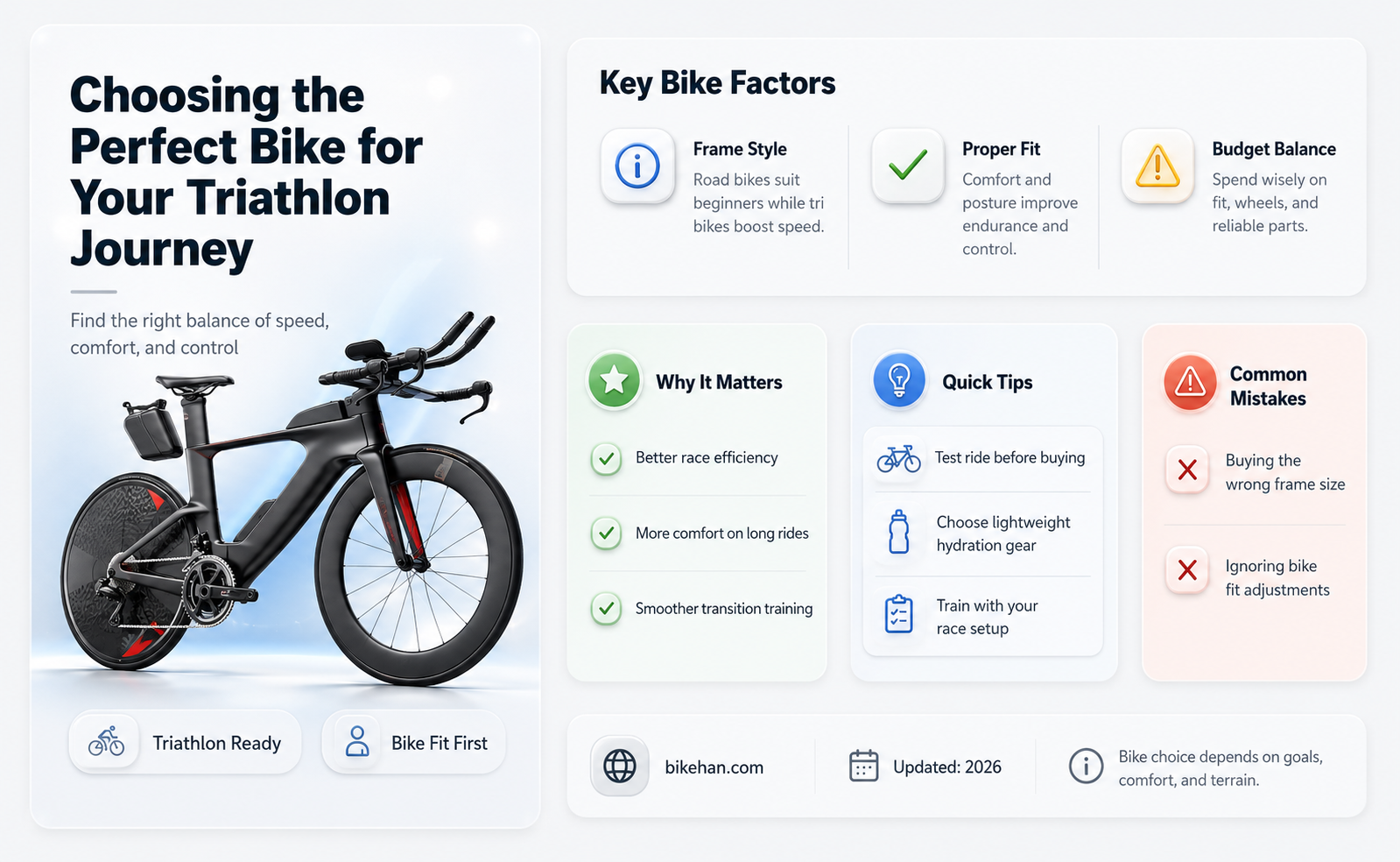
When considering what kind of bike to get for a triathlon, it's important to understand the specific demands of the sport. Triathlons consist of swimming, cycling, and running segments, and the bike portion can significantly impact your overall performance. The ideal triathlon bike should be lightweight, aerodynamic, and comfortable for long distances. Road bikes are often favored for their speed and efficiency on paved surfaces, while hybrid bikes offer versatility for varying terrains. Additionally, features like a comfortable saddle, ergonomic handlebars, and reliable gearing can enhance your riding experience. It's also crucial to consider your budget and the level of competition you're participating in, as higher-end bikes can provide advanced features and better performance. Ultimately, choosing the right bike for a triathlon involves balancing these factors to find the best fit for your needs and goals.
Explore related products


What You'll Learn

Road Bike vs. Triathlon Bike
When selecting a bike for a triathlon, the choice between a road bike and a triathlon bike often comes down to personal preference, budget, and the level of competition. However, understanding the key differences between these two types of bikes can significantly impact your performance and comfort during the race.
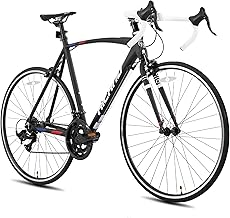
Road bikes are designed primarily for speed and efficiency on paved roads. They typically feature a lightweight frame, narrow tires, and drop handlebars that allow for an aerodynamic riding position. Road bikes are versatile and can be used for various types of cycling, including training, racing, and even commuting. However, they may not be the most suitable choice for a triathlon due to their lack of specific features tailored to the demands of the sport.
Triathlon bikes, on the other hand, are specifically designed for the unique challenges of a triathlon. They often have a more aggressive geometry, with a steeper head tube angle and a shorter wheelbase, which provides better handling and stability at high speeds. Triathlon bikes also feature aero bars, which allow riders to adopt a more aerodynamic position by resting their forearms on the bars and lowering their head. Additionally, these bikes usually have more mounting options for water bottles and nutrition, which is crucial for long-distance races.
One of the main advantages of a triathlon bike is its ability to improve aerodynamics. The frame is typically designed to minimize air resistance, and the wheels are often deeper and wider to reduce drag. This can result in significant time savings over the course of a race, especially in the bike segment, which is often the longest part of a triathlon.
However, triathlon bikes can be more expensive than road bikes, and they may not be as practical for everyday use. If you are new to triathlons or are on a tight budget, a road bike can be a good starting point. You can always upgrade to a triathlon bike as you become more serious about the sport.
In conclusion, the choice between a road bike and a triathlon bike depends on your specific needs and goals. If you are looking for a bike that is optimized for triathlon performance, a triathlon bike is the better choice. However, if you are on a budget or prefer a more versatile bike, a road bike can be a suitable option. Ultimately, the most important factor is to choose a bike that fits your body well and allows you to ride comfortably and efficiently.
Urban Cycling: Choosing the Perfect Bike for City Adventures
You may want to see also
Explore related products

$319.99



Budget Considerations
When selecting a triathlon bike, budget considerations play a crucial role in determining the type and quality of the bike you can afford. It's essential to strike a balance between cost and performance to ensure you're getting the best value for your money. Here are some key factors to consider when budgeting for a triathlon bike:
- Set a Realistic Budget: Start by determining how much you're willing to spend on a triathlon bike. Consider your current financial situation, other expenses, and the importance of the bike to your training and racing goals. Be realistic about your budget, as overspending can lead to financial strain.
- Prioritize Features: Identify the essential features you need in a triathlon bike, such as a lightweight frame, aerodynamic design, and comfortable riding position. Prioritize these features based on their importance to your performance and comfort. This will help you focus your budget on the most critical aspects of the bike.
- Compare Prices and Models: Research different triathlon bike models and compare their prices, features, and specifications. Look for bikes that offer the best combination of performance, comfort, and value for your budget. Consider both new and used bikes, as well as different brands and models.
- Consider Long-Term Costs: In addition to the initial purchase price, consider the long-term costs of owning a triathlon bike. These may include maintenance, repairs, and upgrades. Factor these costs into your budget to ensure you can afford to maintain and improve your bike over time.
- Seek Expert Advice: Consult with experienced triathletes, bike shops, or online forums to get advice on budgeting for a triathlon bike. They can provide valuable insights into the best bikes for your budget and help you make an informed decision.
- Test Ride Before Buying: Whenever possible, test ride different triathlon bikes before making a purchase. This will help you determine which bike feels best for you and ensure you're getting the right fit and performance for your budget.
By carefully considering these budget factors, you can find a triathlon bike that meets your needs and budget, allowing you to focus on your training and racing goals without financial worry.
Choosing the Perfect Ride: A Guide to Selecting Your Ideal Bicycle
You may want to see also
Explore related products


Fit and Comfort
Ensuring a proper fit and comfort on your triathlon bike is crucial for optimal performance and injury prevention. A well-fitted bike allows you to maintain an aerodynamic position while minimizing strain on your muscles and joints. Here are some key considerations to keep in mind when selecting a bike for a triathlon:
First, consider the frame size and geometry. Triathlon bikes typically have a more aggressive geometry than road bikes, with a lower handlebar position and a longer reach. This allows for a more aerodynamic posture, but it's essential to ensure that the frame size is appropriate for your body dimensions. A bike that is too large or too small can lead to discomfort and inefficiency.
Next, pay attention to the saddle height and position. The saddle should be high enough to allow for a full leg extension when pedaling, but not so high that it causes you to stretch or strain. The saddle should also be positioned slightly behind your hips to allow for a comfortable and efficient pedaling motion.
The handlebar width and height are also important factors. The handlebars should be wide enough to allow for a comfortable grip, but not so wide that they cause you to stretch or strain. The height of the handlebars should be such that your elbows are slightly bent when holding them, allowing for a relaxed and efficient upper body position.
Finally, consider the type of saddle and any additional accessories that may enhance comfort. A well-padded saddle with a cutout can help reduce pressure on sensitive areas, while accessories like bar tape and gel grips can provide additional comfort and support.
In conclusion, when selecting a bike for a triathlon, it's essential to prioritize fit and comfort. A well-fitted bike will not only enhance your performance but also reduce the risk of injury and discomfort during long rides.
Choosing the Perfect Bike for UC Davis: A Comprehensive Guide
You may want to see also
Explore related products




Wheel Size and Type
Choosing the right wheel size and type for a triathlon bike is crucial for optimizing performance and comfort during the race. Triathletes often debate between the standard 700c wheels and the smaller 650b wheels. The 700c wheels are the most common choice due to their balance of speed and stability. They offer a larger contact patch with the road, which can improve traction and reduce rolling resistance. However, they can also be more challenging to handle in windy conditions due to their larger surface area.
On the other hand, 650b wheels are gaining popularity among triathletes who prioritize maneuverability and comfort. These wheels are smaller and lighter, making the bike easier to handle and accelerate. They also provide a smoother ride over rough surfaces, which can be beneficial during the bike leg of a triathlon. However, they may not be as fast as 700c wheels on smooth, paved roads.
Another important consideration is the type of wheel: clincher, tubular, or tubeless. Clincher wheels are the most common and versatile, as they can be used with both inner tubes and tubeless tires. Tubular wheels are lighter and can offer better aerodynamics, but they require more maintenance and are less convenient to repair. Tubeless wheels are becoming increasingly popular due to their improved puncture resistance and the ability to run lower tire pressures, which can enhance comfort and traction.
When selecting wheels for a triathlon bike, it's essential to consider the specific demands of the race. Factors such as the course terrain, weather conditions, and the athlete's personal preferences should all be taken into account. By choosing the right wheel size and type, triathletes can gain a competitive edge and improve their overall race experience.
Choosing the Perfect Bike for Your College Adventures
You may want to see also
Explore related products


Gearing and Drivetrain Options
Triathlon bikes are engineered for efficiency and speed across three disciplines: swimming, cycling, and running. When selecting a triathlon bike, one of the critical components to consider is the gearing and drivetrain system. This system directly impacts the bike's performance, especially during the cycling segment of the triathlon.
The drivetrain of a triathlon bike typically consists of the crankset, chainrings, cassette, derailleurs, and shifters. For triathlons, bikes often feature a compact crankset with smaller chainrings to facilitate quick acceleration and efficient climbing. The cassette usually has a wide range of gears to handle various terrains and speeds. Derailleurs and shifters are designed for smooth and rapid gear changes, which is essential during the high-intensity cycling portion of a triathlon.
One popular option for triathlon bikes is the Shimano Ultegra Di2 electronic shifting system. This system offers precise and reliable gear changes with minimal effort, allowing athletes to maintain their focus and energy on the race. Another option is the SRAM RED eTap AXS system, which provides a lightweight and efficient drivetrain with advanced features like AXS App integration for customization and real-time performance tracking.
When choosing a gearing and drivetrain system, athletes should consider factors such as their riding style, the terrain of the triathlon course, and their personal preferences. For example, if the course includes steep climbs, a bike with a wider range cassette and smaller chainrings may be beneficial. On the other hand, if the course is relatively flat, a bike with a narrower range cassette and larger chainrings could provide better performance.
In addition to the specific components, athletes should also consider the maintenance and durability of the gearing and drivetrain system. High-quality materials and regular maintenance can ensure that the system performs optimally throughout the triathlon season.
In conclusion, the gearing and drivetrain options for a triathlon bike play a crucial role in determining the bike's overall performance. By carefully selecting a system that matches their needs and preferences, athletes can gain a competitive edge during the cycling segment of the triathlon.
Choosing the Perfect Trail Bike: A Rider's Guide
You may want to see also
Frequently asked questions
A triathlon-specific bike, also known as a tri bike, is designed to optimize performance and comfort during a triathlon. These bikes typically have a lightweight frame, aerodynamic design, and a geometry that allows for an efficient power transfer.
Key features of a triathlon bike include a lightweight frame, aerodynamic design, a geometry that allows for an efficient power transfer, and a comfortable riding position. Triathlon bikes also often have features such as aero bars, a high saddle position, and a quick-release mechanism for easy transitions.
A triathlon bike differs from a road bike in several ways. Triathlon bikes are designed specifically for the demands of a triathlon, with a focus on aerodynamics, comfort, and efficiency. Road bikes, on the other hand, are designed for general road cycling and may not have the same level of aerodynamic efficiency or comfort features as a triathlon bike.
The ideal saddle height for a triathlon bike will vary depending on the individual rider's body measurements and riding style. However, a general guideline is to set the saddle height so that the rider's knee is slightly bent at the bottom of the pedal stroke, and the foot is flat on the pedal.
Choosing the right size triathlon bike is important for both performance and comfort. To determine the correct size, you will need to consider your height, inseam length, and riding style. A bike shop professional can help you find the right size bike based on these factors.