Samantha Lee
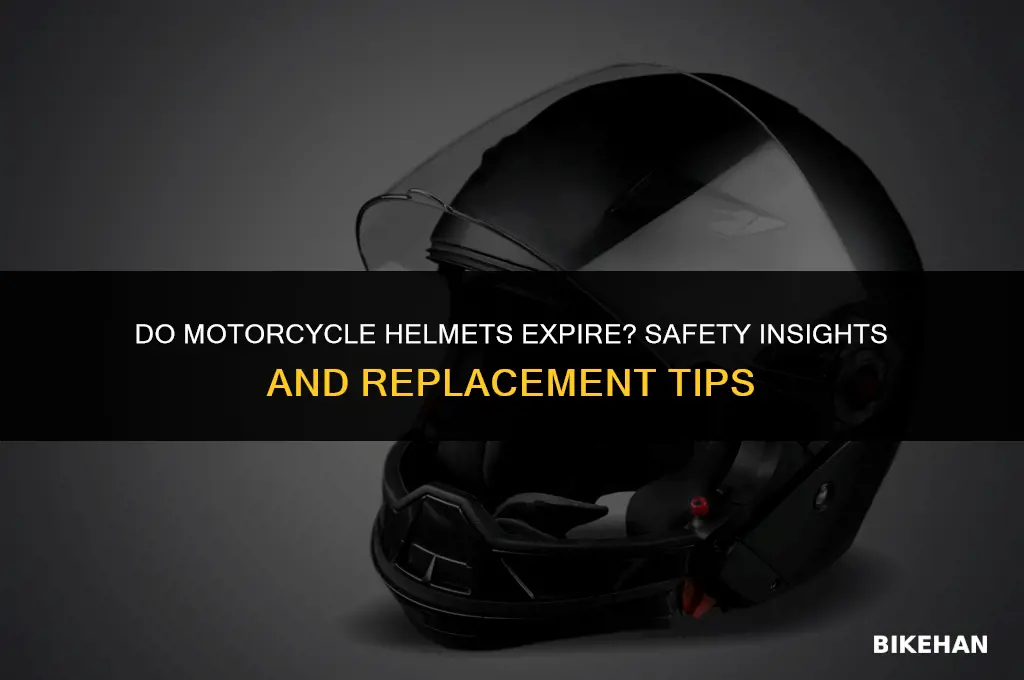
Motorcycle helmets are crucial safety gear designed to protect riders in the event of an accident. However, like any other protective equipment, they have a limited lifespan and can degrade over time. Factors such as exposure to sunlight, chemicals, and physical impacts can compromise the structural integrity and effectiveness of a helmet. It's essential for riders to understand the signs of wear and tear and know when it's time to replace their helmet to ensure maximum protection on the road.
| Characteristics | Values |
|---|---|
| Material Degradation | Over time, the materials in a motorcycle helmet can degrade due to exposure to sunlight, chemicals, and physical stress. This degradation can compromise the helmet's structural integrity. |
| Impact Absorption | A helmet's ability to absorb impact can diminish after it has been involved in a collision or subjected to repeated stress. This reduction in impact absorption can increase the risk of injury in subsequent accidents. |
| Retention System | The retention system, which includes the chin strap and buckle, can wear out or become less effective over time. A damaged or worn retention system may not keep the helmet securely in place during an accident. |
| Visor Condition | The visor can become scratched, fogged, or discolored, which can impair the rider's vision. A damaged visor may also be more prone to shattering upon impact. |
| Comfort and Fit | As a helmet ages, the padding and lining can deteriorate, affecting the comfort and fit. A poor-fitting helmet may not provide adequate protection in the event of a crash. |
| Certification Standards | Helmets are manufactured to meet specific safety standards, such as DOT, Snell, or ECE. Over time, these standards may change, and an older helmet may not meet the latest safety requirements. |
| Manufacturer Recommendations | Most helmet manufacturers provide guidelines for the lifespan of their products. These recommendations typically range from 3 to 5 years, depending on the usage and storage conditions. |
| Environmental Factors | Exposure to extreme temperatures, moisture, and chemicals can accelerate the deterioration of a helmet's materials. Proper storage and maintenance are essential to prolonging a helmet's lifespan. |
| Frequency of Use | The more frequently a helmet is used, the more likely it is to show signs of wear and tear. Regular inspection and replacement are crucial for maintaining optimal safety. |
| Visible Damage | Any visible damage, such as cracks, dents, or deep scratches, can indicate that a helmet has reached the end of its useful life. A damaged helmet should be replaced immediately. |
Explore related products




What You'll Learn
- Expiration Dates: Do motorcycle helmets have expiration dates How often should they be replaced
- Impact Absorption: How do helmets absorb impact Does this ability degrade over time
- Material Breakdown: What materials are helmets made of Are they prone to degradation
- Fit and Comfort: How does the fit of a helmet change over time Does it affect safety
- Safety Standards: Do helmets meet certain safety standards How do these standards evolve

Expiration Dates: Do motorcycle helmets have expiration dates? How often should they be replaced?
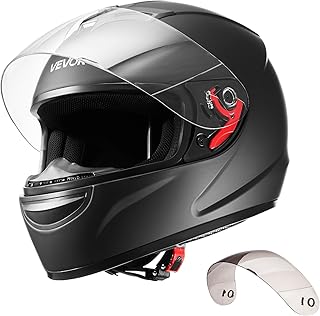
Motorcycle helmets, like many safety devices, have a finite lifespan. While there isn't a universally mandated expiration date for all helmets, manufacturers typically recommend replacing them every 3 to 5 years. This recommendation is based on the degradation of materials over time, which can compromise the helmet's ability to protect the rider in the event of an accident.
Several factors can accelerate the need for replacement. Exposure to sunlight, extreme temperatures, and chemicals can cause the helmet's outer shell to become brittle and less effective at absorbing impact. The interior padding can also break down, losing its cushioning properties and potentially leading to discomfort or reduced protection.
In addition to these environmental factors, the frequency and severity of use play a significant role. Riders who use their helmets daily or in harsh conditions may need to replace them more often than those who ride infrequently or in milder climates. It's also important to inspect the helmet regularly for any signs of damage, such as cracks, dents, or loose components, as these can significantly reduce its protective capabilities.
Some helmets may have a specific expiration date printed on the label or included in the user manual. If this is the case, it's crucial to adhere to the manufacturer's guidelines and replace the helmet by the specified date. Even if there is no explicit expiration date, it's generally advisable to err on the side of caution and replace the helmet if there is any doubt about its condition or effectiveness.
In conclusion, while motorcycle helmets may not have a strict expiration date, it's essential to monitor their condition and replace them regularly to ensure optimal safety. Riders should be aware of the factors that can affect helmet lifespan and take proactive steps to maintain their protective gear. By doing so, they can help minimize the risk of injury in the event of an accident.
Motorcycle Safety: Tips for Carrying an Extra Helmet on Your Ride
You may want to see also
Explore related products




Impact Absorption: How do helmets absorb impact? Does this ability degrade over time?
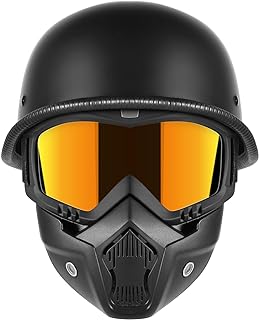
Motorcycle helmets are designed to protect riders by absorbing the impact of a collision. This is achieved through a combination of materials and engineering that work together to dissipate the force of an impact. The outer shell of a helmet is typically made of a hard, durable material such as polycarbonate or fiberglass. This shell is designed to resist penetration and to spread the force of an impact over a larger area.
Inside the helmet, there is a layer of energy-absorbing material, usually made of expanded polystyrene (EPS) foam. This foam is engineered to compress upon impact, absorbing the energy and reducing the force transmitted to the rider's head. The foam is also designed to recover its shape after an impact, allowing the helmet to continue providing protection.
Over time, the ability of a helmet to absorb impact can degrade. This can be due to a number of factors, including exposure to sunlight, heat, and chemicals, as well as the natural aging process of the materials. As the foam inside the helmet degrades, it may lose its ability to compress and absorb energy effectively. This can reduce the overall protective capability of the helmet.
It is important to note that not all helmets are designed to absorb impact in the same way. Some helmets, particularly those designed for racing or high-speed riding, may use different materials or construction methods to provide enhanced protection. Additionally, some helmets may include additional features, such as a visor or a chin guard, that can provide extra protection in the event of a collision.
In conclusion, the ability of a motorcycle helmet to absorb impact is a critical factor in its overall protective capability. While helmets are designed to provide long-lasting protection, it is important to be aware that their impact absorption ability can degrade over time. Regular inspection and maintenance of your helmet can help ensure that it continues to provide the protection you need.
Rev Up Your Ride: The Ultimate Guide to Cleaning Motorcycle Helmet Pads
You may want to see also
Explore related products


Material Breakdown: What materials are helmets made of? Are they prone to degradation?
Motorcycle helmets are primarily constructed from a combination of materials, each serving a specific purpose in ensuring rider safety. The outer shell is typically made from polycarbonate, fiberglass, or carbon fiber, designed to absorb and distribute impact forces. Inside, a layer of expanded polystyrene (EPS) foam acts as a shock absorber, cushioning the head during a collision. The chin strap and padding are usually composed of nylon and foam, respectively, to secure the helmet in place and provide comfort.
Over time, these materials can degrade due to various factors. Exposure to sunlight (UV radiation) can weaken the outer shell, making it more susceptible to cracks and breaks. Temperature fluctuations can also cause the materials to expand and contract, leading to structural stress. Additionally, chemicals such as gasoline, oil, or cleaning agents can compromise the integrity of the helmet's components.
Regular inspection is crucial to identify signs of degradation. Look for any cracks, dents, or scratches on the outer shell. Check the foam lining for any signs of compression or discoloration. The chin strap should be examined for fraying or wear, and the buckle should function properly. If any damage or deterioration is found, it is essential to replace the helmet immediately, as compromised materials can significantly reduce its protective capabilities.
To extend the lifespan of a motorcycle helmet, proper care and storage are essential. Avoid exposing the helmet to direct sunlight for extended periods and store it in a cool, dry place. Use a soft cloth to clean the helmet and avoid using harsh chemicals. When not in use, keep the helmet in a protective bag or case to prevent scratches and damage.
In summary, understanding the materials used in motorcycle helmets and their potential for degradation is crucial for rider safety. Regular inspection and proper care can help ensure that the helmet remains in optimal condition, providing the necessary protection in the event of an accident.
Rev Up Your Safety: Top Spots to Score the Perfect Motorcycle Helmet
You may want to see also
Explore related products


Fit and Comfort: How does the fit of a helmet change over time? Does it affect safety?
Over time, the fit of a motorcycle helmet can change due to various factors, including wear and tear, changes in head size, and exposure to the elements. This can lead to a looser fit, which may compromise safety. A helmet that fits properly is essential for optimal protection in the event of an accident.
One common issue is the degradation of the helmet's padding and liner. As these materials break down, they may lose their ability to absorb impact and provide a snug fit. Additionally, the helmet's outer shell may become damaged or deformed, which can also affect its fit and safety.
To ensure a proper fit, it's important to regularly inspect your helmet and replace it if necessary. A good rule of thumb is to replace your helmet every five years, or sooner if it shows signs of damage or wear. When selecting a new helmet, be sure to choose one that fits snugly and comfortably, without any pressure points or discomfort.
Another factor to consider is the helmet's retention system. Over time, the straps and buckles may become worn or damaged, which can lead to a looser fit. Be sure to check these components regularly and replace them if necessary.
In conclusion, the fit of a motorcycle helmet is crucial for safety, and it's important to be aware of how it can change over time. By regularly inspecting and maintaining your helmet, you can help ensure that it continues to provide optimal protection.
Exploring the Limits: Are Motorcycle Helmets Truly Bulletproof?
You may want to see also
Explore related products


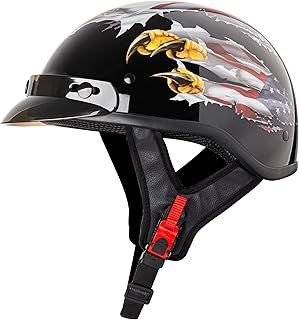

Safety Standards: Do helmets meet certain safety standards? How do these standards evolve?
Motorcycle helmets are subject to rigorous safety standards to ensure they provide adequate protection in the event of an accident. These standards are set by various organizations, such as the Department of Transportation (DOT) in the United States, the Economic Commission for Europe (ECE), and the Snell Memorial Foundation. Each organization has its own set of criteria that helmets must meet to be certified. For instance, the DOT standard requires helmets to absorb impact forces and resist penetration, while the ECE standard includes additional tests for retention system effectiveness and field of vision.
The evolution of these safety standards is driven by advancements in technology, materials science, and a deeper understanding of crash dynamics. As new research emerges on the effectiveness of different helmet designs and materials, standards are updated to reflect the latest findings. For example, the Snell Foundation recently introduced a new standard, Snell M2020, which includes more stringent requirements for impact absorption and retention system performance compared to its predecessor, Snell M2015.
Manufacturers must ensure that their helmets comply with these standards to be legally sold in various markets. Compliance is typically verified through third-party testing by certified laboratories. Helmets that meet the required standards are often marked with a certification label, such as the DOT emblem or the ECE "E" mark, which riders can look for when purchasing a helmet.
It's important to note that while these standards provide a baseline for safety, they do not guarantee that a helmet will perform perfectly in every crash scenario. Factors such as the severity of the impact, the angle of the collision, and the fit of the helmet on the rider's head can all influence its effectiveness. Therefore, riders should always choose helmets that meet or exceed the relevant safety standards and ensure a proper fit to maximize protection.
In conclusion, safety standards for motorcycle helmets play a crucial role in ensuring rider safety. These standards are continually evolving to incorporate new research and technological advancements, and manufacturers must adhere to them to produce helmets that can be trusted to protect riders in the event of an accident. By understanding these standards and choosing helmets that meet them, riders can make informed decisions about their safety gear.
Exploring the Legality of Motorcycle Helmet Covers: A Comprehensive Guide
You may want to see also
Frequently asked questions
Yes, motorcycle helmets do have an expiration date. Manufacturers typically recommend replacing helmets every 3 to 5 years, even if they haven't been involved in an accident. Over time, the materials can degrade, reducing the helmet's effectiveness in protecting the rider.
To determine if your motorcycle helmet is still in good condition, inspect it regularly for any signs of wear or damage. Look for cracks, dents, or any deformation in the shell. Check the padding for compression or deterioration, and ensure the chin strap and buckle are functioning properly. If you notice any issues, it's time to replace the helmet.
If you don't replace your motorcycle helmet regularly, you risk compromising your safety. An old or damaged helmet may not provide adequate protection in the event of an accident, increasing the likelihood of serious head injuries. Additionally, helmets that are past their expiration date may not meet current safety standards, further reducing their effectiveness.