Lauren Kennedy
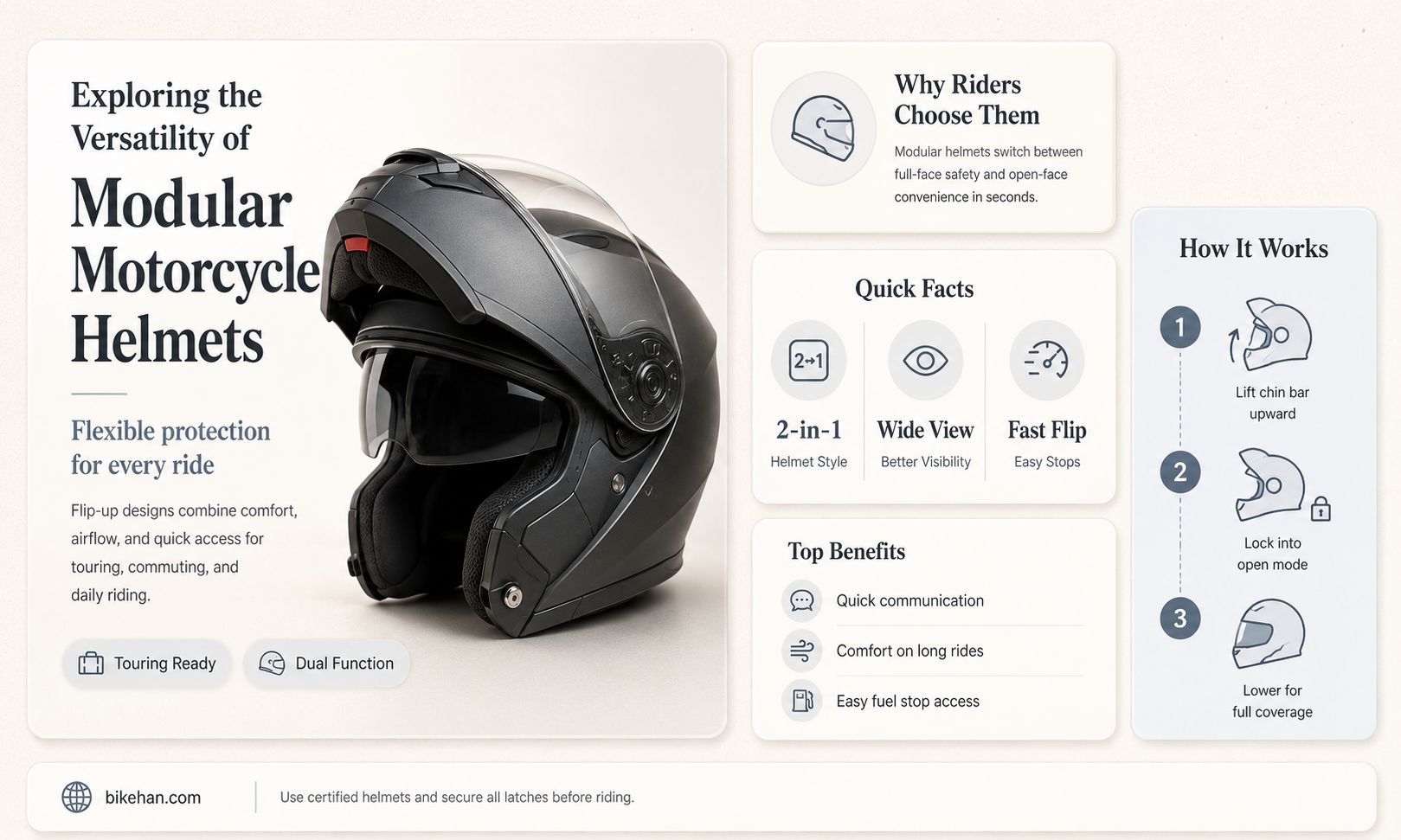
A modular motorcycle helmet, also known as a flip-up helmet, is a type of protective headgear designed for motorcyclists. It features a hinged visor or face shield that can be raised or lowered, allowing the rider to easily communicate, eat, or drink without removing the helmet entirely. This design offers a balance between full-face protection and the convenience of an open-face helmet. Modular helmets typically include a sturdy outer shell, impact-absorbing foam liners, and a comfortable interior with moisture-wicking properties. They may also come with additional features such as built-in communication systems, sun visors, and ventilation controls to enhance rider comfort and safety.
Explore related products


What You'll Learn
- Definition: A modular motorcycle helmet is a type of helmet designed for motorcyclists, featuring a modular construction
- Components: It typically consists of a hard outer shell, impact-absorbing foam, and a visor or face shield
- Functionality: Modular helmets offer protection, comfort, and convenience, with the ability to lift the visor for better visibility
- Certifications: Look for helmets that meet safety standards such as DOT, Snell, or ECE for optimal protection
- Maintenance: Regularly inspect and clean your helmet, replace parts as needed, and store it properly to ensure longevity

Definition: A modular motorcycle helmet is a type of helmet designed for motorcyclists, featuring a modular construction
A modular motorcycle helmet is a specialized type of protective headgear designed for motorcyclists, characterized by its modular construction. This design allows the helmet to be easily disassembled and reassembled, offering greater convenience and versatility to the rider. The modular aspect typically includes a detachable chin bar and visor, which can be removed or replaced as needed. This feature is particularly useful for riders who need to communicate with others or require additional ventilation during their journey.
The construction of a modular motorcycle helmet often involves multiple materials, each chosen for its specific properties. The outer shell is usually made from a high-strength composite material, such as fiberglass or carbon fiber, to provide impact resistance. The inner lining is typically composed of a soft, energy-absorbing foam, such as expanded polystyrene (EPS), which helps to cushion the head in the event of a collision. Additionally, the helmet may include a visor made from a shatter-resistant material, such as polycarbonate, to protect the rider's eyes from debris and wind.
One of the key benefits of a modular motorcycle helmet is its adaptability to different riding conditions. For example, the chin bar can be removed for increased airflow during warm weather or for easier communication with passengers or other riders. The visor can also be adjusted or replaced to accommodate changing light conditions or to provide additional protection from the elements. This versatility makes modular helmets a popular choice among motorcyclists who ride in a variety of environments and conditions.
In terms of safety, modular motorcycle helmets are subject to the same rigorous testing and certification standards as full-face helmets. They are designed to meet or exceed the safety requirements set by organizations such as the Department of Transportation (DOT) in the United States or the Economic Commission for Europe (ECE) in Europe. This ensures that modular helmets provide a high level of protection in the event of an accident, despite their modular design.
When choosing a modular motorcycle helmet, riders should consider several factors, including fit, comfort, and intended use. It is important to select a helmet that fits snugly and securely on the head, as a loose-fitting helmet can compromise safety. Comfort is also a key consideration, as the helmet will be worn for extended periods. Features such as adjustable ventilation, moisture-wicking liners, and lightweight construction can enhance comfort during long rides. Finally, riders should consider the specific features and capabilities of the helmet, such as the ease of removing and replacing the chin bar and visor, to ensure that it meets their needs and preferences.
Decoding the Mystery: What Does a Motorcycle Helmet on the Ground Mean?
You may want to see also
Explore related products


$79.95


Components: It typically consists of a hard outer shell, impact-absorbing foam, and a visor or face shield
A modular motorcycle helmet is designed with several key components that work together to provide safety and comfort for the rider. The hard outer shell is typically made from materials such as polycarbonate or fiberglass, which offer excellent impact resistance and durability. This shell is crucial for protecting the rider's head from external forces in the event of an accident.
Inside the helmet, impact-absorbing foam is strategically placed to cushion the head and reduce the force of impacts. This foam is often made from expanded polystyrene (EPS) or other similar materials that have been engineered to absorb and dissipate energy. The foam lining is essential for providing a snug fit and ensuring that the helmet remains securely in place while riding.
One of the distinguishing features of a modular helmet is the visor or face shield. This component can be raised or lowered, allowing the rider to adjust their level of protection and visibility. The visor is typically made from a clear, shatter-resistant material such as polycarbonate, which provides excellent optical clarity and protection from wind, debris, and insects.
In addition to these primary components, modular helmets often include other features such as ventilation systems, moisture-wicking liners, and communication device compatibility. These features enhance the overall functionality and comfort of the helmet, making it a popular choice among motorcycle enthusiasts.
When selecting a modular helmet, it is important to consider factors such as fit, comfort, and safety ratings. A properly fitting helmet will provide the best possible protection and comfort, while safety ratings such as DOT, Snell, and ECE can help ensure that the helmet meets rigorous safety standards.
Overall, the components of a modular motorcycle helmet work together to provide a high level of protection, comfort, and functionality for riders. By understanding these components and their importance, riders can make informed decisions when selecting a helmet that best suits their needs and preferences.
Top Spots for Scoring the Perfect Helmet: A Buyer's Guide
You may want to see also
Explore related products


Functionality: Modular helmets offer protection, comfort, and convenience, with the ability to lift the visor for better visibility
Modular helmets are designed with functionality in mind, offering riders a versatile and practical solution for their motorcycle safety needs. One of the key features of these helmets is the ability to lift the visor, which provides several benefits. Firstly, it allows for better visibility in various lighting conditions, as riders can easily adjust the visor to reduce glare or improve their line of sight. This is particularly useful when transitioning between bright sunlight and shaded areas, or when navigating through complex traffic situations.
In addition to improved visibility, the liftable visor also enhances comfort and convenience. Riders can quickly and easily raise the visor to communicate with others, take a drink, or simply enjoy the fresh air without having to remove the entire helmet. This feature is especially appreciated in stop-and-go traffic or during long rides, where the ability to quickly adjust the helmet's configuration can make a significant difference in overall comfort.
From a safety perspective, modular helmets offer robust protection for the rider's head and face. The visor itself is typically made of shatter-resistant materials, such as polycarbonate, which can withstand impacts and protect the rider's eyes and face from debris and other hazards. When the visor is lowered, it creates a seal around the face, providing additional protection from wind, dust, and insects.
The modular design also allows for easy customization and adaptation to different riding conditions. Many modular helmets come with interchangeable visors, allowing riders to switch between clear, tinted, or even mirrored options depending on their needs. This versatility makes modular helmets a popular choice among riders who frequently encounter varying weather conditions or who prefer to tailor their gear to specific types of rides.
Overall, the functionality of modular helmets makes them an attractive option for motorcycle riders seeking a balance of protection, comfort, and convenience. The ability to lift the visor for better visibility is just one of the many features that set these helmets apart, making them a practical and popular choice for riders of all experience levels.
The Ultimate Guide to Perfectly Sizing Your Motorcycle Helmet
You may want to see also
Explore related products


$82.6 $86.95


Certifications: Look for helmets that meet safety standards such as DOT, Snell, or ECE for optimal protection
When selecting a modular motorcycle helmet, one crucial aspect to consider is the safety certifications it holds. Helmets that meet standards such as DOT (Department of Transportation), Snell, or ECE (Economic Commission for Europe) offer superior protection in the event of an accident. These certifications ensure that the helmet has undergone rigorous testing and adheres to specific safety criteria.
The DOT certification, for instance, is a mandatory standard for helmets sold in the United States. It guarantees that the helmet can absorb impact forces and protect the wearer's head. Snell certification, on the other hand, is a voluntary standard that goes beyond DOT requirements, offering additional protection against penetration and retention system effectiveness. ECE certification is widely recognized in Europe and other countries, ensuring that the helmet meets stringent safety standards for impact absorption, penetration resistance, and retention system performance.
To ensure optimal protection, it's essential to choose a helmet that meets at least one of these safety standards. When shopping for a modular motorcycle helmet, look for the certification labels or stickers inside the helmet or on its packaging. These labels will indicate which safety standards the helmet complies with, allowing you to make an informed decision.
In addition to safety certifications, it's also important to consider the helmet's fit and comfort. A well-fitting helmet will provide better protection and be more comfortable to wear during long rides. When trying on a helmet, make sure it fits snugly but not too tightly, and that the chin strap is secure and comfortable.
By prioritizing safety certifications and proper fit, you can find a modular motorcycle helmet that offers both protection and comfort, ensuring a safer and more enjoyable riding experience.
Rev Up Your Safety: The Ultimate Guide to Motorcycle Helmet Replacement
You may want to see also
Explore related products


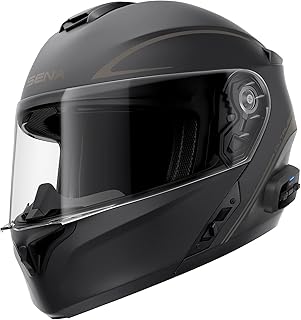
Maintenance: Regularly inspect and clean your helmet, replace parts as needed, and store it properly to ensure longevity
Regular maintenance is crucial for ensuring the longevity and safety of your modular motorcycle helmet. Start by inspecting your helmet regularly for any signs of wear or damage. Look for cracks, dents, or scratches on the outer shell, and check the interior padding for any signs of deterioration. Pay particular attention to the modular components, such as the visor and chin bar, as these are more prone to wear and tear due to their moving parts.
Cleaning your helmet is just as important as inspecting it. Use a soft, damp cloth to wipe down the exterior, and avoid using harsh chemicals or abrasive cleaners that could damage the finish. For the interior, remove the padding and wash it with a mild detergent and warm water. Allow the padding to air dry completely before reinstalling it.
Replacing parts as needed is essential for maintaining the safety and functionality of your helmet. If you notice any damage or wear that compromises the integrity of the helmet, such as a cracked visor or a loose chin bar, replace the affected part immediately. Many modular helmets have replaceable parts, so it's worth keeping a few spares on hand.
Proper storage is also key to extending the life of your helmet. When not in use, store your helmet in a cool, dry place away from direct sunlight. Avoid storing it in a garage or shed where it may be exposed to extreme temperatures or moisture. If you need to transport your helmet, use a protective bag or case to prevent scratches or damage.
By following these maintenance tips, you can ensure that your modular motorcycle helmet remains safe, functional, and comfortable for years to come. Remember, a well-maintained helmet is not only a smart investment but also a crucial safety measure for any motorcyclist.
Secure Your Ride: The Ultimate Guide to Locking Your Helmet on a Motorcycle
You may want to see also