Lauren Kennedy
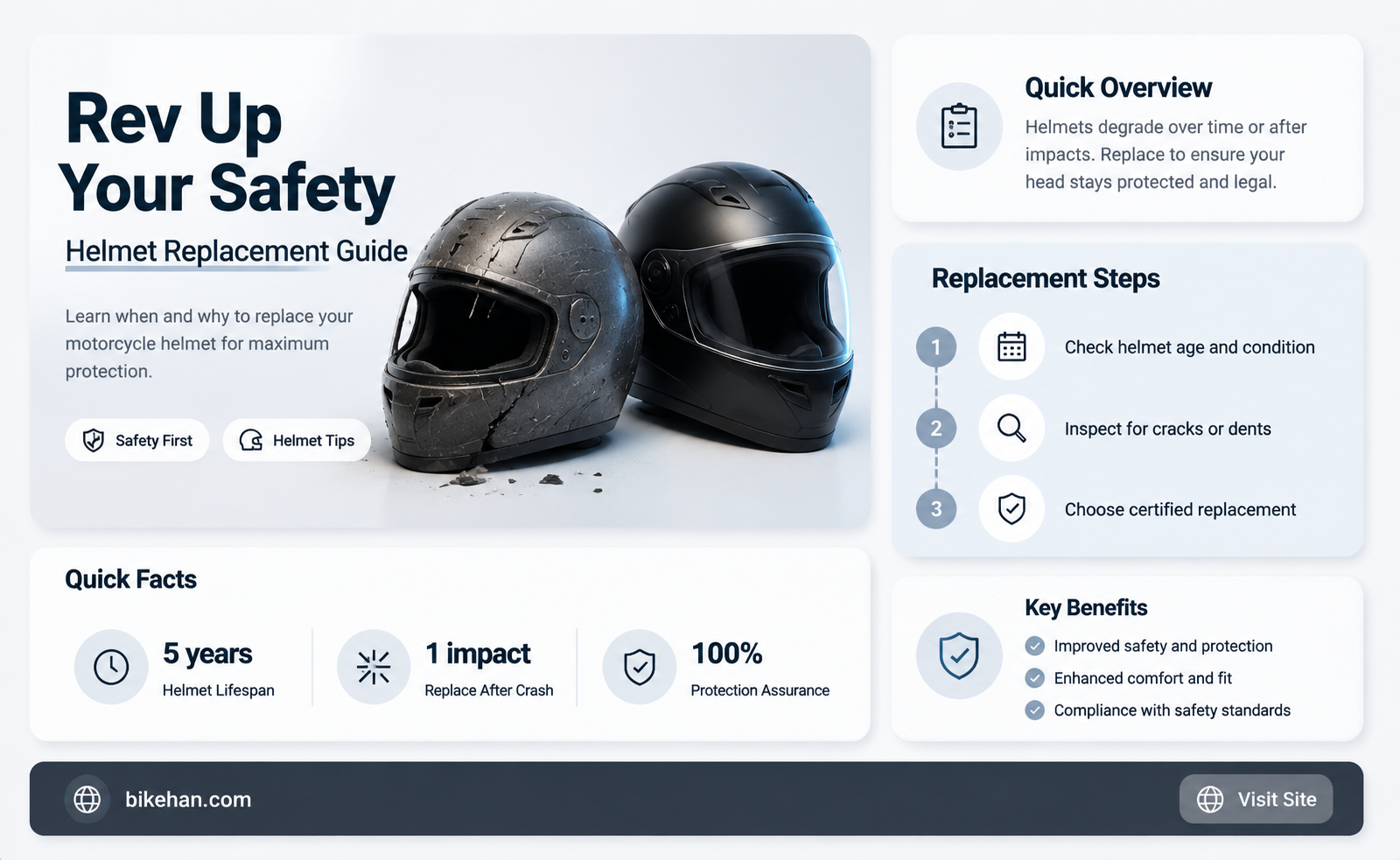
Motorcycle helmets are crucial safety gear for riders, designed to protect the head in the event of an accident. Over time, helmets can become worn or damaged, reducing their effectiveness. It's essential to know how often to replace a motorcycle helmet to ensure maximum protection. The general recommendation is to replace a helmet every five years, or sooner if it has been involved in an accident or shows signs of wear and tear. Additionally, if the helmet's certification expires, it should be replaced immediately. Regular inspections can help identify any damage or degradation that may not be immediately visible. By following these guidelines, riders can help ensure their safety on the road.
| Characteristics | Values |
|---|---|
| Recommended Replacement Interval | Every 3-5 years |
| Impact Absorption | Helmets are designed to absorb impact once, after which their integrity may be compromised |
| Safety Standards | DOT, Snell, ECE, etc. - standards may change over time necessitating replacement |
| Fit and Comfort | Over time, helmet padding can compress and lose its ability to fit snugly and comfortably |
| Visor Condition | Scratches, cracks, or yellowing can impair visibility and necessitate replacement |
| Exterior Damage | Any significant damage to the outer shell can weaken the helmet's protective capabilities |
| Liner and Padding | Removable liners should be washed regularly; if they become worn or damaged, replace them |
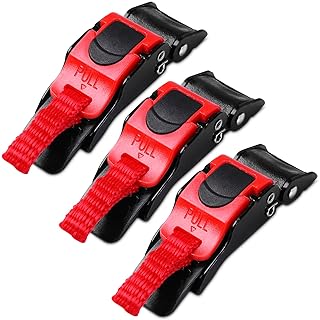
| Retention System | If the chin strap or other retention components become frayed or damaged, the helmet should be replaced |
| Environmental Factors | Exposure to extreme temperatures, sunlight, or chemicals can degrade helmet materials over time |
| Usage Frequency | More frequent riders may need to replace their helmets more often due to increased wear and tear |
| Accident History | If the helmet has been involved in an accident, it should be replaced regardless of visible damage |
| Manufacturer Guidelines | Always consult the manufacturer's recommendations for specific replacement intervals and care instructions |
Explore related products


What You'll Learn
- Impact Frequency: Replace after any impact, no matter how minor, to ensure safety
- Age and Wear: Helmets degrade over time; replace every 3-5 years or if worn
- Certifications: Check for DOT, Snell, or ECE certifications; replace if outdated
- Fit and Comfort: Replace if the helmet no longer fits snugly or comfortably
- Visor Condition: Replace if the visor is scratched, cracked, or obstructs vision

Impact Frequency: Replace after any impact, no matter how minor, to ensure safety
Motorcycle helmets are critical safety gear, and their integrity is paramount to protecting riders. The impact frequency guideline advises replacing a helmet after any impact, regardless of its severity. This precaution is rooted in the understanding that even minor impacts can compromise a helmet's structural integrity, potentially reducing its effectiveness in future collisions.
The rationale behind this guideline lies in the helmet's construction. Modern helmets are designed with a hard outer shell and an inner layer of expanded polystyrene (EPS) foam. Upon impact, the EPS foam compresses to absorb the force, protecting the rider's head. However, once compressed, the foam cannot return to its original shape, leaving the helmet less effective in subsequent impacts.
Implementing the impact frequency guideline requires vigilance and honesty from riders. After any accident or fall, no matter how minor, the helmet should be inspected for damage. Visible cracks, dents, or deformations are clear indicators that the helmet needs replacement. Even if the helmet appears undamaged, the internal EPS foam may still be compromised, necessitating a replacement to ensure continued safety.
While this guideline may seem stringent, it is essential for rider safety. Helmets are not designed to withstand multiple impacts, and using a compromised helmet can lead to severe injuries in the event of another accident. By adhering to the impact frequency guideline, riders can significantly reduce their risk of head injuries and ensure they are always protected on the road.
In conclusion, the impact frequency guideline is a crucial aspect of motorcycle helmet safety. Replacing a helmet after any impact, no matter how minor, is essential to maintaining its protective capabilities. Riders must be diligent in inspecting their helmets after accidents and prioritize safety by replacing any compromised gear.
Is Mounting a GoPro on Your Motorcycle Helmet Legal?
You may want to see also
Explore related products


Age and Wear: Helmets degrade over time; replace every 3-5 years or if worn
Motorcycle helmets are subjected to various stresses during their lifespan, including exposure to sunlight, rain, wind, and the occasional impact. Over time, these factors can lead to the degradation of the helmet's materials, compromising its ability to protect the rider in the event of an accident. It is generally recommended to replace a motorcycle helmet every 3-5 years, depending on usage and environmental conditions. However, if the helmet shows signs of wear or damage before this timeframe, it should be replaced immediately.
One of the primary reasons for helmet degradation is the breakdown of the outer shell and inner foam liner. The outer shell can become brittle and crack due to exposure to UV rays and temperature fluctuations, while the inner foam liner can lose its cushioning properties over time. Additionally, the helmet's visor can become scratched or fogged, reducing visibility and increasing the risk of an accident. Regular inspection of the helmet for any signs of wear or damage is crucial to ensure the rider's safety.
In addition to the recommended replacement interval, there are other factors that can influence the lifespan of a motorcycle helmet. For example, riders who frequently travel in harsh weather conditions or who use their helmets for off-road activities may need to replace their helmets more frequently. Similarly, riders who have been involved in an accident should replace their helmet, even if it does not show any visible signs of damage. The impact of an accident can cause internal damage to the helmet's structure, reducing its effectiveness in future incidents.
To extend the lifespan of a motorcycle helmet, riders should take proper care of their equipment. This includes cleaning the helmet regularly with a mild detergent and water, avoiding the use of harsh chemicals or abrasive materials, and storing the helmet in a cool, dry place away from direct sunlight. Additionally, riders should avoid customizing their helmets with paint or decals, as these can weaken the outer shell and compromise the helmet's structural integrity.
In conclusion, the age and wear of a motorcycle helmet are critical factors in determining when it should be replaced. Riders should be aware of the recommended replacement interval and should regularly inspect their helmets for any signs of wear or damage. By taking proper care of their equipment and being mindful of the factors that can influence helmet lifespan, riders can help ensure their safety and the effectiveness of their protective gear.
Illinois Motorcycle Helmet Law: What You Need to Know
You may want to see also
Explore related products


Certifications: Check for DOT, Snell, or ECE certifications; replace if outdated
Motorcycle helmets are critical safety gear, and their certifications are a testament to their ability to protect riders in the event of an accident. The Department of Transportation (DOT), Snell, and Economic Commission for Europe (ECE) are three major certifying bodies that ensure helmets meet specific safety standards. It's essential to check these certifications regularly, as they can become outdated over time due to changes in technology, materials, and safety regulations.
To ensure your helmet is up to par, start by examining the certification label inside. Look for the DOT, Snell, or ECE mark, along with the date of manufacture. If your helmet is more than five years old, it's generally recommended to replace it, as the materials can degrade over time, reducing their protective capabilities. Additionally, if your helmet has been involved in an accident, it should be replaced immediately, even if it appears undamaged. The impact of a crash can compromise the helmet's structural integrity, putting you at greater risk in future incidents.
When selecting a new helmet, be sure to choose one that meets or exceeds the safety standards set by these certifying bodies. Look for helmets with a full-face design, as they offer the most comprehensive protection. Additionally, consider helmets with advanced features such as impact-absorbing liners, aerodynamic designs, and comfortable padding. Remember, a well-certified helmet is not only a legal requirement in many jurisdictions but also a crucial investment in your safety as a motorcyclist.
In conclusion, regularly checking and updating your motorcycle helmet's certifications is a vital aspect of responsible riding. By ensuring your helmet meets the latest safety standards, you can significantly reduce your risk of injury in the event of an accident. Always prioritize safety and compliance with regulatory bodies when it comes to your protective gear.
Decoding Roadside Symbols: The Significance of a Helmet Behind a Motorcycle
You may want to see also
Explore related products


Fit and Comfort: Replace if the helmet no longer fits snugly or comfortably
A helmet that fits well is crucial for safety and comfort while riding. Over time, helmets can become less snug due to wear and tear, changes in head shape, or exposure to the elements. It's essential to regularly check the fit of your helmet to ensure it's providing the necessary protection. If you notice any discomfort, such as pressure points, headaches, or the helmet feeling too loose or too tight, it's a sign that it may be time to replace it.
To assess the fit of your helmet, start by putting it on without the chin strap and gently shake your head side to side and up and down. The helmet should stay securely in place without any excessive movement. Next, fasten the chin strap and adjust it so that it's snug but not uncomfortable. You should be able to fit one finger between the strap and your chin. If the helmet feels too tight or too loose at this point, it's likely time to replace it.
Another factor to consider is comfort. A helmet that's too heavy or has poor ventilation can cause discomfort during long rides. Look for helmets with good airflow and a comfortable interior lining. Some helmets also come with adjustable features, such as a visor or a sun shield, which can enhance comfort and visibility.
In addition to fit and comfort, it's important to consider the overall condition of your helmet. If it's been involved in an accident, has any cracks or damage, or the padding is worn out, it's definitely time to replace it. Even if your helmet looks fine on the outside, it's recommended to replace it every five years, as the materials can degrade over time, reducing its protective capabilities.
When shopping for a new helmet, take the time to try on different models and sizes to find the best fit for your head. Don't be afraid to ask for advice from a professional at a motorcycle gear store. They can help you find a helmet that meets your specific needs and preferences.
Remember, a properly fitting helmet is essential for your safety on the road. Don't compromise on fit or comfort, and make sure to replace your helmet when necessary to ensure you're getting the best possible protection.
Top Spots to Sell Your Motorcycle Helmets: A Comprehensive Guide
You may want to see also
Explore related products


Visor Condition: Replace if the visor is scratched, cracked, or obstructs vision
Motorcycle helmets are critical safety gear, and their visors play a pivotal role in protecting riders' eyes and ensuring clear vision. Over time, visors can become scratched, cracked, or otherwise compromised, which can significantly reduce their effectiveness. It's essential to inspect your helmet's visor regularly for any signs of damage or wear. If you notice any scratches, cracks, or obstructions that could impair your vision while riding, it's time to replace the visor.
Replacing a damaged visor is a straightforward process that can be done at home with the right tools and a bit of patience. First, you'll need to purchase a replacement visor that is compatible with your specific helmet model. Once you have the new visor, carefully remove the old one by gently prying it away from the helmet's frame. Be cautious not to damage the helmet itself during this process. After removing the old visor, clean the area thoroughly to ensure a secure fit for the new visor. Then, align the new visor with the helmet's frame and press it firmly into place until it clicks or snaps securely.
It's important to note that not all helmet visors are interchangeable, so it's crucial to consult your helmet's user manual or contact the manufacturer to ensure you purchase the correct replacement part. Additionally, some helmets may require professional installation for the visor replacement, so be sure to check the manufacturer's recommendations before attempting to replace the visor yourself.
Regularly inspecting and maintaining your motorcycle helmet, including replacing the visor when necessary, is a vital part of ensuring your safety while riding. A well-maintained helmet can significantly reduce the risk of head injuries in the event of an accident, so it's worth taking the time to keep your gear in good condition.
Reviving Old Motorcycle Helmets: Creative Reuse Ideas
You may want to see also
Frequently asked questions
It is generally recommended to replace a motorcycle helmet every 3 to 5 years, or sooner if it has been involved in an accident or shows signs of wear and tear.
Factors that can affect the lifespan of a motorcycle helmet include frequency of use, exposure to sunlight and weather conditions, and the quality of the helmet's materials and construction.
Yes, you can extend the life of your motorcycle helmet by properly maintaining it, such as cleaning it regularly, storing it in a cool, dry place, and avoiding exposure to harsh chemicals or abrasives.
Wearing an old or damaged motorcycle helmet can increase the risk of injury in the event of an accident, as the helmet may not provide adequate protection or may fail to absorb the impact of a collision.
Signs that your motorcycle helmet needs to be replaced include visible cracks or damage to the shell, worn or frayed straps, a loose or damaged visor, or any other signs of wear and tear that could compromise the helmet's ability to protect you in an accident.