Samantha Lee
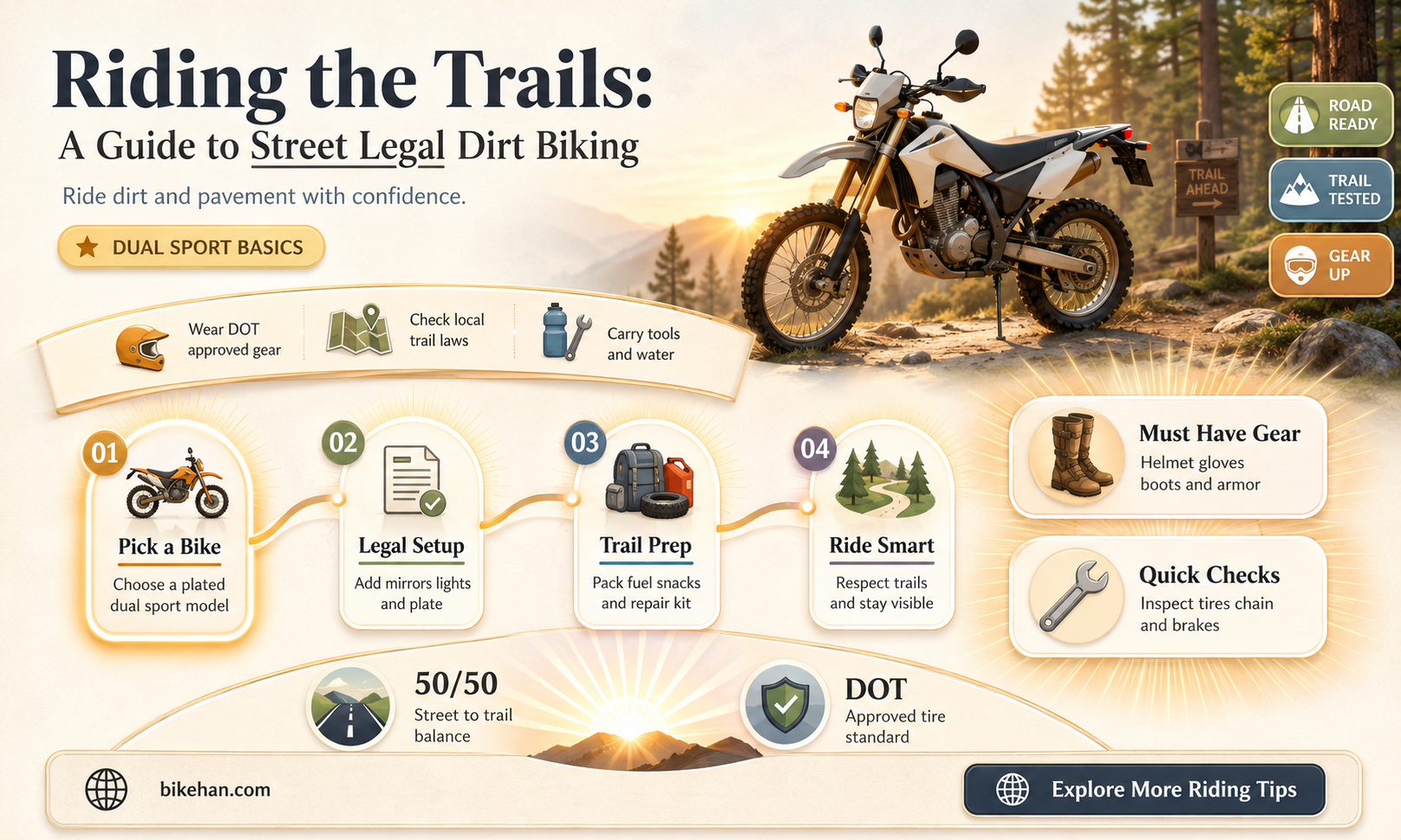
Driving a street-legal dirt bike requires a unique set of skills and knowledge, as these versatile vehicles are designed to handle both on-road and off-road conditions. Before hitting the streets, it's essential to familiarize yourself with the specific laws and regulations governing dirt bike use in your area, as these can vary significantly from one jurisdiction to another. Once you've ensured compliance with local requirements, you'll need to develop a solid understanding of the bike's controls and handling characteristics. This includes mastering the throttle, brakes, and clutch, as well as learning how to balance and maneuver the bike on different terrains. Additionally, it's crucial to invest in appropriate safety gear, such as a helmet, gloves, and protective clothing, to minimize the risk of injury in the event of an accident. With the right preparation and practice, driving a street-legal dirt bike can be an exhilarating and rewarding experience, offering a unique blend of adventure and practicality.
Explore related products



What You'll Learn
- Choosing the Right Bike: Select a street-legal dirt bike that fits your riding style and experience level
- Safety Gear Essentials: Invest in a high-quality helmet, gloves, boots, and protective clothing for safe riding
- Understanding Road Rules: Familiarize yourself with local traffic laws and regulations for operating a dirt bike on public roads
- Riding Techniques: Master basic riding skills such as throttle control, braking, and cornering on both dirt and pavement
- Maintenance and Upkeep: Regularly inspect and maintain your dirt bike to ensure it remains in optimal condition for street use

Choosing the Right Bike: Select a street-legal dirt bike that fits your riding style and experience level
Selecting the right street-legal dirt bike is crucial for both safety and enjoyment. Begin by assessing your riding experience and style. Are you a beginner, intermediate, or advanced rider? Do you prefer off-road trails or urban environments? Your answers will guide your choice. For instance, beginners should opt for bikes with lower power outputs and simpler controls to build confidence and skills.
Consider the bike's weight and height. A lighter bike is easier to maneuver, especially in tight urban spaces, while a lower seat height ensures better control at stops and starts. The suspension system is another key factor; a good suspension will absorb shocks from rough terrain, providing a smoother ride. Look for bikes with adjustable suspension settings to customize the ride to your preferences.
Engine size and power are also important considerations. While larger engines offer more power, they can be overwhelming for inexperienced riders. Start with a smaller engine and gradually move up as your skills improve. Additionally, consider the bike's fuel efficiency and maintenance costs. A fuel-efficient bike will save you money in the long run, and one with lower maintenance costs will keep you on the road with less hassle.
Finally, ensure the bike meets all necessary legal requirements for street use. This includes proper lighting, mirrors, and emissions controls. Check local laws and regulations to ensure compliance. By carefully considering these factors, you can choose a street-legal dirt bike that fits your riding style and experience level, ensuring a safe and enjoyable riding experience.
Mastering the 450 Dirt Bike: A Beginner's Guide to Off-Road Riding
You may want to see also
Explore related products




Safety Gear Essentials: Invest in a high-quality helmet, gloves, boots, and protective clothing for safe riding
Investing in high-quality safety gear is paramount when riding a street-legal dirt bike. The most critical piece of equipment is a helmet that meets or exceeds safety standards. Look for helmets with a full-face design to protect against debris and impacts. Additionally, ensure the helmet fits snugly and is comfortable to wear for extended periods. Gloves are another essential item, providing both protection and improved grip on the handlebars. Choose gloves with reinforced palms and fingers to prevent abrasions in case of a fall.
Protective clothing, such as a riding jacket and pants, should be made from durable materials like leather or abrasion-resistant textiles. These garments often feature built-in armor at key impact points, such as the elbows, shoulders, knees, and hips. When selecting boots, prioritize those with sturdy construction, good ankle support, and non-slip soles. Proper footwear can significantly reduce the risk of injury in the event of an accident.
Beyond the basics, consider additional safety accessories like neck braces, which can help prevent serious neck injuries. Reflective gear or brightly colored clothing can also enhance visibility to other road users, especially in low-light conditions. Regularly inspect and maintain your safety gear to ensure it remains in good condition and continues to provide optimal protection.
Remember, safety gear is an investment in your well-being. While it may seem costly upfront, the potential savings in medical bills and the peace of mind it provides are invaluable. Always wear your safety gear, even for short rides, as accidents can happen unexpectedly. By prioritizing safety, you can enjoy your dirt bike riding experience with greater confidence and reduced risk.
Efficiently Drain Gas from Your 2-Stroke Dirt Bike: A Guide
You may want to see also
Explore related products


Understanding Road Rules: Familiarize yourself with local traffic laws and regulations for operating a dirt bike on public roads
Before hitting the road on your street-legal dirt bike, it's crucial to understand the specific road rules that apply to your vehicle. While dirt bikes are designed for off-road use, when made street-legal, they must adhere to local traffic laws and regulations. This means familiarizing yourself with the rules of the road, including speed limits, right-of-way, and signaling requirements.
One key aspect to consider is the classification of your dirt bike. In many jurisdictions, street-legal dirt bikes are classified as motorcycles, which means they are subject to the same laws and regulations as other motorcycles on the road. This includes requirements for registration, insurance, and licensing. It's important to check with your local Department of Motor Vehicles (DMV) to ensure you have the necessary documentation and permits to operate your dirt bike on public roads.
Another important consideration is the equipment required for street-legal operation. Your dirt bike must be equipped with certain safety features, such as headlights, taillights, turn signals, and mirrors, to ensure visibility and safety on the road. Additionally, you may be required to wear specific safety gear, such as a helmet, gloves, and protective clothing, while riding.
When it comes to riding on public roads, it's essential to be aware of your surroundings and to ride defensively. This means anticipating the actions of other drivers, maintaining a safe following distance, and being prepared to react to unexpected situations. It's also important to respect other road users, including pedestrians, cyclists, and other vehicles, and to follow the rules of the road at all times.
Finally, it's a good idea to take a motorcycle safety course to improve your riding skills and knowledge of traffic laws. These courses are designed to teach riders how to operate their vehicles safely and responsibly, and they often cover topics such as road rules, defensive riding techniques, and emergency maneuvers. By taking a safety course, you can gain the confidence and skills you need to ride your street-legal dirt bike safely and legally on public roads.
Mastering the Art of Road Riding on a Dirt Bike
You may want to see also
Explore related products


Riding Techniques: Master basic riding skills such as throttle control, braking, and cornering on both dirt and pavement
To master basic riding skills on a street-legal dirt bike, it's essential to start with throttle control. On dirt, the key is to maintain a steady throttle to keep the bike moving smoothly over uneven terrain. Avoid abrupt acceleration, which can cause the rear wheel to spin out. On pavement, throttle control is equally crucial for maintaining a consistent speed and ensuring smooth transitions between gears. Practice rolling on and off the throttle gently to develop a feel for how the bike responds.
Braking techniques differ significantly between dirt and pavement. On dirt, use both the front and rear brakes simultaneously to avoid locking up the wheels. Gradually apply pressure to both brakes, starting with the rear brake and then adding the front brake. This balanced approach helps maintain traction on loose surfaces. On pavement, the front brake is more effective due to the increased traction. However, always use both brakes to ensure even stopping power and avoid skidding.
Cornering on dirt requires a different approach than on pavement. On dirt, lean into the turn while keeping your body weight centered over the bike. Use your legs to grip the bike and help steer it through the turn. Throttle control is also important; reduce the throttle slightly as you enter the turn and then gradually increase it as you exit. On pavement, lean into the turn more aggressively and use the throttle to help maintain speed through the corner. Keep your body weight off the inside peg to allow the bike to lean more freely.
In summary, mastering basic riding skills on a street-legal dirt bike involves developing proficient throttle control, braking, and cornering techniques. Practice these skills on both dirt and pavement to become a versatile and confident rider. Remember to always wear appropriate safety gear and follow local traffic laws when riding on public roads.
Mastering the Clutch: A Beginner's Guide to Dirt Bike Driving
You may want to see also
Explore related products

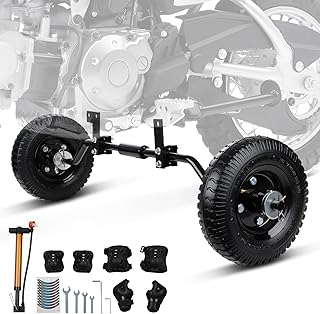


Maintenance and Upkeep: Regularly inspect and maintain your dirt bike to ensure it remains in optimal condition for street use
Regular maintenance is crucial for ensuring your dirt bike remains street legal and performs optimally. Start by familiarizing yourself with your bike's specific maintenance schedule, typically outlined in the owner's manual. This schedule will dictate how often you need to perform various tasks, such as oil changes, tire inspections, and brake adjustments.
One key aspect of maintenance is keeping your bike clean. Dirt and debris can accumulate quickly, especially when riding off-road, and can lead to premature wear and tear on components. Regularly wash your bike with a mild detergent and water, paying special attention to the chain, sprockets, and brakes. After washing, dry your bike thoroughly and apply lubricant to the chain and other moving parts.
Inspecting your tires is another critical maintenance task. Check tire pressure regularly and adjust as needed to ensure proper traction and handling. Also, inspect the tread for wear and replace tires when necessary. Worn tires can significantly impact your bike's performance and safety on the street.
Brake maintenance is essential for safe riding. Inspect your brake pads and discs for wear and replace them when needed. Also, check the brake fluid level and top off as necessary. Bleeding the brakes periodically can help ensure they are functioning correctly and provide consistent stopping power.
Finally, don't overlook the importance of proper storage. When not in use, store your dirt bike in a dry, secure location to protect it from the elements and potential theft. Covering your bike with a breathable cover can help keep it clean and protected from dust and moisture.
By following these maintenance tips, you can help ensure your dirt bike remains in optimal condition for street use, providing a safe and enjoyable riding experience.
Yamaha Dirt Bike Gas Drainage: A Step-by-Step Guide
You may want to see also
Frequently asked questions
For a dirt bike to be street legal, it must meet certain requirements such as having a functioning headlight, taillight, turn signals, mirrors, and a horn. It should also have a valid license plate and meet local emissions standards. Additionally, the bike must be registered and insured according to local laws.
The licensing requirements for driving a street legal dirt bike vary by location. In some areas, a standard motorcycle license may be sufficient, while in others, you may need a specific off-road or dual-sport license. It's important to check with your local Department of Motor Vehicles (DMV) for specific requirements.
When riding a street legal dirt bike, it's crucial to wear appropriate safety gear. This includes a helmet that meets safety standards, gloves, boots, and protective clothing such as a jacket and pants designed for motorcycle riding. Eye protection, such as goggles or a face shield, is also recommended.
Yes, a street legal dirt bike is designed to be versatile and can be ridden on both paved roads and off-road trails. However, it's important to note that the bike's performance and handling may differ between the two surfaces, and you should adjust your riding style accordingly.
To keep a street legal dirt bike in good condition, regular maintenance is essential. This includes checking and changing the oil, cleaning the air filter, inspecting the brakes, and ensuring that all lights and signals are functioning properly. It's also important to keep the bike clean and lubricated, especially after riding in dirt or mud. Regular tire inspections and proper storage can also help extend the life of your dirt bike.