Megan Blake
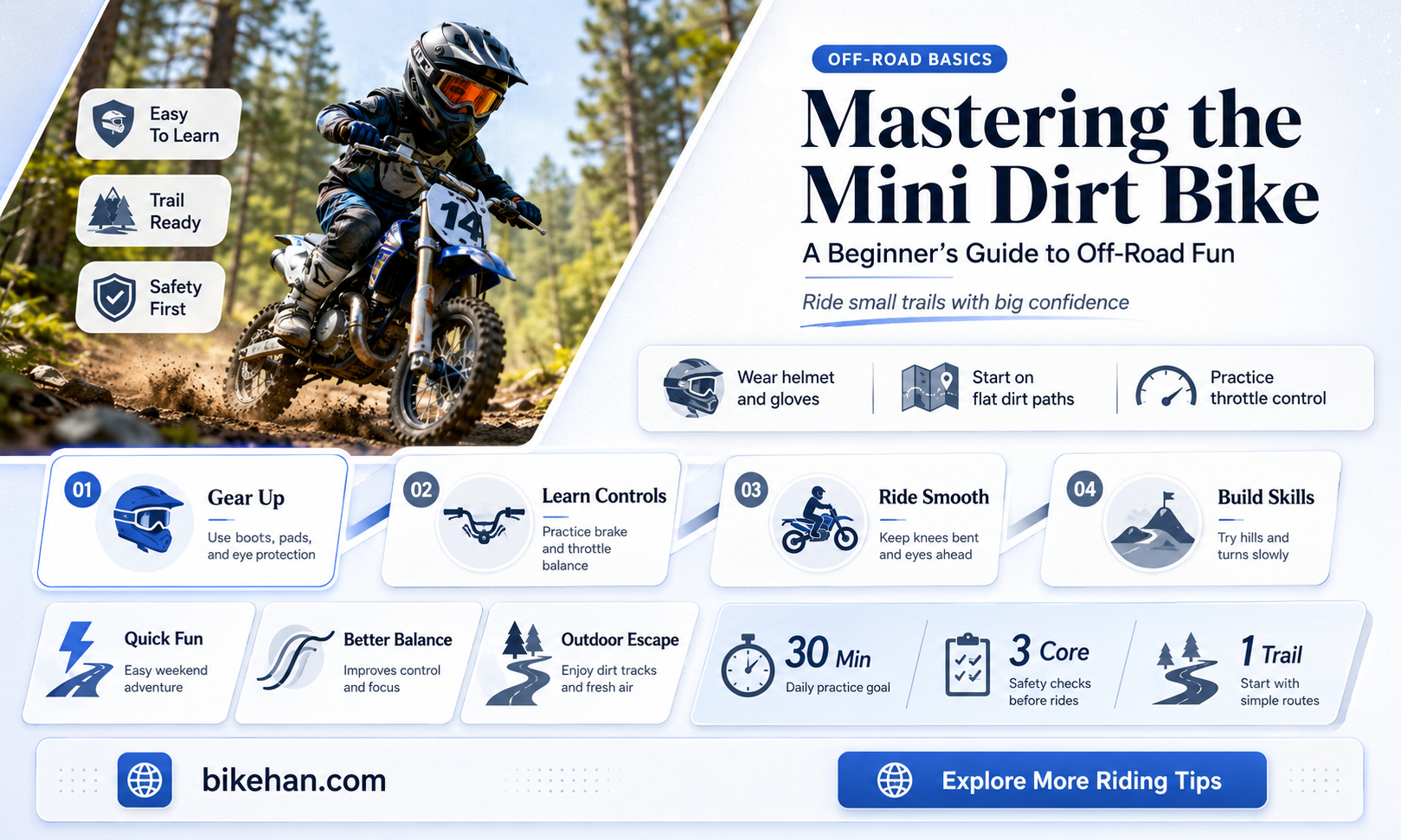
Driving a mini dirt bike can be an exhilarating experience, especially for those new to the world of off-road motorcycling. These compact and agile machines are designed for both children and adults who want to enjoy the thrill of dirt biking on a smaller scale. Before you hit the trails, it's essential to familiarize yourself with the basics of operating a mini dirt bike safely and effectively. This includes understanding the controls, proper riding posture, and essential safety precautions. Whether you're a beginner or an experienced rider looking to downsize, this guide will provide you with the necessary information to get started on your mini dirt bike adventure.
Explore related products


What You'll Learn
- Safety Gear: Essential protective equipment for mini dirt bike riding, including helmets, gloves, and boots
- Bike Maintenance: Regular checks and maintenance tasks to ensure the mini dirt bike is in optimal condition
- Riding Techniques: Fundamental skills such as throttle control, braking, and cornering on a mini dirt bike
- Track Selection: Choosing the right type of track or terrain for a safe and enjoyable mini dirt biking experience
- Post-Ride Care: Steps to take after riding, including cleaning the bike and checking for any potential issues

Safety Gear: Essential protective equipment for mini dirt bike riding, including helmets, gloves, and boots
Mini dirt bike riding can be an exhilarating experience, but it also comes with inherent risks. One of the most crucial aspects of ensuring a safe and enjoyable ride is wearing the appropriate safety gear. This includes helmets, gloves, and boots, which are essential for protecting riders from potential injuries.
Helmets are perhaps the most important piece of safety equipment for mini dirt bike riders. A high-quality helmet can significantly reduce the risk of head injuries in the event of a fall or collision. When choosing a helmet, it's essential to select one that fits properly and meets safety standards. Look for helmets that are specifically designed for off-road use, as they will provide better protection and ventilation than those intended for street riding.
Gloves are another critical component of safety gear for mini dirt bike riders. They not only protect the hands from abrasions and impacts but also provide better grip and control over the bike's handlebars. When selecting gloves, choose ones that are made from durable materials and offer adequate padding and protection. It's also important to ensure that the gloves fit snugly and allow for a full range of motion.
Boots are the final piece of essential safety equipment for mini dirt bike riders. They protect the feet and ankles from injuries and provide better support and control when riding. When choosing boots, look for ones that are specifically designed for off-road use and offer good ankle support, as well as protection from impacts and abrasions. It's also important to ensure that the boots fit properly and are comfortable to wear for extended periods.
In addition to wearing the appropriate safety gear, mini dirt bike riders should also follow other safety precautions, such as riding within their skill level, maintaining their bike regularly, and avoiding riding in hazardous conditions. By taking these steps and wearing the proper safety equipment, riders can significantly reduce their risk of injury and enjoy a safer, more enjoyable riding experience.
Mastering the Art of Wheelies on Your Dirt Bike
You may want to see also
Explore related products


Bike Maintenance: Regular checks and maintenance tasks to ensure the mini dirt bike is in optimal condition
Regular maintenance is crucial to keep your mini dirt bike running smoothly and safely. One of the most important tasks is to regularly check and change the engine oil. This ensures that the engine components are well-lubricated, reducing wear and tear and preventing overheating. It's recommended to change the oil every 5-10 hours of riding time, depending on the bike's usage and the manufacturer's guidelines.
Another key maintenance task is to inspect the tires regularly. Check for signs of wear, such as bald spots or cracks, and ensure that the tires are properly inflated. Underinflated tires can lead to poor handling and increased risk of punctures, while overinflated tires can make the bike uncomfortable to ride and more prone to damage from impacts.
The brakes are another critical component to check regularly. Inspect the brake pads for wear and replace them when necessary. Also, check the brake cables for any signs of fraying or damage, and adjust the brake tension to ensure that the brakes are responsive and effective.
It's also important to keep the bike clean and free of dirt and debris. This not only helps to maintain the bike's appearance but also prevents dirt from getting into the engine and other components, which can cause damage over time. Use a soft brush or cloth to clean the bike, and avoid using high-pressure water jets, which can force dirt into sensitive areas.
Finally, make sure to store the bike properly when not in use. Keep it in a dry, cool place, and use a cover to protect it from dust and moisture. This will help to prevent rust and corrosion, and keep the bike in optimal condition for when you're ready to ride again.
Mastering the Art of Double Jumping on Your Dirt Bike
You may want to see also
Explore related products


Riding Techniques: Fundamental skills such as throttle control, braking, and cornering on a mini dirt bike
Mastering throttle control is crucial for smooth and efficient riding on a mini dirt bike. The throttle is your primary means of controlling speed, and proper technique involves a gentle, rolling motion rather than abrupt twists. Start by finding a flat, open area to practice. With the bike in neutral, slowly roll on the throttle, noting how the engine responds. Practice modulating the throttle to maintain a steady speed, then gradually increase and decrease your pace. Remember, the key is smoothness—avoid jerky movements that could cause the bike to lurch or stall.
Braking on a mini dirt bike requires a different approach compared to larger motorcycles. The front brake is typically operated by a lever on the right handlebar, while the rear brake is controlled by a pedal on the right footpeg. To brake effectively, apply gentle pressure to both the lever and the pedal simultaneously. This balanced approach helps prevent the bike from tipping forward or locking up the wheels. Practice braking from various speeds to develop a feel for how much pressure is needed to slow down or come to a complete stop.
Cornering on a mini dirt bike is an essential skill that involves a combination of body positioning, throttle control, and braking. Approach a corner at a moderate speed and lean into the turn, shifting your body weight towards the inside of the curve. Gradually roll off the throttle as you enter the corner, then apply gentle pressure to the rear brake to help maintain traction. Look ahead to where you want to exit the corner, and your body and bike will naturally follow. As you exit, smoothly roll back on the throttle to accelerate out of the turn.
When practicing these fundamental skills, it's important to start slowly and gradually build your confidence and proficiency. Begin with short sessions and focus on one skill at a time. As you become more comfortable, you can combine these techniques to tackle more challenging riding scenarios. Always wear appropriate safety gear, including a helmet, gloves, and protective clothing, to minimize the risk of injury in case of a fall.
In summary, mastering throttle control, braking, and cornering on a mini dirt bike requires practice, patience, and a focus on smooth, balanced movements. By developing these fundamental skills, you'll be better equipped to handle a variety of riding situations and enjoy a safer, more rewarding experience on your mini dirt bike.
Dirt Bike Drag Racing 101: Tips and Techniques to Get You Started
You may want to see also
Explore related products


Track Selection: Choosing the right type of track or terrain for a safe and enjoyable mini dirt biking experience
Selecting the appropriate track or terrain is crucial for a safe and enjoyable mini dirt biking experience. The type of track you choose can significantly impact your performance, safety, and overall enjoyment. For beginners, it's essential to start on a track that is not too challenging, allowing you to build your skills and confidence gradually. A flat, open area with minimal obstacles is ideal for those new to mini dirt biking. As you progress, you can move on to more complex tracks with jumps, turns, and other features that will test your abilities and provide a thrilling ride.
When choosing a track, consider the condition of the terrain. A well-maintained track with good traction is essential for safe riding. Avoid tracks that are too muddy or slippery, as these can increase the risk of accidents. Additionally, be mindful of the weather conditions, as wet or icy tracks can be particularly hazardous. It's also important to choose a track that is appropriate for your skill level. Attempting to ride on a track that is beyond your abilities can lead to frustration and potential injury.
For those looking to improve their skills, consider seeking out tracks with specific features that challenge you. For example, if you struggle with jumps, find a track with several jumps of varying sizes to practice on. Similarly, if you need to work on your cornering technique, look for a track with tight turns and switchbacks. Remember to always ride within your limits and gradually build up your skills over time.
In addition to the track itself, consider the surrounding environment. A track located in a scenic area can enhance your overall experience, making the ride more enjoyable and memorable. Furthermore, choose a track that is easily accessible and has the necessary facilities, such as parking, restrooms, and refreshments. This will ensure a smooth and hassle-free experience, allowing you to focus on your riding.
Ultimately, the key to a safe and enjoyable mini dirt biking experience is to choose a track that is appropriate for your skill level, well-maintained, and offers the right level of challenge. By carefully selecting your track, you can minimize the risk of accidents and maximize your enjoyment, making mini dirt biking a rewarding and exciting hobby.
Mastering the Art of Gear Shifting on a Dirt Bike
You may want to see also
Explore related products


Post-Ride Care: Steps to take after riding, including cleaning the bike and checking for any potential issues
After an exhilarating ride on your mini dirt bike, it's crucial to follow a comprehensive post-ride care routine to ensure the longevity and optimal performance of your vehicle. Begin by thoroughly cleaning the bike, paying special attention to the chain, sprockets, and air filter. Use a soft brush to remove dirt and debris from these components, and apply a suitable lubricant to the chain to prevent rust and wear.
Next, inspect the tires for any signs of damage or excessive wear. Check the tire pressure and adjust it according to the manufacturer's recommendations. Examine the brake pads and discs for wear, and ensure that the brake lever and pedal are functioning correctly. If you notice any issues, address them promptly to maintain safe riding conditions.
Move on to checking the suspension system, including the front forks and rear shock absorber. Look for any leaks or damage, and test the bike's response to weight changes or bouncing to ensure proper damping. If necessary, consult your owner's manual for guidance on adjusting the suspension settings.
Don't forget to inspect the electrical components, such as the battery, lights, and ignition system. Test the bike's lights and horn to ensure they are functioning correctly, and check the battery terminals for corrosion or loose connections. If you encounter any electrical issues, seek professional assistance to avoid potential safety hazards.
Finally, store your mini dirt bike in a dry, secure location away from direct sunlight and extreme temperatures. Cover the bike with a suitable protective cover to shield it from dust and debris. Regularly starting the engine and running it for a few minutes can help maintain its performance and prevent issues related to prolonged inactivity.
By following these post-ride care steps, you can keep your mini dirt bike in top condition, ensuring a safe and enjoyable riding experience every time.
Mastering the Manual: A Beginner's Guide to Dirt Bike Driving
You may want to see also
Frequently asked questions
Always wear a helmet, gloves, long-sleeved shirt, long pants, and sturdy boots to protect yourself from injuries.
Typically, you would turn on the ignition, ensure the bike is in neutral, and then either kick-start or use an electric starter if available.
Keep your weight centered, use your legs to absorb shocks, maintain a steady throttle, and look ahead to anticipate obstacles.