Lauren Kennedy
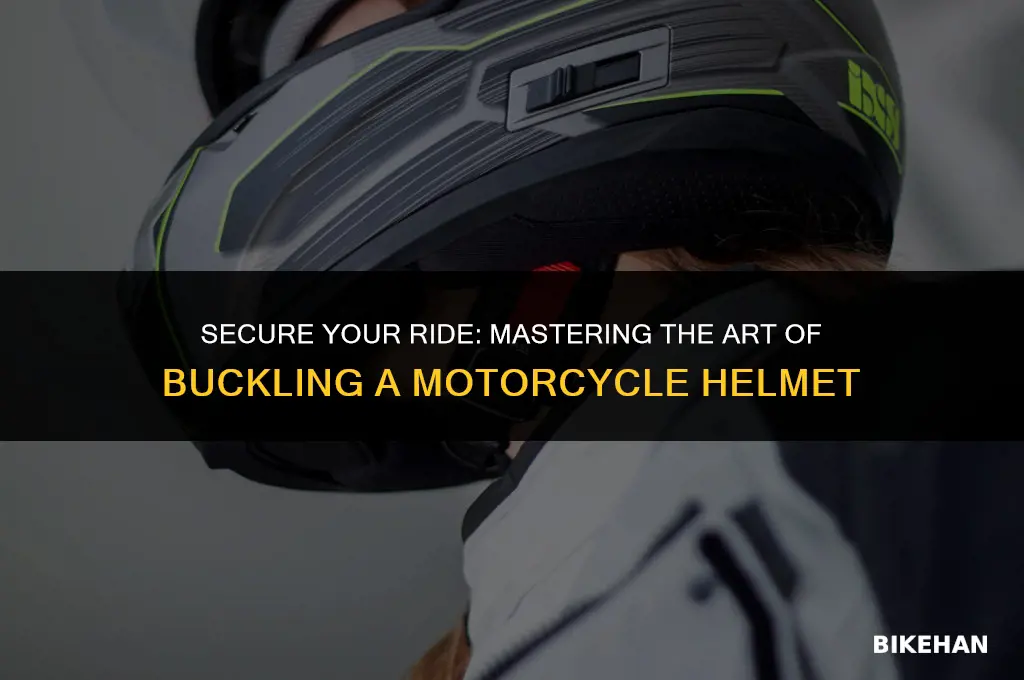
Buckling a motorcycle helmet is a crucial step in ensuring rider safety. A properly secured helmet can significantly reduce the risk of head injuries in the event of an accident. To buckle a motorcycle helmet, start by placing the helmet on your head, ensuring it fits snugly and the inner lining is comfortable against your skin. Next, locate the chin strap, which typically consists of two ends that need to be connected securely under your chin. Fasten the buckle by sliding the strap through it and pulling it tight, making sure the helmet is firmly in place and the strap is not too loose or too tight. Adjust the strap as necessary for comfort and security. Finally, check that the helmet is stable and does not move excessively when you shake your head. By following these steps, you can ensure your helmet is properly buckled and ready for a safe ride.
Explore related products



What You'll Learn
- Choosing the Right Helmet: Select a helmet that fits snugly, covering the forehead and sitting above the eyebrows
- Positioning the Helmet: Place the helmet on your head, ensuring it's level and not tilted forward or backward
- Securing the Chin Strap: Fasten the chin strap securely, adjusting it so it's tight enough to stay in place but not so tight it's uncomfortable
- Checking the Fit: Move the helmet side to side and up and down to ensure it stays in place and doesn't shift excessively
- Final Adjustments: Adjust the helmet's ventilation and visor as needed for comfort and visibility before riding

Choosing the Right Helmet: Select a helmet that fits snugly, covering the forehead and sitting above the eyebrows
A well-fitting helmet is crucial for both comfort and safety when riding a motorcycle. To ensure you select the right helmet, start by measuring your head circumference with a flexible tape measure. This measurement will help you choose the correct size. When trying on helmets, make sure the chin strap is fastened securely and the helmet sits snugly on your head without any gaps. The helmet should cover your forehead completely and sit just above your eyebrows, providing maximum protection in case of an accident.
It's important to note that different helmet brands and models may have slightly different sizing standards. Therefore, it's recommended to try on multiple helmets from various manufacturers to find the best fit. Additionally, consider the weight and balance of the helmet, as a heavier helmet may cause neck strain during long rides. Look for helmets with adjustable ventilation systems to ensure proper airflow and reduce fogging of the visor.
When selecting a helmet, also consider the type of riding you will be doing. For example, if you plan on riding off-road, a full-face helmet with a visor may not be the best choice. Instead, opt for a modular helmet that can be easily removed when needed. On the other hand, if you primarily ride on highways, a full-face helmet with a visor will provide better protection from wind and debris.
In addition to fit and comfort, it's essential to choose a helmet that meets safety standards. Look for helmets that are certified by organizations such as the Department of Transportation (DOT) or the Snell Memorial Foundation. These certifications ensure that the helmet has undergone rigorous testing and meets specific safety criteria.
Finally, remember that a helmet is a critical piece of safety equipment and should be replaced every five years or after any impact, regardless of how minor it may seem. Regularly inspect your helmet for any signs of wear or damage, and replace it immediately if necessary. By choosing the right helmet and maintaining it properly, you can significantly reduce the risk of head injuries in the event of an accident.
Rev Up Your Ride: The Ultimate Guide to Cleaning Motorcycle Helmet Pads
You may want to see also
Explore related products


Positioning the Helmet: Place the helmet on your head, ensuring it's level and not tilted forward or backward
To properly position a motorcycle helmet, begin by placing it on your head while ensuring it sits level. This means the helmet should not tilt forward, which could obstruct your vision, nor should it tilt backward, which could expose your forehead and compromise safety. A level helmet provides optimal protection and comfort.
Start by adjusting the helmet's chin strap. This strap should be snug but not overly tight, allowing for one finger to fit comfortably between the strap and your chin. The chin strap should form a 'Y' shape around your ears, ensuring the helmet remains securely in place.
Next, check the helmet's position from side to side. It should be centered on your head, with the front edge sitting just above your eyebrows. If the helmet is too far forward, it may push against your forehead and cause discomfort during long rides. If it's too far back, it could shift during sudden movements, potentially leading to an accident.
Additionally, ensure the helmet's interior padding is properly adjusted. Many helmets come with removable and adjustable padding, allowing you to customize the fit to your head's unique shape. This padding should be snug but not constricting, providing a comfortable and secure fit.
Finally, perform a quick safety check. With the helmet securely buckled, try to lift it off your head. If it comes off easily, the chin strap may be too loose. If it's difficult to remove, the strap is likely too tight. Adjust the strap accordingly to ensure a proper fit.
Remember, a well-positioned helmet is crucial for both safety and comfort while riding a motorcycle. By following these steps, you can ensure your helmet is properly positioned and securely fastened, providing optimal protection during your rides.
Exploring the Versatility of Modular Motorcycle Helmets
You may want to see also
Explore related products


Securing the Chin Strap: Fasten the chin strap securely, adjusting it so it's tight enough to stay in place but not so tight it's uncomfortable
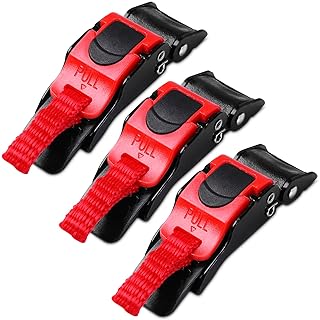
To secure the chin strap of a motorcycle helmet, begin by locating the strap's adjustment mechanism, typically found near the bottom edge of the helmet. This mechanism may involve a sliding buckle or a ratcheting system, both of which allow for precise adjustments. Once located, grasp the strap firmly and pull it through the adjustment mechanism to tighten it around your chin. Ensure the strap is snug but not overly constrictive, as this can lead to discomfort during extended rides. A properly adjusted chin strap should allow for one to two fingers to fit comfortably between the strap and your chin.
It's crucial to avoid common mistakes when fastening the chin strap. One such error is leaving the strap too loose, which can compromise the helmet's ability to stay securely in place during an accident. Conversely, over-tightening the strap can cause discomfort and even restrict blood flow, leading to potential health issues. To prevent these issues, take the time to adjust the strap incrementally, checking for both security and comfort after each adjustment.
For riders with beards or other facial hair, securing the chin strap can present additional challenges. In these cases, it may be necessary to trim facial hair around the chin area to ensure a proper fit. Alternatively, some helmets offer chin straps with additional padding or wider designs to accommodate facial hair without sacrificing security.
Regular maintenance of the chin strap is also essential to ensure its continued effectiveness. Inspect the strap and adjustment mechanism regularly for signs of wear or damage, such as fraying, cracks, or rust. If any issues are detected, replace the affected components immediately to maintain the helmet's safety standards.
Finally, it's important to note that the chin strap is just one component of a properly secured motorcycle helmet. Riders should also ensure that the helmet fits correctly on their head, with the top edge sitting just above the eyebrows and the sides fitting snugly without causing discomfort. By paying attention to these details and following the manufacturer's guidelines, riders can significantly enhance their safety while enjoying their motorcycle journeys.
Clear Vision, Safe Ride: Defeating Helmet Fog
You may want to see also
Explore related products


Checking the Fit: Move the helmet side to side and up and down to ensure it stays in place and doesn't shift excessively
To ensure a proper fit, it's crucial to move the helmet side to side and up and down. This movement helps to confirm that the helmet stays securely in place and doesn't shift excessively, which is vital for safety while riding. A helmet that moves around too much can obstruct your vision, cause discomfort, and potentially come off in the event of an accident.
Start by gently moving your head from side to side. The helmet should remain snug against your head without any significant lateral movement. If you feel the helmet sliding or shifting, it may be too loose or not properly adjusted. Next, move your head up and down. The helmet should stay firmly in place, with the chin strap keeping it secure around your jawline. Excessive vertical movement could indicate that the strap is too long or not fastened correctly.
It's also important to check that the helmet doesn't tilt forward or backward excessively. A helmet that tilts too far forward can obstruct your vision, while one that tilts too far backward may not provide adequate protection in the event of a crash. Adjust the chin strap and the helmet's position on your head as needed to achieve a comfortable and secure fit.
Remember, a properly fitted helmet is essential for your safety on the road. Take the time to check the fit carefully before you start riding, and make any necessary adjustments to ensure that the helmet stays in place and provides the protection you need.
Rev Up Your Ride: The Ultimate Guide to Cleaning Your Motorcycle Helmet
You may want to see also
Explore related products


Final Adjustments: Adjust the helmet's ventilation and visor as needed for comfort and visibility before riding
Before hitting the road, it's crucial to ensure your motorcycle helmet is not only securely buckled but also properly adjusted for optimal comfort and visibility. This often-overlooked step can significantly impact your riding experience and safety. Start by checking the helmet's ventilation system. Most modern helmets feature adjustable vents that allow you to control the airflow. Experiment with different settings to find the perfect balance between staying cool and reducing wind noise. Remember, excessive wind noise can be distracting and may even damage your hearing over time.
Next, focus on the visor. A well-adjusted visor should provide a clear, unobstructed view of the road while protecting your eyes from debris, insects, and the elements. Ensure the visor is clean and free of scratches. If your helmet has a quick-change visor system, familiarize yourself with the mechanism to avoid any fumbling while on the move. Adjust the visor's angle to minimize glare from the sun and to accommodate your line of sight. Some riders prefer a slightly tinted visor to reduce eye strain, especially during long rides.
Consider the fit of the helmet as well. A helmet that's too tight can cause discomfort and even headaches, while a loose helmet may not provide adequate protection in the event of an accident. Adjust the padding and straps as needed to achieve a snug, comfortable fit. Pay attention to the chin strap, ensuring it's neither too tight nor too loose. A properly adjusted chin strap should allow you to fit one finger comfortably between the strap and your chin.
Finally, take a moment to check the helmet's overall condition. Inspect the exterior for any signs of damage or wear, and ensure all components, including the buckle, are in good working order. Regular maintenance and timely replacement of worn parts are essential to maintaining the helmet's protective capabilities.
By taking the time to make these final adjustments, you'll not only enhance your comfort and visibility but also contribute to a safer and more enjoyable riding experience. Remember, a well-adjusted helmet is just as important as a properly buckled one.
Vermont's Motorcycle Helmet Law: What You Need to Know
You may want to see also