Matthew Brooks
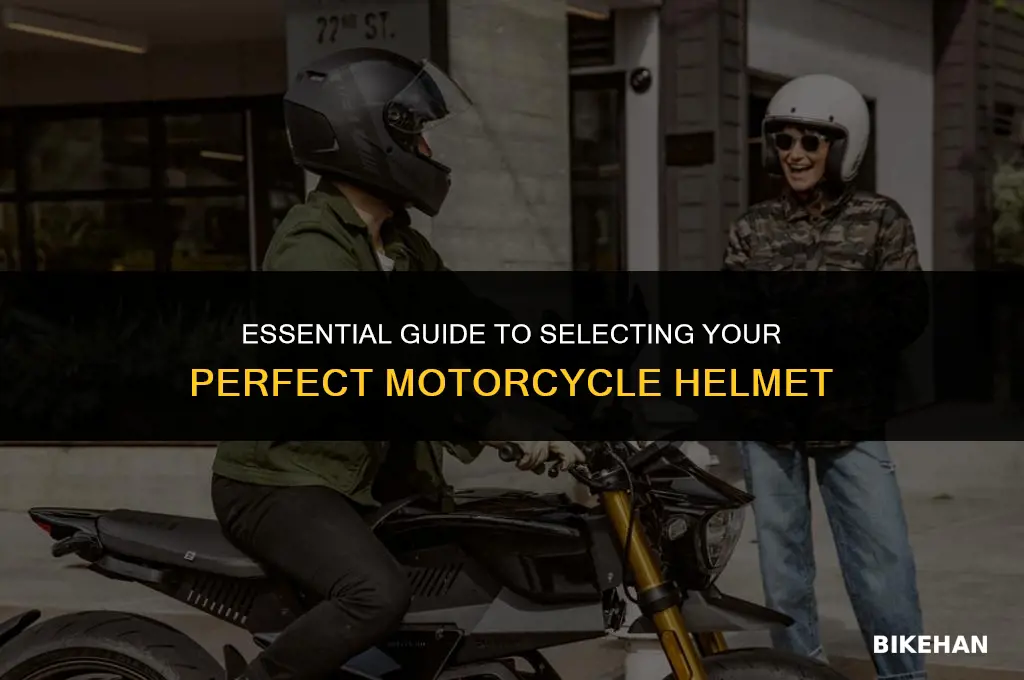
Choosing the right motorcycle helmet is crucial for both safety and comfort. A good helmet can significantly reduce the risk of head injuries in the event of an accident. When selecting a helmet, consider the following factors: safety ratings, fit, weight, ventilation, and noise reduction. Look for helmets that meet safety standards such as DOT, Snell, or ECE. Ensure the helmet fits snugly but comfortably, with enough room for your fingers to fit between the helmet and your head. A lighter helmet can reduce neck strain during long rides. Adequate ventilation is important to prevent fogging and to keep you cool. Lastly, consider the noise level; a quieter helmet can reduce fatigue and improve your ability to hear important sounds while riding.
Explore related products



What You'll Learn
- Safety Ratings: Look for helmets with high safety ratings from organizations like DOT, Snell, or ECE
- Fit and Comfort: Ensure the helmet fits snugly and comfortably, with no pressure points or discomfort
- Helmet Type: Choose between full-face, open-face, modular, or half-shell helmets based on your riding style
- Material and Construction: Opt for helmets made from high-quality materials like polycarbonate, fiberglass, or carbon fiber
- Additional Features: Consider features like ventilation, visor quality, and weight when selecting a helmet

Safety Ratings: Look for helmets with high safety ratings from organizations like DOT, Snell, or ECE
When selecting a motorcycle helmet, safety should be your top priority. One of the most reliable ways to ensure you're choosing a safe helmet is to look for high safety ratings from reputable organizations. The Department of Transportation (DOT), Snell Memorial Foundation, and Economic Commission for Europe (ECE) are three such organizations that provide safety ratings for motorcycle helmets.
The DOT is a U.S.-based organization that sets safety standards for helmets sold in the United States. Their ratings are based on a series of tests that evaluate a helmet's ability to absorb impact, resist penetration, and retain the rider's head in the event of a crash. Helmets that meet or exceed these standards are awarded a DOT certification.
The Snell Memorial Foundation is a non-profit organization that also conducts safety tests on motorcycle helmets. Their ratings are based on a combination of impact absorption, penetration resistance, and retention system effectiveness. Helmets that pass these tests are awarded a Snell certification.
The ECE is a United Nations organization that sets safety standards for helmets sold in Europe. Their ratings are based on a series of tests that evaluate a helmet's impact absorption, penetration resistance, and retention system effectiveness. Helmets that meet or exceed these standards are awarded an ECE certification.
When shopping for a motorcycle helmet, it's important to look for helmets that have high safety ratings from one or more of these organizations. This will give you confidence that the helmet you choose is designed to provide a high level of protection in the event of a crash. Additionally, be sure to choose a helmet that fits properly and is comfortable to wear, as this will increase the likelihood that you'll wear it consistently.
Exploring Maryland's Motorcycle Helmet Laws: A Comprehensive Guide
You may want to see also
Explore related products


Fit and Comfort: Ensure the helmet fits snugly and comfortably, with no pressure points or discomfort
A well-fitting helmet is crucial for both safety and comfort during motorcycle rides. To ensure a snug fit, start by measuring your head circumference with a flexible tape measure, positioning it just above your eyebrows and ears. This measurement will help you select the appropriate helmet size. When trying on helmets, make sure to wear a thin, moisture-wicking layer underneath to prevent slippage and improve comfort. The helmet should sit comfortably on your head without any pressure points, and the chin strap should be adjusted to allow for one finger to fit snugly between the strap and your chin.
Comfort is equally important, as you'll be wearing the helmet for extended periods. Look for helmets with interior padding made from soft, breathable materials that can wick away moisture and reduce heat buildup. The helmet's weight is also a factor; lighter helmets can reduce neck strain during long rides. Additionally, consider the helmet's aerodynamics and noise reduction features, as these can significantly impact comfort at high speeds.
It's essential to try on different helmet models and brands to find the one that fits your head shape best. Some helmets may fit too tightly around the forehead or temples, while others may be too loose around the jawline. Take your time to find a helmet that conforms to your head without causing any discomfort. Remember, a helmet that fits well will not only be more comfortable but also provide better protection in the event of an accident.
Once you've found a helmet that fits snugly and comfortably, it's important to maintain it properly. Regularly inspect the helmet for any signs of wear or damage, and replace the interior padding as needed to ensure continued comfort and protection. By prioritizing fit and comfort, you can enjoy your motorcycle rides with greater confidence and safety.
Top Spots to Sell Your Motorcycle Helmets: A Comprehensive Guide
You may want to see also
Explore related products


Helmet Type: Choose between full-face, open-face, modular, or half-shell helmets based on your riding style
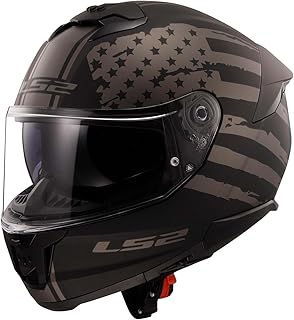
Full-face helmets offer the most comprehensive protection, covering the entire head and face. They are ideal for high-speed riding and provide excellent aerodynamics. However, they can be less comfortable in hot weather due to limited airflow. Open-face helmets, on the other hand, leave the face exposed, offering less protection but more comfort and visibility. They are suitable for casual, low-speed riding in urban environments. Modular helmets combine the benefits of full-face and open-face helmets, with a chin bar that can be raised or lowered. They provide versatility and are suitable for a variety of riding styles. Half-shell helmets offer minimal coverage, protecting only the top and back of the head. They are lightweight and comfortable but provide the least protection in the event of a crash.
When choosing a helmet type, consider your riding style and the level of protection you need. If you ride at high speeds or on long journeys, a full-face helmet may be the best option. If you prefer a more relaxed, urban riding experience, an open-face or half-shell helmet could be more suitable. Modular helmets offer a good compromise between protection and comfort, making them a popular choice for many riders.
It's also important to consider the weather conditions you'll be riding in. Full-face helmets can be less comfortable in hot weather, while open-face and half-shell helmets may not provide enough protection in cold or wet conditions. If you ride in a variety of weather conditions, a modular helmet could be a good choice, as it allows you to adjust the level of protection and airflow as needed.
Ultimately, the best helmet type for you will depend on your individual preferences and riding habits. It's important to choose a helmet that provides the right level of protection and comfort for your specific needs.
Georgia's Motorcycle Helmet Law: What You Need to Know
You may want to see also
Explore related products


Material and Construction: Opt for helmets made from high-quality materials like polycarbonate, fiberglass, or carbon fiber
When selecting a motorcycle helmet, the material and construction are paramount to ensuring safety and durability. High-quality materials such as polycarbonate, fiberglass, or carbon fiber are preferred choices due to their superior strength-to-weight ratios and impact resistance. Polycarbonate helmets are known for their lightweight properties and ability to absorb impact, making them a popular choice among riders. Fiberglass helmets offer a balance between weight and strength, providing excellent protection without compromising comfort. Carbon fiber helmets, although more expensive, are the pinnacle of helmet construction, offering unmatched strength and a feather-light feel.
Beyond the material, the construction of the helmet plays a crucial role in its performance. A well-constructed helmet should have a solid, multi-density foam liner that can absorb and distribute impact forces effectively. The outer shell should be aerodynamically designed to reduce wind resistance and noise, enhancing rider comfort during long journeys. Additionally, the helmet should feature a secure and adjustable visor system, allowing riders to customize their field of vision and protect their eyes from debris and wind.
When examining a helmet's construction, pay close attention to the stitching and overall build quality. High-quality helmets will have even, tight stitching with no loose threads or imperfections. The chin strap should be robust and feature a secure buckle mechanism to ensure the helmet stays in place during a crash. It's also essential to consider the helmet's weight, as a heavier helmet can cause neck fatigue over extended periods.
In conclusion, investing in a helmet made from high-quality materials and constructed with attention to detail is crucial for motorcycle riders. Not only does it provide superior protection in the event of an accident, but it also enhances comfort and reduces fatigue during long rides. By prioritizing material and construction, riders can ensure they are getting the best possible protection for their head while enjoying their time on the road.
Kentucky's Motorcycle Helmet Law: What You Need to Know
You may want to see also
Explore related products


Additional Features: Consider features like ventilation, visor quality, and weight when selecting a helmet
Ventilation is a critical feature to consider when selecting a motorcycle helmet. A well-ventilated helmet can significantly improve rider comfort, especially during long rides or in hot weather. Look for helmets with adjustable vents that allow you to control the airflow. Some helmets even have advanced ventilation systems that use channels to direct air around your head, reducing fogging and providing a cooling effect.
Visor quality is another important aspect to consider. A high-quality visor should be shatter-resistant and provide 100% UV protection. It should also be easy to clean and maintain. Some helmets come with anti-fog coatings or hydrophilic coatings that help to reduce fogging and improve visibility in wet conditions. Additionally, consider the visor's tint and how it will affect your visibility in different lighting conditions.
Weight is a crucial factor in helmet selection, as it can impact rider comfort and safety. A lighter helmet is generally more comfortable to wear for extended periods, but it should not compromise on safety features. Look for helmets that are certified by safety standards such as DOT, Snell, or ECE, which ensure that the helmet has been tested for impact resistance and penetration protection.
When selecting a helmet, it's essential to consider the specific features that align with your riding needs and preferences. For example, if you frequently ride in hot weather, prioritize ventilation. If you often ride in low-light conditions, consider a helmet with a high-quality visor and appropriate tint. And if you're concerned about comfort during long rides, look for a lightweight helmet that doesn't sacrifice safety.
In conclusion, when choosing a motorcycle helmet, it's crucial to consider the additional features that will enhance your riding experience and safety. By prioritizing ventilation, visor quality, and weight, you can find a helmet that meets your specific needs and provides the necessary protection and comfort for your rides.
Decoding Roadside Symbols: The Significance of a Helmet Behind a Motorcycle
You may want to see also
Frequently asked questions
When choosing a motorcycle helmet, look for key safety features such as a DOT (Department of Transportation) certification, a full-face design for maximum protection, a sturdy chin strap with a quick-release buckle, and a visor that can be easily raised and lowered. Additionally, consider helmets with MIPS (Multi-Directional Impact Protection System) technology, which can help reduce the risk of brain injury in the event of an accident.
To determine the right size for your motorcycle helmet, measure the circumference of your head using a flexible tape measure. Start at the forehead, wrap the tape around the back of your head, and bring it back to the forehead. Use this measurement to refer to the manufacturer's sizing chart. It's important to choose a helmet that fits snugly but comfortably, without any pressure points.
There are several types of motorcycle helmets available, including full-face, open-face, modular, and half-shell. Full-face helmets offer the most protection and are ideal for long-distance riding or high-speed travel. Open-face helmets provide less protection but offer better visibility and ventilation, making them suitable for city riding or short trips. Modular helmets combine the features of full-face and open-face helmets, with a visor that can be raised and lowered. Half-shell helmets offer minimal protection and are best for casual, low-speed riding. The best type of helmet for you depends on your riding style, preferences, and the level of protection you require.
It's recommended to replace your motorcycle helmet every 5 years or after any significant impact. Over time, the materials in your helmet can degrade, reducing its ability to protect you in the event of an accident. Additionally, a helmet that has been involved in a crash should be replaced immediately, as it may have sustained damage that is not visible to the naked eye. Regularly inspecting your helmet for signs of wear and tear, such as cracks, scratches, or loose components, can help ensure that it remains in good condition and provides the necessary protection.