Eric Johnson
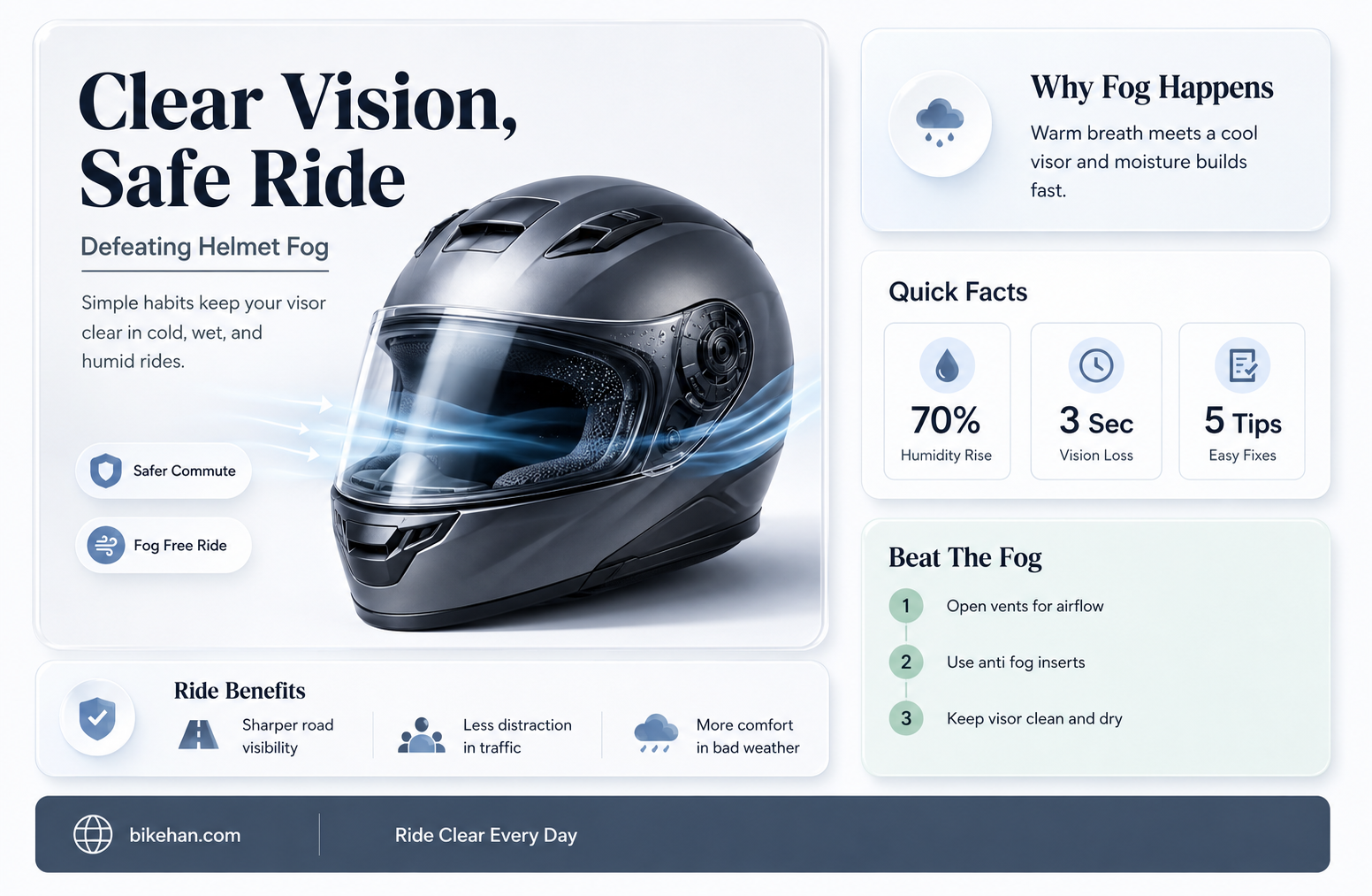
Motorcycle riders often face the challenge of their helmet visors fogging up, especially during colder weather or when transitioning between different temperatures. This can be a safety hazard, reducing visibility and increasing the risk of accidents. To combat this issue, riders can employ several strategies. One effective method is to use an anti-fog spray or wipe on the inside of the visor, which creates a hydrophilic layer that spreads moisture thinly across the surface, preventing fog from forming. Another approach is to ensure proper ventilation by opening the helmet's vents or wearing a helmet with a built-in ventilation system. Additionally, riders can try to acclimate their helmet to the outside temperature before riding by leaving it in the sun or using a hairdryer on a low setting. By implementing these techniques, motorcycle enthusiasts can maintain clear vision and enhance their safety on the road.
| Characteristics | Values |
|---|---|
| Cause | Condensation due to temperature difference |
| Solution | Use anti-fog coating or spray |
| Prevention | Ensure proper ventilation |
| Common Issue | Frequent in humid or cold weather |
| Quick Fix | Wipe with a microfiber cloth |
| Long-term Fix | Apply a hydrophobic coating |
| Product Recommendation | Silicone-based anti-fog sprays |
| Homemade Solution | Vinegar and water mixture |
| Frequency of Application | Depends on usage, typically weekly |
| Effectiveness | High for temporary solutions, moderate for long-term |
| Safety Impact | Improved visibility, hence safer riding |
| Cost | Varies from inexpensive homemade solutions to pricier commercial products |
| Ease of Use | Simple application, requires minimal tools |
| Durability | Temporary solutions wear off quickly, permanent coatings last longer |
| Additional Benefit | Some anti-fog solutions also repel water and dust |
Explore related products




What You'll Learn
- Use Anti-Fog Coatings: Apply specialized anti-fog coatings to the helmet's visor for improved visibility
- Proper Ventilation: Ensure adequate airflow by adjusting the helmet's ventilation system to reduce moisture buildup
- Pinlock Inserts: Install Pinlock inserts, small anti-fog lenses that attach to the inside of the visor
- Breath Control: Practice controlled breathing to minimize exhaled moisture that can condense on the visor
- Regular Cleaning: Clean the visor regularly with a microfiber cloth and anti-fog solution to maintain clarity

Use Anti-Fog Coatings: Apply specialized anti-fog coatings to the helmet's visor for improved visibility
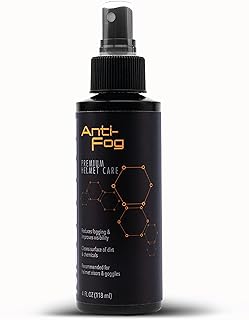
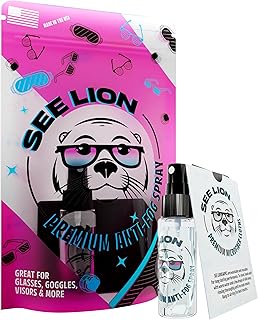
Anti-fog coatings are a popular and effective solution for preventing motorcycle helmet visors from fogging up. These specialized coatings work by reducing the surface tension of water, causing it to bead up and roll off the visor rather than spreading out and creating a foggy layer. To apply an anti-fog coating, start by cleaning the visor thoroughly with a soft cloth and a mild detergent. Once the visor is clean and dry, apply a small amount of the coating to a soft cloth and rub it onto the visor in a circular motion. Be sure to cover the entire surface of the visor, including the edges and corners. Allow the coating to dry completely before using the helmet.
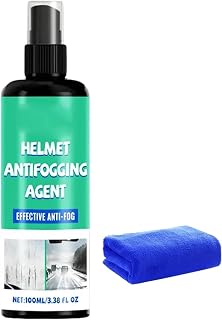
There are several types of anti-fog coatings available on the market, each with its own unique properties and benefits. Some coatings are designed to be long-lasting and durable, while others are more temporary and may need to be reapplied regularly. When choosing an anti-fog coating, consider factors such as the climate you ride in, the type of helmet you use, and your personal preferences. For example, if you ride in a humid climate, you may want to choose a coating that is specifically designed to combat humidity-induced fogging.
One of the benefits of using an anti-fog coating is that it can improve your visibility while riding, which can help to increase your safety on the road. Foggy visors can be a major distraction and can make it difficult to see other vehicles, pedestrians, and obstacles. By using an anti-fog coating, you can ensure that your visor remains clear and unobstructed, allowing you to focus on the road ahead.
However, it's important to note that anti-fog coatings are not a permanent solution and may need to be reapplied periodically. Additionally, some coatings can be sensitive to certain chemicals or cleaning agents, so it's important to follow the manufacturer's instructions for application and maintenance. Overall, using an anti-fog coating is a simple and effective way to prevent your motorcycle helmet visor from fogging up and to improve your visibility and safety while riding.
Decoding the Mystery: What Does a Motorcycle Helmet on the Ground Mean?
You may want to see also
Explore related products


Proper Ventilation: Ensure adequate airflow by adjusting the helmet's ventilation system to reduce moisture buildup
Motorcycle helmets are designed with ventilation systems to allow airflow and reduce moisture buildup, which can lead to fogging. Properly adjusting these systems is crucial for maintaining clear visibility while riding. To ensure adequate ventilation, start by familiarizing yourself with your helmet's specific ventilation controls, which may include adjustable vents on the front, top, or sides.
Begin by opening the front vent to its maximum setting, as this will allow the most air to flow directly over the visor. If your helmet has additional vents, adjust them to create a balanced airflow pattern. For instance, opening the top vent can help to draw moist air upwards and out of the helmet, while side vents can provide additional cooling and reduce fogging.
It's also important to consider the weather conditions when adjusting your helmet's ventilation. In colder or wetter climates, you may need to reduce the amount of airflow to prevent excessive moisture from entering the helmet. Conversely, in hot and dry conditions, increasing airflow can help to keep you cool and comfortable.
Regularly cleaning and maintaining your helmet's ventilation system is also essential for optimal performance. Remove any debris or obstructions from the vents, and ensure that the internal components are free from dust and dirt. This will help to ensure that air can flow freely through the system, reducing the likelihood of fogging.
Finally, consider using a helmet with a built-in anti-fog visor or applying an anti-fog coating to your existing visor. These treatments can help to reduce surface tension and prevent moisture from condensing on the visor, even in challenging weather conditions. By combining proper ventilation techniques with these additional measures, you can significantly reduce the risk of fogging and enjoy a safer, more comfortable riding experience.
Exploring Tennessee's Motorcycle Helmet Laws: A Comprehensive Guide
You may want to see also
Explore related products


Pinlock Inserts: Install Pinlock inserts, small anti-fog lenses that attach to the inside of the visor
Pinlock inserts are a popular solution among motorcyclists to prevent helmet fogging. These small, anti-fog lenses attach directly to the inside of the visor, creating a clear line of sight for the rider. The inserts work by trapping a thin layer of air between the lens and the visor, which equalizes the temperature on both sides and prevents condensation from forming.
To install Pinlock inserts, start by cleaning the inside of your helmet visor thoroughly to remove any dirt, debris, or oils that could interfere with the adhesive. Next, carefully peel the backing off the insert and align it with the inside of the visor, starting from the top and working your way down. Smooth out any air bubbles and press firmly to ensure a secure fit. It's important to note that Pinlock inserts are designed to be removable, so they can be easily taken out and cleaned or replaced as needed.
One of the benefits of Pinlock inserts is that they are compatible with most full-face helmets on the market. They are also relatively inexpensive and can be purchased at most motorcycle gear retailers. However, it's worth noting that Pinlock inserts may not be suitable for all riding conditions. In extremely cold or wet weather, they may not be able to prevent fogging entirely. Additionally, they can sometimes create a slight distortion in the rider's peripheral vision, which may take some getting used to.
Despite these limitations, Pinlock inserts remain a popular choice for motorcyclists looking to improve their visibility and safety on the road. By following the installation instructions carefully and understanding the potential drawbacks, riders can enjoy the benefits of clear, fog-free vision during their rides.
Top Spots to Sell Your Motorcycle Helmets: A Comprehensive Guide
You may want to see also
Explore related products




Breath Control: Practice controlled breathing to minimize exhaled moisture that can condense on the visor
Controlled breathing is a technique that can significantly reduce the amount of moisture exhaled onto the visor of a motorcycle helmet. By practicing deep, slow breaths, riders can decrease the temperature difference between the inside and outside of the helmet, which is a primary cause of fogging. This method involves inhaling slowly through the nose, holding the breath for a few seconds, and then exhaling gently through the mouth. This process helps to warm the air before it reaches the visor, reducing condensation.
To effectively practice breath control, riders should start by finding a comfortable and quiet place to sit or stand. They should then close their eyes and focus on their breathing, ensuring that each breath is slow and deliberate. It can be helpful to count to four during the inhale, hold for a count of two, and then exhale for a count of six. This pattern helps to ensure that the breaths are deep and controlled.
Riders should also be aware of their body position when practicing breath control. Leaning forward or hunching over can restrict airflow and make it more difficult to breathe deeply. Instead, riders should sit or stand upright, with their shoulders relaxed and their chest open. This position allows for better airflow and more effective breath control.
In addition to practicing breath control, riders can also use other techniques to minimize exhaled moisture. For example, they can try to exhale away from the visor or use a breath deflector to redirect the airflow. However, these methods should be used in conjunction with breath control, as they are not as effective on their own.
Overall, breath control is a simple yet effective technique that can help riders reduce fogging in their motorcycle helmets. By practicing deep, slow breaths and maintaining good body position, riders can minimize the amount of moisture exhaled onto the visor and improve their visibility while riding.
Reviving Old Motorcycle Helmets: Creative Reuse Ideas
You may want to see also
Explore related products


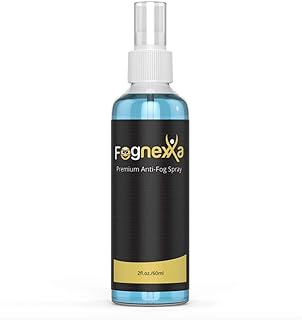


Regular Cleaning: Clean the visor regularly with a microfiber cloth and anti-fog solution to maintain clarity
Regular cleaning of your motorcycle helmet's visor is crucial in preventing fogging. A microfiber cloth is the ideal tool for this task, as its fine fibers can effectively remove dirt, oils, and other residues without scratching the visor. These residues can contribute to fogging by creating a layer that traps moisture. By keeping the visor clean, you reduce the likelihood of this layer forming.
Anti-fog solutions are specifically designed to prevent the formation of fog on surfaces like your helmet visor. These solutions typically contain a hydrophilic (water-attracting) substance that spreads thinly across the surface, reducing the surface tension of water and preventing it from forming droplets that cause fog. When using an anti-fog solution, it's important to apply it sparingly and evenly across the visor, following the manufacturer's instructions. Overuse can lead to streaking or residue buildup, which can actually exacerbate fogging.
In addition to regular cleaning and the use of anti-fog solutions, it's important to store your helmet properly to maintain its clarity. Avoid storing the helmet in direct sunlight or in a humid environment, as both can contribute to fogging. Instead, keep the helmet in a cool, dry place, preferably with a desiccant or silica gel packet to absorb any excess moisture.
Another practical tip is to ensure that your helmet is properly ventilated. Good airflow can help to prevent the buildup of moisture inside the helmet, which can lead to fogging. Make sure that the helmet's vents are clean and unobstructed, and use them to your advantage by opening them when you're not riding to allow air to circulate and dry out the interior.
Finally, it's worth noting that some helmets come with a built-in anti-fog coating on the visor. If your helmet has this feature, make sure to follow the manufacturer's care instructions to maintain the effectiveness of the coating. In some cases, the coating may need to be reapplied periodically to ensure continued anti-fog performance.
By following these guidelines for regular cleaning, proper storage, and effective use of anti-fog solutions and ventilation, you can significantly reduce the likelihood of your motorcycle helmet visor fogging up, ensuring clear visibility and a safer riding experience.
Boost Your Visibility: The Optimal Color for Your Motorcycle Helmet
You may want to see also