Eric Johnson

A properly fitting motorcycle helmet is crucial for both safety and comfort. To ensure the right fit, start by measuring your head circumference with a flexible tape measure, positioning it just above your eyebrows and ears. Compare this measurement to the manufacturer's sizing chart to select the appropriate helmet size. When trying on the helmet, it should sit snugly on your head without any pressure points. The chin strap should be adjusted so that it fits comfortably under your chin, with enough room to accommodate one finger for ease of movement. Additionally, the helmet should not obstruct your peripheral vision, and the visor should close securely without any gaps. Remember, a well-fitted helmet can significantly reduce the risk of injury in the event of an accident.
Explore related products

$33.29 $36.99


What You'll Learn
- Head Measurement: Measure your head circumference above eyebrows and around the fullest part of your head
- Helmet Sizing: Match your head measurement to the helmet manufacturer's sizing chart to find the right fit
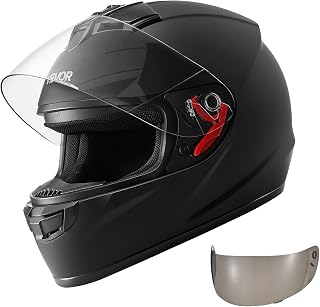
- Comfort and Padding: Ensure the helmet's interior padding is snug but not too tight, providing comfort and support
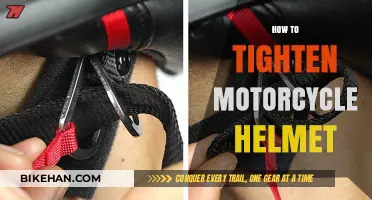
- Strap Adjustment: Adjust the chin strap so it's secure but allows for one finger to fit between the strap and your chin
- Position and Stability: Position the helmet so it sits level on your head, covering your forehead, and doesn't shift when you move

Head Measurement: Measure your head circumference above eyebrows and around the fullest part of your head
To ensure a proper fit for your motorcycle helmet, precise head measurement is crucial. Begin by positioning the measuring tape above your eyebrows, ensuring it's parallel to the ground. This placement is important because it mimics the position where the helmet's forehead padding will rest, providing both comfort and safety.
Next, wrap the tape measure around the fullest part of your head. This is typically around the temples and the back of the skull. Make sure the tape is snug but not tight, as you want the helmet to fit securely without causing discomfort. It's helpful to have a mirror or a friend assist you in this step to ensure accuracy.
Once you have the measurement, refer to the helmet manufacturer's sizing chart. Different brands may have slight variations in their sizing, so it's essential to use the specific chart provided by the helmet's maker. If your measurement falls between two sizes, it's generally recommended to choose the smaller size, as helmets tend to loosen slightly with use.
Remember, a well-fitted helmet is not only more comfortable but also safer. A helmet that is too loose can shift during a ride or in the event of an accident, potentially compromising its protective capabilities. Conversely, a helmet that is too tight can cause headaches and discomfort, leading to distraction while riding.
In addition to the circumference measurement, it's also important to consider the shape of your head. Some helmets are designed for rounder heads, while others are better suited for more oval shapes. Trying on different models and brands can help you find the best fit for your specific head shape.
Lastly, don't forget to check the helmet's padding and interior lining. These components should be snug against your head without causing any pressure points. The chin strap should also be adjusted to ensure the helmet stays securely in place. By taking the time to properly measure and fit your helmet, you can significantly enhance your riding experience and safety.
Reviving Old Motorcycle Helmets: Creative Reuse Ideas
You may want to see also
Explore related products


Helmet Sizing: Match your head measurement to the helmet manufacturer's sizing chart to find the right fit
To ensure a proper fit for your motorcycle helmet, it's crucial to match your head measurement to the manufacturer's sizing chart. This process involves measuring the circumference of your head, typically just above the eyebrows and around the fullest part of the head. Once you have this measurement, you can refer to the sizing chart provided by the helmet manufacturer to determine the appropriate helmet size. It's important to note that helmet sizes can vary between manufacturers, so it's essential to use the specific chart for the helmet you're interested in purchasing.
When measuring your head, make sure to use a flexible tape measure and take the measurement multiple times to ensure accuracy. If your head measurement falls between two sizes on the chart, it's generally recommended to choose the smaller size, as helmets tend to stretch slightly with use. Additionally, consider the shape of your head, as some helmets are designed to accommodate different head shapes, such as round, oval, or elongated.
Once you've selected the correct helmet size based on the manufacturer's chart, it's important to try on the helmet to ensure a proper fit. The helmet should sit snugly on your head without being too tight or too loose. You should be able to fit one finger between the helmet and your head, but not more. The chin strap should be adjusted so that it's secure but not uncomfortable.
Remember that a properly fitting helmet is essential for safety while riding a motorcycle. A helmet that is too loose may not provide adequate protection in the event of an accident, while a helmet that is too tight can cause discomfort and distraction while riding. By taking the time to measure your head and match it to the manufacturer's sizing chart, you can ensure that you're wearing a helmet that fits well and provides the necessary protection.
Boost Your Visibility: The Optimal Color for Your Motorcycle Helmet
You may want to see also
Explore related products



Comfort and Padding: Ensure the helmet's interior padding is snug but not too tight, providing comfort and support
Ensuring the interior padding of a motorcycle helmet is snug but not too tight is crucial for both comfort and safety. The padding should conform to the shape of the rider's head, providing a secure fit that prevents the helmet from shifting during movement. This is particularly important in the event of an accident, as a well-fitted helmet can significantly reduce the risk of head injuries. To achieve the right fit, riders should measure their head circumference and choose a helmet size that corresponds to their measurement. Additionally, trying on different helmets and adjusting the padding can help find the optimal fit.
The materials used in the padding also play a significant role in comfort. High-quality padding made from moisture-wicking materials can help keep the rider's head cool and dry, reducing discomfort during long rides. Some helmets also feature removable and washable padding, which allows for easy maintenance and hygiene. Riders should consider their riding conditions and personal preferences when selecting a helmet with the right padding materials.
Properly adjusting the helmet's retention system is another key factor in ensuring a comfortable and secure fit. The chin strap should be adjusted so that it is snug but not too tight, allowing for one or two fingers to fit between the strap and the chin. This ensures that the helmet stays in place without causing discomfort or restricting blood flow. Additionally, some helmets feature adjustable ventilation systems that can be fine-tuned to provide the right amount of airflow, further enhancing comfort during rides.
Riders should also be aware of common mistakes when fitting a helmet. For example, wearing a helmet that is too small can lead to pressure points and discomfort, while wearing a helmet that is too large can compromise safety. It is also important to avoid wearing anything underneath the helmet, such as a hat or bandana, as this can interfere with the fit and reduce the helmet's effectiveness in protecting the head.
In conclusion, ensuring the right fit and comfort of a motorcycle helmet's interior padding is essential for both safety and enjoyment while riding. By following these guidelines and considering factors such as padding materials, retention systems, and common fitting mistakes, riders can find a helmet that provides optimal comfort and protection.
Rev Up Your Style: A Guide to Custom Painting Your Motorcycle Helmet
You may want to see also
Explore related products


Strap Adjustment: Adjust the chin strap so it's secure but allows for one finger to fit between the strap and your chin
To ensure your motorcycle helmet fits properly, it's crucial to pay close attention to the chin strap adjustment. This often-overlooked aspect can significantly impact both comfort and safety. Begin by fastening the chin strap and adjusting it until it feels snug against your chin. However, it's essential to strike a balance between security and comfort. A strap that's too tight can cause discomfort and even restrict blood flow, while a strap that's too loose may not provide adequate protection in the event of an accident.
The ideal adjustment allows for just one finger to fit between the strap and your chin. This simple test ensures that the helmet is secure enough to stay in place during a ride but not so tight that it becomes uncomfortable or restricts your ability to move your head freely. Remember, the chin strap is a critical component of your helmet's safety system, as it helps to keep the helmet in position and prevents it from coming off in the event of a crash.
When adjusting the strap, be sure to consider the thickness of your clothing. If you'll be wearing a thick jacket or other layers, you may need to adjust the strap slightly looser to accommodate the extra material. Conversely, if you'll be riding in warmer weather with minimal clothing, you may need to tighten the strap to ensure a proper fit.
It's also important to periodically check and readjust the chin strap, as it can become loose over time due to regular use or exposure to the elements. By maintaining a properly adjusted chin strap, you can significantly enhance the safety and comfort of your motorcycle helmet, ensuring a more enjoyable and secure riding experience.
Vermont's Motorcycle Helmet Law: What You Need to Know
You may want to see also
Explore related products


Position and Stability: Position the helmet so it sits level on your head, covering your forehead, and doesn't shift when you move
To ensure optimal position and stability, begin by placing the helmet on your head with the front edge aligned just above your eyebrows. This initial positioning is crucial as it sets the foundation for a secure fit. Next, gently tilt your head forward and backward, as well as side to side, to allow the helmet's weight to distribute evenly and settle into place. This movement helps the helmet conform to the natural contours of your head, enhancing stability.
A common mistake is to overtighten the helmet's retention system, which can lead to discomfort and reduced stability. Instead, aim for a snug fit that allows for slight movement of your head within the helmet. This balance ensures that the helmet remains in place during normal riding conditions without causing undue pressure points.
Additionally, consider the helmet's weight distribution. A well-designed helmet should have a balanced weight distribution that minimizes strain on your neck and shoulders. This is particularly important for long rides, where an improperly balanced helmet can lead to fatigue and discomfort.
Finally, pay attention to the helmet's aerodynamics. A helmet that is too loose or improperly positioned can create drag, which not only affects your comfort but also your safety by potentially impacting your visibility and control. By following these guidelines, you can achieve a helmet fit that is both secure and comfortable, ensuring maximum protection and stability while riding.
Breaking In Your Motorcycle Helmet: A Rider's Guide to Comfort and Safety
You may want to see also
Frequently asked questions
A motorcycle helmet should fit snugly around your head without any discomfort or pressure points. It should sit level on your head, covering your forehead and not tilting back. The chin strap should be secure, with enough room to fit one finger for comfort but not so loose that it can be easily pulled off.
Key indicators of a proper fit include the helmet sitting level on your head, the chin strap being snug but not too tight, and the ability to move your head freely without the helmet shifting. Additionally, you should not be able to fit more than one finger between the helmet and your chin, and the helmet should not move up and down or side to side when you shake your head.
A correctly fitting motorcycle helmet is crucial for safety as it provides the necessary protection in the event of an accident. A helmet that is too loose may come off during a crash, while one that is too tight can cause discomfort and reduce visibility. Proper fit also ensures that the helmet's padding and lining are in the correct position to absorb impact and protect your head.
You should check the fit of your motorcycle helmet regularly, especially before every ride. Factors such as weight loss, haircuts, or changes in head shape can affect how your helmet fits. Additionally, the padding and lining of the helmet can compress over time, so it's important to ensure that the helmet continues to fit snugly and securely.