Matthew Brooks

Motorcycle helmets are a critical safety measure that can significantly reduce the risk of fatal injuries in the event of an accident. Studies have consistently shown that wearing a helmet while riding a motorcycle can save lives by protecting the rider's head from severe trauma. In fact, according to the National Highway Traffic Safety Administration (NHTSA), helmets are estimated to be 37% effective in preventing motorcycle deaths. This means that for every 100 motorcyclists killed in accidents, 37 of them could have survived if they had been wearing helmets. The importance of helmet use cannot be overstated, as head injuries are a leading cause of death and disability in motorcycle crashes. By wearing a helmet, riders can greatly increase their chances of surviving an accident and avoiding serious, life-altering injuries.
Explore related products


$7.99


What You'll Learn
- Impact on Fatality Rates: Helmets significantly reduce the risk of fatal head injuries in motorcycle accidents
- Legal Requirements: Many countries mandate helmet use for motorcyclists, influencing rider behavior and safety
- Helmet Technology: Modern helmets incorporate advanced materials and designs to enhance protection and comfort
- Public Awareness Campaigns: Educational initiatives promote helmet use, targeting both riders and the general public
- Economic Benefits: Reduced medical costs and increased productivity due to fewer injuries and fatalities from helmet use

Impact on Fatality Rates: Helmets significantly reduce the risk of fatal head injuries in motorcycle accidents
A wealth of empirical data underscores the critical role helmets play in mitigating the severity of head injuries sustained during motorcycle accidents. Studies have consistently shown that the use of helmets can reduce the risk of fatal head injuries by as much as 85%. This significant reduction is attributed to the helmet's ability to absorb impact forces, thereby minimizing the energy transmitted to the skull and brain. In the event of a collision, a helmet acts as the first line of defense, reducing the likelihood of skull fractures and traumatic brain injuries, which are leading causes of fatalities in motorcycle accidents.
The effectiveness of helmets in saving lives is further supported by real-world evidence. Countries with strict helmet laws have seen substantial declines in motorcycle-related fatalities. For instance, a study conducted in the United States found that states with universal helmet laws experienced a 17% reduction in motorcycle fatalities compared to states without such laws. Similarly, in Australia, the introduction of a nationwide helmet law led to a 40% decrease in motorcycle deaths within the first year of implementation. These statistics highlight the tangible impact of helmet use on road safety and underscore the importance of legislative measures in promoting helmet adoption.
Beyond the realm of statistics, personal anecdotes and case studies provide compelling evidence of the life-saving potential of helmets. Numerous stories exist of motorcyclists who have survived severe accidents largely due to the protection afforded by their helmets. These narratives serve as powerful testimonials to the critical role helmets play in safeguarding the lives of riders and underscore the importance of prioritizing safety in the face of potential risks.
In conclusion, the data is clear: helmets significantly reduce the risk of fatal head injuries in motorcycle accidents. Through their ability to absorb impact forces and minimize energy transmission to the brain, helmets serve as a crucial safety measure for motorcyclists. The implementation of strict helmet laws and the promotion of helmet use through public awareness campaigns are essential steps in enhancing road safety and saving lives. As the evidence overwhelmingly supports the effectiveness of helmets, it is imperative that riders prioritize safety by consistently wearing helmets while on the road.
Personalize Your Ride: The Ultimate Guide to Customizing Your Motorcycle Helmet
You may want to see also
Explore related products




Legal Requirements: Many countries mandate helmet use for motorcyclists, influencing rider behavior and safety
In many countries, the law requires motorcyclists to wear helmets while riding. This legal mandate is a direct response to the high risk of head injuries in motorcycle accidents, which can often be fatal or result in long-term disabilities. The implementation of helmet laws has been a significant factor in influencing rider behavior and improving safety on the roads.
Studies have shown that helmet laws can lead to a substantial increase in helmet use among motorcyclists. For instance, a study conducted in the United States found that states with helmet laws had a 71% helmet use rate, compared to a 41% rate in states without such laws. This increased use of helmets has been correlated with a decrease in the number of head injuries and fatalities resulting from motorcycle accidents.
The effectiveness of helmet laws can also be seen in countries like Australia, where the introduction of a helmet law in 1990 led to a 40% reduction in motorcycle fatalities over the following five years. Similarly, in the United Kingdom, the implementation of a helmet law in 1988 resulted in a 30% decrease in motorcycle deaths.
Helmet laws not only influence rider behavior by encouraging the use of helmets but also play a role in shaping public perception of motorcycle safety. By making helmet use a legal requirement, these laws send a strong message about the importance of safety precautions while riding. This can lead to a cultural shift where helmet use becomes the norm, and riders who choose not to wear helmets are seen as irresponsible.
In conclusion, legal requirements mandating helmet use for motorcyclists have been instrumental in influencing rider behavior and improving safety on the roads. By increasing helmet use rates and shaping public perception of motorcycle safety, these laws have contributed significantly to reducing the number of head injuries and fatalities resulting from motorcycle accidents.
Safely Secure Your Helmet to Your Motorcycle: A Rider's Guide
You may want to see also
Explore related products


$74.95


Helmet Technology: Modern helmets incorporate advanced materials and designs to enhance protection and comfort
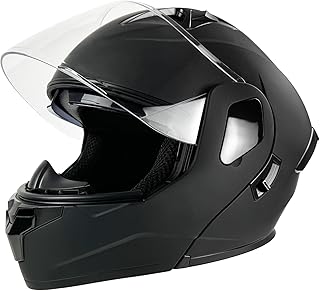
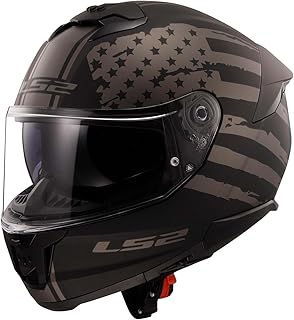
Modern helmets are a testament to the relentless pursuit of safety in motorcycle riding. They are no longer just protective gear but sophisticated devices designed to mitigate impact forces and provide comfort during long rides. The use of advanced materials such as carbon fiber, Kevlar, and polycarbonate shells has significantly improved the structural integrity of helmets, allowing them to absorb and distribute the energy of a crash more effectively.
In addition to the materials, the design of modern helmets has evolved to include features that enhance aerodynamics, reduce wind noise, and improve ventilation. This not only makes riding more comfortable but also helps in maintaining the rider's focus and alertness on the road. For instance, some helmets come with adjustable vents that allow riders to control the airflow, preventing fogging and ensuring clear vision.
Another critical aspect of modern helmet technology is the incorporation of impact-absorbing liners. These liners, often made from expanded polystyrene (EPS) foam, are designed to cushion the head during a collision. They work by compressing upon impact, thereby reducing the force transmitted to the skull. Some high-end helmets even feature multi-density foam liners that provide varying levels of protection for different parts of the head.
Furthermore, advancements in helmet technology have led to the development of smart helmets. These helmets are equipped with Bluetooth connectivity, allowing riders to communicate with others, listen to music, or receive GPS directions without removing their helmet. Some smart helmets also come with built-in cameras, providing riders with a hands-free way to record their rides.
In conclusion, the evolution of helmet technology has played a crucial role in enhancing the safety and comfort of motorcycle riders. By incorporating advanced materials and innovative designs, modern helmets have become more effective at protecting riders in the event of an accident while also improving the overall riding experience.
Exploring the Composition of Motorcycle Helmets: A Comprehensive Guide
You may want to see also
Explore related products



Public Awareness Campaigns: Educational initiatives promote helmet use, targeting both riders and the general public
Public awareness campaigns play a crucial role in promoting helmet use among motorcyclists. These campaigns are designed to educate both riders and the general public about the importance of wearing helmets and the potential consequences of not doing so. By targeting a broad audience, these initiatives aim to create a culture of safety and responsibility on the roads.
One effective strategy used in public awareness campaigns is the dissemination of factual information about the impact of helmets on accident outcomes. For instance, studies have shown that wearing a helmet can reduce the risk of fatal head injuries by up to 85%. This type of data can be powerful in convincing riders of the necessity of helmet use. Campaigns often utilize various media channels, such as television, radio, and social media, to reach a wide audience and ensure that the message is heard loud and clear.
In addition to providing information, public awareness campaigns often employ persuasive techniques to encourage helmet use. This can include the use of emotional appeals, such as testimonials from accident survivors or the families of those who have been lost in motorcycle accidents. By sharing personal stories, these campaigns can create a sense of empathy and urgency, motivating riders to take action and prioritize their safety.
Another key aspect of public awareness campaigns is their focus on changing attitudes and behaviors. This can be achieved through the use of targeted messaging that addresses common misconceptions about helmet use. For example, some riders may believe that helmets are uncomfortable or that they restrict visibility, but campaigns can counter these myths by providing evidence to the contrary. By challenging these misconceptions, campaigns can help to shift the narrative around helmet use and promote a more positive perception of this critical safety measure.
Ultimately, the goal of public awareness campaigns is to create a lasting impact on road safety. By educating the public, changing attitudes, and promoting responsible behavior, these initiatives can help to reduce the number of motorcycle accidents and save lives. As such, they are an essential component of any comprehensive strategy aimed at improving road safety for motorcyclists.
Decoding Roadside Symbols: The Significance of a Helmet Behind a Motorcycle
You may want to see also
Explore related products


Economic Benefits: Reduced medical costs and increased productivity due to fewer injuries and fatalities from helmet use
The economic benefits of motorcycle helmet use extend beyond the immediate safety implications, offering a compelling case for their widespread adoption. One of the most significant advantages is the reduction in medical costs associated with motorcycle accidents. Studies have consistently shown that helmeted riders are less likely to suffer severe head injuries, which are not only life-threatening but also extremely costly to treat. The National Highway Traffic Safety Administration (NHTSA) estimates that the average cost of a motorcycle accident resulting in a fatality is over $1.2 million, with a significant portion of these expenses attributed to medical care. By reducing the severity and frequency of head injuries, helmets can substantially lower these costs, easing the financial burden on healthcare systems and insurance providers.
In addition to reducing medical costs, helmet use can also lead to increased productivity. When riders are protected by helmets, they are less likely to suffer injuries that would prevent them from working or participating in other productive activities. This is particularly important for individuals who rely on motorcycles as their primary mode of transportation, as it can mean the difference between being able to support themselves and their families or facing financial hardship due to injury-related work absences. Furthermore, the increased safety provided by helmets can lead to a more stable and reliable workforce, as employers are less likely to experience disruptions due to employee injuries.
The economic benefits of helmet use are not limited to the individual rider or their employer. Society as a whole can benefit from the reduced costs associated with motorcycle accidents. For example, when medical costs are lower, insurance premiums can also decrease, making motorcycle insurance more affordable and accessible for all riders. Additionally, the increased productivity resulting from fewer injuries can contribute to economic growth, as individuals are able to contribute more to the workforce and the economy.
In conclusion, the economic benefits of motorcycle helmet use are multifaceted and significant. By reducing medical costs and increasing productivity, helmets offer a cost-effective solution to the safety challenges faced by motorcycle riders. These benefits extend beyond the individual rider, impacting employers, healthcare systems, and society as a whole. As such, promoting helmet use is not only a matter of safety but also a sound economic strategy.
The Lifespan of Safety: Do Motorcycle Helmets Expire?
You may want to see also
Frequently asked questions
Yes, motorcycle helmets significantly reduce the risk of fatal injuries in accidents. Studies have shown that wearing a helmet can reduce the risk of death by up to 37% in motorcycle crashes.
Motorcycle helmets protect riders from head injuries by absorbing the impact of a crash and reducing the force transmitted to the skull and brain. The hard outer shell of the helmet distributes the force of the impact, while the inner padding cushions the head and absorbs shock.
No, not all motorcycle helmets are equally effective in saving lives. Helmets that meet safety standards, such as those set by the Department of Transportation (DOT) or the Snell Memorial Foundation, are more likely to provide adequate protection in the event of a crash.
Some additional safety features that can enhance the effectiveness of motorcycle helmets include visors or face shields, which protect the rider's face from debris and wind; anti-fog coatings, which improve visibility in cold or humid conditions; and communication systems, which allow riders to stay connected with other riders or emergency services without removing their helmet.