Matthew Brooks
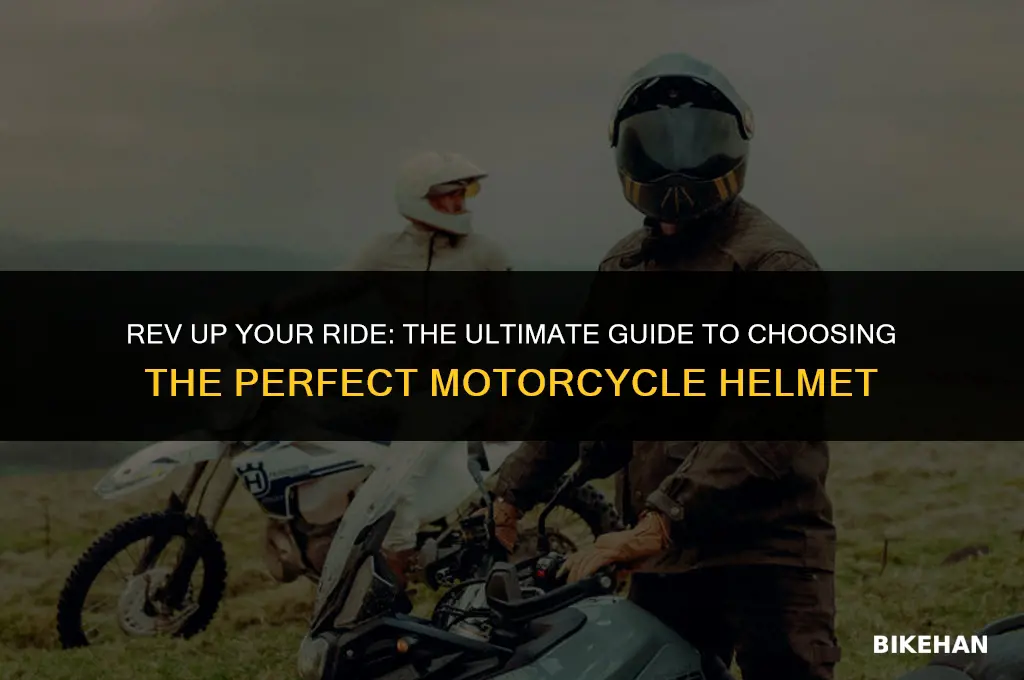
When it comes to motorcycle safety, choosing the right helmet is crucial. A good motorcycle helmet not only protects your head in the event of an accident but also provides comfort and visibility while riding. With so many options available, it can be overwhelming to decide which helmet is best for you. In this guide, we'll explore the key features to look for in a quality motorcycle helmet, including safety ratings, fit, weight, ventilation, and visor quality. We'll also discuss different helmet styles, such as full-face, open-face, and modular helmets, to help you find the perfect match for your riding preferences and needs.
Explore related products


What You'll Learn
- Safety Ratings: Look for helmets with high safety ratings from organizations like DOT, Snell, or ECE
- Fit and Comfort: Ensure the helmet fits snugly and comfortably, with adequate padding and adjustable features
- Material and Construction: Choose helmets made from durable materials like polycarbonate, fiberglass, or carbon fiber for optimal protection
- Ventilation and Noise Reduction: Consider helmets with good ventilation systems and noise-reducing features for a more pleasant riding experience
- Brand Reputation: Research and select helmets from reputable brands known for producing high-quality, reliable products

Safety Ratings: Look for helmets with high safety ratings from organizations like DOT, Snell, or ECE
When selecting a motorcycle helmet, safety should be your top priority. One way to ensure you're choosing a reliable and protective helmet is by looking for high safety ratings from reputable organizations. The Department of Transportation (DOT), Snell Memorial Foundation, and Economic Commission for Europe (ECE) are three such organizations that provide safety ratings for motorcycle helmets.
The DOT is a U.S.-based organization that sets safety standards for helmets sold in the United States. Their ratings are based on impact tests, penetration resistance, and retention system effectiveness. A helmet with a DOT rating has been tested and meets the minimum safety requirements set by the organization.
The Snell Memorial Foundation is a non-profit organization that also provides safety ratings for motorcycle helmets. Their ratings are based on a combination of impact tests, penetration resistance, and retention system effectiveness. Snell ratings are considered to be more stringent than DOT ratings, so a helmet with a Snell rating is likely to offer a higher level of protection.
The ECE is a United Nations organization that sets safety standards for helmets sold in Europe. Their ratings are based on impact tests, penetration resistance, and retention system effectiveness, similar to the DOT and Snell ratings. However, ECE ratings also take into account additional factors such as field of vision and noise reduction.
When shopping for a motorcycle helmet, look for one that has been rated by one or more of these organizations. A helmet with a high safety rating is more likely to provide the protection you need in the event of an accident. Additionally, be sure to choose a helmet that fits properly and is comfortable to wear, as this will increase the likelihood that you'll wear it consistently.
Exploring the Legality of Motorcycle Helmet Covers: A Comprehensive Guide
You may want to see also
Explore related products


Fit and Comfort: Ensure the helmet fits snugly and comfortably, with adequate padding and adjustable features
A well-fitting helmet is crucial for both safety and comfort during motorcycle rides. To ensure a snug fit, start by measuring your head circumference with a flexible tape measure, positioning it just above your eyebrows and ears. This measurement will help you select the appropriate helmet size. When trying on helmets, make sure to wear a thin, moisture-wicking layer underneath to prevent slippage and improve comfort.
Next, check the padding inside the helmet. It should be firm yet comfortable, providing adequate cushioning without causing pressure points. The padding should also be removable and washable to maintain hygiene. Look for helmets with adjustable features, such as a ratchet system or a quick-release buckle, which allow for easy adjustments to the fit.
The chin strap is another critical component for a secure fit. It should be tight enough to prevent the helmet from lifting off your head during a crash but not so tight that it causes discomfort or restricts blood flow. The strap should also be adjustable to accommodate different head shapes and sizes.
Finally, consider the helmet's weight and aerodynamics. A lighter helmet can reduce neck strain during long rides, while an aerodynamic design can minimize wind resistance and noise. By carefully considering these factors, you can find a helmet that not only fits well but also enhances your overall riding experience.
Silent Ride: Unveiling the Quietest Motorcycle Helmet Options
You may want to see also
Explore related products


Material and Construction: Choose helmets made from durable materials like polycarbonate, fiberglass, or carbon fiber for optimal protection
When selecting a motorcycle helmet, the material and construction are paramount to ensuring optimal protection. Helmets made from durable materials like polycarbonate, fiberglass, or carbon fiber are highly recommended due to their superior strength and impact resistance. Polycarbonate helmets are known for their lightweight properties and ability to absorb impact energy, making them a popular choice among riders. Fiberglass helmets, on the other hand, offer excellent durability and resistance to penetration, providing a high level of protection in the event of an accident. Carbon fiber helmets are the pinnacle of helmet construction, offering the best strength-to-weight ratio and exceptional impact absorption capabilities.
In addition to the material, the construction of the helmet plays a crucial role in its protective qualities. A well-constructed helmet should have a solid, multi-density foam liner that can absorb and distribute impact forces effectively. The outer shell should be aerodynamically designed to reduce wind resistance and noise, while also providing a smooth surface that can help deflect debris. The helmet should also feature a secure and adjustable chin strap to ensure a proper fit, as well as a visor that can protect the rider's eyes from wind, dust, and insects.
When choosing a helmet, it's important to consider the specific needs and preferences of the rider. For example, riders who frequently travel at high speeds may prefer a full-face helmet with a more aerodynamic design, while riders who prefer a more open-air experience may opt for a half-shell or open-face helmet. Additionally, riders who ride in harsh weather conditions may want to choose a helmet with a more robust ventilation system to prevent fogging and ensure clear visibility.
Ultimately, investing in a high-quality helmet made from durable materials and constructed with attention to detail can make a significant difference in the event of an accident. By choosing a helmet that meets or exceeds safety standards and is tailored to the rider's specific needs, motorcyclists can enjoy greater peace of mind and protection on the road.
Texas Motorcycle Helmet Laws: What You Need to Know
You may want to see also
Explore related products


Ventilation and Noise Reduction: Consider helmets with good ventilation systems and noise-reducing features for a more pleasant riding experience
Motorcycle helmets with effective ventilation systems are crucial for riders who want to avoid the discomfort of a hot and stuffy head during long rides. Good ventilation allows for a constant flow of fresh air, which not only keeps the rider cool but also helps to prevent the visor from fogging up, ensuring clear visibility at all times. When choosing a helmet, look for models with adjustable vents that can be opened or closed according to the weather conditions and personal preference. Some helmets even feature a dual-vent system, with one vent at the front and another at the back, to enhance airflow and reduce heat buildup.
Noise reduction is another important factor to consider, as excessive noise can lead to fatigue and even hearing damage over time. Helmets with noise-reducing features typically have a thicker, more insulated shell and may include additional padding around the ears. Some models also incorporate aerodynamic designs to minimize wind noise. It's worth noting that while full-face helmets generally offer better noise reduction than open-face or modular helmets, advancements in technology have led to the development of quieter open-face and modular options as well.
When evaluating a helmet's ventilation and noise reduction capabilities, it's essential to consider the riding conditions and personal preferences. For example, riders who frequently travel at high speeds or in hot climates may prioritize ventilation over noise reduction, while those who ride in colder conditions or at lower speeds may prefer a helmet with better insulation. Additionally, riders with hearing impairments or those who want to listen to music or communicate with passengers through a Bluetooth system may need to balance noise reduction with the ability to hear external sounds.
In conclusion, a motorcycle helmet with good ventilation and noise reduction features can significantly enhance the riding experience by providing comfort, clear visibility, and protection from harmful noise levels. By carefully considering the specific needs and preferences, riders can find a helmet that offers the perfect balance of these important features.
Secure Your Ride: The Essential Guide to Wearing a Motorcycle Helmet
You may want to see also
Explore related products

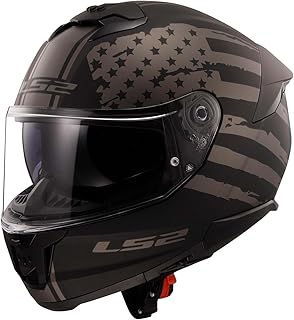


Brand Reputation: Research and select helmets from reputable brands known for producing high-quality, reliable products
When selecting a motorcycle helmet, brand reputation plays a crucial role in ensuring you get a high-quality, reliable product. Reputable brands have a history of producing helmets that meet or exceed safety standards, offer superior comfort, and provide excellent customer service. To find the best helmet from a trusted brand, start by researching the top manufacturers in the industry. Look for brands that have been in business for many years and have a strong reputation among motorcycle enthusiasts.
One way to gauge a brand's reputation is by reading reviews from other customers. Check out online forums, social media, and review websites to see what other riders have to say about their experiences with different helmet brands. Pay attention to comments about the helmet's fit, comfort, noise reduction, and overall performance. Additionally, look for any complaints about customer service or warranty issues, as these can be indicative of a brand's reliability.
Another important factor to consider is the brand's commitment to safety. Look for manufacturers that invest in research and development to improve helmet safety and have a track record of producing helmets that meet or exceed industry standards. Brands that are involved in safety initiatives and work closely with safety organizations are more likely to produce high-quality, reliable helmets.
When researching helmet brands, it's also a good idea to consider the brand's product range. Look for manufacturers that offer a variety of helmet styles and designs to suit different riding preferences and needs. This can include full-face helmets, open-face helmets, modular helmets, and half-shell helmets. Additionally, consider the brand's sizing options and whether they offer customization features to ensure a proper fit.
Finally, don't forget to consider the brand's warranty and return policy. A reputable brand should stand behind its products and offer a reasonable warranty that covers defects in materials and workmanship. Additionally, look for brands that have a flexible return policy in case the helmet doesn't fit properly or meet your expectations.
By taking the time to research and select a helmet from a reputable brand, you can ensure that you're getting a high-quality, reliable product that will provide excellent protection and comfort while riding. Remember, your safety is paramount, and investing in a good helmet is one of the most important decisions you can make as a motorcycle rider.
Exploring the Versatility of Modular Motorcycle Helmets
You may want to see also
Frequently asked questions
When selecting a good motorcycle helmet, look for features such as a full-face design for maximum protection, a clear and scratch-resistant visor, proper ventilation to prevent fogging, a comfortable and adjustable interior lining, and a secure chin strap. Additionally, ensure the helmet meets safety standards like DOT, Snell, or ECE.
To determine the right size for your motorcycle helmet, measure the circumference of your head using a flexible tape measure. Start at the forehead, wrap it around to the back of your head, and then bring it back to the front. Compare this measurement to the manufacturer's sizing chart to find the appropriate helmet size.
There are several types of motorcycle helmets available, including full-face helmets, open-face helmets, modular helmets, half-shell helmets, and off-road helmets. Each type offers different levels of protection, comfort, and versatility, so choose one that best suits your riding style and needs.
It is recommended to replace your motorcycle helmet every 5 years or after a significant impact, whichever comes first. Over time, the materials in the helmet can degrade, reducing its protective capabilities. Additionally, if the helmet has been involved in a crash or has sustained any damage, it should be replaced immediately.