Samantha Lee
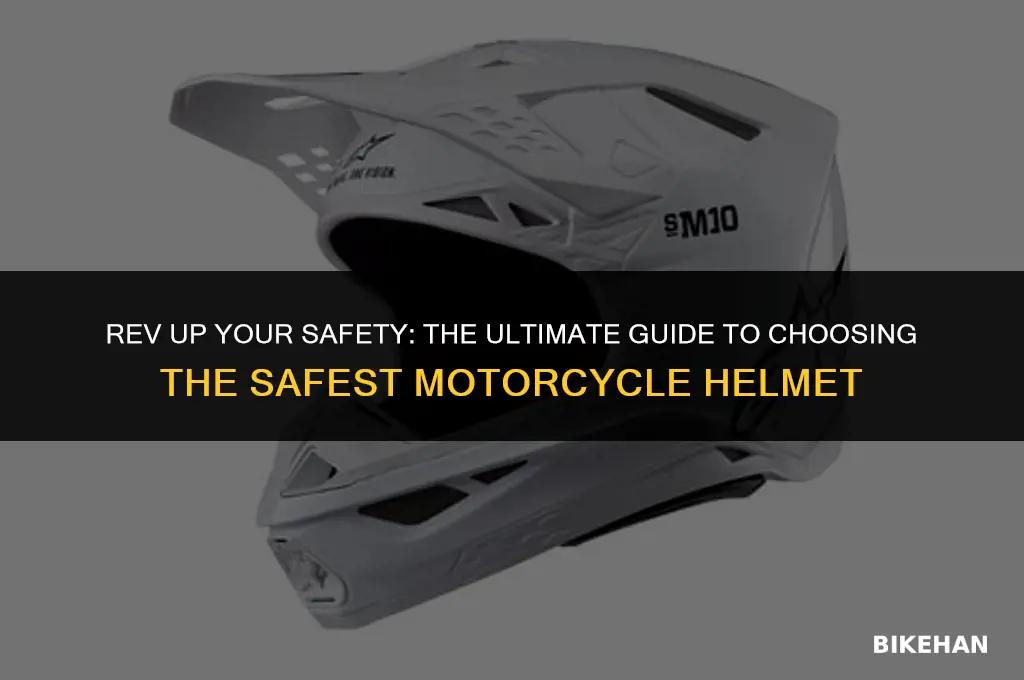
When it comes to motorcycle safety, choosing the right helmet is crucial. A high-quality helmet can significantly reduce the risk of head injuries in the event of an accident. But with so many options on the market, it can be challenging to determine which helmet is the safest. In this article, we'll explore the key factors to consider when selecting a motorcycle helmet, including impact absorption, fit, and additional safety features. We'll also discuss the importance of proper helmet maintenance and how to ensure your helmet is certified by reputable safety organizations. By the end of this article, you'll have a clear understanding of what makes a motorcycle helmet safe and how to choose the best one for your needs.
Explore related products


What You'll Learn
- Impact Absorption: Look for helmets with advanced impact-absorbing materials like expanded polystyrene foam
- Shell Material: Choose helmets made from strong, lightweight materials such as carbon fiber or fiberglass
- Fit and Comfort: Ensure the helmet fits snugly and comfortably, with adjustable padding and ventilation systems
- Visor Quality: Opt for helmets with shatter-resistant visors that provide clear visibility and UV protection
- Certification Standards: Verify that the helmet meets safety standards like DOT, Snell, or ECE for reliable protection

Impact Absorption: Look for helmets with advanced impact-absorbing materials like expanded polystyrene foam
Motorcycle helmets are critical safety gear, and their impact absorption capabilities are a key factor in protecting riders from head injuries. Expanded polystyrene (EPS) foam is a widely used material in helmet construction due to its excellent shock-absorbing properties. When a helmet with EPS foam is subjected to an impact, the foam compresses and spreads the force of the collision over a larger area, reducing the stress on the rider's skull and brain.
In addition to EPS foam, some high-end helmets incorporate other advanced materials like expanded polypropylene (EPP) foam or thermoplastic elastomers (TPE). These materials offer similar or even superior impact absorption compared to EPS, and they may also provide better resistance to penetration and abrasion. However, it's important to note that the effectiveness of a helmet's impact absorption is not solely determined by the materials used; the design and construction of the helmet also play crucial roles.
When selecting a motorcycle helmet, riders should look for models that have been certified by reputable safety standards organizations, such as the Department of Transportation (DOT) in the United States or the Economic Commission for Europe (ECE) in Europe. These certifications ensure that the helmet has undergone rigorous testing and meets specific safety criteria, including impact absorption.
Riders should also consider the fit and comfort of the helmet, as a well-fitting helmet is more likely to stay in place during a crash and provide optimal protection. It's recommended to try on multiple helmets and choose one that fits snugly but comfortably, without any pressure points or discomfort.
In conclusion, impact absorption is a critical factor in the safety of motorcycle helmets, and riders should prioritize helmets with advanced impact-absorbing materials like EPS foam. By choosing a helmet that has been certified by a reputable safety standards organization and fits well, riders can significantly reduce their risk of head injuries in the event of a crash.
Florida Motorcycle Helmet Laws: What You Need to Know
You may want to see also
Explore related products

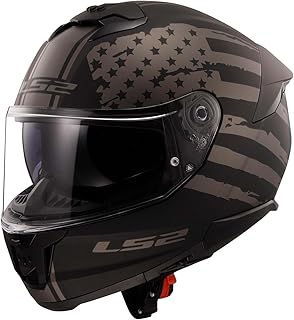


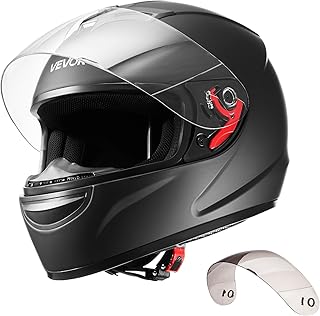
Shell Material: Choose helmets made from strong, lightweight materials such as carbon fiber or fiberglass
The choice of shell material is a critical factor in determining the safety of a motorcycle helmet. Carbon fiber and fiberglass are two of the most popular options due to their exceptional strength-to-weight ratios. Carbon fiber, in particular, is renowned for its high tensile strength and low weight, making it an ideal choice for riders who prioritize both safety and comfort. Fiberglass, on the other hand, offers a good balance between cost and performance, providing adequate protection without breaking the bank.
When selecting a helmet, it's essential to consider the manufacturing process of the shell material. Helmets made from carbon fiber are typically constructed using a process called autoclaving, which involves heating the material under high pressure to cure the resin and create a strong, lightweight shell. Fiberglass helmets, on the other hand, are often made using a hand-laid process, where layers of fiberglass cloth are saturated with resin and then shaped into the desired form. The quality of the manufacturing process can significantly impact the helmet's performance in the event of an accident, so it's crucial to choose a reputable brand that uses high-quality materials and construction techniques.
In addition to the shell material, it's also important to consider the helmet's overall design and features. A well-designed helmet should have a snug fit, comfortable padding, and good ventilation to ensure that the rider remains cool and focused while on the road. The helmet should also meet or exceed safety standards set by organizations such as the Department of Transportation (DOT) or the Snell Memorial Foundation.
Ultimately, the safest motorcycle helmet is one that is made from high-quality materials, constructed using a reliable manufacturing process, and designed with the rider's comfort and safety in mind. By choosing a helmet made from strong, lightweight materials such as carbon fiber or fiberglass, riders can significantly reduce their risk of injury in the event of an accident.
The Lifespan of a Motorcycle Helmet: What You Need to Know
You may want to see also
Explore related products


Fit and Comfort: Ensure the helmet fits snugly and comfortably, with adjustable padding and ventilation systems
A well-fitted helmet is crucial for both safety and comfort during motorcycle rides. To ensure a snug fit, start by measuring your head circumference with a flexible tape measure, positioning it just above your eyebrows and ears. This measurement will help you select the appropriate helmet size. When trying on helmets, make sure the chin strap is securely fastened and the helmet sits comfortably on your head without any pressure points. The padding inside the helmet should be adjustable to accommodate different head shapes and sizes, providing a customized fit that enhances safety and comfort.
Ventilation is another key factor to consider. A good ventilation system helps regulate temperature and reduce fogging, ensuring clear visibility while riding. Look for helmets with multiple air vents that can be easily opened or closed, allowing you to adjust the airflow according to your needs. Some helmets even feature advanced ventilation systems with built-in fans or moisture-wicking materials to further enhance comfort during long rides.
It's also important to consider the helmet's weight and balance. A lighter helmet can reduce neck strain and fatigue, especially during extended periods of riding. Additionally, a well-balanced helmet will distribute its weight evenly across your head, minimizing discomfort and potential pressure points.
When evaluating the fit and comfort of a motorcycle helmet, it's essential to consider the specific riding conditions you'll be facing. For example, if you'll be riding in hot and humid climates, a helmet with a robust ventilation system and moisture-wicking materials may be more suitable. On the other hand, if you'll be riding in colder conditions, a helmet with a snug fit and good insulation may be more appropriate.
In conclusion, ensuring a proper fit and comfort is crucial when selecting the safest motorcycle helmet. By considering factors such as head measurement, adjustable padding, ventilation systems, weight, and balance, you can find a helmet that not only provides optimal safety but also enhances your overall riding experience.
Exploring the Legality of Motorcycle Helmet Covers: A Comprehensive Guide
You may want to see also
Explore related products


Visor Quality: Opt for helmets with shatter-resistant visors that provide clear visibility and UV protection
Ensuring optimal visor quality is crucial when selecting the safest motorcycle helmet. Shatter-resistant visors are a must-have feature, as they can significantly reduce the risk of injury in the event of an accident. These visors are designed to withstand high-impact forces without breaking, thereby protecting the rider's face and eyes from debris and other hazards.
In addition to shatter resistance, clear visibility is essential for safe riding. A high-quality visor should provide an unobstructed field of view, allowing the rider to see the road and surrounding environment clearly. This is particularly important in varying weather conditions, such as rain, fog, or bright sunlight. Some visors come with anti-fog coatings or ventilation systems to prevent fogging and ensure clear vision at all times.
UV protection is another critical aspect of visor quality. Prolonged exposure to the sun's harmful ultraviolet rays can cause eye damage and increase the risk of cataracts and other eye conditions. A good visor should block at least 99% of UV rays, providing adequate protection for the rider's eyes. This is especially important for riders who frequently travel in sunny conditions or during peak daylight hours.
When evaluating visor quality, it's also important to consider the ease of use and maintenance. A visor that is difficult to open, close, or clean can become a safety hazard if it obstructs the rider's vision or becomes damaged over time. Look for visors with smooth, reliable mechanisms and easy-to-clean surfaces to ensure long-term functionality and safety.
In conclusion, prioritizing visor quality when choosing the safest motorcycle helmet is essential. Shatter-resistant materials, clear visibility, UV protection, and ease of use are all critical factors to consider. By selecting a helmet with a high-quality visor, riders can significantly enhance their safety and comfort on the road.
Rev Up Your Ride: The Ultimate Guide to Washing Your Motorcycle Helmet
You may want to see also
Explore related products


Certification Standards: Verify that the helmet meets safety standards like DOT, Snell, or ECE for reliable protection
When selecting a motorcycle helmet, one of the most critical factors to consider is whether it meets recognized safety standards. Certifications from organizations like the Department of Transportation (DOT), Snell, and the Economic Commission for Europe (ECE) ensure that a helmet has undergone rigorous testing and provides reliable protection in the event of an accident. These standards cover various aspects of helmet safety, including impact absorption, penetration resistance, and retention system effectiveness.
To verify that a helmet meets these standards, look for the certification label or sticker inside the helmet. The DOT certification is mandatory for helmets sold in the United States and can be identified by a white sticker with black text. Snell certification, which is often considered one of the most stringent, features a black and white label with the Snell logo. ECE certification, required in many European countries, is indicated by a white circular sticker with a black border and the letters "ECE" in the center.
It's important to note that not all helmets are certified by all three organizations, and the level of certification can vary. For example, a helmet might meet DOT standards but not Snell or ECE, or it might meet Snell standards but not DOT or ECE. Therefore, it's crucial to understand the specific requirements of the certification you're looking for and to choose a helmet that meets those standards.
In addition to verifying certification, it's also essential to ensure that the helmet fits properly and is comfortable to wear. A helmet that doesn't fit correctly may not provide adequate protection, regardless of its certification status. When trying on a helmet, make sure it sits snugly on your head without being too tight or too loose, and that the chin strap is adjusted correctly.
Ultimately, choosing a helmet that meets recognized safety standards is a critical step in ensuring your safety while riding a motorcycle. By understanding the different certification requirements and taking the time to verify that your helmet meets these standards, you can significantly reduce your risk of injury in the event of an accident.
The Perfect Fit: Ensuring Your Motorcycle Helmet is Snug and Safe
You may want to see also
Frequently asked questions
The safest motorcycle helmet is one that meets or exceeds safety standards set by organizations like the Department of Transportation (DOT) in the USA, the Economic Commission for Europe (ECE) in Europe, or the Snell Memorial Foundation. Look for helmets with a full-face design, a sturdy chin bar, and a secure strap system.
To ensure a proper fit, measure your head circumference at the fullest part, usually above the eyebrows and ears. Compare this measurement to the manufacturer's sizing chart. The helmet should sit snugly on your head without being too tight, and the chin strap should be adjusted so that it's secure but allows for one or two fingers to fit between the strap and your chin.
Look for helmets with a hard outer shell, a shock-absorbing inner liner, and a visor that provides UV protection and a clear field of vision. Additional features like ventilation systems, moisture-wicking liners, and quick-release buckles can enhance comfort and convenience.
Replace your motorcycle helmet every five years or sooner if it has been involved in an accident, has been dropped from a significant height, or shows signs of wear and tear. Over time, the materials in a helmet can degrade, reducing its ability to protect you in the event of a crash.