Matthew Brooks
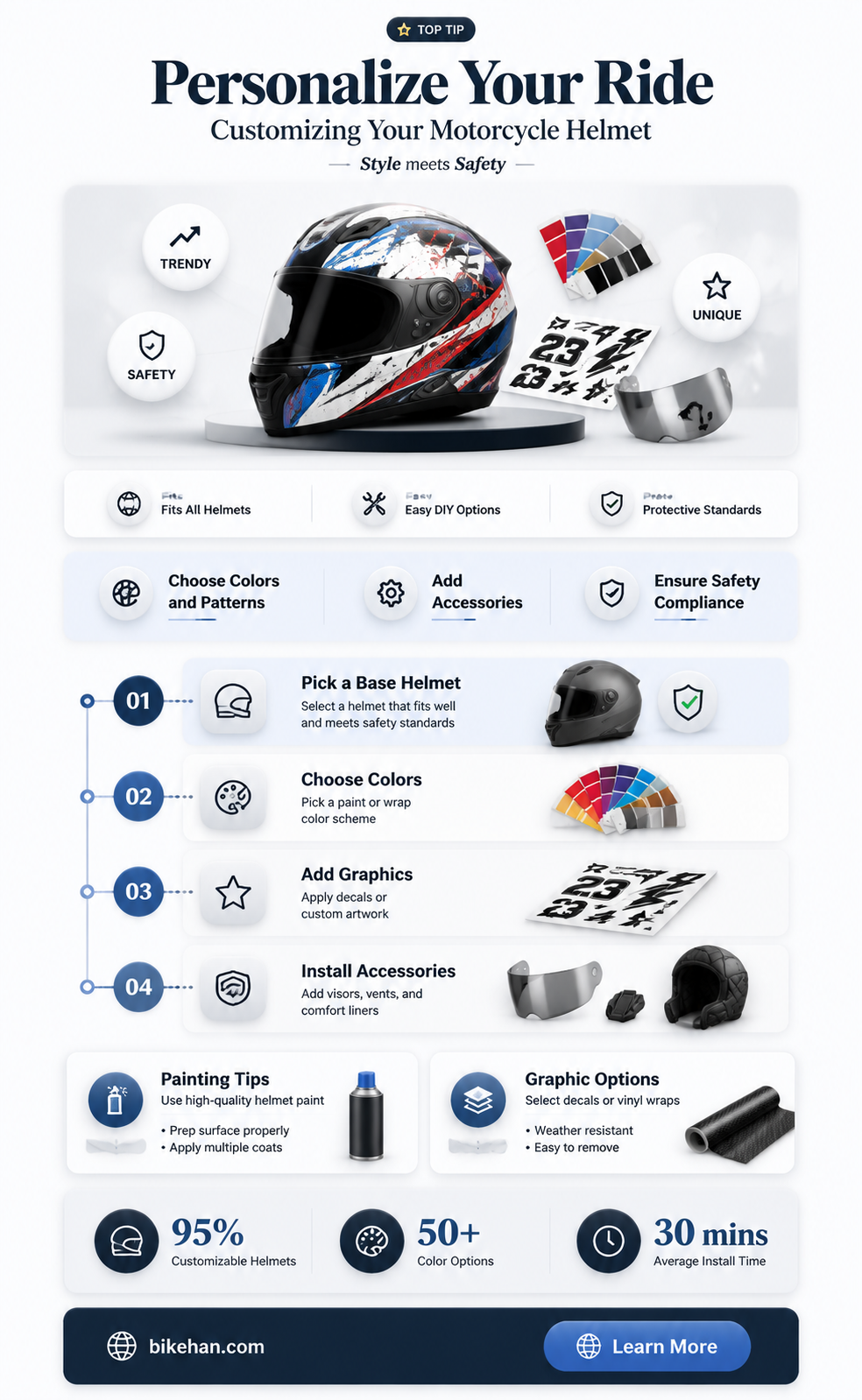
Customizing a motorcycle helmet can be a fun and creative way to express your personal style while ensuring safety on the road. From choosing the right base color to adding intricate designs or logos, there are numerous options to make your helmet stand out. In this guide, we'll walk you through the process of customizing your motorcycle helmet, covering everything from selecting the appropriate materials and tools to applying the final touches. Whether you're a seasoned rider looking to refresh your gear or a newcomer wanting to make a statement, this comprehensive guide will help you achieve a unique and personalized look for your helmet.
Explore related products


What You'll Learn
- Choosing the Right Helmet: Select a helmet that fits well and meets safety standards
- Painting and Graphics: Customize with unique paint jobs or vinyl graphics for a personalized look
- Adding Accessories: Enhance functionality and style with visors, spoilers, and communication devices
- Interior Customization: Upgrade padding, lining, and ventilation systems for improved comfort
- Safety Enhancements: Install additional safety features like reflective materials or advanced impact absorption systems

Choosing the Right Helmet: Select a helmet that fits well and meets safety standards
A well-fitting helmet is crucial for both comfort and safety when riding a motorcycle. To ensure you select the right helmet, start by measuring your head circumference with a flexible tape measure. This measurement will help you determine the correct helmet size. When trying on helmets, make sure the chin strap is snug but not too tight, and the helmet should sit comfortably on your head without any pressure points.
Safety standards are another critical factor to consider. Look for helmets that meet or exceed the safety standards set by organizations such as the Department of Transportation (DOT) in the United States or the Economic Commission for Europe (ECE) in Europe. These standards ensure that the helmet has been tested for impact resistance, penetration resistance, and retention system effectiveness.
In addition to fit and safety standards, consider the type of riding you will be doing. For example, if you plan on riding at high speeds or on racetracks, a full-face helmet with a visor may be the best option. If you prefer cruising or touring, a modular helmet that allows for easy communication and ventilation might be more suitable.
When customizing your helmet, it's essential to balance aesthetics with functionality. While a unique paint job or decal can make your helmet stand out, ensure that any modifications do not compromise the helmet's structural integrity or safety features. Always consult with a professional if you are unsure about any customization options.
Finally, remember that a helmet is a critical piece of safety equipment, and it should be replaced every five years or after any impact, even if it appears undamaged. By choosing the right helmet and maintaining it properly, you can significantly reduce the risk of head injuries in the event of an accident.
Top Spots to Sell Your Motorcycle Helmets: A Comprehensive Guide
You may want to see also
Explore related products




Painting and Graphics: Customize with unique paint jobs or vinyl graphics for a personalized look
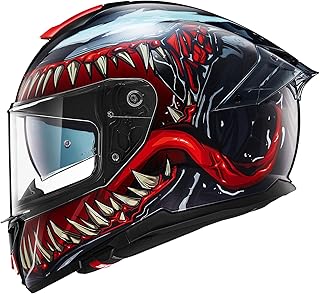
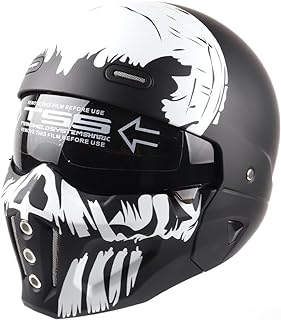
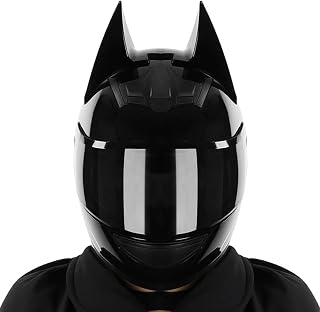
To truly make your motorcycle helmet stand out, consider the vast possibilities offered by custom paint jobs and vinyl graphics. These options allow you to transform your helmet into a unique piece of art that reflects your personality and style. Whether you prefer bold, eye-catching designs or subtle, intricate details, the key is to choose a customization method that suits your preferences and skill level.
When it comes to painting your helmet, there are several techniques you can employ. Airbrushing is a popular choice for creating smooth, professional-looking finishes and intricate designs. This method involves using a specialized airbrush gun to apply paint in fine, controlled sprays. Another option is hand-painting, which allows for more detailed and precise work, especially for smaller designs or touch-ups. Regardless of the technique you choose, it's essential to use high-quality, helmet-specific paints that are durable and resistant to chipping and fading.
Vinyl graphics offer another avenue for customization, providing a cost-effective and relatively easy way to add visual interest to your helmet. These graphics can range from simple decals to complex, full-coverage designs. When applying vinyl graphics, it's crucial to ensure that the surface of your helmet is clean and free of any debris or oils that could interfere with adhesion. Additionally, using a squeegee or similar tool can help smooth out the vinyl and eliminate any air bubbles for a seamless finish.
Before embarking on your customization project, it's important to consider the legal requirements and safety implications of modifying your helmet. In many jurisdictions, there are specific regulations regarding the visibility and reflectivity of helmets, so be sure to choose colors and designs that comply with these standards. Furthermore, any modifications should not compromise the structural integrity or safety features of your helmet.
In conclusion, customizing your motorcycle helmet with unique paint jobs or vinyl graphics is an excellent way to express your individuality and enhance the aesthetic appeal of your gear. By carefully selecting your materials and techniques, and adhering to safety guidelines, you can create a one-of-a-kind helmet that not only looks great but also provides the necessary protection while riding.
Exploring Tennessee's Motorcycle Helmet Laws: A Comprehensive Guide
You may want to see also
Explore related products


Adding Accessories: Enhance functionality and style with visors, spoilers, and communication devices
Motorcycle helmets serve as a critical safety component for riders, but they can also be a canvas for personal expression. Adding accessories such as visors, spoilers, and communication devices not only enhances the helmet's functionality but also allows riders to showcase their unique style. When selecting accessories, it's essential to consider both form and function to ensure that the additions complement the helmet's primary purpose of protection.
Visors, for instance, can serve multiple purposes. They can protect the rider's eyes from wind, debris, and insects while also reducing glare from the sun. Some visors are designed with anti-fog coatings to maintain clear vision in various weather conditions. When choosing a visor, riders should consider the tint level, material, and compatibility with their helmet model. Installation should be secure to prevent the visor from detaching during a ride.
Spoilers are another popular accessory that can improve the helmet's aerodynamics and reduce wind resistance. They come in various shapes and sizes, and some are adjustable to allow riders to customize the airflow. Spoilers can also add a sporty aesthetic to the helmet. However, it's crucial to ensure that the spoiler doesn't obstruct the rider's peripheral vision or interfere with the helmet's ventilation system.
Communication devices, such as Bluetooth headsets, have become increasingly popular among riders who want to stay connected while on the road. These devices can be integrated into the helmet, allowing riders to make phone calls, listen to music, or communicate with other riders in a group. When installing a communication device, it's important to ensure that it doesn't compromise the helmet's structural integrity or distract the rider. The device should be positioned in a way that allows for easy access to controls without removing the helmet.
In conclusion, adding accessories to a motorcycle helmet can enhance both its functionality and style. Riders should carefully consider the purpose of each accessory, its compatibility with their helmet, and its impact on safety and comfort. By selecting the right accessories and installing them properly, riders can create a personalized helmet that meets their specific needs and preferences.
Missouri Motorcycle Helmet Laws: What You Need to Know
You may want to see also
Explore related products


$24.99 $29.99


Interior Customization: Upgrade padding, lining, and ventilation systems for improved comfort
Upgrading the interior of your motorcycle helmet can significantly enhance your riding experience. One of the first steps is to assess the current state of your helmet's padding and lining. Over time, these materials can degrade, losing their cushioning properties and becoming less effective at absorbing sweat and reducing noise. Replacing the padding with high-quality, breathable foam can make a world of difference in terms of comfort, especially during long rides. Look for padding that is specifically designed for motorcycle helmets, as it will be engineered to withstand the unique stresses of riding.
When it comes to the lining, consider opting for a moisture-wicking fabric to keep your head dry and comfortable. Some riders prefer linings made from natural fibers like bamboo, which are known for their antibacterial properties and softness against the skin. Others may choose synthetic materials that offer enhanced durability and quick-drying capabilities. Whichever you select, ensure that the lining is compatible with your helmet's design and can be easily removed for cleaning.
Ventilation is another crucial aspect of interior customization. A well-ventilated helmet can help regulate your body temperature and reduce fogging of the visor. If your helmet doesn't have adequate ventilation, consider adding vent covers or upgrading to a model with built-in airflow channels. Some helmets even feature adjustable vents that allow you to control the amount of air entering the helmet, which can be particularly useful in varying weather conditions.
When upgrading your helmet's interior, it's important to consider the overall fit and ergonomics. Ensure that any new components you install don't alter the helmet's fit or compromise its safety features. It may be helpful to consult with a professional or refer to the manufacturer's guidelines to ensure that your customizations are both safe and effective.
Finally, don't forget to regularly maintain and clean your helmet's interior to prolong the life of your customizations. Use gentle cleaners and avoid harsh chemicals that could damage the materials. By taking the time to upgrade and care for your helmet's interior, you can enjoy a more comfortable and enjoyable riding experience.
Florida Motorcycle Helmet Laws: What You Need to Know
You may want to see also
Explore related products


Safety Enhancements: Install additional safety features like reflective materials or advanced impact absorption systems
Reflective materials are a crucial safety enhancement for motorcycle helmets, significantly increasing the rider's visibility to other road users, especially in low-light conditions. These materials can be applied in various forms, such as decals, tape, or even integrated into the helmet's design. When choosing reflective materials, look for high-quality options that are specifically designed for use on helmets, as they will be more durable and effective.
Advanced impact absorption systems are another important safety feature that can be added to a motorcycle helmet. These systems are designed to reduce the force of impact in the event of a crash, thereby decreasing the risk of head injuries. Some popular options include expanded polystyrene (EPS) foam liners, which are lightweight and provide excellent shock absorption, and more advanced materials like expanded polypropylene (EPP) or thermoplastic elastomers (TPE), which offer even greater impact resistance.
When installing these safety enhancements, it's important to follow the manufacturer's instructions carefully to ensure that they are properly integrated into the helmet's design. This may involve removing existing components, such as the inner lining, and replacing them with the new safety materials. It's also crucial to ensure that the additions do not compromise the helmet's fit or comfort, as this could lead to reduced effectiveness or even increased risk in the event of an accident.
In addition to the practical benefits, customizing a motorcycle helmet with safety enhancements can also have a positive impact on the rider's confidence and overall riding experience. Knowing that their helmet is equipped with the latest safety features can provide peace of mind and allow the rider to focus more on enjoying the ride. Furthermore, a well-customized helmet can also serve as a conversation starter and a way to express personal style, while still prioritizing safety.
In conclusion, installing additional safety features like reflective materials or advanced impact absorption systems is a smart and effective way to customize a motorcycle helmet. By following the proper installation procedures and choosing high-quality materials, riders can significantly enhance their safety on the road while also expressing their personal style.
Decoding Roadside Symbols: The Significance of a Helmet Behind a Motorcycle
You may want to see also
Frequently asked questions
The most popular methods for customizing a motorcycle helmet include painting, applying decals or stickers, adding custom graphics, and installing accessories like visors or chin bars. Many enthusiasts also opt for airbrushing intricate designs or using hydrographics for a unique, printed look.
Generally, yes, you can customize your helmet with almost any design you want, as long as it doesn't compromise the helmet's safety features. It's important to ensure that any added graphics or accessories don't obstruct your vision or interfere with the helmet's aerodynamics. Always check with local laws regarding helmet customization to ensure compliance.
To ensure that your customized helmet remains safe, always use high-quality materials and accessories specifically designed for helmet customization. Avoid using anything that could weaken the helmet's structure or impair its protective capabilities. It's also a good idea to have your helmet inspected by a professional after any major customizations to ensure it still meets safety standards.
Yes, there can be legal restrictions on customizing motorcycle helmets, depending on your location. Some jurisdictions have specific laws regarding the types of modifications allowed, the visibility of certain colors or patterns, and the use of accessories. Always check with your local Department of Motor Vehicles (DMV) or equivalent authority to understand the laws in your area before customizing your helmet.