Matthew Brooks
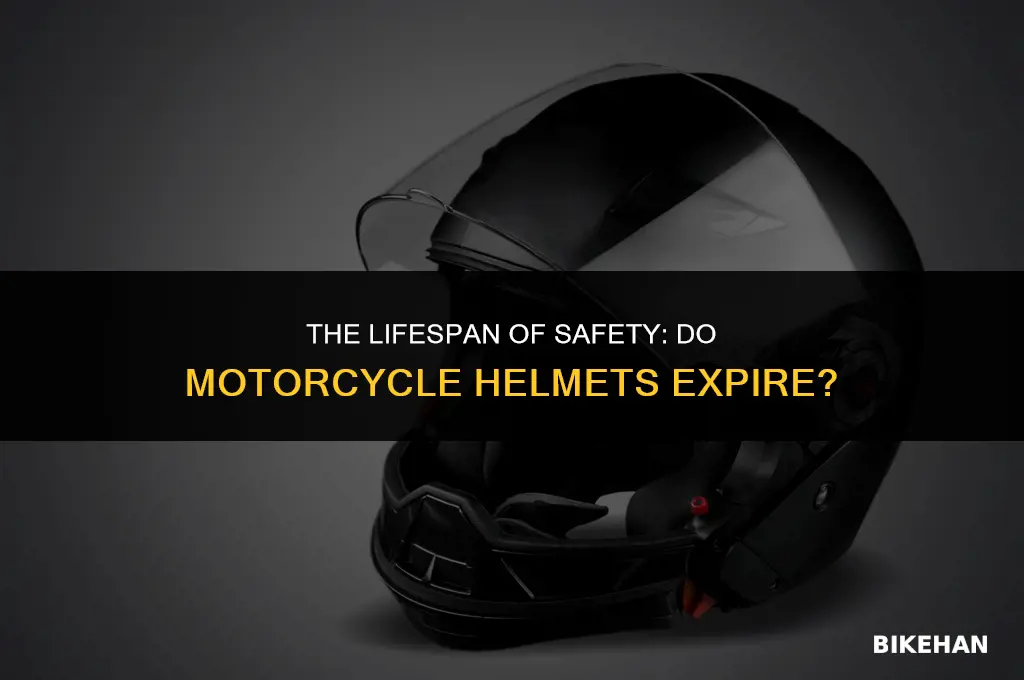
Motorcycle helmets are crucial safety gear for riders, designed to protect the head in the event of an accident. However, many riders may not be aware that helmets have an expiration date. Over time, the materials used in helmets can degrade, reducing their effectiveness in a crash. Factors such as exposure to sunlight, chemicals, and general wear and tear can all contribute to the deterioration of a helmet. As a result, it is important for riders to know when their helmet has reached the end of its useful life and needs to be replaced. In this article, we will explore the factors that affect helmet lifespan and provide guidance on how to determine when it is time to purchase a new one.
Explore related products



What You'll Learn
- Helmet Expiration Dates: Most helmets have a recommended replacement period, typically every 3-5 years
- Safety Standards: Helmets must meet specific safety standards, which can change over time, making older helmets less safe
- Signs of Wear and Tear: Look for cracks, dents, or damage to the shell, liner, or straps that could compromise safety
- Environmental Factors: Exposure to sunlight, chemicals, or extreme temperatures can degrade helmet materials faster
- Manufacturer Recommendations: Always check the manufacturer's guidelines for specific replacement recommendations for your helmet model

Helmet Expiration Dates: Most helmets have a recommended replacement period, typically every 3-5 years
Motorcycle helmets, like many safety devices, have a finite lifespan. Manufacturers typically recommend replacing helmets every 3 to 5 years, depending on usage and environmental factors. This guideline is not arbitrary; it's based on the degradation of materials over time, which can compromise the helmet's ability to protect the rider in the event of an accident.
The expiration date of a helmet is not just about the outer shell. The inner padding, straps, and other components also wear out and lose their effectiveness. For instance, the padding that absorbs impact can become compressed and less resilient, while straps may fray or lose their elasticity, making it difficult to secure the helmet properly.
It's important to note that some helmets may need to be replaced sooner than the recommended period. If a helmet has been involved in an accident, even if it doesn't appear to be damaged, it should be replaced immediately. The structural integrity of the helmet can be compromised in ways that are not always visible to the naked eye. Additionally, exposure to extreme temperatures, sunlight, and chemicals can accelerate the degradation process, necessitating earlier replacement.
To ensure maximum safety, riders should regularly inspect their helmets for signs of wear and tear. This includes checking for cracks in the shell, frayed or broken straps, and worn or discolored padding. If any of these signs are present, it's a clear indication that the helmet is past its prime and needs to be replaced.
In conclusion, while the recommended replacement period for a motorcycle helmet is typically every 3 to 5 years, it's crucial for riders to be vigilant about the condition of their helmets and replace them sooner if necessary. A well-maintained helmet is a critical component of motorcycle safety, and adhering to expiration dates and guidelines can significantly reduce the risk of injury in the event of an accident.
Exploring the Limits: Are Motorcycle Helmets Truly Bulletproof?
You may want to see also
Explore related products


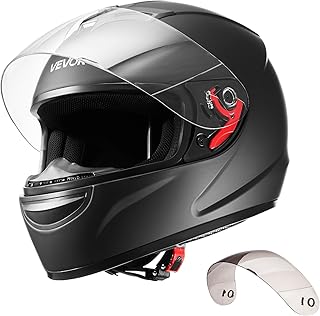


Safety Standards: Helmets must meet specific safety standards, which can change over time, making older helmets less safe
Motorcycle helmets are critical safety gear, designed to protect riders in the event of an accident. However, not all helmets are created equal, and safety standards play a crucial role in determining their effectiveness. These standards are established by various organizations, such as the Department of Transportation (DOT) in the United States, the Economic Commission for Europe (ECE), and the Snell Memorial Foundation, among others. They specify requirements for impact absorption, penetration resistance, retention system effectiveness, and field of vision, among other factors.
Over time, these safety standards evolve as new research emerges, technology advances, and crash data is analyzed. This means that older helmets may not meet the latest safety requirements, potentially making them less effective in protecting riders. For instance, the DOT's Federal Motor Vehicle Safety Standard (FMVSS) 218 has undergone several updates since its inception, with the latest version including more stringent requirements for impact absorption and retention systems. Similarly, the ECE's R22 standard has been revised to include improved testing methods and more comprehensive coverage of different helmet types.
Manufacturers are required to certify that their helmets meet the applicable safety standards at the time of production. However, this certification does not guarantee that the helmet will remain safe indefinitely. Materials can degrade over time due to factors such as exposure to sunlight, chemicals, and temperature fluctuations. Additionally, the helmet's internal components, such as the impact-absorbing foam and retention system, can become less effective with age and use.
While there is no universally accepted expiration date for motorcycle helmets, it is generally recommended that riders replace their helmets every five to seven years, or sooner if the helmet has been involved in an accident or shows signs of wear and tear. Some manufacturers may provide specific guidelines for helmet replacement based on their products' materials and construction. Riders should always check their helmet's certification label for information on the applicable safety standards and consult the manufacturer's recommendations for maintenance and replacement.
In conclusion, safety standards for motorcycle helmets are constantly evolving, and older helmets may not meet the latest requirements. It is essential for riders to stay informed about these standards and to replace their helmets regularly to ensure optimal protection. By doing so, they can reduce their risk of injury in the event of an accident and enjoy a safer riding experience.
Exploring Maryland's Motorcycle Helmet Laws: A Comprehensive Guide
You may want to see also
Explore related products

$74.95


Signs of Wear and Tear: Look for cracks, dents, or damage to the shell, liner, or straps that could compromise safety
Motorcycle helmets are subjected to various stresses during use, from the constant flow of air to the occasional impact. Over time, these stresses can lead to visible signs of wear and tear that may compromise the helmet's safety. It's crucial to regularly inspect your helmet for any damage that could affect its protective capabilities.
Start by examining the outer shell for any cracks or dents. These can be indicative of structural weakness that could allow impact forces to penetrate the helmet. Pay close attention to the areas around the visor and the chin guard, as these are common points of impact. Next, inspect the liner for any signs of compression or deformation. A damaged liner may not provide adequate cushioning in the event of a crash.
The straps and buckles are also critical components to check. Worn or frayed straps can break under tension, while a damaged buckle may not secure the helmet properly. Look for any discoloration or brittleness in the straps, and ensure the buckle clicks securely into place.
In addition to these specific checks, it's important to consider the overall condition of the helmet. If it has been involved in a crash, it's likely that the damage may not be immediately visible. In such cases, it's best to err on the side of caution and replace the helmet.
Remember, a helmet's safety is only as good as its condition. Regular inspections and timely replacements are essential to ensure that your helmet continues to provide the protection you need while riding.
Exploring the Legality of Motorcycle Helmet Covers: A Comprehensive Guide
You may want to see also
Explore related products


Environmental Factors: Exposure to sunlight, chemicals, or extreme temperatures can degrade helmet materials faster
Exposure to sunlight is one of the primary environmental factors that can accelerate the degradation of motorcycle helmet materials. The ultraviolet (UV) rays in sunlight can cause the plastics and resins in the helmet shell to become brittle and discolored over time. This brittleness can compromise the helmet's structural integrity, making it more susceptible to cracking or shattering upon impact. Additionally, UV exposure can weaken the bonds between different layers of the helmet, potentially leading to delamination.
Chemicals, such as those found in cleaning products, solvents, or even road salt, can also damage helmet materials. Certain chemicals can react with the plastics and coatings, causing them to degrade more quickly. For example, some cleaning agents contain abrasive particles that can scratch the helmet's surface, while others may contain solvents that can dissolve or soften the materials. It's crucial for helmet owners to use appropriate cleaning products specifically designed for motorcycle helmets to avoid chemical damage.
Extreme temperatures, both hot and cold, can further exacerbate the degradation process. High temperatures can cause the materials to expand and contract rapidly, leading to stress cracks and warping. Conversely, extremely cold temperatures can make the materials more brittle and prone to cracking. Helmets should be stored in a cool, dry place away from direct sunlight and extreme temperature fluctuations to prolong their lifespan.
To mitigate the effects of environmental factors, helmet manufacturers often incorporate UV inhibitors and other protective additives into their materials. However, even with these precautions, it's essential for riders to be aware of the potential impact of environmental exposure on their helmets. Regular inspection for signs of wear and tear, such as cracks, discoloration, or delamination, can help identify when a helmet may need to be replaced.
In conclusion, environmental factors like sunlight, chemicals, and extreme temperatures can significantly affect the longevity and safety of motorcycle helmets. By understanding these factors and taking appropriate precautions, riders can help ensure that their helmets remain in good condition and provide optimal protection.
Arizona's Motorcycle Helmet Laws: What You Need to Know
You may want to see also
Explore related products


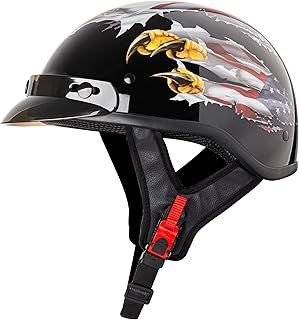


Manufacturer Recommendations: Always check the manufacturer's guidelines for specific replacement recommendations for your helmet model
Manufacturers of motorcycle helmets often provide detailed guidelines regarding the replacement and maintenance of their products. These recommendations are crucial for ensuring the safety and effectiveness of the helmet. For instance, some manufacturers may specify that helmets should be replaced every five years, regardless of usage, due to the degradation of materials over time. Others might recommend replacement after a certain number of hours of use or after exposure to specific conditions, such as extreme weather or accidents.
It is essential to follow these guidelines meticulously, as they are based on extensive research and testing. Helmets that are past their recommended replacement date may not provide adequate protection in the event of a crash. Additionally, manufacturers may offer specific instructions on how to care for the helmet to prolong its lifespan, such as cleaning methods, storage recommendations, and guidelines for inspecting the helmet for damage.
To find the specific replacement recommendations for your helmet model, you should consult the manufacturer's website or contact their customer service department. They can provide you with detailed information tailored to your helmet's make and model. It is also advisable to register your helmet with the manufacturer, as this can help you receive important updates and recalls.
In some cases, manufacturers may also provide a warranty or guarantee on their helmets, which can offer additional protection and peace of mind. By adhering to the manufacturer's recommendations, you can ensure that your helmet remains in optimal condition and provides the necessary protection while riding.
Remember, safety should always be the top priority when it comes to motorcycle gear. By following the manufacturer's guidelines and replacing your helmet as recommended, you can significantly reduce the risk of injury in the event of an accident.
Personalize Your Ride: The Ultimate Guide to Customizing Your Motorcycle Helmet
You may want to see also
Frequently asked questions
Yes, motorcycle helmets do have expiration dates. Manufacturers typically recommend replacing a helmet every 3 to 5 years, or sooner if it has been involved in an accident or shows signs of wear and tear.
Check the manufacturer's label inside the helmet for a production date or expiration date. If there's no visible date, consider the helmet's age and condition. If it's more than 5 years old or has been involved in an accident, it's likely time to replace it.
Using an expired motorcycle helmet can significantly increase your risk of injury in the event of an accident. Over time, the materials in the helmet can degrade, reducing its ability to absorb impact and protect your head.
While there are no federal laws in the United States specifically addressing motorcycle helmet expiration, some states have their own regulations. For example, California requires helmets to meet certain safety standards, which may include expiration dates. Check your state's laws for more information.
Proper disposal of an expired motorcycle helmet is important to prevent it from being reused and potentially causing harm. Check with your local waste management facility for guidelines on disposing of hazardous materials, as some helmets may contain materials that require special handling.