Samantha Lee
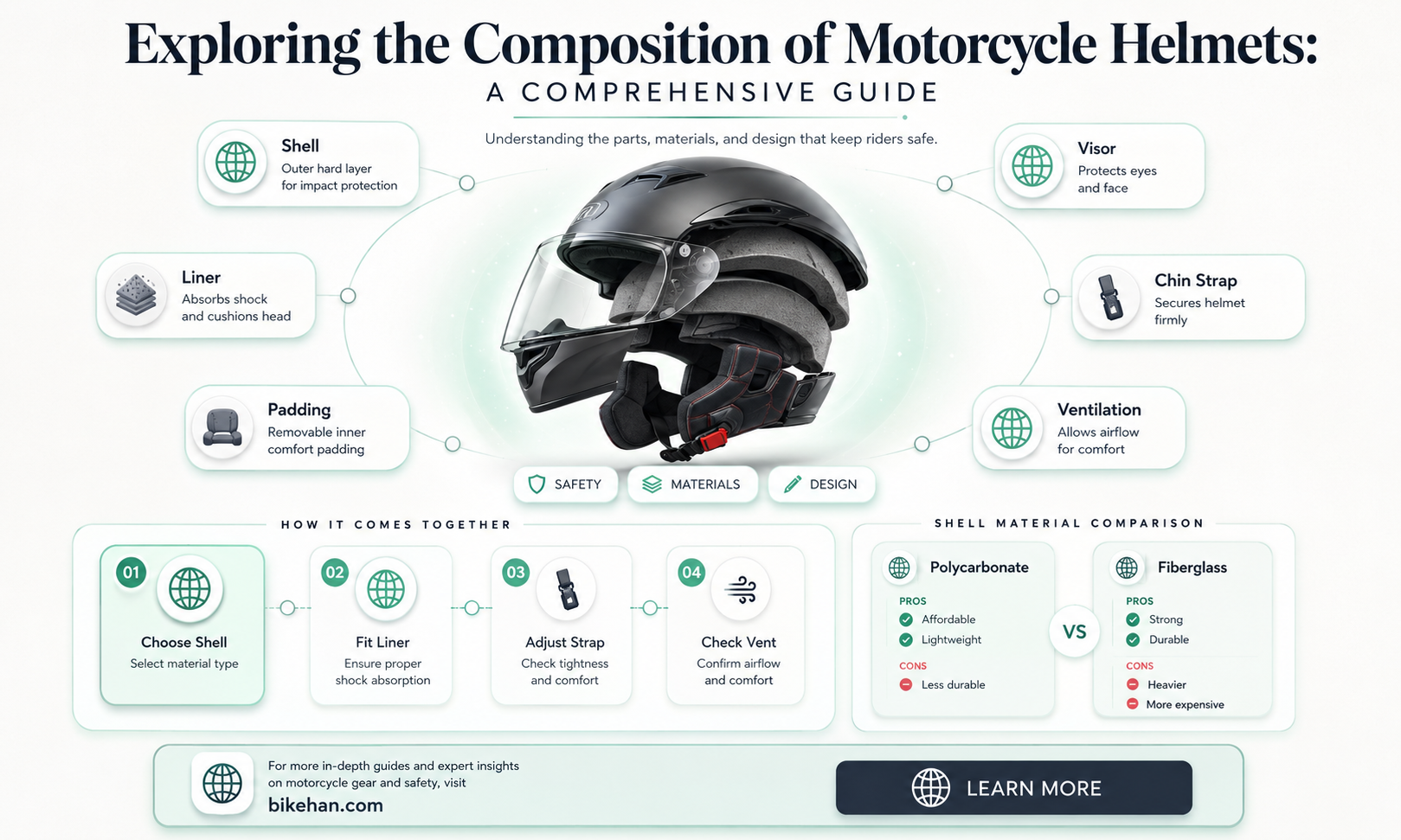
Motorcycle helmets are essential safety gear for riders, designed to protect the head in the event of an accident. They are typically constructed from a combination of materials, each chosen for its specific properties. The outer shell is often made from a high-strength composite material such as fiberglass, carbon fiber, or polycarbonate. This shell provides the primary protection against impacts and abrasion. Inside the shell, there is a layer of expanded polystyrene (EPS) foam, which acts as an energy absorber, cushioning the head and reducing the force of impacts. The chin strap is usually made from a strong, durable material like nylon or leather, ensuring the helmet stays securely fastened. Additionally, the interior padding is often lined with a soft, moisture-wicking fabric for comfort and to help regulate temperature. Some helmets also incorporate advanced features like ventilation systems, visors, and communication devices, enhancing both safety and rider experience.
Explore related products


What You'll Learn
- Outer Shell: Made from polycarbonate, fiberglass, or carbon fiber for impact resistance
- Inner Liner: Expanded polystyrene foam absorbs shock and provides cushioning
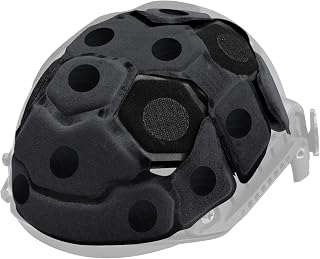
- Comfort Padding: Soft, moisture-wicking materials for comfort and fit
- Visor: Clear or tinted polycarbonate for eye protection and visibility
- Retention System: Adjustable straps and buckles ensure a secure fit

Outer Shell: Made from polycarbonate, fiberglass, or carbon fiber for impact resistance
Polycarbonate, fiberglass, and carbon fiber are the primary materials used in the construction of motorcycle helmet outer shells, each offering unique properties that contribute to impact resistance. Polycarbonate is a popular choice due to its high impact strength, lightweight nature, and ability to be molded into various shapes. Fiberglass, on the other hand, provides a balance between weight and durability, making it a cost-effective option. Carbon fiber stands out for its exceptional strength-to-weight ratio, offering superior protection while keeping the helmet lightweight.
The choice of material for the outer shell is crucial as it directly affects the helmet's ability to absorb and dissipate the force of an impact. In the event of a crash, the outer shell is the first line of defense, and its composition can significantly influence the outcome. Manufacturers often combine these materials or use advanced composites to enhance the helmet's overall performance.
When selecting a motorcycle helmet, it's essential to consider the material of the outer shell, as it plays a vital role in ensuring rider safety. Helmets made from polycarbonate, fiberglass, or carbon fiber are designed to meet or exceed safety standards, providing riders with the necessary protection on the road.
Illinois Motorcycle Helmet Law: What You Need to Know
You may want to see also
Explore related products


Inner Liner: Expanded polystyrene foam absorbs shock and provides cushioning
Expanded polystyrene foam, commonly known as EPS, is a critical component in the construction of motorcycle helmets. Its primary function is to absorb shock and provide cushioning, which is essential in protecting the rider's head during impacts. EPS foam is strategically placed within the helmet's inner liner to ensure that it can effectively dissipate the force of a collision, reducing the risk of head injuries.
The EPS foam works by compressing upon impact, which helps to absorb the energy of the shock. This compression also allows the foam to conform to the shape of the rider's head, providing a snug and comfortable fit. Additionally, EPS foam is lightweight, which contributes to the overall comfort of the helmet by reducing neck strain during long rides.
One of the key advantages of EPS foam is its ability to maintain its cushioning properties over time. Unlike some other materials that may degrade or lose their effectiveness with repeated use, EPS foam retains its shock-absorbing capabilities, ensuring consistent protection for the rider. This durability is crucial for motorcycle helmets, which are subjected to various environmental factors and potential impacts.
In terms of safety standards, EPS foam is widely recognized for its effectiveness in reducing the risk of head injuries. Many motorcycle helmet manufacturers use EPS foam in their products to meet or exceed safety regulations set by organizations such as the Department of Transportation (DOT) and the Snell Memorial Foundation. These standards require helmets to demonstrate a certain level of impact absorption and penetration resistance, which EPS foam helps to achieve.
Overall, the inner liner made of expanded polystyrene foam plays a vital role in the safety and comfort of motorcycle helmets. Its shock-absorbing properties, durability, and ability to conform to the rider's head make it an essential component in protecting motorcyclists from head injuries during accidents.
Florida Motorcycle Helmet Laws: What You Need to Know
You may want to see also
Explore related products


Comfort Padding: Soft, moisture-wicking materials for comfort and fit
Motorcycle helmets are designed with multiple layers, each serving a specific purpose. One of the most critical components for rider comfort is the comfort padding. This padding is typically made from soft, moisture-wicking materials that provide both comfort and a secure fit. The primary function of this padding is to cushion the head, reducing the impact of vibrations and minor bumps while riding. Additionally, the moisture-wicking properties help keep the rider's head dry and cool, which is essential during long rides or in warm weather conditions.
The comfort padding is usually constructed from materials like foam, which is both lightweight and effective at absorbing shock. This foam is often covered with a soft, breathable fabric that enhances comfort and helps prevent irritation against the skin. Some high-end helmets may also incorporate gel inserts or other advanced materials to further improve comfort and impact absorption.
Proper fit is crucial for both comfort and safety. The padding should be snug enough to keep the helmet securely in place, but not so tight as to cause discomfort or restrict blood flow. Many helmets come with adjustable padding to accommodate different head sizes and shapes, ensuring a customized fit for each rider. It's important to note that over time, the padding may compress and lose its effectiveness, so regular inspection and replacement are necessary to maintain optimal comfort and safety.
In addition to providing comfort, the padding also plays a role in noise reduction. By cushioning the head and creating a seal against the helmet shell, the padding can help minimize wind noise and other external sounds, allowing for a quieter and more enjoyable riding experience. This is particularly important for riders who take long trips or ride at high speeds, where prolonged exposure to loud noise can be fatiguing and potentially harmful to hearing.
When selecting a motorcycle helmet, it's essential to consider the quality and type of comfort padding included. Riders should look for helmets with padding that is both soft and supportive, and that incorporates moisture-wicking properties to enhance comfort during extended use. By choosing a helmet with high-quality comfort padding, riders can ensure a more enjoyable and safer riding experience.
Indiana Motorcycle Helmet Laws: What You Need to Know
You may want to see also
Explore related products


Visor: Clear or tinted polycarbonate for eye protection and visibility
Polycarbonate visors are a critical component of motorcycle helmets, serving the dual purpose of protecting the rider's eyes from debris and enhancing visibility. The choice between a clear and tinted visor depends on the riding conditions and personal preference. Clear visors are ideal for low-light conditions, ensuring maximum light transmission, while tinted visors can reduce glare and eye strain in bright sunlight.
The manufacturing process of polycarbonate visors involves several steps. First, the polycarbonate material is injection-molded into the desired shape. This process ensures the visor's strength and impact resistance. Next, the visor undergoes a polishing process to achieve a smooth, scratch-resistant surface. Finally, an anti-fog coating is applied to prevent condensation, which is essential for maintaining clear vision in varying weather conditions.
One of the key benefits of polycarbonate visors is their lightweight nature, which contributes to the overall comfort of the helmet. Additionally, polycarbonate is known for its high impact resistance, providing a significant level of protection in the event of an accident. However, it's important to note that polycarbonate visors can be prone to scratching, so proper care and maintenance are crucial to prolong their lifespan.
When choosing a polycarbonate visor, riders should consider factors such as the level of tint, the presence of anti-fog coatings, and the visor's compatibility with their specific helmet model. It's also advisable to select visors that meet safety standards, such as those set by the Department of Transportation (DOT) or the European Economic Area (EEA).
In conclusion, polycarbonate visors play a vital role in motorcycle safety and comfort. By understanding the manufacturing process, benefits, and considerations involved in selecting a visor, riders can make informed decisions that enhance their overall riding experience.
Rev Up Your Safety: The Ultimate Guide to Motorcycle Helmet Replacement
You may want to see also
Explore related products


Retention System: Adjustable straps and buckles ensure a secure fit
Motorcycle helmets are complex pieces of safety equipment composed of multiple layers and components, each serving a specific function. One critical aspect often overlooked is the retention system, which ensures the helmet stays securely in place during a ride or in the event of an accident. This system typically consists of adjustable straps and buckles designed to fit snugly around the rider's head and chin.
The retention system is crucial because a helmet that is not properly secured can come off during an impact, significantly reducing its effectiveness in protecting the rider. Adjustable straps allow for a customized fit, accommodating different head sizes and shapes, while buckles provide a quick and reliable method for fastening and unfastening the helmet.
When examining the retention system, it's important to consider the materials used. High-quality helmets often feature straps made from durable, woven nylon, which offers both strength and flexibility. The buckles are typically constructed from hard plastics or metals, chosen for their ability to withstand force without breaking.
Proper adjustment of the retention system is key to ensuring safety and comfort. Riders should ensure that the straps are tight enough to prevent the helmet from moving around but not so tight as to cause discomfort or restrict blood flow. The buckle should be securely fastened, and any excess strap length should be trimmed or tucked away to prevent it from getting caught on anything during a ride.
In conclusion, the retention system of a motorcycle helmet, with its adjustable straps and buckles, plays a vital role in ensuring the helmet's effectiveness in protecting riders. By providing a secure fit, this system helps to keep the helmet in place when it matters most, making it an essential component of any high-quality motorcycle helmet.
Breaking In Your Motorcycle Helmet: A Rider's Guide to Comfort and Safety
You may want to see also
Frequently asked questions
Motorcycle helmets are typically constructed from a combination of materials, including a hard outer shell made of polycarbonate, fiberglass, or carbon fiber, and an inner layer of expanded polystyrene (EPS) foam for impact absorption.
The hard outer shell of a motorcycle helmet provides a protective barrier against abrasion and penetration in the event of a crash, while the inner EPS foam layer helps to absorb and distribute the force of impacts, reducing the risk of head injuries.
Yes, in addition to the outer shell and inner foam layer, motorcycle helmets often include features such as a visor or face shield for eye protection, a chin strap for secure fastening, and padding or lining made from moisture-wicking materials for comfort. Some helmets may also incorporate advanced technologies like MIPS (Multi-Directional Impact Protection System) or ECE (Economic Commission for Europe) certification for enhanced safety.