Megan Blake
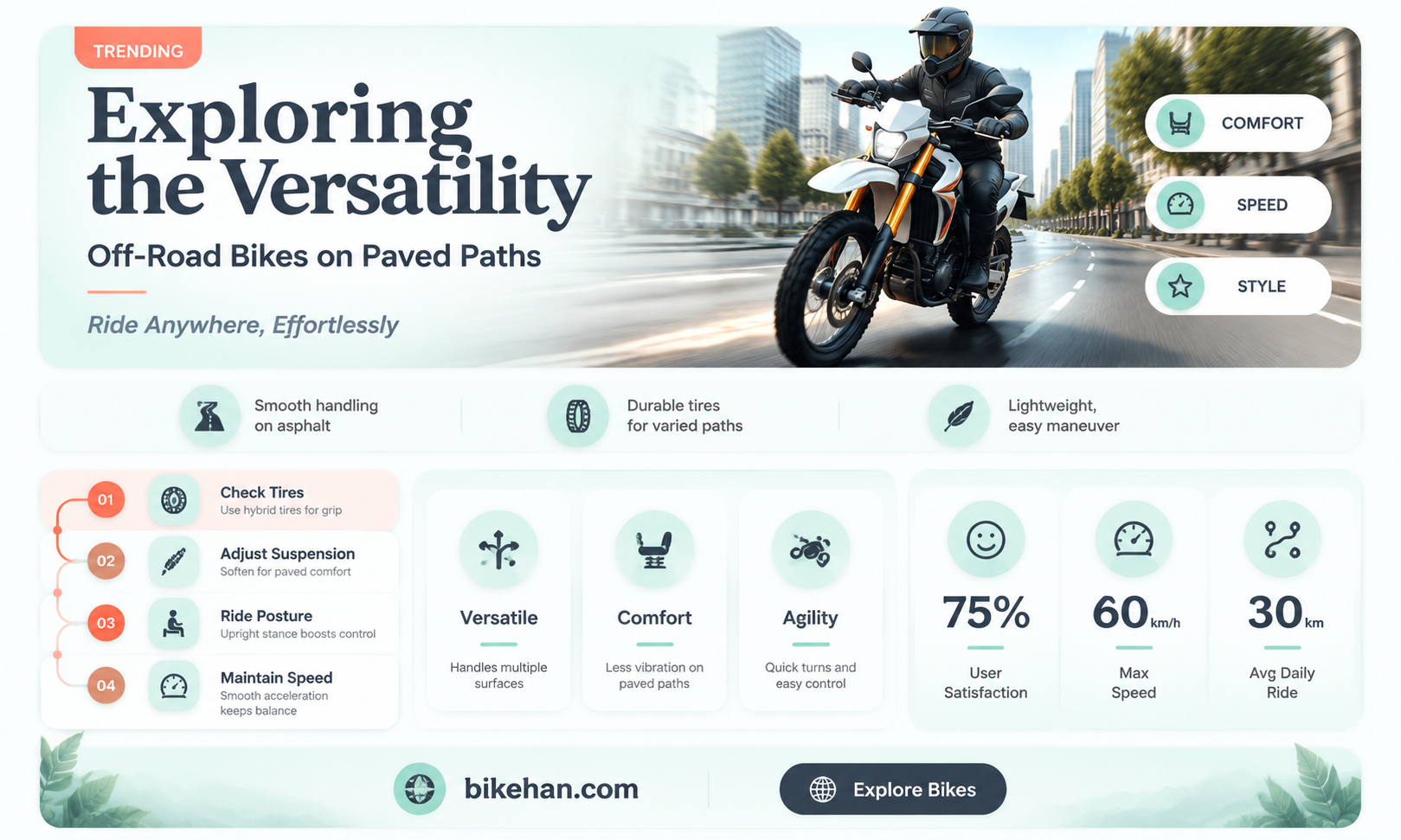
Off-road bikes, designed for rugged terrains and adventurous trails, are built to handle the demands of dirt paths, rocky surfaces, and uneven landscapes. However, the question arises: can these bikes be ridden on regular roads? The answer is not straightforward. While off-road bikes can technically be ridden on roads, their design features—such as wide, knobby tires, suspension systems, and a more upright riding position—make them less efficient and comfortable for paved surfaces compared to road bikes. Road bikes, on the other hand, are optimized for speed and efficiency on smooth roads, with narrow, slick tires, lightweight frames, and a more aerodynamic riding posture. In this article, we'll explore the key differences between off-road and road bikes, discuss the challenges and considerations of riding off-road bikes on roads, and provide insights into choosing the right bike for your intended use.
Explore related products

$11.99 $17.99




What You'll Learn
- Tire Pressure and Tread: Adjusting tire pressure and choosing tires with suitable tread patterns for road conditions
- Suspension Settings: Modifying suspension settings to optimize comfort and handling on paved surfaces
- Legal Considerations: Understanding local laws and regulations regarding off-road bike usage on public roads
- Safety Gear: Selecting appropriate safety gear, such as helmets and reflective clothing, for road cycling
- Riding Techniques: Adapting riding techniques, like cornering and braking, to ensure safety and efficiency on roads

Tire Pressure and Tread: Adjusting tire pressure and choosing tires with suitable tread patterns for road conditions
Adjusting tire pressure and selecting tires with the right tread pattern are crucial when transitioning from off-road to on-road cycling. The first step is to ensure your tires are inflated to the correct pressure, which is typically higher for road riding than for off-road use. This helps reduce rolling resistance, improves handling, and minimizes the risk of punctures. A good starting point is to inflate your tires to the maximum pressure recommended by the manufacturer, then adjust based on your weight, riding style, and road conditions.
Next, consider the tread pattern of your tires. Off-road tires usually have a more aggressive tread to provide better grip on loose or uneven surfaces. However, these tires can be inefficient and noisy on paved roads. Road-specific tires, on the other hand, have a smoother tread pattern that reduces rolling resistance and improves speed and handling on hard surfaces. If you plan to ride primarily on roads, it's worth investing in a set of road tires.
For those who want to maintain the versatility of their off-road bike for both terrains, there are hybrid tires available. These tires strike a balance between off-road traction and on-road efficiency, making them suitable for riders who frequently switch between different types of terrain.
Another important factor to consider is tire width. Wider tires can provide a smoother ride on rough roads and better traction in off-road conditions, but they may be slower and less efficient on smooth pavement. Narrower tires are faster and more efficient on roads but may not provide enough grip or comfort on rough terrain.
Finally, it's essential to regularly inspect your tires for wear and tear, especially when riding on abrasive road surfaces. Look for signs of excessive wear, such as bald spots or cracks, and replace your tires as needed to ensure safe and efficient riding.
By carefully adjusting tire pressure, choosing the right tread pattern, and considering tire width, you can optimize your off-road bike for safe and enjoyable on-road riding.
Mini Bike Road Riding: Legal and Safety Considerations
You may want to see also
Explore related products


Suspension Settings: Modifying suspension settings to optimize comfort and handling on paved surfaces
Modifying suspension settings on off-road bikes for paved surfaces requires a careful balance between comfort and handling. The key is to adjust the suspension to minimize the impact of road imperfections while maintaining enough responsiveness for control. Start by assessing the bike's current suspension setup, noting the preload, compression, and rebound settings. Preload adjustment is crucial as it determines the initial position of the suspension. For paved roads, a lower preload setting can improve comfort by allowing the suspension to absorb more of the road's bumps and vibrations.
Next, consider the compression setting, which controls how quickly the suspension compresses when hitting an obstacle. A softer compression setting can enhance comfort on rough pavement, but it may compromise handling. Conversely, a firmer compression setting improves handling but can make the ride harsher. Experiment with small adjustments to find the optimal balance. Rebound settings, which control the speed at which the suspension returns to its original position, should be adjusted to prevent the wheel from bouncing excessively on the road. A slower rebound can improve traction and stability.
When making these adjustments, it's important to consider the rider's weight and riding style. Heavier riders may need firmer suspension settings to maintain control, while lighter riders can benefit from softer settings for improved comfort. Additionally, aggressive riders who prioritize handling may prefer firmer settings across the board, whereas casual riders may opt for a more comfortable setup.
After adjusting the suspension settings, take the bike for a test ride on various paved surfaces to evaluate the changes. Pay attention to how the bike handles bumps, corners, and changes in terrain. Make further adjustments as needed until the desired balance between comfort and handling is achieved. Remember that suspension settings are not a one-size-fits-all solution and may need to be fine-tuned based on individual preferences and riding conditions.
Mini Bikes on Sidewalks: A Comprehensive Guide to Safe Riding
You may want to see also
Explore related products


Legal Considerations: Understanding local laws and regulations regarding off-road bike usage on public roads
Navigating the legal landscape of off-road bike usage on public roads requires a keen understanding of local laws and regulations. These can vary significantly from one jurisdiction to another, making it essential for riders to be well-informed. In some areas, off-road bikes may be permitted on certain public roads, while in others, they may be strictly prohibited. Riders must familiarize themselves with these rules to avoid legal repercussions and ensure their safety.
To begin, riders should consult their local motor vehicle laws and regulations. These documents typically outline the requirements for operating various types of vehicles, including off-road bikes, on public roads. Key considerations may include registration and licensing requirements, equipment standards, and rules governing where and when off-road bikes can be ridden. Additionally, riders should be aware of any specific restrictions or exemptions that may apply to their particular situation, such as age limits or special permits.
Beyond general motor vehicle laws, riders should also be aware of any specific ordinances or regulations governing off-road bike usage in their area. These may include restrictions on riding in certain locations, such as parks or residential areas, or requirements for wearing protective gear. Riders should also be mindful of any environmental regulations that may impact their ability to ride off-road bikes on public roads, such as rules governing trail access or conservation areas.
In addition to understanding the legal requirements, riders should also consider the practical implications of riding off-road bikes on public roads. For example, they may need to ensure their bikes are equipped with appropriate lighting and reflectors for visibility, and they should be prepared to follow traffic rules and signals. Riders should also be aware of potential safety hazards, such as uneven road surfaces or obstacles, and take necessary precautions to mitigate these risks.
Ultimately, the key to legally and safely riding off-road bikes on public roads is to be well-informed and prepared. By understanding the relevant laws and regulations, riders can make informed decisions about where and when to ride, and take necessary precautions to ensure their safety and compliance with the law.
Exploring Long-Distance Cycling on a Naked Bike: A Comprehensive Guide
You may want to see also
Safety Gear: Selecting appropriate safety gear, such as helmets and reflective clothing, for road cycling
When selecting safety gear for road cycling, it's crucial to prioritize visibility and protection. Reflective clothing is essential for ensuring that you're seen by motorists, especially during low-light conditions or at night. Look for garments with reflective strips or patterns that cover key areas such as the arms, legs, and torso. Additionally, a high-quality helmet is non-negotiable for protecting your head in the event of a fall or collision. Choose a helmet that fits snugly and is certified for road cycling safety.
Beyond the basics, consider investing in other protective gear such as gloves, which can provide better grip and cushioning, and cycling-specific shoes that offer improved pedaling efficiency and comfort. If you plan to ride in colder weather, thermal clothing and shoe covers can help maintain body heat and prevent frostbite. It's also wise to carry a basic first-aid kit, a multi-tool, and a spare tube in case of emergencies.
When it comes to selecting the right gear, it's important to consider your specific needs and riding conditions. For example, if you frequently ride in urban areas with heavy traffic, you may want to opt for more reflective clothing and a helmet with a visor to shield your eyes from debris. On the other hand, if you prefer long-distance rides on rural roads, you may prioritize comfort and aerodynamics over maximum visibility.
Remember that proper maintenance of your safety gear is just as important as selecting the right equipment in the first place. Regularly inspect your helmet for signs of wear or damage, and replace it if necessary. Wash your reflective clothing according to the manufacturer's instructions to ensure that it retains its visibility properties. By taking the time to select and maintain appropriate safety gear, you can significantly reduce your risk of injury and enjoy a safer, more enjoyable road cycling experience.
Mastering the Art of No-Hands Riding on Mountain Bikes
You may want to see also
Riding Techniques: Adapting riding techniques, like cornering and braking, to ensure safety and efficiency on roads
Adapting riding techniques is crucial when transitioning from off-road to on-road cycling. One of the key techniques to master is cornering. On roads, corners are often sharper and require more precision than on trails. To navigate these safely, riders should approach the corner at a controlled speed, lean into the turn while keeping their weight centered over the bike, and use their body to counterbalance the forces acting on the bicycle. This technique helps maintain traction and stability, reducing the risk of skidding or losing control.
Braking is another critical skill that needs adjustment. Off-road bikes typically have more powerful brakes designed for steep descents and rough terrain. On roads, however, abrupt braking can be dangerous and unnecessary. Riders should practice gradual braking, applying pressure to both brakes simultaneously to slow down smoothly. This not only prevents sudden stops that could lead to accidents but also helps in maintaining a steady pace in traffic.
Additionally, road cycling requires a different posture compared to off-road riding. On roads, riders should adopt a more aerodynamic position, bending forward slightly to reduce wind resistance. This posture also allows for better visibility and control, especially when navigating through busy streets or intersections.
Lastly, it's important to be aware of road conditions and adjust riding techniques accordingly. Potholes, debris, and wet surfaces can all impact traction and handling. Riders should stay alert and be prepared to modify their speed and braking techniques to accommodate these varying conditions. By doing so, they can ensure a safer and more efficient ride on roads.
Exploring Bon Tempe: Mountain Biking Adventures Await
You may want to see also