Eric Johnson
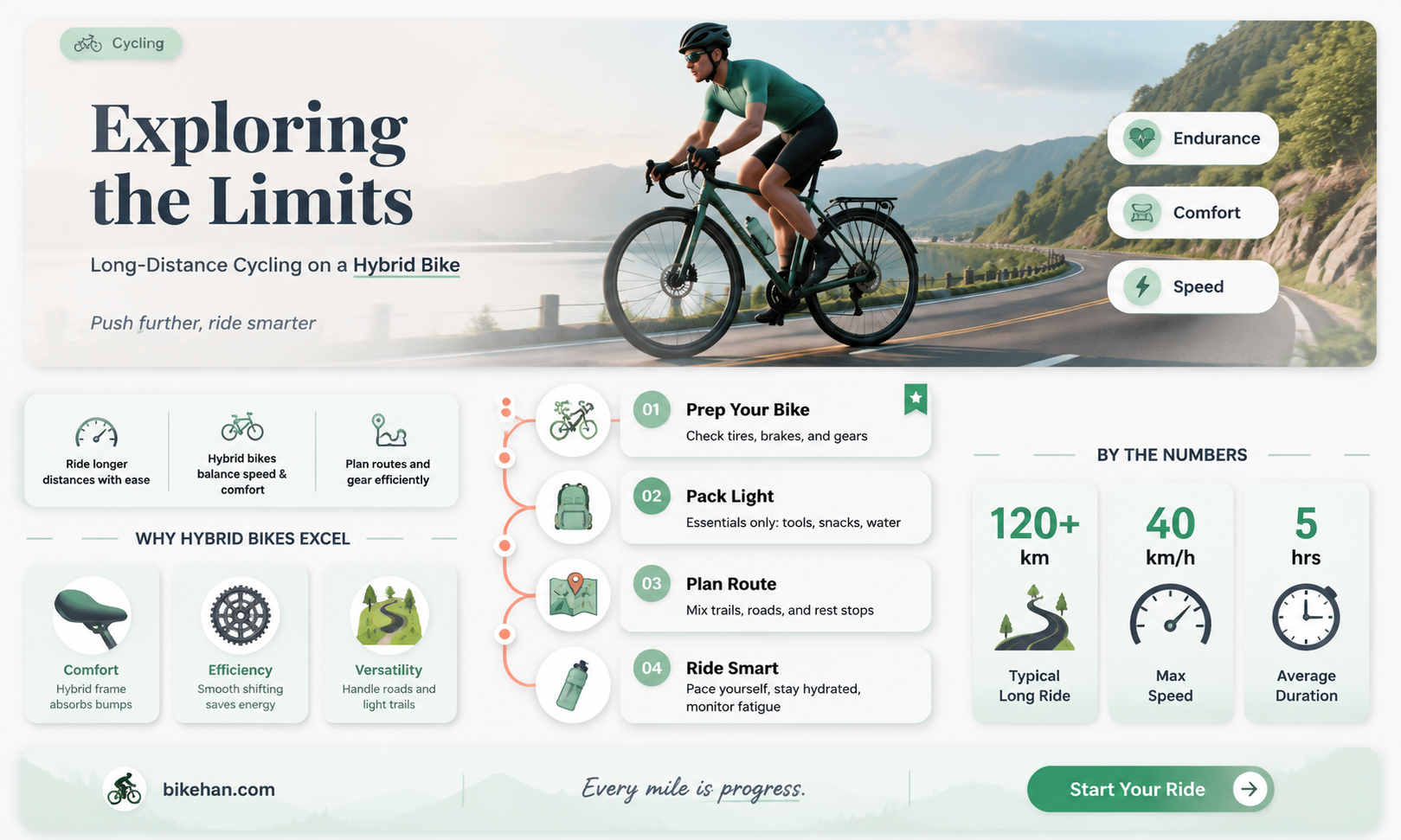
Hybrid bikes are versatile and designed to handle a variety of terrains, making them suitable for both short commutes and longer rides. However, when it comes to long-distance cycling, many enthusiasts wonder if a hybrid bike is the right choice. The answer depends on several factors, including the specific model of the hybrid bike, the rider's comfort and endurance, and the type of terrain they plan to cover. Generally, hybrid bikes can be used for long-distance rides, but they may not be as efficient or comfortable as road bikes or touring bikes specifically designed for such purposes. Riders should consider factors like the bike's weight, tire width, and frame geometry, as well as their own fitness level and experience, when deciding whether to embark on a long-distance journey with a hybrid bike.
Explore related products


What You'll Learn
- Comfort and Ergonomics: Hybrid bikes offer a comfortable riding position, suitable for long distances
- Speed and Efficiency: They combine the speed of road bikes with the versatility of mountain bikes
- Terrain Adaptability: Hybrid bikes can handle various terrains, from paved roads to light trails
- Durability and Maintenance: They are built to last and require less maintenance than specialized bikes
- Accessories and Gear: Easily attachable racks, fenders, and lights make them practical for long rides

Comfort and Ergonomics: Hybrid bikes offer a comfortable riding position, suitable for long distances
Hybrid bikes are designed with comfort and ergonomics in mind, making them an excellent choice for long-distance rides. The upright riding position reduces strain on the back and neck, allowing riders to maintain a comfortable posture for extended periods. This is particularly beneficial for riders who may experience discomfort on traditional road bikes, which often require a more aggressive, forward-leaning position.
One of the key features that contribute to the comfort of hybrid bikes is their wider tires. These tires provide better cushioning and shock absorption, reducing the impact of bumps and uneven surfaces on the rider. Additionally, hybrid bikes often come equipped with suspension forks, which further enhance comfort by absorbing vibrations and jolts from the road.
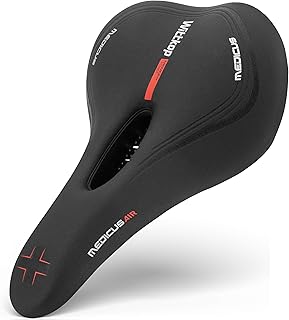
The ergonomic design of hybrid bikes also extends to their handlebars and grips. Many hybrid bikes feature ergonomic grips that are designed to reduce pressure on the hands and wrists, preventing numbness and discomfort during long rides. The handlebars are typically positioned to allow for a relaxed, natural arm position, reducing strain on the shoulders and upper back.
Furthermore, hybrid bikes often have multiple gears, which allows riders to adjust their pedaling resistance based on the terrain and their fitness level. This flexibility makes it easier to maintain a comfortable pace over long distances, without overexerting oneself.
In conclusion, the comfort and ergonomics of hybrid bikes make them a suitable option for long-distance riding. Their upright riding position, wider tires, suspension forks, ergonomic grips, and multiple gears all contribute to a comfortable and enjoyable riding experience, even on extended journeys.
Explore related products


Speed and Efficiency: They combine the speed of road bikes with the versatility of mountain bikes
Hybrid bikes are engineered to offer a balance between speed and versatility, making them an attractive option for long-distance cycling. Unlike road bikes, which are designed solely for speed on paved surfaces, hybrids incorporate features from mountain bikes that allow them to handle a variety of terrains. This dual functionality means that hybrid bikes can maintain high speeds on smooth roads while also being capable of navigating rough trails and uneven surfaces.
One of the key advantages of hybrid bikes for long-distance riding is their ability to adapt to different environments without sacrificing performance. For instance, a cyclist can ride efficiently on paved roads and then transition to a dirt trail without needing to change bikes. This versatility not only saves time but also reduces the need for carrying multiple bikes or worrying about terrain limitations.
In terms of speed, hybrid bikes typically feature lightweight frames and efficient gearing systems that enable riders to maintain a fast pace. While they may not be as aerodynamic as road bikes, their ability to handle diverse terrains means that they can often cover more ground in the same amount of time. Additionally, hybrid bikes usually have wider tires than road bikes, which provide better traction and stability on various surfaces, further enhancing their efficiency.
For long-distance cyclists, the combination of speed and versatility offered by hybrid bikes can be particularly beneficial. Whether it's a cross-country adventure or a multi-day tour, hybrid bikes allow riders to tackle a wide range of challenges without being limited by their equipment. This makes them an ideal choice for those who want to explore different landscapes and enjoy a variety of riding experiences.
In conclusion, hybrid bikes excel in offering both speed and efficiency, making them a popular choice for long-distance cycling. Their ability to perform well on different terrains without sacrificing speed allows riders to cover more ground and enjoy a more versatile cycling experience.
Explore related products




Terrain Adaptability: Hybrid bikes can handle various terrains, from paved roads to light trails
Hybrid bikes are renowned for their versatility, particularly when it comes to terrain adaptability. Unlike specialized road or mountain bikes, hybrids are designed to handle a variety of surfaces, making them ideal for long-distance rides that may encompass different types of trails and roads. This adaptability is achieved through a combination of features, including wider tires that provide better traction on loose surfaces, a more upright riding position that offers better visibility and comfort, and a durable frame that can withstand the rigors of varied terrain.
One of the key advantages of hybrid bikes is their ability to seamlessly transition between paved roads and light trails. This is particularly beneficial for long-distance riders who may encounter a mix of surfaces during their journey. For instance, a rider may start on a paved road, then switch to a gravel path, and finally navigate through a park with dirt trails. A hybrid bike can handle all these transitions without requiring the rider to change bikes or make significant adjustments to their riding technique.
When riding on paved roads, hybrid bikes offer a smooth and efficient ride, thanks to their lightweight frames and thin tires. However, when the terrain becomes more rugged, the wider tires and suspension systems (found on some hybrid models) help to absorb shocks and provide better control. This makes hybrid bikes suitable for light off-road trails, where the rider may encounter obstacles such as rocks, roots, and uneven surfaces.
For long-distance riders, the terrain adaptability of hybrid bikes can significantly enhance the riding experience. It allows riders to explore a wider range of environments without being limited by the capabilities of their bike. This versatility can also lead to more interesting and varied routes, as riders can choose paths that offer a mix of different terrains. Additionally, hybrid bikes can be equipped with accessories such as panniers and water bottle cages, which are essential for long-distance rides.
In conclusion, the terrain adaptability of hybrid bikes makes them an excellent choice for long-distance riders who want a single bike that can handle a variety of surfaces. Their versatility allows riders to explore different environments and enjoy a more varied riding experience, without the need to switch bikes or make significant adjustments to their riding technique.
Explore related products




Durability and Maintenance: They are built to last and require less maintenance than specialized bikes
Hybrid bikes are renowned for their durability, making them an excellent choice for long-distance rides. Unlike specialized bikes that may have delicate components designed for specific conditions, hybrids are built to withstand a variety of terrains and weather conditions. This robustness means that riders can tackle long journeys without worrying about frequent repairs or replacements.
One of the key advantages of hybrid bikes in terms of maintenance is their simplicity. With fewer specialized parts compared to road or mountain bikes, there's less that can go wrong. For instance, hybrid bikes typically have fewer gears and a simpler drivetrain, reducing the likelihood of mechanical issues. Additionally, the tires on hybrid bikes are generally more puncture-resistant and durable, which is crucial for long-distance rides where tire damage can be a common issue.
Another aspect of maintenance is the ease of cleaning and upkeep. Hybrid bikes often have a more upright riding position, which means that the rider is less likely to get covered in mud and grime, making cleaning the bike a less daunting task. Furthermore, the frames of hybrid bikes are usually made from materials that are resistant to rust and corrosion, ensuring that the bike remains in good condition even after years of use.
In terms of longevity, hybrid bikes often outlast their specialized counterparts. This is because they are designed to handle a wide range of conditions without compromising on performance. For long-distance riders, this means that a hybrid bike can be a reliable companion for many years, providing consistent performance and comfort.
Overall, the durability and low maintenance requirements of hybrid bikes make them an attractive option for long-distance cycling. Riders can enjoy the benefits of a versatile bike that is built to last, without the need for frequent repairs or specialized knowledge. This combination of durability and ease of maintenance ensures that hybrid bikes remain a popular choice for both casual and serious cyclists alike.
Explore related products



Accessories and Gear: Easily attachable racks, fenders, and lights make them practical for long rides
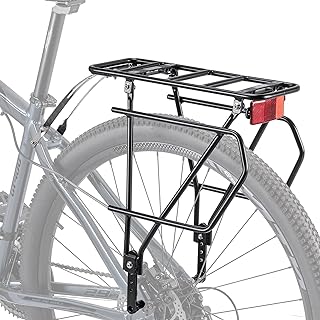
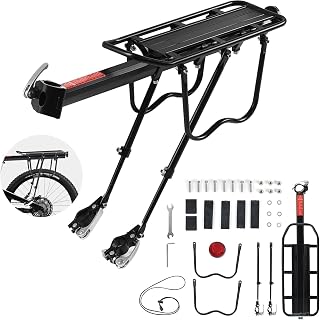
Hybrid bikes are designed for versatility, and their ability to accommodate various accessories and gear makes them particularly well-suited for long-distance rides. One of the key features that enhance their practicality is the ease with which racks can be attached. These racks allow riders to carry essential items such as panniers, which can be loaded with clothing, tools, and food supplies, making extended trips more manageable. Additionally, the ability to attach fenders is crucial for long-distance riding, as they protect the rider from mud and water spray, ensuring a more comfortable journey. Lights are another essential accessory, especially for riders who plan to travel during early morning or late evening hours. High-quality, easily attachable lights improve visibility and safety, alerting other road users to the cyclist's presence.
When selecting accessories for a hybrid bike, it's important to consider the specific needs of the ride. For instance, if the route includes unpaved roads or trails, a more robust set of fenders and possibly a front suspension fork may be necessary to handle the rough terrain. Similarly, if the ride is expected to last into the night, investing in powerful lights with a long battery life is crucial. Riders should also consider the weight distribution of their gear, ensuring that heavier items are placed lower on the bike to maintain stability and handling.
Another advantage of hybrid bikes is their compatibility with a wide range of tires, allowing riders to choose the most suitable type for their journey. For long-distance rides on paved roads, narrower, high-pressure tires can reduce rolling resistance and improve speed. Conversely, wider, lower-pressure tires are better suited for off-road conditions, providing greater traction and shock absorption.
In conclusion, the ability to easily attach racks, fenders, and lights to a hybrid bike significantly enhances its practicality for long-distance rides. By carefully selecting and positioning these accessories, riders can ensure a more comfortable, safe, and efficient journey, regardless of the terrain or time of day.
Frequently asked questions
Yes, hybrid bikes are designed for versatility and comfort, making them suitable for long-distance rides. They combine features of road and mountain bikes, offering a balance of speed and durability.
Hybrid bikes offer several advantages for long-distance cycling, including:
- Comfort: They have a more upright riding position, reducing strain on the back and neck.
- Versatility: They can handle various terrains, from paved roads to light trails.
- Durability: They are built to withstand the rigors of long rides.
- Speed: They are faster than mountain bikes on paved surfaces.
While road bikes are generally faster on paved surfaces due to their lightweight frames and thin tires, hybrid bikes offer more comfort and versatility. For long distances, especially those involving varied terrain, a hybrid bike may be a better choice as it can provide a more comfortable ride and handle different surfaces more effectively.
Common features of hybrid bikes that make them suitable for long-distance rides include:
- A lightweight yet durable frame.
- Comfortable, ergonomic handlebars and saddle.
- Medium-width tires that provide a balance of speed and traction.
- Multiple gears to handle different terrains and inclines.
- Disc brakes for reliable stopping power in various conditions.
Yes, there are several accessories and modifications that can enhance a hybrid bike for long-distance touring, including:
- Panniers or saddlebags for carrying gear and supplies.
- A rear rack or front basket for additional storage.
- Fenders to protect against mud and water.
- Lights and reflectors for visibility during low-light conditions.
- A more comfortable saddle or ergonomic grips for added comfort during long rides.