Matthew Brooks
If your bike gets caught in the rain, it's important to take immediate action to prevent damage and ensure its longevity. First, dry off the bike thoroughly with a soft cloth or towel, paying special attention to the chain, gears, and brakes. Next, apply lubricant to the chain and any moving parts to prevent rust and keep them functioning smoothly. It's also a good idea to check the brake pads and replace them if they're worn out. Finally, store your bike in a dry, covered area to protect it from further exposure to the elements.
Explore related products


What You'll Learn
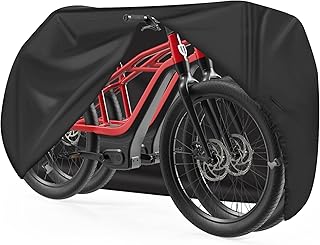
- Cover the Bike: Use a waterproof cover to protect the bike from rain and moisture
- Dry the Bike: After the rain, dry the bike thoroughly with a soft cloth to prevent rust
- Lubricate the Chain: Apply lubricant to the bike chain to ensure smooth pedaling and prevent rust
- Check the Brakes: Inspect the brake pads and rims for any damage or wear caused by the rain
- Inspect the Tires: Check tire pressure and look for any punctures or damage from sharp objects

Cover the Bike: Use a waterproof cover to protect the bike from rain and moisture
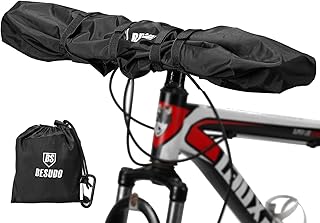
Covering your bike with a waterproof cover is an essential step in protecting it from the damaging effects of rain and moisture. When selecting a cover, ensure it is specifically designed for bicycles and made from a high-quality, waterproof material. Look for features such as reinforced seams, elasticized edges, and a secure fastening system to keep the cover in place during windy conditions.
Before covering your bike, it's crucial to clean and dry it thoroughly to prevent trapping moisture underneath the cover, which can lead to rust and corrosion. Pay special attention to the chain, gears, and brakes, as these components are particularly susceptible to water damage. Once your bike is clean and dry, carefully place the cover over it, making sure to cover the entire frame, wheels, and handlebars.
In addition to protecting your bike from rain, a waterproof cover can also shield it from other environmental elements such as dust, dirt, and UV rays. This can help prolong the life of your bike and maintain its appearance. When not in use, store your bike cover in a dry, cool place to prevent mold and mildew growth.
Remember to remove the cover before riding your bike to avoid any potential safety hazards. After riding in wet conditions, it's a good idea to re-clean and dry your bike before storing it again, even if you have a cover. This will help prevent any long-term damage from moisture exposure.
By following these steps and using a high-quality waterproof cover, you can effectively protect your bike from the harmful effects of rain and moisture, ensuring it remains in good condition for years to come.
Choosing the Perfect Bike for UCSB: A Comprehensive Guide
You may want to see also
Explore related products



Dry the Bike: After the rain, dry the bike thoroughly with a soft cloth to prevent rust
After a rain shower, it's crucial to dry your bike thoroughly to prevent rust and maintain its functionality. Start by using a soft, absorbent cloth to gently pat down the frame, handlebars, and seat. Be sure to reach into any crevices or areas where water may have pooled. For the chain and gears, use a clean, dry cloth to wipe away excess moisture, and then apply a small amount of lubricant to keep them running smoothly.
When drying the wheels, pay special attention to the brake pads and rotors. Use a clean cloth to wipe away any water or debris, and then inspect the brake pads for wear. If they appear worn or damaged, it may be time to replace them. For the tires, check the pressure and adjust as needed to ensure a safe and comfortable ride.
Don't forget to dry the bike's electrical components, such as the lights and reflectors. Use a clean, dry cloth to gently wipe them down, and then test them to make sure they're functioning properly. If you notice any issues, such as flickering lights or dim reflectors, it may be time to replace them.
In addition to drying the bike, it's important to inspect it for any signs of damage or wear. Check the frame for any dents or cracks, and inspect the wheels for any signs of warping or damage. If you notice any issues, it's best to address them promptly to prevent further damage or safety hazards.
To keep your bike in top condition, it's a good idea to clean and lubricate it regularly, especially after riding in wet conditions. This will help to prevent rust and wear, and ensure that your bike remains safe and reliable for years to come.
Choosing the Perfect Bike for the MS150: A Comprehensive Guide
You may want to see also
Explore related products


Lubricate the Chain: Apply lubricant to the bike chain to ensure smooth pedaling and prevent rust
After a bike has been exposed to rain, one of the most critical maintenance tasks is to lubricate the chain. This step is essential for ensuring smooth pedaling and preventing rust, which can compromise the bike's performance and longevity. To begin, it's important to select the right type of lubricant. For wet conditions, a wax-based or Teflon-based lubricant is recommended as these types are more resistant to water and grime.
Once the appropriate lubricant has been chosen, the next step is to clean the chain thoroughly. This can be done using a chain cleaning device or by wiping the chain with a clean rag. It's crucial to remove any dirt, grime, or old lubricant before applying the new lubricant to ensure it penetrates effectively and doesn't mix with contaminants.
After cleaning, the lubricant should be applied sparingly to each roller of the chain while slowly rotating the pedals backward. It's important to avoid over-lubricating, as excess lubricant can attract dirt and lead to a buildup of grime. A good rule of thumb is to use just enough lubricant to coat the rollers without dripping.
Once the lubricant has been applied, it's a good idea to let it sit for a few minutes to allow it to penetrate the chain. Then, any excess lubricant should be wiped off with a clean rag. This step helps to prevent the buildup of grime and ensures that the lubricant is evenly distributed throughout the chain.
In addition to lubricating the chain, it's also important to check other components of the bike after it has been rained on. Brakes, gears, and bearings should all be inspected and maintained as needed to ensure the bike is safe and functional. By taking these steps, cyclists can help to prolong the life of their bike and ensure a smooth, enjoyable ride even after exposure to the elements.
Choosing the Perfect E-Bike: A Comprehensive Guide for Beginners
You may want to see also
Explore related products


Check the Brakes: Inspect the brake pads and rims for any damage or wear caused by the rain
After a bike has been exposed to rain, one of the most critical components to inspect is the braking system. Moisture can significantly impact the performance and safety of your brakes. Begin by examining the brake pads for any signs of wear or damage. Rainwater can cause the pads to become saturated, leading to reduced friction and longer stopping distances. Look for any discoloration, cracks, or uneven wear patterns that might indicate the need for replacement.
Next, inspect the rims for any damage caused by the rain. Water can seep into the rims, causing them to warp or become misaligned. This can lead to a wobbly wheel, which not only affects the bike's handling but can also put additional stress on the braking system. Check for any signs of corrosion or rust, especially if your bike has been exposed to saltwater or road salt.
When checking the brakes, it's essential to test their functionality. Squeeze the brake levers to ensure they engage properly and provide adequate stopping power. If the brakes feel spongy or unresponsive, it may be necessary to bleed them to remove any air bubbles that could have formed due to moisture.
In addition to inspecting the brake pads and rims, it's crucial to clean the braking system thoroughly after exposure to rain. Use a soft cloth or brush to remove any dirt, debris, or water residue from the pads, rims, and brake calipers. Applying a small amount of lubricant to the moving parts can help prevent rust and ensure smooth operation.
Regular maintenance and inspections are key to ensuring your bike remains safe and functional, especially after being exposed to the elements. By taking the time to check your brakes and address any issues promptly, you can help prevent accidents and prolong the life of your bicycle.
Choosing the Perfect Bike Size: A Comprehensive Guide
You may want to see also
Explore related products


Inspect the Tires: Check tire pressure and look for any punctures or damage from sharp objects
After a bike has been exposed to rain, one of the most critical components to inspect is the tires. Proper tire maintenance is essential for safety and performance, especially in wet conditions. Begin by checking the tire pressure, as rain and temperature changes can cause fluctuations. Use a reliable gauge to ensure the pressure matches the manufacturer's recommendations, typically found on the tire's sidewall. Underinflated tires can lead to a sluggish ride and increased risk of punctures, while overinflated tires may result in a harsher ride and reduced traction on wet surfaces.
Next, visually inspect the tires for any signs of damage. Look for punctures, cuts, or abrasions that could have been caused by sharp objects on the road, such as glass or metal shards. These damages can be more prevalent after rain, as water can wash debris onto the road surface. If you find any punctures, use a tire lever to remove the tire and patch the inner tube or replace it if necessary. For more severe damage, such as sidewall cuts or bulges, it's best to replace the entire tire to ensure safety.
In addition to checking for punctures, inspect the tire tread for wear and tear. Wet conditions can accelerate tire wear, and it's crucial to have adequate tread depth for proper traction. Measure the tread depth with a tread gauge, and replace the tire if it's below the recommended minimum, usually 1.6 millimeters for bicycles.
When inspecting the tires, also pay attention to the valve stems. Ensure they are securely closed and not leaking air. If you notice any leaks, apply a small amount of lubricant to the valve stem and inflate the tire to the proper pressure. If the leak persists, consider replacing the inner tube or the valve stem itself.
Finally, after inspecting and maintaining the tires, it's essential to test ride the bike in a safe area to ensure everything is functioning correctly. Pay attention to how the bike handles, especially when turning or braking, and make any necessary adjustments before riding in traffic or on more challenging terrain.
Choosing Your First Motorcycle: A Beginner's Guide to the Perfect Ride
You may want to see also
Frequently asked questions
If your bike gets caught in the rain, it's important to dry it off as soon as possible to prevent rust and damage to the components. Use a soft cloth or towel to gently pat down the frame, seat, and handlebars. For the chain and gears, you can use a clean rag to wipe away excess water and then apply a small amount of lubricant to keep them moving smoothly.
To protect your bike from rain damage, consider investing in a waterproof bike cover. This will help shield your bike from the elements when it's not in use. Additionally, you can apply a rust-inhibiting spray to the metal parts of your bike, such as the frame, chain, and gears, to help prevent corrosion.
Signs that your bike may have been damaged by rain include rust on the metal parts, such as the frame, chain, or gears. You may also notice that the brakes are not functioning as smoothly, or that the tires are losing air pressure more quickly than usual. If you suspect that your bike has been damaged by rain, it's best to take it to a professional bike mechanic for an inspection and any necessary repairs.
While it is possible to ride your bike in the rain, it's important to take extra precautions to ensure your safety. Make sure your bike is equipped with proper fenders to prevent water from splashing up onto you. Additionally, use lights and reflectors to increase your visibility to other road users. Wear waterproof clothing and shoes to stay dry and comfortable, and be extra cautious when braking and turning, as wet roads can be slippery.