Ryan Cole
After acquiring a new bike, there are several essential steps to ensure a safe and enjoyable riding experience. First, it's crucial to perform a thorough inspection of the bike to check for any potential issues or damages. This includes examining the tires for proper inflation, ensuring the brakes are functioning correctly, and verifying that the chain and gears are in good working order. Additionally, adjusting the seat and handlebars to the correct height and position is vital for comfort and control while riding. It's also advisable to familiarize yourself with the bike's features and any specific maintenance requirements outlined in the owner's manual. Finally, investing in appropriate safety gear, such as a helmet, lights, and reflectors, is essential for protecting yourself and others on the road. By following these steps, you can ensure that your new bike is ready for a safe and enjoyable ride.
Explore related products


$21.43 $25.99


What You'll Learn
- Safety Gear: Invest in a helmet, gloves, and reflective clothing for maximum protection while riding
- Maintenance: Regularly check tire pressure, brakes, and chain to ensure your bike is in top condition
- Accessories: Consider adding a bell, lights, and a rear-view mirror for convenience and safety
- Route Planning: Plan your routes in advance, choosing bike-friendly paths and avoiding heavy traffic areas
- Community: Join local cycling groups or clubs to connect with fellow riders and learn about bike-related events

Safety Gear: Invest in a helmet, gloves, and reflective clothing for maximum protection while riding
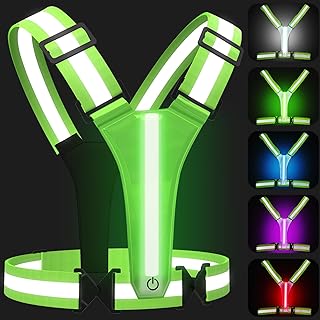
Investing in safety gear is paramount when it comes to protecting yourself while riding a bike. A helmet is the most critical piece of equipment, as it can significantly reduce the risk of head injuries in the event of an accident. When selecting a helmet, ensure it fits snugly and is certified by a reputable safety organization. Gloves are another essential item, providing both protection and improved grip on the handlebars. Look for gloves with padded palms and durable materials to withstand wear and tear. Reflective clothing is also crucial, especially if you plan to ride in low-light conditions. Wearing bright, reflective gear can make you more visible to motorists, reducing the likelihood of collisions.
Beyond the basics, consider additional safety accessories such as lights and reflectors for your bike. Front and rear lights are essential for night riding, while reflectors can enhance your visibility from multiple angles. If you're riding in areas with heavy traffic, a rear-view mirror can be a valuable addition, allowing you to keep an eye on vehicles approaching from behind. When it comes to clothing, opt for bright colors and patterns that stand out, making it easier for others to see you on the road.
Proper maintenance of your safety gear is also important. Regularly inspect your helmet for any signs of damage or wear, and replace it if necessary. Clean your gloves and reflective clothing according to the manufacturer's instructions to ensure they remain effective. Store your gear in a cool, dry place to prevent deterioration.
In addition to investing in safety gear, it's crucial to develop safe riding habits. Always follow traffic rules, use hand signals to communicate your intentions, and stay alert to your surroundings. Avoid distractions such as using your phone while riding, and be especially cautious in areas with heavy pedestrian or vehicle traffic. By combining the right safety gear with responsible riding practices, you can significantly reduce the risk of accidents and injuries while enjoying your bike.
Upgrade Your Ride: Essential Mods for Your SE Bike
You may want to see also
Explore related products

$22.37 $27.95


Maintenance: Regularly check tire pressure, brakes, and chain to ensure your bike is in top condition
Regular maintenance is crucial to keep your bike performing optimally and to ensure your safety while riding. One of the most important aspects of bike maintenance is checking tire pressure. Underinflated tires can lead to a sluggish ride and increased risk of punctures, while overinflated tires can result in a harsh ride and reduced traction. To check tire pressure, use a gauge to ensure it matches the recommended pressure listed on the tire's sidewall. This simple task can make a significant difference in your riding experience.
Another critical component to inspect regularly is your bike's brakes. Worn brake pads can compromise your ability to stop quickly and safely, especially in wet or muddy conditions. To check your brake pads, look for signs of wear such as cracks, chips, or excessive wear on the surface. If you notice any of these signs, it's time to replace the pads. Additionally, make sure the brake cables are properly tensioned and not frayed, as loose or damaged cables can also affect braking performance.
The chain is another essential part of your bike that requires regular attention. A well-maintained chain will ensure smooth shifting and efficient power transfer from your pedals to the wheels. To keep your chain in good condition, clean it regularly with a degreaser and a brush to remove dirt and grime. After cleaning, apply a suitable lubricant to the chain to reduce friction and wear. It's also a good idea to check the chain for signs of wear, such as stretched links or rust, and replace it if necessary.
In addition to these regular checks, it's important to perform more thorough maintenance tasks periodically. For example, checking and adjusting the alignment of your wheels, inspecting the headset and bottom bracket for wear, and ensuring that all bolts and nuts are properly tightened can help prevent more serious issues down the line. By staying on top of these maintenance tasks, you can extend the life of your bike and enjoy a safer, more enjoyable riding experience.
Choosing the Perfect Bike for the MS150: A Comprehensive Guide
You may want to see also
Explore related products

$17.5 $24.95


Accessories: Consider adding a bell, lights, and a rear-view mirror for convenience and safety
After acquiring a new bicycle, one of the most crucial steps is to ensure it is equipped with the necessary accessories for both convenience and safety. While a bell, lights, and a rear-view mirror may seem like minor additions, they can significantly enhance your cycling experience and protect you from potential hazards on the road.
A bell is an essential accessory for any cyclist, as it allows you to alert pedestrians and other cyclists of your presence without having to shout or use hand signals. This is particularly important in busy urban areas or on narrow bike paths where sudden encounters are common. When choosing a bell, consider the volume and tone, as well as the ease of installation and use. Some bells are designed to be mounted on the handlebars, while others can be attached to the frame or even worn on your wrist.
Lights are another critical accessory, especially if you plan on riding your bike during low-light conditions or at night. Not only do lights make you more visible to others, but they also help you see the road ahead more clearly. There are various types of bike lights available, including front lights, rear lights, and even wheel lights. When selecting lights, consider the brightness, battery life, and mounting options. Some lights are designed to be easily detachable, allowing you to take them with you when you leave your bike unattended.
A rear-view mirror is a less common but equally important accessory for cyclists. It allows you to keep an eye on the traffic behind you without having to turn your head, which can be dangerous and disrupt your balance. Rear-view mirrors can be mounted on your handlebars or helmet, and some even offer a wide-angle view for better visibility. When choosing a mirror, consider the size, weight, and mounting method, as well as the clarity and adjustability of the mirror itself.
In addition to these essential accessories, there are several other items that can enhance your cycling experience. For example, a water bottle holder can help you stay hydrated on long rides, while a bike lock can protect your investment from theft. A bike computer can track your speed, distance, and other metrics, while a repair kit can help you fix minor issues on the go. When selecting accessories, consider your specific needs and preferences, as well as the type of cycling you plan on doing.
Ultimately, the key to a safe and enjoyable cycling experience is to ensure your bike is properly equipped with the right accessories. By adding a bell, lights, and a rear-view mirror, you can significantly improve your visibility, communication, and awareness on the road. So, before you take your new bike out for a spin, make sure to invest in these essential accessories and enjoy a safer, more convenient ride.
Choosing Your First Street Bike: A Beginner's Guide to the Perfect Ride
You may want to see also
Explore related products



Route Planning: Plan your routes in advance, choosing bike-friendly paths and avoiding heavy traffic areas
Before hitting the road on your new bike, it's crucial to plan your routes carefully. This doesn't just mean picking the shortest path from point A to point B; it involves considering a variety of factors to ensure a safe and enjoyable ride. Start by identifying bike-friendly paths in your area. Many cities have designated bike lanes or trails that are specifically designed for cyclists, providing a safer environment away from motor vehicle traffic.
Once you've located these paths, use them as the foundation for your route planning. If you need to cross busy streets or intersections, look for areas with traffic signals and pedestrian crossings, and plan your route to minimize the time you spend in heavy traffic. Consider using online mapping tools or cycling apps that can help you find the most bike-friendly routes in your area. These tools often allow you to input your starting and ending points and will generate a route that takes into account factors such as road surface quality, traffic volume, and the presence of bike lanes.
In addition to planning your route, it's also important to be aware of local traffic laws and regulations that pertain to cyclists. Familiarize yourself with these rules and make sure you follow them when you're on the road. For example, some areas may require cyclists to ride in a specific direction on certain streets, or to use hand signals when turning. By knowing and following these rules, you can help ensure your own safety and the safety of others on the road.
Finally, don't forget to factor in the physical demands of your route. If you're new to cycling, it's important to start with shorter, less strenuous rides and gradually build up your endurance. Plan your route to include rest stops and water breaks as needed, and be mindful of the terrain and elevation changes along the way. By taking these factors into account, you can create a route that is both challenging and achievable, helping you to get the most out of your cycling experience.
Pedal to Fitness: Choosing the Perfect Bike for Weight Loss
You may want to see also
Explore related products




Community: Join local cycling groups or clubs to connect with fellow riders and learn about bike-related events
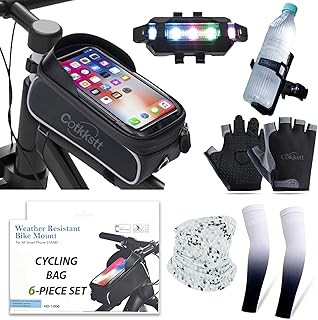
Joining local cycling groups or clubs is an excellent way to immerse yourself in the cycling community and get the most out of your new bike. These groups often organize regular rides, workshops, and social events that cater to cyclists of all levels. By becoming a member, you'll have the opportunity to meet fellow riders, share experiences, and learn valuable tips and tricks about cycling.
To find a local cycling group or club, you can start by searching online or checking with your local bike shop. Many clubs have websites or social media pages where you can find information about their activities and how to join. You can also ask friends, family, or coworkers if they know of any cycling groups in the area.
Once you've found a group that interests you, attend a few of their events or rides to get a feel for the group's dynamic and see if it's a good fit for you. Don't be afraid to try out different groups until you find one that you enjoy. Remember, the goal is to have fun and make connections with other cyclists.
In addition to meeting new people, joining a cycling group or club can also help you stay motivated and committed to your cycling goals. Whether you're looking to improve your fitness, learn new skills, or simply enjoy the social aspect of cycling, being part of a community can make the experience more enjoyable and rewarding.
Finally, many cycling clubs also organize charity rides or fundraising events, which can be a great way to give back to your community while doing something you love. By participating in these events, you can help support local causes and make a positive impact in your community.
Secure Your Ride: Choosing the Perfect Bike Lock for Urban Cyclists
You may want to see also
Frequently asked questions
After purchasing a bike, it's essential to invest in safety equipment such as a helmet, lights (front and rear), reflectors, and a bell or horn. Wearing a helmet can significantly reduce the risk of head injuries in case of an accident, while lights and reflectors increase your visibility to other road users, especially during low-light conditions.
To maintain your new bike and ensure its longevity, regularly check and inflate the tires, lubricate the chain, and adjust the brakes. It's also a good idea to clean the bike after each use, especially if you ride in wet or muddy conditions. Periodic professional servicing can help identify and address any potential issues before they become major problems.
Some essential accessories to consider for your bike include a water bottle holder and water bottle, a bike lock, a pump or CO2 inflator, a basic tool kit, and mudguards. These accessories can enhance your riding experience, provide convenience, and protect your bike from theft or damage.