Megan Blake
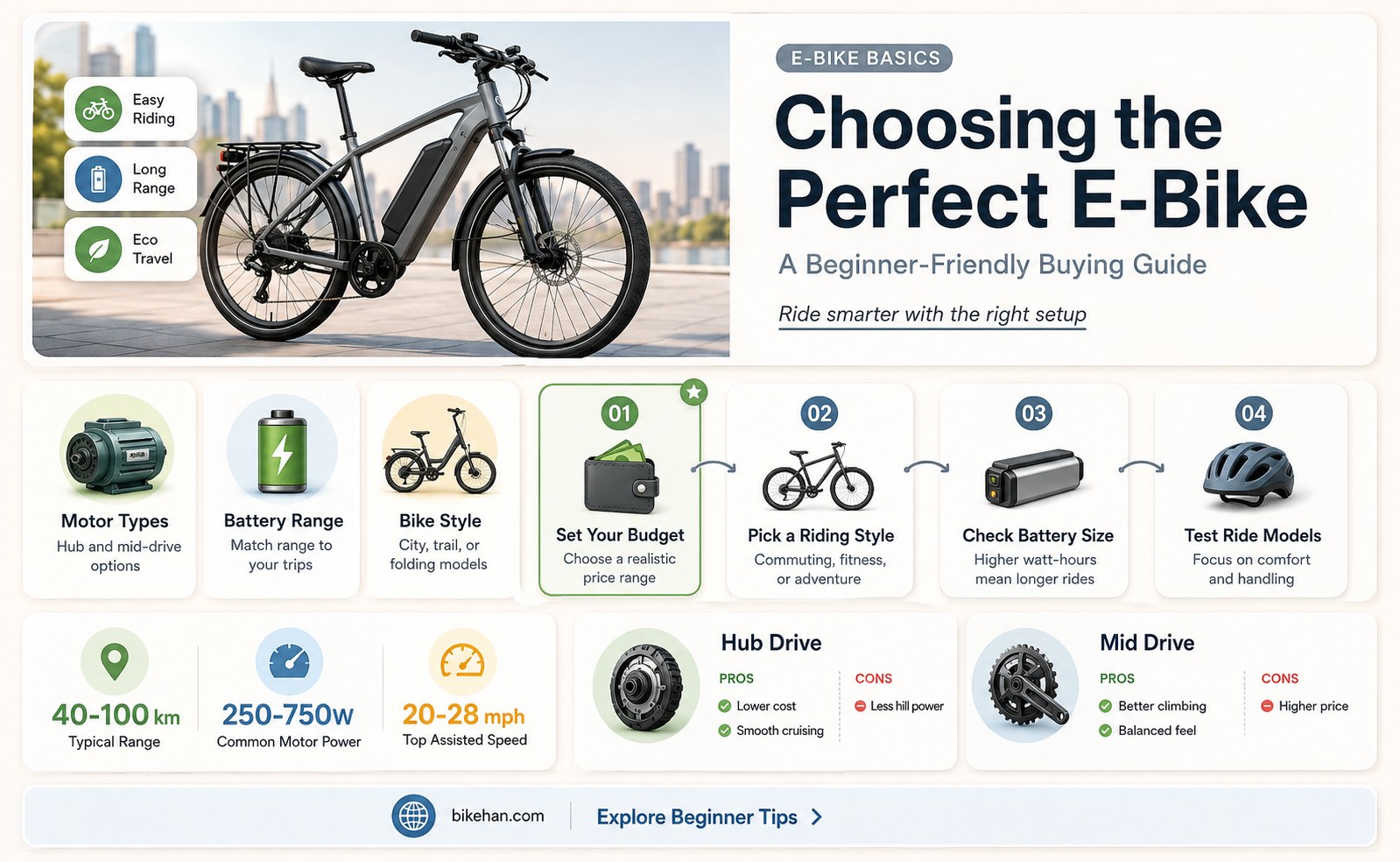
When considering purchasing an e-bike, it's essential to think about several factors to ensure you choose the right one for your needs. First, determine the primary use of the e-bike: will it be for commuting, off-road adventures, or leisurely rides? Next, consider the type of motor and battery, as these will affect the bike's performance and range. Additionally, think about the terrain you'll be riding on and the level of assistance you need. Finally, factor in your budget and any additional features you desire, such as a comfortable seat or storage options. By carefully evaluating these aspects, you can find an e-bike that perfectly suits your lifestyle and preferences.
Explore related products


What You'll Learn
- Purpose and Usage: Consider how you'll use the e-bike: commuting, off-road adventures, or leisurely rides
- Motor and Power: Choose between hub motors for smooth rides or mid-drive motors for better torque and climbing
- Battery Life and Range: Evaluate battery capacity based on your travel distance and charging convenience
- Frame and Comfort: Select a frame that fits your body and riding style, ensuring comfort and control
- Budget and Features: Determine your budget and prioritize features like suspension, gears, and accessories accordingly

Purpose and Usage: Consider how you'll use the e-bike: commuting, off-road adventures, or leisurely rides
When selecting an e-bike, it's crucial to consider your primary purpose and usage. This will help you choose the right type of e-bike that suits your needs and ensures a comfortable and efficient riding experience.
For commuting, you'll want an e-bike that's designed for urban environments. Look for features like a comfortable upright riding position, fenders to protect you from splashes, and a sturdy frame to handle the rigors of daily use. A mid-drive motor is often preferred for commuting e-bikes as it provides a more natural pedaling feel and better weight distribution. Additionally, consider the battery range and charging time to ensure it can cover your daily commute without needing frequent recharges.
If off-road adventures are your thing, you'll need an e-bike that's built for rugged terrain. Full-suspension e-bikes are ideal for this purpose as they can absorb shocks from bumps and obstacles. A powerful motor with a high torque output is essential for tackling steep inclines and challenging trails. Knobby tires with good traction and durable rims are also important features to look for. Keep in mind that off-road e-bikes tend to be heavier and more expensive than other types.
For leisurely rides, a cruiser or step-through e-bike might be the perfect choice. These bikes are designed for comfort and ease of use, with features like a low step-through frame, wide tires for a smooth ride, and an upright seating position. They're great for casual rides around town or along bike paths. While they may not be as fast or powerful as other e-bikes, they offer a relaxed and enjoyable riding experience.
In conclusion, understanding your intended use is key to choosing the right e-bike. Whether you're commuting, exploring off-road trails, or enjoying leisurely rides, there's an e-bike designed specifically for your needs. Consider the features and specifications that align with your purpose and usage to make an informed decision.
Choosing the Perfect Diamondback Bike: A Comprehensive Guide
You may want to see also
Explore related products


Motor and Power: Choose between hub motors for smooth rides or mid-drive motors for better torque and climbing
When selecting an e-bike, one of the critical decisions you'll face is choosing between hub motors and mid-drive motors. Each type has its unique advantages and is suited for different riding styles and needs. Hub motors are integrated into the wheels and provide a smooth, quiet ride. They're ideal for flat terrain and urban commuting, offering consistent power output and minimal maintenance. On the other hand, mid-drive motors are mounted near the pedals and deliver better torque, making them excellent for climbing hills and handling varied terrain. They tend to be more efficient in terms of battery usage and can provide a more natural pedaling experience.
Consider your typical riding environment and the kind of assistance you need. If you're primarily riding on flat surfaces and value a quiet, smooth ride, a hub motor might be the better choice. However, if you frequently encounter hills or rough terrain and need more power to assist with climbing, a mid-drive motor would be more suitable. Additionally, mid-drive motors tend to be more expensive than hub motors, so your budget may also play a role in this decision.
Another factor to consider is the weight distribution of the bike. Hub motors can make the wheels heavier, which might affect the bike's handling and maneuverability. Mid-drive motors, being located near the center of the bike, provide a more balanced weight distribution, which can result in a more stable and responsive ride. If you're concerned about the bike's agility and ease of handling, particularly in tight spaces or when navigating obstacles, a mid-drive motor might offer a better experience.
In terms of maintenance, hub motors are generally easier to service since they're contained within the wheel. This can be particularly advantageous if you're not mechanically inclined or prefer a low-maintenance option. Mid-drive motors, while efficient, may require more specialized knowledge to service and maintain, as they're integrated with the bike's drivetrain.
Ultimately, the choice between hub motors and mid-drive motors comes down to your specific needs, preferences, and riding conditions. By carefully considering these factors, you can select an e-bike that provides the optimal balance of power, efficiency, and riding comfort for your lifestyle.
Choosing the Perfect Bike for Your Child: A Comprehensive Guide
You may want to see also
Explore related products


Battery Life and Range: Evaluate battery capacity based on your travel distance and charging convenience
To determine the appropriate battery capacity for your e-bike, consider your average daily travel distance and the availability of charging stations along your route. For instance, if you commute 20 miles each way to work and have access to a charging station at your workplace, a battery with a range of at least 40 miles would be suitable. However, if you plan to use your e-bike for longer trips or in areas with limited charging infrastructure, you may need a battery with a higher capacity.
Battery capacity is typically measured in watt-hours (Wh) and can range from 200Wh to over 1000Wh for e-bikes. A higher watt-hour rating generally translates to a longer range, but it also means a heavier and more expensive battery. Therefore, it's essential to strike a balance between capacity and cost based on your specific needs.
When evaluating battery life, it's also important to consider factors such as terrain, rider weight, and assist level. For example, riding in hilly areas or using a higher assist level will drain the battery faster than riding on flat terrain with minimal assistance. Additionally, the battery's lifespan will decrease over time due to factors like temperature fluctuations and frequent charging cycles.
To maximize your e-bike's range, you can adopt certain practices such as maintaining a consistent speed, avoiding sudden acceleration, and using lower assist levels when possible. Furthermore, investing in a high-quality battery with a good warranty can provide peace of mind and potentially save you money in the long run.
In conclusion, carefully assessing your travel needs and charging options, along with understanding the factors that affect battery life, will help you choose an e-bike with the right battery capacity for your lifestyle.
Urban Wheels: Choosing the Perfect Bike for Street Biking Adventures
You may want to see also
Explore related products


Frame and Comfort: Select a frame that fits your body and riding style, ensuring comfort and control
The frame of an e-bike is the backbone of the entire structure, and selecting the right one is crucial for both comfort and control. A well-fitted frame ensures that the rider can maintain an ergonomic posture, reducing the risk of strain or injury during long rides. Moreover, a frame that complements the rider's style enhances the overall riding experience, making it more enjoyable and efficient.
To determine the appropriate frame size, consider the rider's height and inseam length. Most e-bike manufacturers provide sizing charts that correlate these measurements with recommended frame sizes. Additionally, the type of riding—whether it's commuting, off-road adventures, or leisurely cruising—should influence the frame choice. For instance, a step-over frame might be more suitable for aggressive riders who prioritize speed and maneuverability, while a step-through frame could be ideal for casual riders who value ease of mounting and dismounting.
When assessing comfort, pay attention to the seat height and handlebar position. The seat should be at a height that allows the rider's feet to rest flat on the ground when stopped, and the handlebars should be within easy reach without causing the rider to stretch or bend awkwardly. Some e-bikes offer adjustable components, such as telescopic handlebars or suspension seats, which can further enhance comfort for riders of different body types and preferences.
Control is another critical factor to consider. The frame geometry, including the wheelbase and head tube angle, affects how the e-bike handles turns and responds to rider input. A longer wheelbase typically provides more stability, while a shorter one offers quicker turning. The head tube angle influences the steering sensitivity; a slacker angle results in more stable handling, whereas a steeper angle provides more responsive steering.
In conclusion, selecting the right e-bike frame involves a careful consideration of the rider's physical attributes, riding style, and comfort preferences. By taking these factors into account, one can ensure a more enjoyable and controlled riding experience.
Choosing the Perfect First Bike for Your 4-Year-Old: A Guide
You may want to see also
Explore related products


Budget and Features: Determine your budget and prioritize features like suspension, gears, and accessories accordingly
When selecting an e-bike, it's crucial to align your budget with the features that matter most to you. Start by assessing your financial capacity and then prioritize the components that will enhance your riding experience. For instance, if you plan to ride on rough terrains, investing in a robust suspension system should be a priority. This feature can significantly impact your comfort and control, especially on uneven surfaces.
Next, consider the gearing system. E-bikes come with various gear configurations, and the right choice depends on your riding style and the terrain you'll be navigating. If you're looking for a smooth, effortless ride on flat surfaces, a single-speed or 3-speed e-bike might suffice. However, if you plan to tackle hills or varied landscapes, a multi-speed option with a wider gear range will provide better performance and efficiency.
Accessories are another important aspect to consider. Think about the practical features that will make your rides more enjoyable and convenient. For example, if you plan to use your e-bike for commuting, investing in a sturdy rack or basket for carrying your belongings can be a game-changer. Other useful accessories include lights for visibility, a comfortable saddle, and ergonomic grips for a more pleasant riding experience.
It's also essential to factor in the cost of maintenance and potential upgrades. Some e-bikes may have more affordable upfront costs but could require more frequent repairs or replacements of parts. On the other hand, investing in a higher-quality model with durable components might save you money in the long run.
In conclusion, when determining your budget and prioritizing features for an e-bike, focus on the aspects that will directly impact your riding experience and align with your specific needs and preferences. By carefully considering these factors, you can find an e-bike that not only fits your budget but also provides the performance and comfort you desire.
Choosing the Perfect Bike Chain: A Comprehensive Guide
You may want to see also
Frequently asked questions
For city commuting, a hybrid or city e-bike is ideal. These bikes are designed for comfort and efficiency on paved roads and often come with features like fenders, lights, and racks for carrying gear.
To choose the right size e-bike, you'll need to consider your height and inseam length. Most e-bikes come in various frame sizes, typically measured from the center of the bottom bracket to the top of the seat tube. Use a size chart provided by the manufacturer to match your measurements to the appropriate frame size.
Mid-drive e-bikes have the motor located in the middle of the bike frame, near the pedals, which allows for better weight distribution and more natural pedaling. Hub motor e-bikes have the motor located in the wheel hub, which can make the bike feel heavier in the front or rear, but often provides a smoother ride.