Lauren Kennedy
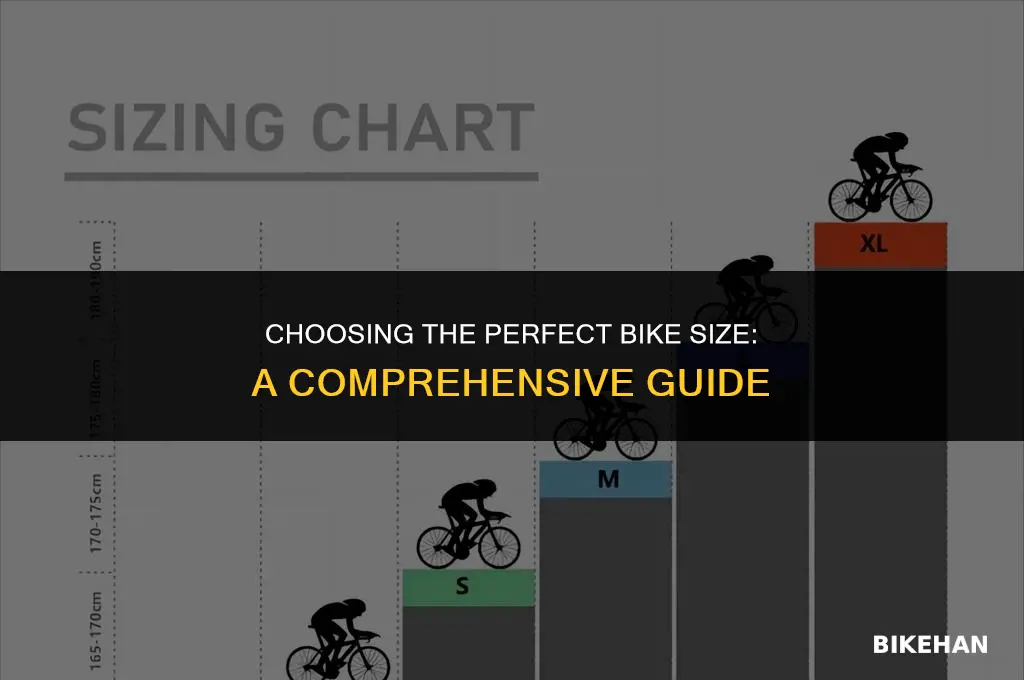
Choosing the right bike size is crucial for both comfort and performance. It ensures that you can handle the bike effectively and enjoy a smooth ride without straining. To determine the appropriate bike size, you need to consider several factors, including your height, inseam length, and the type of bike you intend to purchase. For instance, road bikes, mountain bikes, and hybrid bikes have different sizing standards. Typically, bike sizes are measured in inches, corresponding to the frame size, which is the distance from the center of the bottom bracket to the top of the seat tube. A properly sized bike will allow you to stand over the frame with both feet flat on the ground and have a slight bend in your knees when seated. Additionally, the handlebar height and reach should be adjusted to a comfortable position, allowing you to maintain an upright posture while riding. Consulting a bike sizing chart or visiting a local bike shop for a professional fitting can help you find the ideal bike size tailored to your specific needs and preferences.
Explore related products


What You'll Learn
- Height and Weight Considerations: Factors to consider when choosing a bike size based on your height and weight
- Type of Biking: Different biking styles (road, mountain, hybrid) may require different bike sizes for optimal comfort and performance
- Frame Geometry: Understanding bike frame geometry, such as reach and stack, can help determine the best size for your body proportions
- Sizing Charts: How to read and interpret sizing charts provided by bike manufacturers to find your ideal size
- Test Riding: The importance of test riding different sizes to find the most comfortable and efficient fit for you

Height and Weight Considerations: Factors to consider when choosing a bike size based on your height and weight
When selecting a bike size, it's crucial to consider both your height and weight to ensure a comfortable and safe riding experience. The relationship between these two factors can significantly impact the bike's handling, stability, and overall performance. For instance, a taller rider may require a larger frame to accommodate their height, but if they are also heavier, they might need a bike with a stronger build and wider tires to support their weight. Conversely, a shorter, lighter rider might find a smaller frame more suitable, but they should also consider the bike's geometry to avoid a cramped or awkward riding position.
One key consideration is the bike's weight capacity, which varies depending on the frame material, design, and components. Bikes with a higher weight capacity are typically more robust and can handle the additional stress of carrying a heavier rider. However, they may also be heavier themselves, which can affect maneuverability and speed. Lighter bikes, on the other hand, are easier to handle and accelerate but may have lower weight capacities. It's essential to check the manufacturer's specifications to ensure the bike can safely support your weight.
Another factor to consider is the bike's geometry, which includes the frame size, wheelbase, and handlebar reach. These dimensions can influence the bike's handling characteristics and rider comfort. For example, a bike with a longer wheelbase may provide more stability at high speeds but could be less maneuverable in tight turns. A shorter wheelbase, conversely, offers better agility but might compromise stability. The handlebar reach affects the rider's posture and can impact comfort during long rides. Riders with longer arms may prefer a bike with a longer reach, while those with shorter arms might find a shorter reach more comfortable.
In addition to these factors, it's important to consider the type of riding you'll be doing. Different styles of riding, such as road cycling, mountain biking, or commuting, may require different bike sizes and geometries. For example, a road bike is typically designed for speed and efficiency on paved surfaces, while a mountain bike is built for durability and handling on rough terrain. A commuter bike, on the other hand, may prioritize comfort and practicality for everyday use.
Ultimately, the best way to determine the right bike size based on your height and weight is to consult with a professional bike fitter or visit a local bike shop. They can help you find a bike that not only fits your physical dimensions but also suits your riding style and preferences. Test riding different bikes and adjusting the components, such as the saddle height and handlebar position, can also help you find the most comfortable and efficient setup.
Choosing the Perfect Trail Bike: A Rider's Guide
You may want to see also
Explore related products


Type of Biking: Different biking styles (road, mountain, hybrid) may require different bike sizes for optimal comfort and performance
Road biking, characterized by its emphasis on speed and efficiency on paved surfaces, demands a bike size that allows for an aerodynamic riding position. Typically, road bikes are sized to enable the rider to stretch out, with the top tube length being a critical factor. A longer top tube can enhance speed but may compromise comfort over long distances. For road biking, consider a bike size that allows your body to fit within the frame without excessive strain, ensuring that your knees do not come too close to the handlebars when leaning forward.
Mountain biking, on the other hand, requires a different approach to sizing. The rugged terrain and obstacles encountered off-road necessitate a bike that offers stability and control. Mountain bikes are generally sized to provide a more upright riding position, which aids in maneuverability and shock absorption. When selecting a mountain bike, focus on the standover height and the reach to the handlebars. A bike that is too large may make it difficult to control on technical trails, while a bike that is too small could limit your ability to tackle challenging sections.
Hybrid biking, which combines elements of both road and mountain biking, calls for a balanced approach to sizing. Hybrid bikes are designed for versatility, suitable for commuting, fitness riding, and light off-road use. When choosing a hybrid bike, consider the intended use and your personal comfort preferences. A slightly smaller frame may offer better control in urban environments, while a larger frame could provide a more comfortable ride over longer distances.
In addition to the type of biking, it's essential to consider your body measurements when selecting a bike size. Key factors include your height, inseam length, and reach. Many bike manufacturers provide sizing charts that correlate these measurements with recommended bike sizes. Utilize these resources to ensure a proper fit, as a bike that is too large or too small can lead to discomfort, reduced performance, and even safety issues.
Ultimately, the optimal bike size for you will depend on a combination of the type of biking you plan to do and your individual body measurements. Take the time to test ride different sizes and styles to find the bike that best suits your needs and preferences. Remember, a well-fitted bike can significantly enhance your riding experience, improve performance, and reduce the risk of injury.
Urban Wheels: Choosing the Perfect Bike for Street Biking Adventures
You may want to see also
Explore related products


Frame Geometry: Understanding bike frame geometry, such as reach and stack, can help determine the best size for your body proportions
Understanding bike frame geometry is crucial for finding a bike that fits your body proportions perfectly. The two key measurements to consider are reach and stack. Reach refers to the horizontal distance from the center of the bottom bracket to the top of the head tube, while stack is the vertical distance from the center of the bottom bracket to the top of the head tube. These measurements affect how stretched out or upright you'll be when riding the bike.
To determine the best size for your body, you'll need to consider your height, inseam length, and riding style. For example, if you're tall with a long inseam, you may need a larger frame with a longer reach to accommodate your leg length. Conversely, if you're shorter with a shorter inseam, a smaller frame with a shorter reach may be more suitable. Additionally, if you prefer a more aggressive riding position, a frame with a longer reach and lower stack may be ideal, while a more upright position would require a shorter reach and higher stack.
One common mistake people make when choosing a bike size is relying solely on their height. While height is a good starting point, it doesn't take into account other important factors like inseam length and riding style. Another mistake is not considering the type of bike they'll be riding. For example, a road bike typically has a longer reach and lower stack than a mountain bike, so the sizing will be different.
To avoid these mistakes, it's important to do some research and try out different bikes before making a purchase. Many bike shops offer test rides, which can help you determine the best size and fit for your body. Additionally, there are online resources and calculators that can help you estimate the right size based on your measurements and riding style.
In conclusion, understanding bike frame geometry and considering factors like reach, stack, height, inseam length, and riding style can help you find the perfect bike size for your body proportions. By doing your research and trying out different bikes, you can ensure a comfortable and efficient ride.
Choosing the Perfect Bike for Long-Distance Adventures
You may want to see also
Explore related products


Sizing Charts: How to read and interpret sizing charts provided by bike manufacturers to find your ideal size
Understanding sizing charts is crucial when selecting a new bike. These charts, provided by manufacturers, are designed to help you find the perfect fit based on your body measurements. To interpret them correctly, start by identifying your inseam length, which is the distance from the floor to the top of your inner thigh. This measurement is often used as the primary indicator for bike size.
Next, look for the corresponding size on the chart. Bike sizes are typically listed in inches or centimeters, representing the frame size. Keep in mind that different manufacturers may have slightly different sizing standards, so it's essential to refer to the specific chart for the brand you're interested in.
Consider other measurements as well, such as your height, weight, and arm length. Some charts may provide additional recommendations based on these factors to ensure a comfortable and efficient riding position. For example, a rider with a longer torso may require a larger frame size to accommodate their body proportions.
When interpreting sizing charts, it's also important to consider the type of bike you'll be riding. Road bikes, mountain bikes, and hybrid bikes often have different sizing conventions. For instance, road bikes tend to have smaller frames for a given rider height compared to mountain bikes, which require more clearance for off-road terrain.
Finally, remember that sizing charts are a starting point, not a definitive guide. It's always a good idea to test ride a bike before purchasing to ensure it feels comfortable and suits your riding style. If you're unsure about your size or have questions about a specific model, don't hesitate to consult with a knowledgeable bike shop staff member for personalized advice.
Choosing the Perfect Bike for Burning Man: A Comprehensive Guide
You may want to see also
Explore related products


Test Riding: The importance of test riding different sizes to find the most comfortable and efficient fit for you
Before purchasing a bike, it's crucial to test ride various sizes to ensure the best fit for your body. This hands-on approach allows you to assess comfort, control, and efficiency, which are key factors in your cycling experience. Start by visiting a local bike shop and requesting to test ride different models and sizes. A knowledgeable staff member can help you adjust the seat height and handlebar position to match your body proportions.
During the test ride, pay attention to how your feet reach the pedals, the alignment of your knees, and the reach to the handlebars. Your feet should be able to touch the ground comfortably when stopped, and your knees should be slightly bent when pedaling. The handlebars should be within easy reach, allowing you to maintain an upright posture without straining your back or shoulders.
Consider the type of cycling you'll be doing most often, as this will influence the ideal bike size. For example, if you plan to ride long distances on paved roads, a larger bike with a more aggressive riding position may be suitable. Conversely, if you'll be riding on trails or in a more relaxed manner, a smaller bike with a more upright position might be preferable.
Don't be afraid to ask for advice from experienced cyclists or bike shop staff. They can provide valuable insights based on your riding style, body measurements, and personal preferences. Additionally, many bike shops offer professional fitting services that can help you find the optimal bike size and setup for your specific needs.
Remember, the goal of test riding is to find a bike that feels comfortable and allows you to ride efficiently. Take your time, try out different options, and don't hesitate to ask questions. By doing so, you'll be well on your way to finding the perfect bike size for your next cycling adventure.
Choosing the Perfect Home Gym Equipment: Bike, Rower, or Treadmill?
You may want to see also
Frequently asked questions
To find the right bike size based on your height, you can use a bike size chart which typically correlates your height with the appropriate frame size. For example, if you're between 5'6" and 5'9", a medium frame (17-19 inches) might be suitable.
Besides height, consider your inseam length, riding style, and the type of bike you're purchasing. For instance, road bikes usually require a longer inseam for efficient pedaling, while mountain bikes might be more forgiving with a shorter inseam.
Yes, you can make some adjustments to improve the fit. For a bike that's too big, you can lower the seat and adjust the handlebars. For a bike that's too small, raising the seat and stem can help. However, significant size mismatches may require a new bike for optimal comfort and performance.
Yes, there are differences in bike sizing between men's and women's bikes. Women's bikes generally have smaller frames and wheels, and the geometry is designed to accommodate the female body shape. However, many modern bikes are unisex, and the sizing is based more on rider height and preference than gender.