Eric Johnson
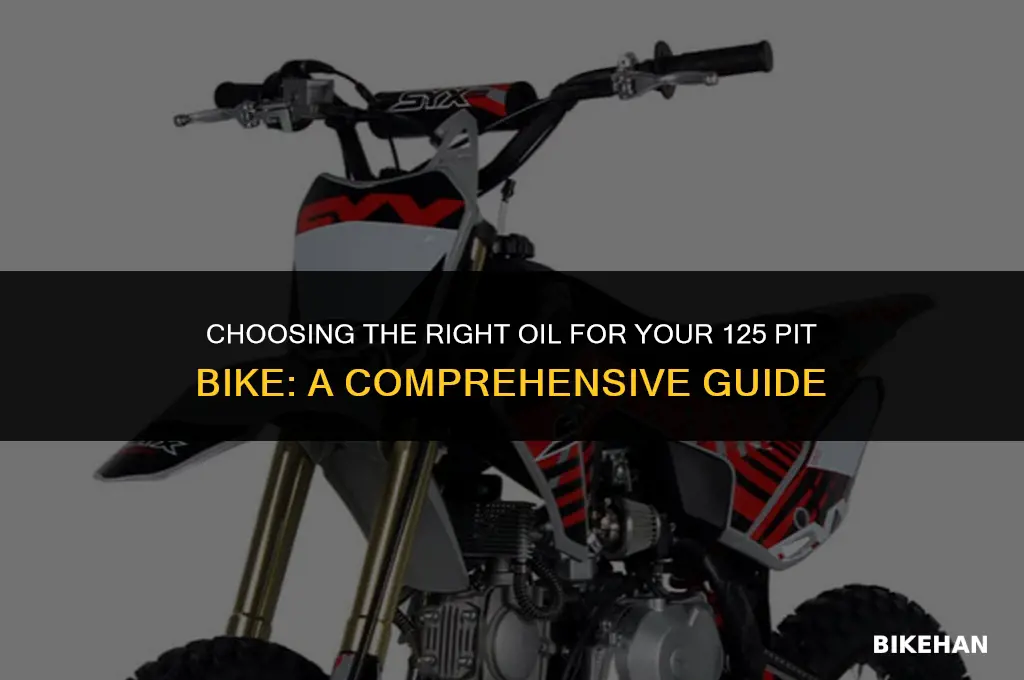
When it comes to maintaining a 125 pit bike, choosing the right oil is crucial for ensuring optimal performance and longevity of the engine. Pit bikes, known for their lightweight and agile design, are often used in off-road racing and recreational riding. The engine oil you select should be able to withstand the high temperatures and stresses associated with these activities. In this guide, we'll explore the different types of oil suitable for a 125 pit bike, considering factors such as viscosity, additives, and the specific requirements of small, high-revving engines. By understanding the characteristics of various oils and their impact on engine performance, you can make an informed decision to keep your pit bike running smoothly and efficiently.
| Characteristics | Values |
|---|---|
| Oil Type | Synthetic or semi-synthetic 4-stroke engine oil |
| Viscosity | 10W-40 or 15W-50 |
| API Rating | SL or higher |
| Brand | Reputable motorcycle oil brands (e.g., Castrol, Mobil 1, Valvoline) |
| Container Size | 1 liter or 1 quart |
| Price | $15 - $30 per liter |
| Change Interval | Every 500-1000 miles or as recommended by the manufacturer |
| Pouring Point | Below freezing for cold climates |
| Flash Point | Above 200°C (392°F) |
| Specific Gravity | 0.85-0.90 |
| Color | Typically golden or amber |
| Certifications | Meets or exceeds OEM specifications |
| Environmental Impact | Biodegradable or low toxicity preferred |
| Shelf Life | 2-5 years from manufacture date |
| Storage | Store in a cool, dry place away from direct sunlight |
Explore related products



What You'll Learn
- Conventional vs. Synthetic Oil: Debate on which type offers better performance and protection for pit bikes
- Viscosity Ratings: Explanation of viscosity ratings (e.g., 10W-40) and their impact on engine performance
- Brand Recommendations: Suggestions of reputable oil brands known for their quality and reliability in pit bikes
- Oil Change Frequency: Guidelines on how often to change oil in a pit bike to maintain optimal engine health
- Environmental Considerations: Discussion on the environmental impact of different oils and proper disposal methods

Conventional vs. Synthetic Oil: Debate on which type offers better performance and protection for pit bikes
The debate between conventional and synthetic oil for pit bikes centers on performance and protection. Conventional oil, derived from crude oil, has been the traditional choice for many years. It's known for its ability to lubricate and protect the engine's components from wear and tear. However, as technology advances, synthetic oil has gained popularity due to its superior properties.
Synthetic oil is engineered in a laboratory to provide better performance in extreme temperatures, improved fuel efficiency, and enhanced engine protection. It's designed to maintain its viscosity and lubricating properties under high heat and stress, which is crucial for the demanding conditions of pit biking. Additionally, synthetic oil can offer better cold-start performance and improved engine cleanliness due to its ability to break down and remove sludge and deposits.
One of the main arguments in favor of synthetic oil is its longer lifespan compared to conventional oil. Synthetic oil can last longer between changes, reducing the frequency of maintenance and the overall cost of ownership. This is particularly beneficial for pit bike owners who may use their bikes extensively and need to minimize downtime for maintenance.
On the other hand, conventional oil is often more affordable and readily available. It's also compatible with a wider range of engines and can be used in older bikes without any issues. Some enthusiasts argue that conventional oil provides a better feel and sound to the engine, although this is subjective and varies from person to person.
Ultimately, the choice between conventional and synthetic oil for a 125 pit bike depends on the owner's preferences, riding conditions, and maintenance habits. For those who prioritize performance and protection, synthetic oil may be the better option. However, for those who are budget-conscious or prefer the traditional approach, conventional oil can still provide adequate lubrication and protection.
Exploring Motor Options for Bike Power: A Comprehensive Guide
You may want to see also
Explore related products


Viscosity Ratings: Explanation of viscosity ratings (e.g., 10W-40) and their impact on engine performance
Viscosity ratings, such as 10W-40, are a crucial aspect of selecting the right oil for a 125 pit bike. These ratings indicate the oil's thickness at different temperatures, with the first number (10W) representing the viscosity at low temperatures (winter) and the second number (40) representing the viscosity at high temperatures. For a 125 pit bike, which is typically used in off-road conditions with varying temperatures, choosing an oil with an appropriate viscosity rating is essential for optimal engine performance.
In colder conditions, a lower viscosity oil (e.g., 10W) will flow more easily, ensuring that the engine starts smoothly and receives adequate lubrication. As the engine warms up, the oil's viscosity increases to provide better protection against wear and tear. Conversely, in hotter conditions, a higher viscosity oil (e.g., 40) will maintain its thickness, preventing excessive oil consumption and ensuring that the engine components remain well-lubricated.
When selecting an oil for a 125 pit bike, it's important to consider the riding conditions and the engine's specific requirements. For example, if the bike is primarily used in cold climates, a 5W-30 oil might be more suitable, as it will provide better cold-start performance. On the other hand, if the bike is ridden in hot and dusty conditions, a 15W-50 oil could be a better choice, as it will offer improved high-temperature protection and help prevent oil degradation.
It's also worth noting that using an oil with an incorrect viscosity rating can lead to various engine problems. For instance, using an oil that is too thin can result in excessive wear and tear, while using an oil that is too thick can cause poor engine performance, increased fuel consumption, and even engine damage. Therefore, it's crucial to consult the bike's owner's manual and follow the manufacturer's recommendations for the appropriate viscosity rating.
In conclusion, understanding viscosity ratings and their impact on engine performance is key to selecting the right oil for a 125 pit bike. By choosing an oil with the appropriate viscosity rating for the specific riding conditions and engine requirements, riders can ensure optimal performance, reduce the risk of engine problems, and extend the life of their bike.
Post-Extraction Cycling: When Is It Safe to Ride Again?
You may want to see also
Explore related products


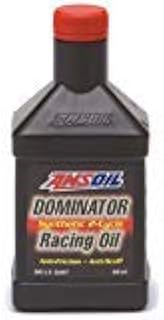
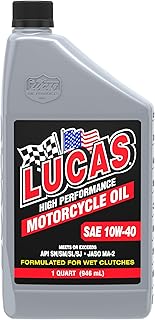


Brand Recommendations: Suggestions of reputable oil brands known for their quality and reliability in pit bikes
When selecting oil for a 125 pit bike, choosing a reputable brand is crucial to ensure optimal performance and engine longevity. Here are some trusted oil brands known for their quality and reliability in the world of pit bikes:
- Castrol: A well-established brand in the automotive industry, Castrol offers a range of high-performance oils suitable for pit bikes. Their products are designed to provide excellent lubrication and protection against wear, even under the demanding conditions of off-road riding.
- Mobil 1: Mobil 1 is another top-tier brand that has built a reputation for producing premium synthetic oils. Their oils are engineered to deliver superior performance, improved fuel efficiency, and enhanced engine protection, making them a popular choice among pit bike enthusiasts.
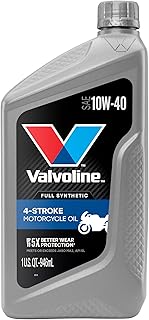
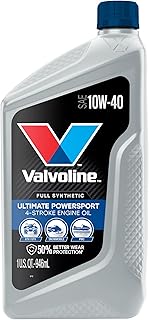
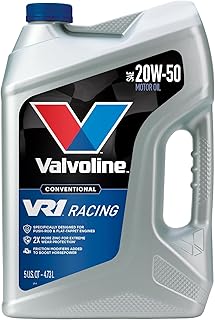
- Valvoline: With a history dating back over 150 years, Valvoline is a trusted name in the oil industry. They offer a variety of oils specifically formulated for off-road and recreational vehicles, including pit bikes. Valvoline's products are known for their durability and ability to withstand the rigors of off-road riding.
- Motorex: A Swiss-based company, Motorex specializes in producing high-quality oils and lubricants for motorcycles and other two-wheeled vehicles. Their oils are designed to provide excellent performance, even in extreme conditions, and are often used by professional riders and teams.
- Rockett: Rockett is a brand that focuses exclusively on off-road and motocross oils. They offer a range of products specifically formulated for pit bikes, designed to provide superior protection and performance in the demanding world of off-road riding.
When choosing an oil brand for your 125 pit bike, it's essential to consider factors such as the type of riding you'll be doing, the climate you'll be riding in, and your bike's specific needs. Consulting your bike's owner's manual and seeking advice from experienced riders can also help you make an informed decision. Remember, investing in a high-quality oil from a reputable brand can pay off in the long run by extending the life of your bike's engine and ensuring optimal performance.
Exploring the Optimal Octane for Bike Engine Kits: A Comprehensive Guide
You may want to see also
Explore related products


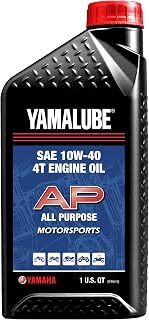


Oil Change Frequency: Guidelines on how often to change oil in a pit bike to maintain optimal engine health
Regular oil changes are crucial for maintaining the engine health of a 125 pit bike. The frequency of these changes depends on several factors, including the bike's usage, the type of oil used, and the environmental conditions in which the bike is ridden. As a general guideline, it's recommended to change the oil every 5 to 10 hours of riding time for a 125 pit bike that's used for recreational purposes. However, if the bike is used for racing or in dusty, dirty conditions, more frequent oil changes may be necessary.
For optimal engine health, it's important to use the correct type of oil for your 125 pit bike. Synthetic oils are often preferred for their superior lubrication properties and ability to withstand high temperatures. However, conventional oils can also be used if they meet the manufacturer's specifications. When choosing an oil, look for one that's specifically designed for motorcycles and has the appropriate viscosity rating for your bike's engine.
In addition to the type of oil, the oil change interval can also be affected by the bike's age and condition. Newer bikes may require more frequent oil changes as the engine breaks in, while older bikes may need less frequent changes if they're well-maintained. It's also important to check the oil level regularly and top it off as needed to ensure proper lubrication and engine function.
To perform an oil change on a 125 pit bike, you'll need to drain the old oil, replace the oil filter, and refill the engine with new oil. This process typically takes about 30 minutes to an hour, depending on your experience and the tools you have available. It's important to dispose of the old oil properly and to use the correct amount of new oil to avoid overfilling the engine.
By following these guidelines for oil change frequency and using the correct type of oil, you can help maintain the optimal engine health of your 125 pit bike and ensure that it runs smoothly and reliably for years to come.
Choosing the Perfect Motor for Your DIY E-Bike Conversion
You may want to see also
Explore related products




Environmental Considerations: Discussion on the environmental impact of different oils and proper disposal methods
The environmental impact of different oils used in 125 pit bikes is a critical consideration for riders and mechanics alike. Synthetic oils, while often more expensive, tend to be more environmentally friendly due to their lower volatility and reduced emissions. Mineral oils, on the other hand, are derived from crude oil and can have a higher environmental footprint. When choosing an oil for your pit bike, it's essential to consider not only the performance benefits but also the ecological consequences.
Proper disposal of used oil is paramount to minimizing environmental harm. Used oil can contain contaminants such as heavy metals, which can leach into the soil and water, causing significant ecological damage. It's crucial to dispose of used oil at a designated facility that can recycle or treat it appropriately. Many automotive stores and service centers offer oil recycling programs, making it convenient for riders to dispose of their used oil responsibly.
In addition to choosing the right type of oil and disposing of it properly, riders can also take steps to reduce their overall oil consumption. Regular maintenance, such as checking for oil leaks and ensuring that the engine is running efficiently, can help minimize the amount of oil needed. Furthermore, investing in a high-quality oil filter can help extend the life of the oil, reducing the frequency of oil changes and the associated environmental impact.
Riders should also be aware of the potential environmental hazards associated with oil spills. Even small spills can have a significant impact on local ecosystems, harming wildlife and contaminating soil and water. To prevent spills, it's essential to handle oil carefully during changes and to store it in a secure container when not in use. In the event of a spill, it's crucial to clean it up immediately and dispose of the contaminated materials properly.
In conclusion, while the performance of a 125 pit bike is undoubtedly important, it's equally crucial to consider the environmental impact of the oils used in its maintenance. By choosing environmentally friendly oils, disposing of used oil responsibly, and taking steps to reduce oil consumption and prevent spills, riders can help minimize their ecological footprint and contribute to a more sustainable future.
Choosing the Right Octane for Your 80cc 2-Stroke Bike: A Guide
You may want to see also
Frequently asked questions
For a 125 pit bike, it's recommended to use a high-quality synthetic or semi-synthetic motor oil designed for motorcycles. Look for oils that meet API (American Petroleum Institute) standards and have a viscosity rating suitable for your riding conditions.
Oil change frequency can vary depending on usage, but as a general guideline, it's advisable to change the oil every 500 to 1,000 miles or every 3 to 6 months, whichever comes first. Frequent oil changes help maintain engine performance and longevity.
The correct oil viscosity for a 125 pit bike typically ranges from 10W-30 to 15W-40, depending on the climate and riding conditions. In colder climates, a lower viscosity oil (like 10W-30) is preferred for better cold-start performance, while in warmer climates, a higher viscosity oil (like 15W-40) may be more suitable.
While car oil can technically be used in a 125 pit bike, it's not recommended. Motorcycle engines have different requirements than car engines, and using car oil may not provide the necessary protection and performance. It's best to use oil specifically formulated for motorcycles to ensure optimal engine function and longevity.