Lauren Kennedy

Choosing the right oil for your sports bike is crucial for maintaining peak performance and ensuring the longevity of your engine. Sports bikes, with their high-revving engines and demanding riding conditions, require oils that can withstand extreme temperatures and provide superior lubrication. In this guide, we'll explore the key factors to consider when selecting the best oil for your sports bike, including viscosity ratings, synthetic versus conventional oils, and additives that can enhance engine protection and performance. By understanding these critical aspects, you can make an informed decision that will keep your sports bike running smoothly and efficiently for miles to come.
Explore related products



What You'll Learn
- Synthetic vs. Mineral Oil: Understand the differences and benefits of synthetic and mineral oils for sports bikes
- Viscosity Ratings: Learn about the importance of viscosity ratings (e.g., 5W-30, 10W-40) for optimal engine performance
- Brand Recommendations: Discover popular and reliable oil brands that are suitable for high-performance sports bikes
- Oil Change Intervals: Find out the recommended frequency for changing oil in sports bikes to maintain engine health
- Environmental Considerations: Explore eco-friendly oil options and proper disposal methods to minimize environmental impact

Synthetic vs. Mineral Oil: Understand the differences and benefits of synthetic and mineral oils for sports bikes
Synthetic oil is engineered to outperform mineral oil in several key areas, particularly under the demanding conditions of sports bike operation. Its molecular structure is designed to provide superior lubrication, reducing friction and wear on engine components. This results in improved performance and longevity of the engine. Additionally, synthetic oil has a higher resistance to thermal breakdown, maintaining its viscosity and protective properties at the high temperatures typical in sports bike engines.
One of the primary benefits of synthetic oil is its ability to offer better protection against corrosion and deposits. The additives in synthetic oils are more effective at neutralizing acids and preventing the formation of sludge, which can clog engine passages and reduce efficiency. This is especially important for sports bikes, which often experience rapid acceleration and deceleration, leading to increased engine stress and the potential for more rapid wear.
Mineral oil, while still a viable option for some applications, does not offer the same level of performance as synthetic oil. It is derived from crude oil and undergoes a refining process to remove impurities, but it still contains inherent limitations. Mineral oil is more prone to oxidation and can break down more quickly under high heat, leading to reduced lubrication and increased engine wear. Additionally, it does not provide the same level of corrosion protection as synthetic oil.
When choosing between synthetic and mineral oil for a sports bike, it is important to consider the specific needs of the engine and the riding conditions. Synthetic oil is generally recommended for high-performance engines due to its superior lubrication, thermal stability, and corrosion protection. However, mineral oil can still be a suitable choice for less demanding applications or for riders who prioritize cost savings over peak performance.
In conclusion, the choice between synthetic and mineral oil for a sports bike should be based on a careful consideration of the engine's requirements and the rider's priorities. Synthetic oil offers significant advantages in terms of performance, protection, and longevity, making it the preferred choice for many sports bike enthusiasts. However, mineral oil remains a viable option for those with less demanding needs or budget constraints.
Exploring the Optimal Mix for X1 Pocket Bike Performance
You may want to see also
Explore related products


Viscosity Ratings: Learn about the importance of viscosity ratings (e.g., 5W-30, 10W-40) for optimal engine performance
Viscosity ratings, such as 5W-30 or 10W-40, are crucial for ensuring optimal engine performance in sports bikes. These ratings indicate the oil's thickness at different temperatures, with the first number representing the viscosity at low temperatures (winter) and the second number representing the viscosity at high temperatures. Choosing the right viscosity rating for your sports bike is essential for proper engine lubrication, protection against wear, and overall performance.
For sports bikes, which often have high-revving engines and operate at higher temperatures, using an oil with a higher viscosity rating (e.g., 10W-40) can provide better protection against engine wear and maintain optimal performance. However, it's important to consult your bike's owner's manual to determine the recommended viscosity rating, as some sports bikes may require a lower viscosity oil for optimal performance.
When selecting an oil for your sports bike, it's also important to consider the type of riding you'll be doing. For example, if you'll be riding in cold weather conditions, an oil with a lower winter viscosity rating (e.g., 5W-30) may be more suitable to ensure proper engine lubrication during startup. On the other hand, if you'll be riding in hot weather conditions, an oil with a higher viscosity rating (e.g., 10W-40) may be more appropriate to maintain optimal performance and protection.
In addition to viscosity ratings, it's also important to consider the type of oil (e.g., synthetic, semi-synthetic, or conventional) and any additional additives or certifications when selecting an oil for your sports bike. Consulting with a professional mechanic or the manufacturer of your bike can help ensure you choose the right oil for your specific needs and riding conditions.
Remember, using the correct viscosity rating and type of oil for your sports bike is essential for maintaining optimal engine performance, protecting against wear, and ensuring a safe and enjoyable riding experience.
Unfolding the Secrets: Materials Behind Foldable Bikes
You may want to see also
Explore related products


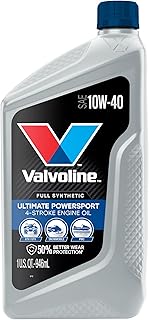
Brand Recommendations: Discover popular and reliable oil brands that are suitable for high-performance sports bikes
When selecting oil for high-performance sports bikes, it's crucial to choose brands that have a proven track record of reliability and performance. Here are some popular and trusted oil brands that are suitable for sports bikes:
- Mobil 1: Known for its high-quality synthetic oils, Mobil 1 offers excellent protection and performance for sports bikes. Their oils are designed to withstand high temperatures and provide superior wear protection.
- Castrol: Castrol is another well-respected brand in the motor oil industry. Their synthetic oils are engineered to provide exceptional performance and protection for high-performance engines, making them a great choice for sports bikes.
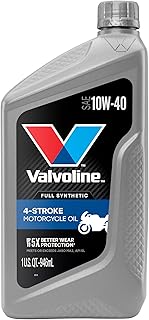
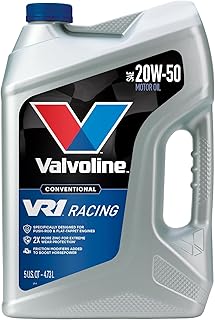
- Valvoline: Valvoline offers a range of synthetic oils that are specifically formulated for high-performance motorcycles. Their oils provide excellent protection against wear and corrosion, ensuring your sports bike runs smoothly.
- Motul: Motul is a French brand that specializes in high-performance lubricants. Their synthetic oils are designed to meet the demanding requirements of sports bikes, offering superior protection and performance.
- Amsoil: Amsoil is known for its premium synthetic oils that provide excellent protection and performance. Their oils are designed to withstand the high temperatures and stresses associated with sports bike engines.
When choosing an oil brand for your sports bike, it's important to consider factors such as the type of engine, the riding conditions, and the manufacturer's recommendations. Always consult your owner's manual for specific oil requirements and change intervals.
Measuring Bike Trails: The Essential Guide to Metric Units
You may want to see also
Explore related products


$18.29


Oil Change Intervals: Find out the recommended frequency for changing oil in sports bikes to maintain engine health
Sports bike engines operate under extreme conditions, with high RPMs and rapid temperature fluctuations. This puts significant stress on the oil, which must provide consistent lubrication and protection against wear. As a result, oil change intervals for sports bikes are typically more frequent than for other types of motorcycles.
The recommended frequency for changing oil in sports bikes varies depending on the manufacturer and model, but a general guideline is to change the oil every 3,000 to 5,000 miles. However, this interval may need to be shortened if the bike is used for track days, racing, or in particularly harsh conditions. Some manufacturers recommend changing the oil as frequently as every 1,000 miles for track use.
It's important to note that oil change intervals are not just based on mileage, but also on time. Even if the bike hasn't been ridden extensively, the oil can still degrade over time due to exposure to air and moisture. As a result, it's recommended to change the oil at least once a year, regardless of mileage.
To determine the optimal oil change interval for a specific sports bike, it's best to consult the owner's manual or contact the manufacturer directly. They will be able to provide the most accurate information based on the bike's engine design and intended use.
In addition to regular oil changes, it's also important to monitor the oil level and condition between changes. This can be done by checking the oil dipstick and looking for any signs of contamination or degradation. If the oil level is low or the oil appears dirty or discolored, it may be necessary to change it sooner than the recommended interval.
By following the recommended oil change intervals and monitoring the oil condition, sports bike owners can help ensure the longevity and performance of their engines.
Post-Extraction Cycling: When Is It Safe to Ride Again?
You may want to see also
Explore related products


Environmental Considerations: Explore eco-friendly oil options and proper disposal methods to minimize environmental impact
As environmental awareness grows, it's crucial to consider the ecological footprint of the products we use, including motorcycle oils. Eco-friendly oil options are becoming increasingly popular among sports bike enthusiasts who want to minimize their impact on the planet. These oils are typically made from renewable resources and are biodegradable, reducing the risk of environmental contamination in the event of a spill.
One of the most effective ways to reduce environmental impact is to properly dispose of used oil. Many people mistakenly pour used oil down the drain or into the trash, but this can lead to serious environmental harm. Instead, it's important to take used oil to a designated recycling center or auto parts store that accepts used oil for proper disposal. Some communities even have special collection events for hazardous waste, including used oil.
Another consideration is the frequency of oil changes. While regular oil changes are necessary for the proper functioning of a sports bike, over-changing the oil can lead to unnecessary waste. It's important to follow the manufacturer's recommendations for oil change intervals and to use oil analysis tests to determine if an oil change is truly necessary.
In addition to eco-friendly oil options and proper disposal methods, it's also important to consider the overall efficiency of the sports bike. A well-maintained bike will not only perform better but will also consume less oil over time. This includes keeping the tires properly inflated, maintaining the correct air-fuel ratio, and ensuring that the bike is not ridden excessively hard or at high speeds.
Finally, it's worth considering the packaging of the oil itself. Some companies use eco-friendly packaging, such as biodegradable or recyclable containers, which can further reduce environmental impact. By choosing oils that come in sustainable packaging, sports bike owners can make a positive difference in the environment.
In conclusion, by exploring eco-friendly oil options, properly disposing of used oil, maintaining the sports bike efficiently, and considering the packaging of the oil, enthusiasts can minimize their environmental impact and enjoy their rides with a clear conscience.
Exploring the Unique Window Piston Engine in Motorized Bikes
You may want to see also
Frequently asked questions
For a sports bike engine, it's recommended to use a high-quality synthetic oil with a viscosity rating suitable for your specific engine and riding conditions.
Typically, it's advised to change the oil every 3,000 to 5,000 miles or as specified in your bike's owner's manual.
While conventional oil can be used, synthetic oil is generally preferred for sports bikes due to its superior performance, protection, and stability under high temperatures and stress.
Synthetic oil offers better engine protection, improved performance, reduced friction, and longer service intervals compared to conventional oil.
Yes, in cold weather, it's advisable to use an oil with a lower viscosity rating to ensure proper engine function and performance.