Eric Johnson

The X1 Pocket Bike, a popular model among miniature motorcycle enthusiasts, typically uses a specific mix of fuel and oil to ensure optimal performance and longevity of the engine. This mix is crucial for the proper functioning of the bike, affecting everything from acceleration to the overall health of the engine components. Understanding the correct fuel-to-oil ratio is essential for owners and operators of the X1 Pocket Bike, as it helps in maintaining the bike's efficiency and preventing potential damage due to improper lubrication or combustion.
Explore related products


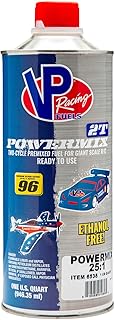


What You'll Learn
- Fuel Type: X1 pocket bikes typically use a mixture of gasoline and oil, usually in a 25:1 ratio
- Engine Size: These bikes are equipped with small, 49cc to 50cc engines, ideal for their compact size
- Oil Specifications: The oil used should be a high-quality, synthetic 2-stroke engine oil for optimal performance
- Gasoline Octane: Regular unleaded gasoline with an octane rating of 87 is generally recommended for X1 pocket bikes
- Mixing Procedure: Properly mixing the fuel and oil in a separate container before filling the tank is crucial for engine efficiency

Fuel Type: X1 pocket bikes typically use a mixture of gasoline and oil, usually in a 25:1 ratio
X1 pocket bikes, known for their compact size and impressive performance, require a specific fuel mixture to operate efficiently. The optimal ratio for these bikes is typically 25 parts gasoline to 1 part oil. This mixture ensures that the engine runs smoothly, providing the necessary lubrication while maintaining the high octane level required for peak performance.
When preparing the fuel mixture, it's crucial to use high-quality gasoline, preferably unleaded, to prevent any potential damage to the engine. The oil used should be a two-stroke engine oil, as it is designed to work with the specific combustion process of two-stroke engines found in pocket bikes. Mixing the fuel correctly is essential; improper ratios can lead to engine seizing, reduced power, or even complete failure.
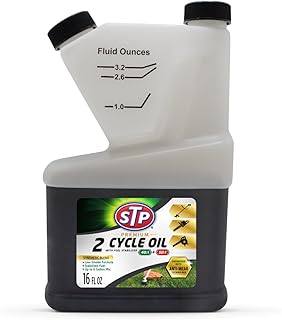
To mix the fuel, start by adding the required amount of gasoline to a clean, empty container. Then, slowly pour in the oil, stirring continuously to ensure an even distribution. It's recommended to use a fuel mixing bottle or a similar container with measurement markings to achieve the precise 25:1 ratio. Once mixed, the fuel can be poured into the bike's fuel tank, and the bike is ready to be started.
Regular maintenance, including checking and changing the fuel mixture, is vital for the longevity and performance of an X1 pocket bike. By adhering to the recommended fuel ratio and using quality ingredients, riders can ensure their bikes run at their best, providing hours of enjoyment and reliable operation.
Exploring the High-Performance Materials Behind Sport Bike Fairings
You may want to see also
Explore related products


Engine Size: These bikes are equipped with small, 49cc to 50cc engines, ideal for their compact size
Pocket bikes, specifically the X1 model, are designed with compactness and agility in mind. Their small engine size, typically ranging from 49cc to 50cc, is a crucial aspect that contributes to their lightweight and maneuverable nature. This engine capacity strikes a balance between power and efficiency, making these bikes suitable for both recreational riding and competitive racing in tight spaces.
The choice of a small engine size for pocket bikes like the X1 is deliberate, catering to the needs of riders who prioritize quick acceleration and sharp handling over top speed. These engines are usually single-cylinder, two-stroke units, which provide a good power-to-weight ratio. This setup allows the bikes to achieve rapid acceleration from a standstill, a key feature for racing on short tracks or navigating through urban environments.
One of the advantages of small engines in pocket bikes is their fuel efficiency. Riders can expect to get a significant number of miles per gallon, making these bikes an economical choice for both casual riding and training purposes. Additionally, the lower engine capacity often results in less noise and lower emissions, making them more environmentally friendly compared to larger, more powerful motorcycles.
Maintenance and repair of small engines like those found in the X1 pocket bike are generally more straightforward and less costly than those of larger engines. This is because the components are simpler and more accessible, allowing for easier troubleshooting and replacement of parts. However, it's important for riders to perform regular maintenance to ensure the longevity and optimal performance of their bikes.
In conclusion, the small engine size of X1 pocket bikes is a defining characteristic that enhances their compactness, agility, and fuel efficiency. These features make them an attractive option for riders looking for a fun, economical, and environmentally friendly way to enjoy the thrill of motorcycling.
Revolutionizing Transportation: The Birth of the Bicycle and Its Materials
You may want to see also
Explore related products

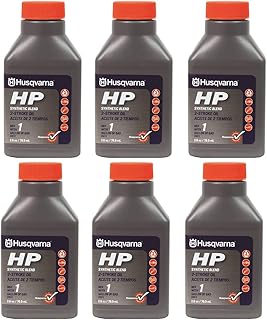


Oil Specifications: The oil used should be a high-quality, synthetic 2-stroke engine oil for optimal performance
For optimal performance of an X1 pocket bike, the oil used should be a high-quality, synthetic 2-stroke engine oil. This type of oil is specifically designed to meet the demands of 2-stroke engines, which operate at high RPMs and require superior lubrication and protection against wear. Synthetic oils offer better performance in extreme temperatures, improved fuel efficiency, and reduced emissions compared to conventional oils.
When selecting a synthetic 2-stroke engine oil for your X1 pocket bike, look for oils that meet or exceed industry standards such as API TC-W3 or JASO FD. These standards ensure that the oil provides adequate protection against engine wear, corrosion, and deposits, while also maintaining proper viscosity and stability under various operating conditions.
It is crucial to use the correct oil-to-fuel ratio as specified by the manufacturer of your X1 pocket bike. Typically, this ratio ranges from 1:25 to 1:40, depending on the engine size and operating conditions. Using too much oil can lead to excessive smoke and reduced performance, while using too little oil can cause engine damage due to insufficient lubrication.
Regularly changing the oil in your X1 pocket bike is essential to maintain its performance and longevity. It is recommended to change the oil every 500 miles or after 20 hours of operation, whichever comes first. Always dispose of used oil properly and follow local regulations regarding oil disposal.
In addition to using high-quality synthetic oil, it is important to keep your X1 pocket bike's engine clean and well-maintained. This includes regularly cleaning the air filter, checking for leaks, and ensuring that all engine components are in good working condition. By following these guidelines, you can ensure that your X1 pocket bike runs smoothly and efficiently, providing you with hours of enjoyable riding.
Unveiling the Strength: Metals That Power Your Bicycle's Performance
You may want to see also
Explore related products



Gasoline Octane: Regular unleaded gasoline with an octane rating of 87 is generally recommended for X1 pocket bikes
Regular unleaded gasoline with an octane rating of 87 is the standard recommendation for X1 pocket bikes. This specification is crucial because it ensures the fuel's ability to resist 'knocking' or 'pinging' during combustion, caused by the air/fuel mixture detonating prematurely in the engine. The octane rating is a measure of a fuel's performance in an engine, and using the correct octane can significantly impact the bike's performance and longevity.
Using a higher octane fuel than recommended is not beneficial for X1 pocket bikes and can actually lead to decreased performance. This is because the engine is not designed to take advantage of the higher resistance to knocking that premium fuels offer. In fact, using premium fuel in an engine designed for regular fuel can result in incomplete combustion, leading to reduced power and efficiency.
It's also important to note that using leaded gasoline or fuels with additives is not recommended for X1 pocket bikes. Leaded fuels can cause damage to the engine's components, including the catalytic converter and spark plugs, and can lead to environmental pollution. Fuels with additives, such as those that claim to clean the engine or improve performance, can also cause issues as they may not be compatible with the bike's engine design.
In summary, sticking to the recommended octane rating of 87 for X1 pocket bikes is essential for maintaining optimal performance and engine health. Using the correct fuel type ensures that the engine runs smoothly, efficiently, and without unnecessary wear and tear.
Pedaling Through the City: Unveiling Citi Bike's Preferred Make
You may want to see also
Explore related products


Mixing Procedure: Properly mixing the fuel and oil in a separate container before filling the tank is crucial for engine efficiency
To ensure optimal engine performance in an X1 pocket bike, it is essential to follow a precise mixing procedure for the fuel and oil. This process involves combining the correct proportions of gasoline and two-stroke engine oil in a separate container before transferring the mixture to the bike's fuel tank. The recommended fuel-to-oil ratio for most X1 pocket bikes is typically 25:1, meaning 25 parts gasoline to 1 part oil. However, it is crucial to consult the manufacturer's specifications for the exact ratio suitable for your particular model.
Begin by measuring out the required amount of gasoline using a clean, dry container. For the oil, use a high-quality two-stroke engine oil designed specifically for pocket bikes. Add the oil to the gasoline slowly, stirring continuously to ensure a thorough mix. It is important to mix the fuel and oil in a well-ventilated area to avoid inhaling harmful fumes. Once the mixture is complete, transfer it carefully to the bike's fuel tank, taking care not to spill any of the liquid.
One common mistake to avoid is shaking the fuel tank vigorously after filling it, as this can cause the oil to separate from the gasoline. Instead, gently rock the bike back and forth to help distribute the oil evenly throughout the fuel. Additionally, it is advisable to let the mixture sit for a few minutes before starting the engine, allowing the oil to fully emulsify with the gasoline.
Regularly cleaning the fuel tank and replacing the fuel filter can also contribute to maintaining engine efficiency. Over time, fuel residue and contaminants can build up in the tank, which can negatively impact the bike's performance. By following a proper mixing procedure and performing routine maintenance, you can help ensure that your X1 pocket bike runs smoothly and efficiently.
Exploring the Essential Materials Behind Your Bicycle's Construction
You may want to see also
Frequently asked questions
An X1 pocket bike typically uses a mixture of gasoline and oil. The recommended ratio is usually 25:1, meaning 25 parts gasoline to 1 part oil.
To prepare the fuel mixture, measure out the appropriate amounts of gasoline and oil based on the recommended ratio. Then, mix them thoroughly in a clean container before pouring the mixture into the bike's fuel tank.
Yes, you can use regular unleaded gasoline in your X1 pocket bike. However, it's important to mix it with the correct amount of oil as specified in the user manual.
Using the wrong fuel mixture can lead to engine damage, reduced performance, or even complete engine failure. It's crucial to follow the manufacturer's guidelines for the correct gasoline-to-oil ratio.
The frequency of changing the fuel mixture depends on usage. As a general rule, it's a good idea to change the mixture every few uses or at least once a month to ensure optimal engine performance and longevity.