Ryan Cole
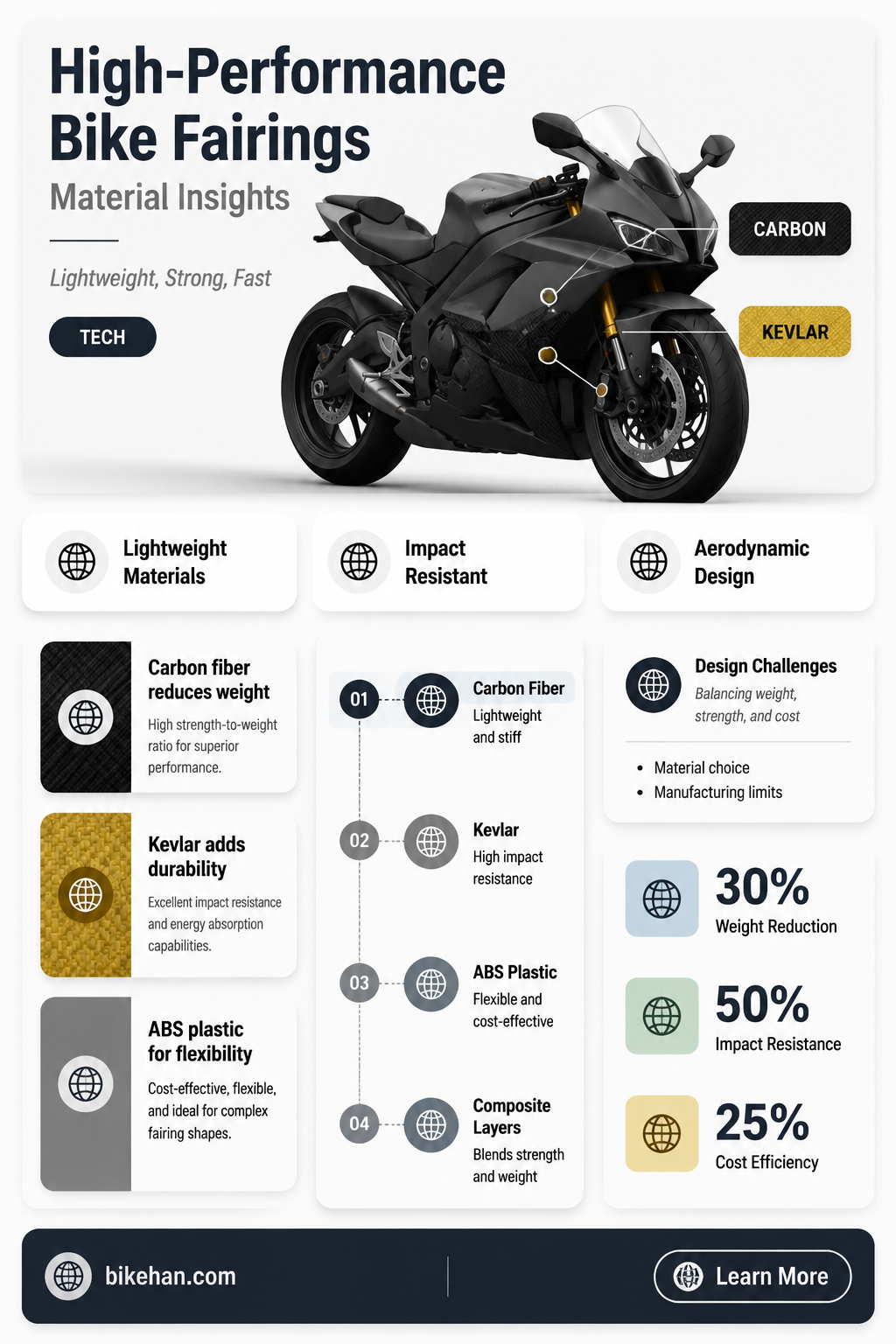
Sport bike fairings are typically made from a variety of materials, each chosen for its unique properties that contribute to the performance and aesthetics of the motorcycle. The most common materials include fiberglass, carbon fiber, and ABS plastic. Fiberglass is favored for its lightweight nature and ease of molding into complex shapes, making it ideal for creating aerodynamic fairings. Carbon fiber, on the other hand, offers exceptional strength-to-weight ratio, which is crucial for high-performance sport bikes where every gram counts. ABS plastic is a more cost-effective option that provides good durability and impact resistance, making it suitable for everyday use. Each material has its advantages and disadvantages, and the choice often depends on the specific requirements of the bike and the preferences of the manufacturer or rider.
Explore related products


What You'll Learn
- Carbon Fiber: Lightweight, strong, and rigid, carbon fiber is a popular choice for high-performance sport bike fairings
- Fiberglass: A traditional material, fiberglass offers a good balance of weight, durability, and cost for sport bike fairings
- Plastic (ABS/PVC): Economical and easy to mold, plastic fairings are common in entry-level and mid-range sport bikes
- Kevlar: Known for its high tensile strength, Kevlar is sometimes used in sport bike fairings for added durability and impact resistance
- Composite Materials: Modern sport bikes may use composite fairings, combining materials like carbon fiber and fiberglass for optimal performance and weight savings

Carbon Fiber: Lightweight, strong, and rigid, carbon fiber is a popular choice for high-performance sport bike fairings
Carbon fiber's exceptional properties make it a standout material for sport bike fairings. Its high strength-to-weight ratio is crucial for performance-oriented motorcycles, where every gram counts. The rigidity of carbon fiber also contributes to the bike's overall structural integrity, allowing for more precise handling and stability at high speeds.
One of the key advantages of carbon fiber fairings is their ability to be molded into complex shapes while maintaining strength. This allows manufacturers to design aerodynamic fairings that reduce drag and improve the bike's performance. Additionally, carbon fiber has a unique aesthetic appeal, with its distinctive weave pattern often visible in the finished product, adding to the bike's visual appeal.
However, the use of carbon fiber also comes with some challenges. It is more expensive than other materials commonly used for fairings, such as fiberglass or plastic. The manufacturing process is also more complex, requiring specialized equipment and expertise. Furthermore, carbon fiber can be brittle, and if damaged, it may require professional repair or replacement.
Despite these challenges, the benefits of carbon fiber fairings are clear. For high-performance sport bikes, where every advantage counts, carbon fiber is often the material of choice. Its combination of lightweight, strength, and rigidity makes it ideal for creating fairings that enhance both the bike's performance and its visual appeal.
Gearing Up: The Impact of Tooth Count on Bike Performance
You may want to see also
Explore related products




Fiberglass: A traditional material, fiberglass offers a good balance of weight, durability, and cost for sport bike fairings
Fiberglass has been a staple in the sport bike fairing industry for decades, offering a compelling combination of attributes that make it a popular choice among manufacturers and enthusiasts alike. One of the primary advantages of fiberglass is its excellent weight-to-strength ratio. This material is significantly lighter than metal alternatives like steel or aluminum, which is crucial for sport bikes where every gram counts. The reduced weight not only enhances the bike's performance and handling but also contributes to better fuel efficiency.
Durability is another key factor that has cemented fiberglass's position in the market. When properly maintained, fiberglass fairings can withstand the rigors of daily use and resist damage from minor impacts and abrasions. The material's inherent resistance to corrosion and rust further extends its lifespan, making it a cost-effective option in the long run. Additionally, fiberglass fairings are relatively easy to repair, often requiring only simple tools and materials to fix minor damages.
Cost is a significant consideration for many sport bike owners, and fiberglass fairings offer a competitive advantage in this area. Compared to more exotic materials like carbon fiber or high-grade plastics, fiberglass is more affordable to produce and purchase. This cost-effectiveness makes it an attractive option for budget-conscious riders who still want to enhance the aesthetics and performance of their bikes. Furthermore, the widespread availability of fiberglass fairings means that riders can easily find replacements or custom designs to suit their preferences.
In terms of aesthetics, fiberglass fairings can be molded into a wide variety of shapes and styles, allowing for a high degree of customization. This versatility enables manufacturers to create fairings that not only improve aerodynamics but also enhance the visual appeal of the sport bike. The smooth, glossy finish of fiberglass fairings can be easily painted or adorned with decals, further personalizing the bike to the owner's taste.
However, it's important to note that fiberglass fairings do have some limitations. While they are durable, they can be prone to cracking or shattering upon high-impact collisions. Additionally, the material can be somewhat brittle, especially in extreme temperatures, which may affect its longevity in harsh climates. Despite these drawbacks, the benefits of fiberglass fairings—including their lightweight nature, durability, cost-effectiveness, and aesthetic versatility—continue to make them a favored choice in the sport bike community.
Pedal Power: Unveiling the Key Muscles Engaged in Cycling
You may want to see also
Explore related products
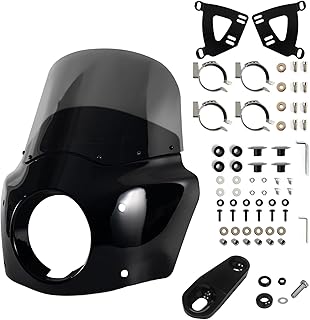


Plastic (ABS/PVC): Economical and easy to mold, plastic fairings are common in entry-level and mid-range sport bikes
ABS (Acrylonitrile Butadiene Styrene) and PVC (Polyvinyl Chloride) plastics are widely used materials in the manufacturing of sport bike fairings, particularly for entry-level and mid-range models. These materials are favored for their economical cost and ease of molding into complex shapes, which is essential for creating aerodynamic fairings that enhance the bike's performance and aesthetics.
One of the primary advantages of using ABS and PVC for sport bike fairings is their lightweight nature. This contributes to the overall reduction in the bike's weight, which can improve handling, acceleration, and fuel efficiency. Additionally, these plastics are relatively durable and can withstand the rigors of daily use, including exposure to various weather conditions and minor impacts.
The molding process for creating ABS and PVC fairings involves injecting the plastic into a pre-designed mold under high pressure. This allows for precise control over the shape and thickness of the fairing, ensuring that it meets the specific aerodynamic requirements of the bike model. Furthermore, the surface of these fairings can be easily painted or finished to match the bike's color scheme, providing a seamless and integrated look.
Despite their benefits, ABS and PVC fairings do have some limitations. They may not be as strong or rigid as fairings made from other materials, such as carbon fiber or fiberglass, which can impact their performance in high-speed or high-impact scenarios. Additionally, over time, exposure to sunlight and other environmental factors can cause the plastic to fade or become brittle, potentially affecting its appearance and structural integrity.
In conclusion, ABS and PVC plastics are popular choices for sport bike fairings due to their affordability, ease of molding, and lightweight properties. While they may not offer the same level of strength and durability as more premium materials, they provide a cost-effective solution for enhancing the performance and aesthetics of entry-level and mid-range sport bikes.
Choosing the Right Lube: A Guide to Bike Chain Lubricants
You may want to see also
Explore related products


Kevlar: Known for its high tensile strength, Kevlar is sometimes used in sport bike fairings for added durability and impact resistance
Kevlar, a synthetic fiber known for its exceptional tensile strength and durability, has found applications in various industries, including the manufacturing of sport bike fairings. These fairings, which are the outer shells placed over the frame of a motorcycle to reduce air drag and protect the engine and rider, often require materials that can withstand high impacts and resist wear and tear. Kevlar's unique properties make it an ideal candidate for this purpose.
One of the primary advantages of using Kevlar in sport bike fairings is its high strength-to-weight ratio. This means that Kevlar fairings can provide robust protection without significantly increasing the overall weight of the motorcycle, which is crucial for maintaining performance and handling. Additionally, Kevlar's resistance to abrasion and impact helps to ensure that the fairing remains intact even in the event of a collision or fall, thereby safeguarding both the rider and the bike's internal components.
Another benefit of Kevlar fairings is their ability to be molded into complex shapes, allowing for aerodynamic designs that can enhance the bike's performance. The material's flexibility and pliability enable manufacturers to create fairings that conform precisely to the contours of the motorcycle, reducing drag and improving stability at high speeds. Furthermore, Kevlar fairings can be customized with various finishes and colors, providing riders with options to personalize their bikes while also benefiting from the material's protective qualities.
Despite its advantages, Kevlar is not without its drawbacks. The material can be relatively expensive compared to other options like fiberglass or plastic, which may deter some riders from choosing Kevlar fairings. Additionally, Kevlar fairings can be more challenging to repair if damaged, often requiring specialized tools and techniques. However, for many sport bike enthusiasts, the benefits of Kevlar's strength, durability, and customization potential outweigh these considerations, making it a popular choice for high-performance motorcycles.
In conclusion, Kevlar's high tensile strength, durability, and impact resistance make it a valuable material for sport bike fairings. Its ability to provide robust protection without adding significant weight, combined with its flexibility and customization options, has made it a favored choice among riders who prioritize both performance and safety. While Kevlar fairings may come with a higher price tag and repair challenges, their unique properties continue to make them a sought-after option in the world of sport biking.
Post-Extraction Cycling: When Is It Safe to Ride Again?
You may want to see also
Explore related products


Composite Materials: Modern sport bikes may use composite fairings, combining materials like carbon fiber and fiberglass for optimal performance and weight savings
Modern sport bikes often utilize composite fairings to achieve a balance between performance and weight savings. These fairings are typically made from a combination of materials, with carbon fiber and fiberglass being the most common. Carbon fiber is prized for its high strength-to-weight ratio, making it an ideal choice for reducing the overall weight of the bike while maintaining structural integrity. Fiberglass, on the other hand, offers a more cost-effective solution that still provides good performance characteristics.
The use of composite materials in sport bike fairings has several advantages. Firstly, it allows for more aerodynamic designs, as the materials can be molded into complex shapes that would be difficult or impossible to achieve with traditional materials like metal or plastic. This improved aerodynamics can lead to better handling and increased top speeds. Secondly, the reduced weight of composite fairings can improve the bike's power-to-weight ratio, resulting in quicker acceleration and better overall performance.
However, there are also some challenges associated with using composite materials. One of the main drawbacks is the cost, as carbon fiber and fiberglass can be more expensive than other materials. Additionally, composite fairings can be more susceptible to damage from impacts or abrasions, and repairing them can be more difficult and costly than repairing traditional fairings.
Despite these challenges, the benefits of composite materials make them a popular choice for modern sport bikes. Many manufacturers offer composite fairings as standard equipment on their high-performance models, and aftermarket options are also available for riders who want to upgrade their bikes. As technology continues to advance, it's likely that we'll see even more innovative uses of composite materials in the world of sport bikes.
Revving Up Production: The Machinery Behind Harley-Davidson Bikes
You may want to see also
Frequently asked questions
The most common material used for sport bike fairings is ABS (Acrylonitrile Butadiene Styrene) plastic. This material is favored for its durability, flexibility, and lightweight properties, making it ideal for high-performance motorcycles.
ABS plastic is preferred for sport bike fairings because it offers a good balance of strength and weight. It can withstand impacts and resist cracking, which is crucial for the safety and aesthetics of the bike. Additionally, ABS is relatively easy to mold into complex shapes, allowing for the sleek and aerodynamic designs characteristic of sport bikes.
Yes, besides ABS plastic, other materials such as fiberglass, carbon fiber, and polycarbonate are also used for sport bike fairings. Fiberglass and carbon fiber are known for their high strength-to-weight ratio, while polycarbonate is valued for its exceptional impact resistance and clarity.
The choice of fairing material can significantly affect the performance of a sport bike. Lightweight materials like ABS plastic and carbon fiber can reduce the overall weight of the bike, improving acceleration and handling. Aerodynamically efficient materials and designs can also reduce drag, enhancing the bike's top speed and fuel efficiency.
Yes, the fairing material can influence the safety of a sport bike in the event of an accident. Materials with good impact resistance, such as ABS plastic and polycarbonate, can help absorb and distribute the force of an impact, potentially reducing the risk of injury to the rider. Additionally, fairings can protect the rider from windblast and debris, improving comfort and visibility during high-speed riding.