Eric Johnson
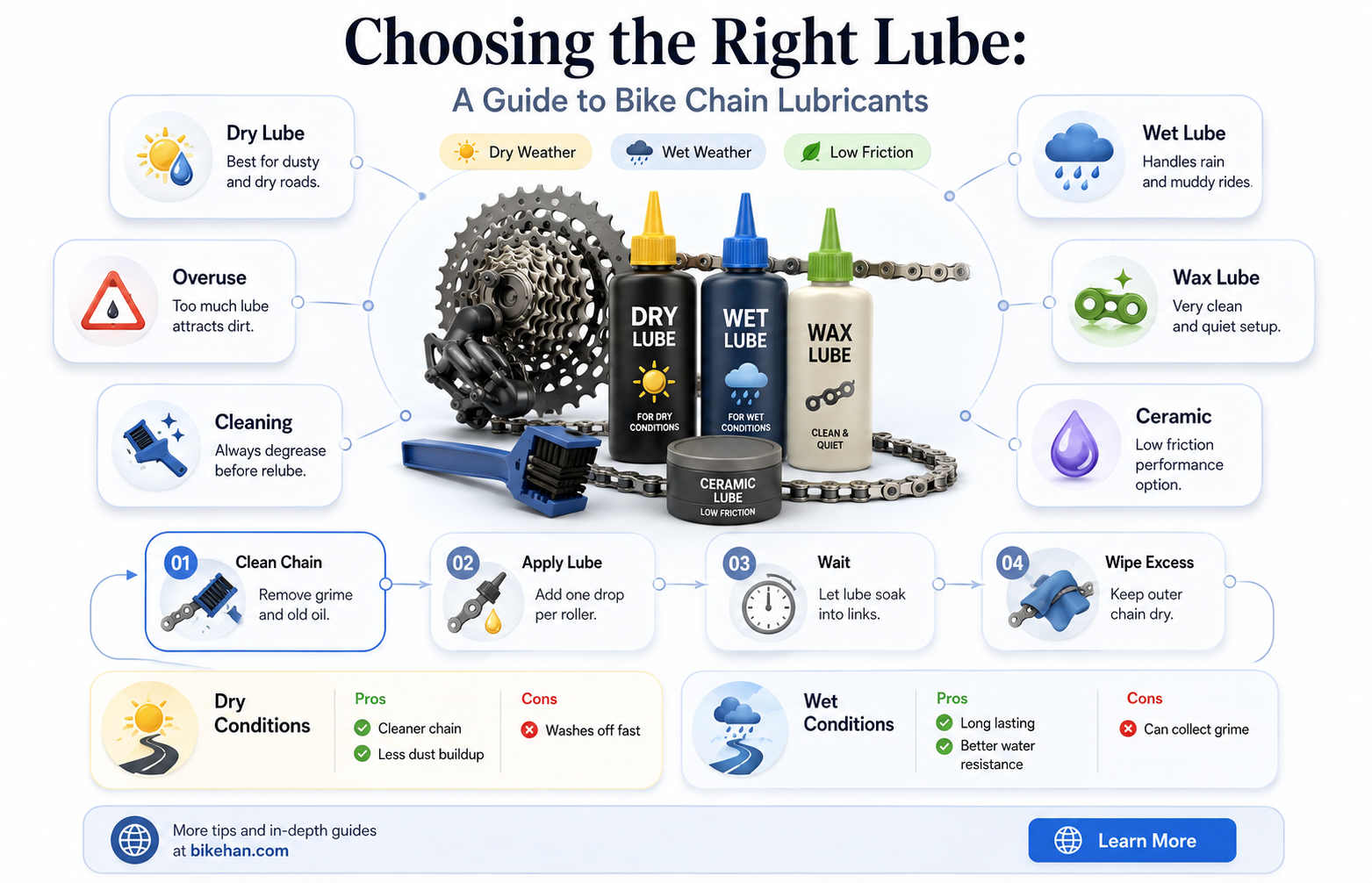
Choosing the right lubricant for your bike is crucial for maintaining its performance and longevity. A good lubricant reduces friction between moving parts, prevents wear and tear, and protects against rust and corrosion. When selecting a lubricant, consider the riding conditions and the type of bike you have. For wet and muddy conditions, a thicker, more water-resistant lubricant is ideal, while for dry conditions, a lighter lubricant may suffice. Additionally, some lubricants are specifically formulated for certain types of bikes, such as road bikes or mountain bikes. It's also important to choose a lubricant that is compatible with the materials used in your bike's components, such as metal or plastic. By selecting the appropriate lubricant and applying it regularly, you can ensure smooth and efficient operation of your bike for years to come.
Explore related products



What You'll Learn
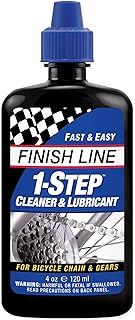
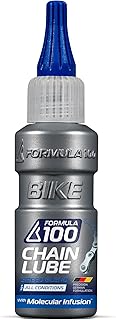
- Types of bike lubricants: wet, dry, and all-weather options for different riding conditions
- Benefits of using lubricant: reduces friction, prevents wear, and ensures smooth gear shifting
- How to apply lubricant: techniques for properly lubricating chains, gears, and other components?
- Maintenance tips: regular cleaning and lubrication schedules to prolong bike lifespan
- Environmental considerations: choosing eco-friendly lubricants and disposal methods for used products

Types of bike lubricants: wet, dry, and all-weather options for different riding conditions
Bike lubricants are essential for maintaining the performance and longevity of your bicycle. They reduce friction between moving parts, prevent wear and tear, and protect against rust and corrosion. However, not all lubricants are created equal, and choosing the right one depends on the riding conditions you typically encounter.
Wet lubricants are designed for use in damp or rainy conditions. They are formulated to repel water and provide a protective film that prevents rust and corrosion. Wet lubricants are typically thicker and more viscous than dry lubricants, which allows them to adhere to the bike's components even in the presence of moisture. When applying a wet lubricant, it's important to use a moderate amount and to wipe off any excess after a few minutes to prevent dirt and grime from sticking to the bike.
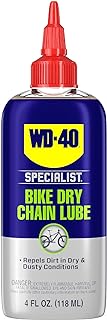
Dry lubricants, on the other hand, are ideal for dry and dusty conditions. They are formulated to reduce friction and wear without attracting dirt and grime. Dry lubricants are typically thinner and more fluid than wet lubricants, which allows them to penetrate deep into the bike's components and provide long-lasting protection. When applying a dry lubricant, it's important to use a small amount and to allow it to dry completely before riding the bike.
All-weather lubricants are a versatile option that can be used in a variety of conditions. They are formulated to provide a balance between wet and dry lubricants, offering protection against moisture and dirt while still reducing friction and wear. All-weather lubricants are typically a good choice for riders who encounter a mix of wet and dry conditions on their rides. When applying an all-weather lubricant, it's important to use a moderate amount and to wipe off any excess after a few minutes.
When choosing a bike lubricant, it's important to consider the specific needs of your bike and the riding conditions you typically encounter. By selecting the right lubricant, you can ensure that your bike performs at its best and lasts for years to come.
Gearing Up: The Impact of Tooth Count on Bike Performance
You may want to see also
Explore related products



Benefits of using lubricant: reduces friction, prevents wear, and ensures smooth gear shifting
Lubricant plays a crucial role in maintaining the performance and longevity of a bicycle's drivetrain. By reducing friction between moving parts, lubricant ensures that the chain, gears, and derailleurs operate smoothly and efficiently. This not only improves the overall riding experience but also prevents premature wear and tear on these components.
One of the key benefits of using lubricant is its ability to minimize friction. When applied correctly, lubricant creates a thin film between the metal surfaces, allowing them to glide past each other with minimal resistance. This results in smoother gear shifting, as the derailleurs can move the chain more easily between gears. Additionally, reduced friction helps to conserve energy, as the rider doesn't have to exert as much force to pedal.
Another important advantage of lubricant is its protective properties. Lubricant acts as a barrier against dirt, grime, and moisture, which can cause corrosion and wear on the drivetrain components. By keeping these parts clean and well-lubricated, the risk of damage is significantly reduced. This is particularly important for cyclists who ride in wet or muddy conditions, as water and dirt can quickly cause damage to unlubricated metal parts.
Furthermore, using the right type of lubricant can also help to reduce noise and vibration while riding. A well-lubricated drivetrain will operate more quietly and smoothly, providing a more enjoyable and comfortable riding experience. This is especially important for cyclists who ride long distances or at high speeds, as excessive noise and vibration can be both distracting and fatiguing.
In conclusion, the benefits of using lubricant on a bike are numerous. By reducing friction, preventing wear, and ensuring smooth gear shifting, lubricant helps to maintain the performance and longevity of the bicycle's drivetrain. This not only improves the overall riding experience but also saves money in the long run by reducing the need for costly repairs and replacements.
Safe Cycling After Tooth Extraction: Tips and Precautions
You may want to see also
Explore related products
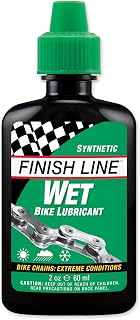


How to apply lubricant: techniques for properly lubricating chains, gears, and other components
Applying lubricant to a bike's components is a crucial maintenance task that ensures smooth operation and prolongs the life of the parts. To properly lubricate chains, gears, and other components, follow these techniques:
First, clean the components thoroughly to remove any dirt, grime, or old lubricant. This can be done using a degreaser and a brush or rag. Make sure to wipe away any excess degreaser before applying the new lubricant.
Next, apply the lubricant sparingly to the moving parts of the chain, gears, and other components. A little goes a long way, and too much lubricant can attract dirt and cause problems. Use a dropper or a small brush to apply the lubricant precisely where it's needed.
For chains, focus on the rollers and pins, and avoid getting lubricant on the outer plates. For gears, apply lubricant to the teeth and the jockey wheels of the derailleur. Don't forget to lubricate the pivot points of the brake and shifter levers, as well as the cables.
After applying the lubricant, let it sit for a few minutes to penetrate the components. Then, wipe away any excess lubricant with a clean rag. This will help prevent dirt from sticking to the components and causing wear.
Finally, test the components to make sure they're running smoothly. If you notice any issues, reapply lubricant as needed and test again. Regular maintenance, including proper lubrication, will keep your bike in top condition and ensure a safe and enjoyable ride.
Post-Extraction Cycling: A Guide to Safe Bike Riding After Tooth Removal
You may want to see also
Explore related products


Maintenance tips: regular cleaning and lubrication schedules to prolong bike lifespan
Regular cleaning and lubrication are essential to prolonging the lifespan of your bike. Neglecting these maintenance tasks can lead to premature wear and tear, reduced performance, and even safety hazards. By following a consistent schedule, you can keep your bike in top condition and enjoy a smoother, safer ride.
Cleaning your bike should be done at least once a month, or more frequently if you ride in dirty or wet conditions. Start by removing any loose debris from the frame, wheels, and drivetrain using a soft brush or cloth. Then, use a mild detergent and water to clean the frame, wheels, and other components. Be sure to rinse thoroughly and dry with a clean cloth. For the drivetrain, use a specialized chain cleaner or a degreaser applied to a cloth to remove grime and grease.
Lubrication is equally important, as it helps to reduce friction and wear on moving parts. The type of lubricant you use will depend on the specific components and the conditions in which you ride. For the chain, a wet lubricant is recommended for wet or dirty conditions, while a dry lubricant is better for dry, clean conditions. Apply the lubricant sparingly, as too much can attract dirt and grime. For other moving parts, such as the brake and shifter cables, a silicone-based lubricant can be used to reduce friction and prolong their lifespan.
In addition to regular cleaning and lubrication, it's important to inspect your bike for signs of wear and tear. Check the brake pads, tires, and chain for excessive wear, and replace them as needed. Also, be sure to check the bolts and quick-release levers to ensure they are tightened properly.
By following these maintenance tips, you can help to prolong the lifespan of your bike and ensure a safe, enjoyable riding experience. Remember, a well-maintained bike is not only more reliable, but it can also improve your overall performance and reduce the risk of accidents.
Choosing the Perfect Lube: A Guide to Bike Chain Maintenance
You may want to see also
Explore related products


Environmental considerations: choosing eco-friendly lubricants and disposal methods for used products
As environmental awareness grows, cyclists are increasingly looking for ways to reduce their ecological footprint, including choosing eco-friendly lubricants for their bikes. One effective approach is to opt for lubricants made from biodegradable materials, such as plant-based oils. These products break down naturally in the environment, minimizing the risk of contamination.
When selecting an eco-friendly lubricant, it's essential to consider its performance characteristics. Look for products that offer good wear protection, corrosion resistance, and a wide temperature range. Some popular eco-friendly options include wax-based lubricants, which provide a durable coating and repel dirt and grime, and ester-based lubricants, which offer excellent biodegradability and low toxicity.
Proper disposal of used lubricants is equally important. Avoid pouring them down the drain, as they can harm aquatic life and contaminate water supplies. Instead, collect used lubricants in a container and dispose of them at a designated hazardous waste facility. Many communities have special collection events or drop-off locations for hazardous materials.
Another consideration is the packaging of the lubricant. Choose products that come in recyclable or reusable containers to minimize waste. Some manufacturers even offer refill options, allowing you to reuse your existing container and reduce the amount of packaging waste generated.
By making informed choices about eco-friendly lubricants and disposal methods, cyclists can significantly reduce their environmental impact while still maintaining the performance and longevity of their bikes.
Post-Extraction Cycling: When Is It Safe to Ride Again?
You may want to see also
Frequently asked questions
For most riding conditions, a synthetic lubricant is recommended as it provides better performance and durability. It's also more resistant to dirt and grime compared to traditional oil-based lubricants.
The frequency of lubrication depends on your riding conditions. In dry and clean conditions, you might need to lubricate every 100-200 miles. In wet or muddy conditions, more frequent lubrication, possibly every 50 miles, may be necessary.
To apply lubricant effectively, start by cleaning the chain thoroughly. Then, apply a small amount of lubricant to each roller while slowly rotating the pedals backward. Wipe off any excess lubricant with a clean rag to prevent dirt buildup.
While WD-40 can be used as a temporary solution in a pinch, it's not the best choice for regular use. WD-40 is primarily a solvent and doesn't provide the same level of lubrication and protection as dedicated bike chain lubricants. It can also attract dirt and grime, leading to a buildup that can harm your chain.