Matthew Brooks
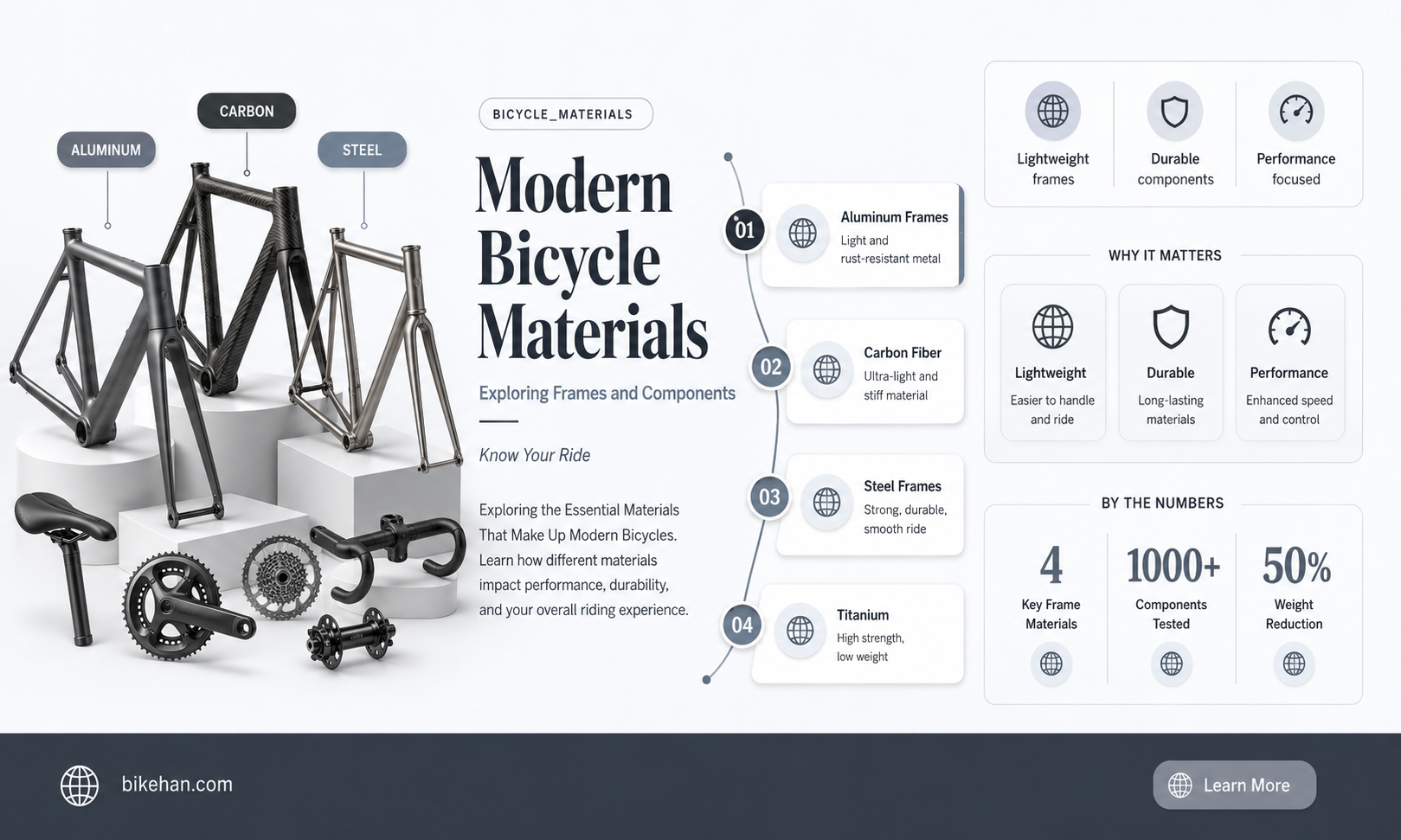
Bicycles are composed of a variety of materials, each selected for its specific properties to contribute to the overall performance, durability, and comfort of the bike. The most common materials used in bike construction include metals such as aluminum and steel, which are favored for their strength and affordability. Carbon fiber has also become increasingly popular, especially in high-performance and racing bikes, due to its lightweight and stiffness. Additionally, some bikes incorporate titanium and magnesium for their unique combination of strength and low weight. The choice of material can significantly impact the bike's handling, speed, and maintenance requirements, making it an essential consideration for both manufacturers and consumers.
Explore related products


What You'll Learn
- Frame Materials: Overview of common bike frame materials like steel, aluminum, carbon fiber, and titanium
- Wheel Components: Description of wheel parts including rims, spokes, hubs, and quick-release skewers
- Tire Types: Explanation of different tire types such as clincher, tubular, and tubeless, and their applications
- Handlebar Materials: Discussion on handlebar materials, including aluminum, carbon fiber, and steel, and their impact on ride quality
- Seat and Pedal Materials: Insight into the materials used for bike seats and pedals, such as synthetic fabrics, leather, and metal alloys

Frame Materials: Overview of common bike frame materials like steel, aluminum, carbon fiber, and titanium
Steel frames are renowned for their durability and classic appeal. They offer a smooth ride due to their ability to absorb road vibrations and are often favored by touring and commuting cyclists. However, steel is heavier than some other materials, which can make climbing hills more challenging.
Aluminum frames are popular for their lightweight properties and corrosion resistance. They are often used in mountain bikes and road bikes aimed at enthusiasts and semi-professionals. Aluminum is also relatively affordable, making it a common choice for budget-conscious buyers. However, it can be less comfortable on long rides due to its stiffness.
Carbon fiber frames are the pinnacle of modern bike frame technology. They offer an exceptional strength-to-weight ratio, making them ideal for competitive road cycling. Carbon fiber is also highly customizable, allowing for intricate frame designs that can be tailored to individual riders. However, these frames are typically more expensive and can be prone to damage from impacts.
Titanium frames are prized for their unique combination of strength, lightness, and corrosion resistance. They offer a ride quality similar to steel but with significantly less weight. Titanium is also highly durable and can last for decades with proper care. However, it is one of the more expensive frame materials and can be difficult to repair if damaged.
In summary, each frame material has its own set of advantages and disadvantages. Steel offers durability and comfort, aluminum provides lightness and affordability, carbon fiber delivers top-tier performance and customization, and titanium combines strength, lightness, and longevity. The choice of frame material ultimately depends on the rider's preferences, budget, and intended use of the bike.
Post-Extraction Cycling: When Is It Safe to Ride Again?
You may want to see also
Explore related products


Wheel Components: Description of wheel parts including rims, spokes, hubs, and quick-release skewers
The wheel is a critical component of any bicycle, and understanding its parts is essential for maintenance and performance optimization. The rim is the outer edge of the wheel, typically made from aluminum or carbon fiber for strength and lightweight properties. It provides the surface for the tire to mount onto and plays a significant role in the wheel's aerodynamics.
Spokes are thin metal rods that connect the rim to the hub, forming the structural backbone of the wheel. They are usually made from steel or titanium, materials chosen for their high tensile strength and durability. The number and pattern of spokes can vary, affecting the wheel's strength, weight, and responsiveness.
The hub is the central part of the wheel where the spokes converge. It houses the bearings that allow the wheel to spin smoothly and is typically made from aluminum or steel. The hub also contains the quick-release skewer, a mechanism that allows for easy attachment and detachment of the wheel from the bicycle frame.
Quick-release skewers are a vital component for cyclists who need to change tires or transport their bikes. They are usually made from steel or aluminum and feature a cam lever that, when tightened, secures the wheel in place. When the lever is loosened, the skewer can be removed, allowing the wheel to be detached.
In summary, bicycle wheels are composed of rims, spokes, hubs, and quick-release skewers, each made from materials chosen for their specific properties. Understanding these components is crucial for cyclists looking to maintain or upgrade their bikes, as the choice of materials can significantly impact performance and durability.
Understanding Shark Toothing on Bikes: A Comprehensive Guide
You may want to see also
Explore related products


Tire Types: Explanation of different tire types such as clincher, tubular, and tubeless, and their applications
Clincher tires are the most common type of bicycle tire. They consist of an inner tube that holds air and a tire casing that fits over the tube and rim. The tire casing has a bead that hooks onto the rim, holding the tire in place. Clincher tires are popular because they are easy to install and remove, and they can be used with a wide range of rims. They are also relatively inexpensive compared to other tire types.
Tubular tires, also known as sew-up tires, are less common than clincher tires. They consist of a single piece of rubber that is sewn together to form a tube. The tube is then glued to the rim, creating a smooth, seamless surface. Tubular tires are often used by professional cyclists because they can be inflated to higher pressures, which reduces rolling resistance and improves speed. However, they are more difficult to install and remove than clincher tires, and they require special tools and skills to repair.
Tubeless tires are a newer type of bicycle tire that eliminates the need for an inner tube. Instead, the tire casing is designed to hold air directly. Tubeless tires are becoming increasingly popular because they are lighter and more puncture-resistant than clincher tires. They also provide a smoother ride because there is no inner tube to create friction. However, tubeless tires require a special rim that is compatible with the tire's bead, and they can be more difficult to install and remove than clincher tires.
Each tire type has its own advantages and disadvantages, and the best choice for a particular cyclist will depend on their riding style, preferences, and budget. Clincher tires are a good choice for casual riders who want a reliable and affordable tire. Tubular tires are a good choice for professional cyclists who are looking for every advantage in speed and performance. Tubeless tires are a good choice for riders who want a lightweight, puncture-resistant tire that provides a smooth ride.
Smooth Shifting: The Ultimate Guide to Bike Cable Lubricants
You may want to see also
Explore related products


Handlebar Materials: Discussion on handlebar materials, including aluminum, carbon fiber, and steel, and their impact on ride quality
Aluminum handlebars are a popular choice among cyclists due to their lightweight nature and strength. This material is ideal for riders who prioritize speed and agility, as it reduces the overall weight of the bike without compromising durability. Aluminum handlebars also offer good vibration damping, which can enhance ride comfort during long journeys or on rough terrain. However, they may not be as stiff as other materials, which could affect power transfer when sprinting or climbing.
Carbon fiber handlebars represent the pinnacle of performance for many serious cyclists. This material boasts an exceptional strength-to-weight ratio, making it even lighter than aluminum while maintaining rigidity. Carbon fiber's anisotropic properties allow manufacturers to fine-tune the stiffness and compliance of the handlebars, resulting in a customized ride feel. Additionally, carbon fiber has excellent vibration-absorbing qualities, which can reduce rider fatigue and improve control. The main drawback is the higher cost associated with carbon fiber components.
Steel handlebars, although less common in modern high-performance bikes, still have a dedicated following among enthusiasts and casual riders. Steel offers a unique blend of strength, durability, and flexibility, making it a good choice for riders who value comfort and a smooth ride. Steel handlebars can absorb road vibrations more effectively than aluminum or carbon fiber, which can be beneficial for long-distance touring or riding on cobblestone roads. However, steel is heavier than both aluminum and carbon fiber, which may deter riders who are focused on speed or climbing efficiency.
The choice of handlebar material ultimately depends on the rider's preferences, riding style, and budget. Cyclists who prioritize speed and performance may opt for carbon fiber, while those who value comfort and durability might prefer steel. Aluminum handlebars strike a balance between the two, offering a good compromise for riders who want a lightweight yet affordable option. Regardless of the material chosen, proper handlebar selection can significantly impact a cyclist's ride quality and overall enjoyment of the sport.
Pedal Power: Unveiling the Key Muscles Engaged in Cycling
You may want to see also
Explore related products


Seat and Pedal Materials: Insight into the materials used for bike seats and pedals, such as synthetic fabrics, leather, and metal alloys
Bike seats and pedals are critical components that significantly impact a cyclist's comfort and performance. The materials used in these parts are carefully selected to balance durability, weight, and ergonomics. Synthetic fabrics are commonly used for bike seats due to their flexibility and ability to conform to the rider's body shape. These fabrics are often combined with padding materials like foam or gel to enhance comfort during long rides. Leather is another popular choice for bike seats, prized for its durability and classic aesthetic. Over time, leather seats can mold to the rider's form, providing a customized fit.
Metal alloys, particularly aluminum and steel, are the primary materials used for bike pedals. Aluminum pedals are lightweight and resistant to corrosion, making them ideal for road bikes where every gram counts. Steel pedals, on the other hand, offer greater strength and durability, which is essential for mountain biking and other high-impact cycling activities. Some high-end pedals also incorporate carbon fiber for its exceptional strength-to-weight ratio.
The choice of material for bike seats and pedals also depends on the intended use of the bicycle. For instance, racing bikes often feature lightweight materials like carbon fiber and synthetic fabrics to minimize weight and maximize speed. In contrast, touring bikes prioritize comfort and durability, making leather seats and sturdy metal pedals more common choices.
Innovations in material science have led to the development of new, hybrid materials that combine the benefits of traditional options. For example, some modern bike seats use a combination of synthetic fabrics and recycled materials, offering both comfort and environmental sustainability. Similarly, advancements in metal alloys have resulted in pedals that are both lightweight and incredibly strong.
In conclusion, the materials used for bike seats and pedals play a crucial role in determining the overall riding experience. By understanding the properties and applications of different materials, cyclists can make informed decisions when selecting components for their bikes, ensuring optimal comfort, performance, and durability.
Pedaling Through the City: Unveiling Citi Bike's Preferred Make
You may want to see also
Frequently asked questions
The most common materials used in bicycle frames are aluminum, carbon fiber, steel, and titanium. Each material has its own advantages and disadvantages in terms of weight, strength, durability, and cost.
The choice of frame material significantly affects the performance of a bicycle. For example, carbon fiber frames are lightweight and provide excellent vibration damping, making them ideal for road racing. Steel frames are strong and durable, suitable for touring and commuting. Aluminum frames are also lightweight and offer good stiffness, making them a popular choice for mountain biking. Titanium frames are known for their strength-to-weight ratio and corrosion resistance, offering a balance between performance and durability.
Bicycle wheels are typically made from aluminum, carbon fiber, or steel. Aluminum wheels are lightweight and affordable, making them a common choice for many types of bicycles. Carbon fiber wheels are extremely lightweight and provide excellent aerodynamics, making them popular among competitive road cyclists. Steel wheels are strong and durable, often used in touring and commuter bicycles.
Yes, there are sustainable materials used in bicycle manufacturing. Some manufacturers use recycled aluminum or steel to produce frames and components. Additionally, there are innovations in using bio-based materials, such as plant-derived composites, to create more environmentally friendly bicycle parts. These sustainable materials help reduce the environmental impact of bicycle production while maintaining performance and quality.