Samantha Lee
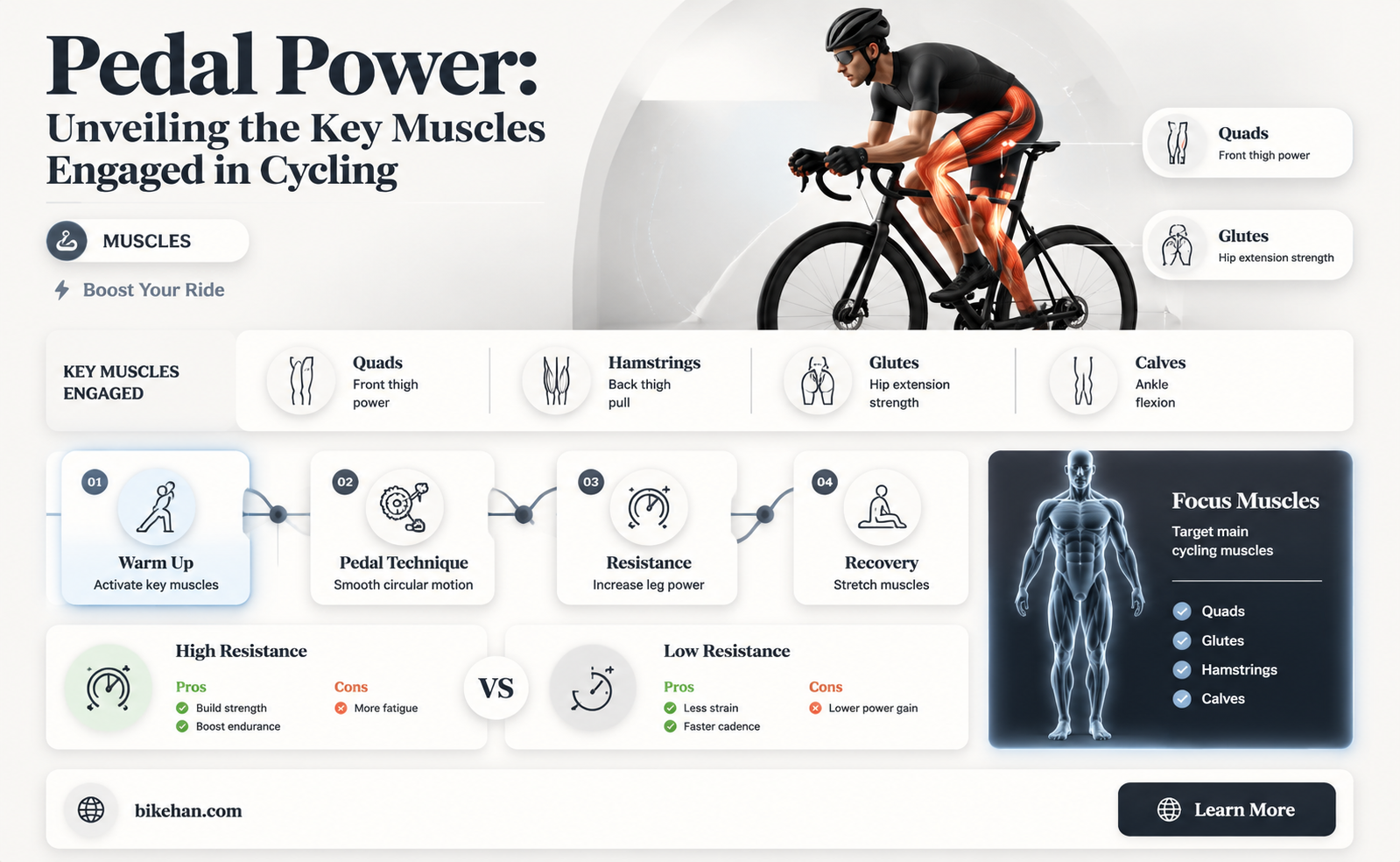
Bike riding is an activity that engages multiple muscle groups throughout the body. The primary muscles involved in cycling include the quadriceps, hamstrings, glutes, and calves in the lower body, which are responsible for generating power and maintaining cadence. Additionally, the core muscles, including the abdominals and lower back, play a crucial role in stabilizing the body and maintaining proper posture on the bike. The upper body muscles, such as the shoulders, arms, and hands, are also engaged to control the handlebars and maintain balance. Understanding which muscles are used in bike riding can help cyclists optimize their training and improve their overall performance and endurance on the bike.
Explore related products

$13.99 $19.99


$59.99



What You'll Learn
- Quadriceps: These front thigh muscles are crucial for pedaling, especially during the downstroke phase
- Hamstrings: Located at the back of the thigh, hamstrings help in bending the knee and hip during cycling
- Glutes: The gluteal muscles, including the gluteus maximus, play a key role in hip extension and stabilization
- Calves: The calf muscles, particularly the gastrocnemius, are engaged during the downstroke and help in ankle movement
- Core Muscles: The abdominals and lower back muscles are essential for maintaining balance and stability while riding

Quadriceps: These front thigh muscles are crucial for pedaling, especially during the downstroke phase
The quadriceps, a group of four muscles located at the front of the thigh, play a pivotal role in cycling. These muscles are primarily responsible for the extension of the knee joint, which is essential during the downstroke phase of pedaling. As the cyclist pushes down on the pedal, the quadriceps contract, generating the force needed to propel the bike forward. This action is repeated throughout the ride, making the quadriceps one of the most heavily engaged muscle groups during cycling.
In addition to their role in the downstroke, the quadriceps also contribute to the overall stability and control of the bike. They help maintain proper leg alignment and prevent the knees from buckling inward, which can lead to injury. Furthermore, the quadriceps assist in the absorption of shock and vibrations from the road, reducing the impact on the joints and improving ride comfort.
To optimize cycling performance and prevent injury, it is crucial to keep the quadriceps strong and flexible. Cyclists can achieve this through a combination of strength training exercises, such as squats and lunges, and stretching routines that target the front of the thigh. Proper warm-up and cool-down practices are also essential to prepare the muscles for the demands of cycling and aid in recovery post-ride.
In summary, the quadriceps are indispensable muscles for cyclists, playing a key role in the pedaling motion, stability, and shock absorption. By focusing on the health and conditioning of these muscles, cyclists can enhance their performance and reduce the risk of injury.
Smooth Shifting: The Ultimate Guide to Bike Cable Lubricants
You may want to see also
Explore related products

$122


Hamstrings: Located at the back of the thigh, hamstrings help in bending the knee and hip during cycling
The hamstrings, a group of three muscles located at the back of the thigh, play a crucial role in cycling. These muscles are responsible for bending the knee and hip, which are essential movements for propelling a bicycle forward. During the cycling motion, the hamstrings contract and relax in a coordinated manner with other muscle groups to ensure smooth and efficient pedaling.
One of the primary functions of the hamstrings in cycling is to extend the hip joint. This action is vital for generating power and speed, as it allows the cyclist to push down on the pedals with greater force. Additionally, the hamstrings help to stabilize the knee joint, preventing excessive lateral movement that could lead to injury.
To optimize cycling performance and reduce the risk of hamstring injuries, it is essential to maintain proper form and technique. Cyclists should focus on keeping their knees aligned over their ankles, engaging their core muscles for stability, and avoiding over-reaching or straining during intense efforts. Incorporating strength training exercises that target the hamstrings, such as deadlifts and leg curls, can also help to improve cycling efficiency and endurance.
In conclusion, the hamstrings are a key muscle group involved in cycling, contributing to both the power and stability required for effective bike riding. By understanding the role of these muscles and implementing proper training and technique, cyclists can enhance their performance and minimize the risk of injury.
Choosing the Right Lube for Your Stationary Bike: A Guide
You may want to see also
Explore related products


Glutes: The gluteal muscles, including the gluteus maximus, play a key role in hip extension and stabilization
The gluteal muscles, prominently featuring the gluteus maximus, are fundamental in the mechanics of bike riding. These muscles are primarily responsible for hip extension, a critical movement in the cycling pedal stroke. As the leg pushes down on the pedal, the glutes contract to extend the hip, transferring power from the upper body to the lower extremities and ultimately to the bike.
In addition to their role in hip extension, the glutes also contribute to hip stabilization. This is particularly important in maintaining proper alignment and balance while riding. Strong glutes help keep the pelvis stable and prevent excessive side-to-side movement, which can lead to inefficiencies in the pedal stroke and increase the risk of injury.
For cyclists, developing strong glutes can lead to improved performance and reduced fatigue. Incorporating exercises that target the glutes, such as squats, lunges, and deadlifts, into a training regimen can help build the necessary strength and endurance for long rides. Additionally, focusing on proper form and technique during these exercises can ensure that the glutes are effectively engaged during cycling.
It's also worth noting that the glutes work in conjunction with other muscle groups, such as the quadriceps and hamstrings, to provide a smooth and efficient pedal stroke. Therefore, a well-rounded training program that targets all these muscle groups can lead to the best results for cyclists looking to improve their performance.
Revving Up Production: The Machinery Behind Harley-Davidson Bikes
You may want to see also
Explore related products




Calves: The calf muscles, particularly the gastrocnemius, are engaged during the downstroke and help in ankle movement
The calf muscles, specifically the gastrocnemius, play a crucial role in the mechanics of bike riding. During the downstroke, which is the phase of pedaling where the foot pushes down on the pedal, the gastrocnemius is actively engaged. This muscle is responsible for plantar flexion, which is the movement that points the toes downward, and it also assists in ankle movement.
The engagement of the calf muscles during cycling is essential for efficient power transfer from the leg to the pedal. When the calf muscles contract, they help to stabilize the ankle joint and provide the necessary force to push the pedal down. This action is particularly important during the downstroke, as it is the primary phase where the cyclist generates power to propel the bike forward.
In addition to the gastrocnemius, the soleus muscle, which is located beneath the gastrocnemius, also contributes to the cycling motion. The soleus is responsible for maintaining the plantar flexion of the foot during the downstroke and helps to control the ankle movement. Together, the gastrocnemius and soleus form the triceps surae, which is the group of muscles that make up the calf.
To optimize the use of calf muscles during cycling, it is important for cyclists to maintain proper foot positioning on the pedal. The foot should be placed so that the ball of the foot is over the pedal spindle, which allows for the most efficient transfer of power from the calf muscles to the pedal. Additionally, cyclists should focus on using a smooth and controlled pedaling motion, which helps to engage the calf muscles effectively and reduces the risk of injury.
In summary, the calf muscles, particularly the gastrocnemius, are engaged during the downstroke of cycling and play a vital role in ankle movement and power generation. Proper foot positioning and a smooth pedaling motion are essential for optimizing the use of these muscles and improving overall cycling performance.
Understanding Shark Toothing on Bikes: A Comprehensive Guide
You may want to see also
Explore related products




Core Muscles: The abdominals and lower back muscles are essential for maintaining balance and stability while riding
The core muscles, comprising the abdominals and lower back muscles, play a pivotal role in maintaining balance and stability during bike riding. These muscles are engaged continuously to keep the rider upright and to facilitate smooth pedaling. The rectus abdominis, obliques, and transverse abdominis work in tandem with the erector spinae and other lower back muscles to provide the necessary support.
When riding, the core muscles are activated to stabilize the spine and pelvis, which is crucial for efficient power transfer from the legs to the pedals. A strong core helps in maintaining proper posture, reducing the risk of back pain and injury. Additionally, these muscles are involved in rotational movements, such as when turning the handlebars or adjusting body position to navigate different terrains.
To enhance core strength for cycling, specific exercises can be incorporated into a training regimen. Planks, Russian twists, and leg raises are effective in targeting the abdominal muscles, while lower back extensions and bird dogs focus on strengthening the erector spinae. These exercises should be performed regularly to build endurance and stability, ultimately improving cycling performance and reducing the risk of injury.
In summary, the core muscles are indispensable for maintaining balance and stability while riding a bike. By understanding their role and incorporating targeted exercises into a training routine, cyclists can improve their overall performance and reduce the likelihood of back-related issues.
Gearing Up: The Impact of Tooth Count on Bike Performance
You may want to see also
Frequently asked questions
The primary muscles engaged during bike riding include the quadriceps, hamstrings, glutes, and calf muscles. These muscles work together to power the pedals and maintain balance.
The quadriceps, located at the front of the thigh, are crucial for extending the knee and driving the pedal downward during the power phase of cycling. They are one of the most heavily engaged muscle groups in this activity.
The hamstrings, situated at the back of the thigh, are responsible for bending the knee and pulling the pedal upward during the recovery phase of cycling. They also help stabilize the knee joint.
Yes, the calf muscles are important for cycling. They assist in pushing the pedal down during the power phase and help maintain the foot's position on the pedal. Additionally, they contribute to overall lower leg stability while riding.