Eric Johnson
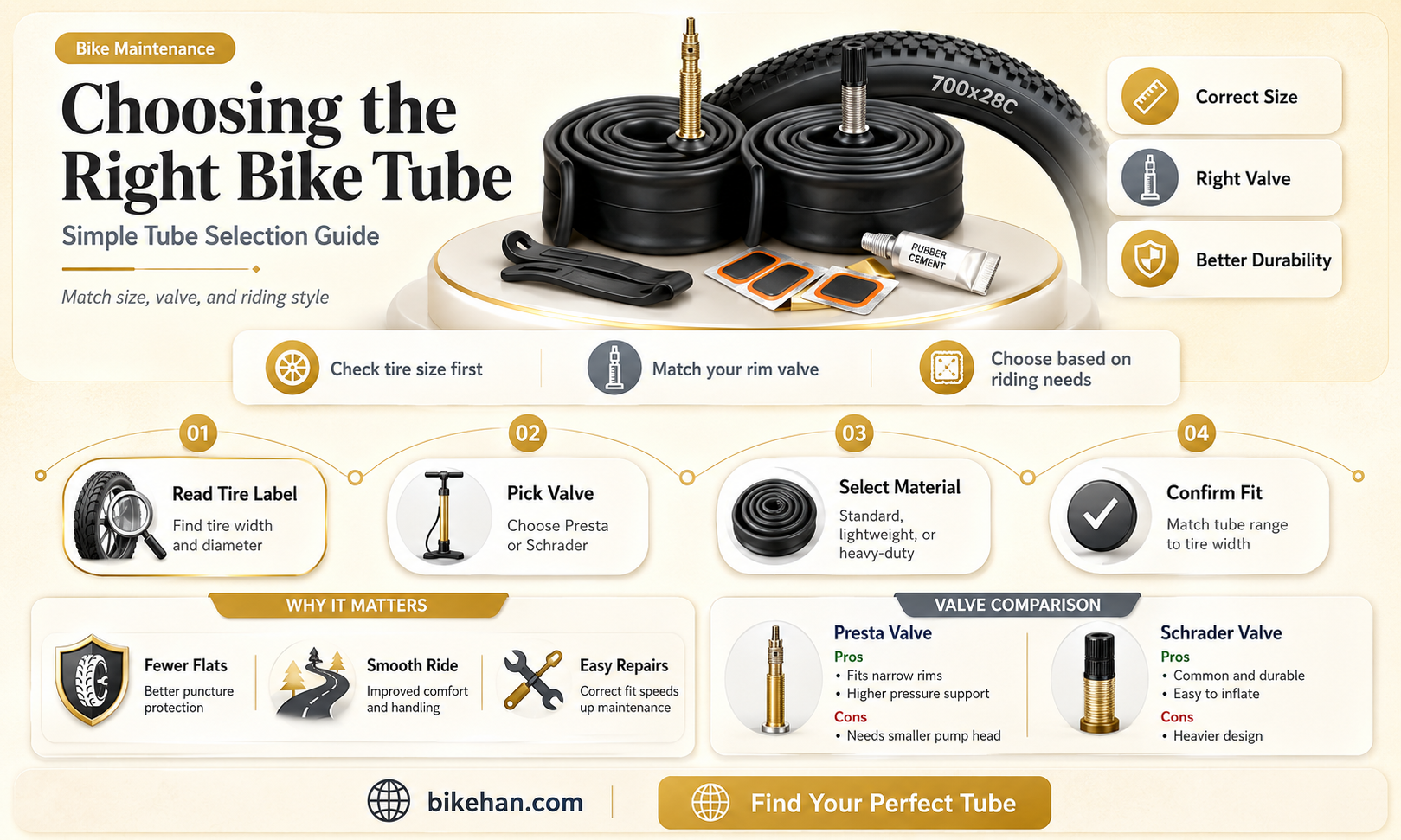
When it comes to choosing the right tube for your bike, there are several factors to consider. Bike tubes come in various sizes, materials, and types, each designed to meet specific needs and preferences. The most common types of bike tubes are inner tubes and tubeless tubes. Inner tubes are the traditional choice, consisting of a rubber tube that fits inside the tire and is inflated to provide cushioning and support. Tubeless tubes, on the other hand, are a newer innovation that eliminates the need for an inner tube altogether. Instead, the tire itself is designed to hold air, providing a more streamlined and potentially more efficient ride. In addition to these main types, there are also specialized tubes designed for specific types of bikes, such as mountain bikes or road bikes. When choosing a tube, it's important to consider factors such as the size of your tire, the type of riding you'll be doing, and your personal preferences for comfort and performance.
Explore related products


What You'll Learn
- Inner Tube Size: Determine the correct inner tube size by checking your bike tire's specifications
- Tube Material: Choose between butyl, latex, or TPU tubes based on your needs for durability and weight
- Valve Type: Ensure compatibility by selecting the right valve type: Presta, Schrader, or Dunlop
- Tube Pressure: Inflate the tube to the recommended pressure for optimal performance and safety
- Installation Tips: Follow step-by-step guides for proper tube installation to prevent leaks and ensure a secure fit

Inner Tube Size: Determine the correct inner tube size by checking your bike tire's specifications
To determine the correct inner tube size for your bike, you need to check the specifications on your bike tires. This information is usually printed on the sidewall of the tire and includes the tire size, which is a combination of the tire's width and diameter. For example, a tire size of 26 x 2.1 indicates a 26-inch diameter tire that is 2.1 inches wide. Once you have this information, you can select an inner tube that matches the tire size. It's important to note that inner tubes come in different sizes to fit different tire widths and diameters, so it's crucial to get the right size to ensure a proper fit and optimal performance.
When selecting an inner tube, it's also important to consider the valve type. Bike tires typically have either a Presta valve, a Schrader valve, or a Woods valve. The valve type affects how you inflate the tire and what kind of pump you need. Presta valves are commonly found on road bikes and require a Presta pump, while Schrader valves are more common on mountain bikes and can be inflated with a standard air pump. Woods valves are less common but can be found on some older bikes. Make sure to select an inner tube with the correct valve type for your bike.
Another factor to consider when choosing an inner tube is the material. Inner tubes are typically made of rubber, but there are also options made of latex or other materials. Rubber inner tubes are the most common and are generally the most affordable, but they can be prone to punctures. Latex inner tubes are more expensive but are lighter and more resistant to punctures. Some inner tubes also come with additional features, such as puncture protection or reflective strips for added safety.
In addition to checking the tire specifications, it's also a good idea to measure the inner tube before purchasing. This can help ensure that you get the right size and avoid any potential issues with fit. To measure the inner tube, remove it from the tire and lay it flat on a surface. Use a measuring tape to measure the diameter and width of the tube. Compare these measurements to the tire specifications to ensure that they match.
Finally, when installing the new inner tube, make sure to follow the manufacturer's instructions carefully. This typically involves inserting the tube into the tire, inflating it to the recommended pressure, and checking for any leaks. It's also important to dispose of the old inner tube properly, as it may contain hazardous materials. By following these steps and considering the factors mentioned above, you can ensure that you select the correct inner tube size for your bike and enjoy a safe and comfortable ride.
Choosing the Perfect Bike Trainer: A Comprehensive Guide
You may want to see also
Explore related products



Tube Material: Choose between butyl, latex, or TPU tubes based on your needs for durability and weight
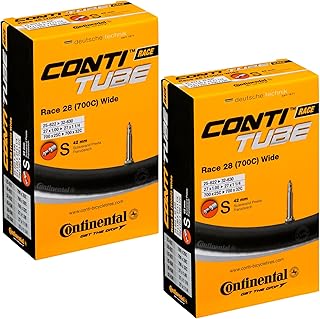
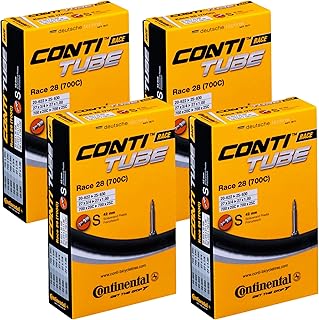
When selecting a bike tube, the material is a crucial factor that affects both the tube's durability and weight. Butyl, latex, and TPU (thermoplastic polyurethane) are the three primary materials to consider, each with its own set of characteristics that cater to different cycling needs and preferences.
Butyl tubes are the most common and widely used option. They are known for their excellent durability and puncture resistance, making them ideal for everyday commuting and recreational riding. Butyl tubes are also relatively inexpensive and easy to find, which adds to their appeal. However, they are heavier than latex or TPU tubes, which can be a drawback for cyclists who prioritize weight savings.
Latex tubes, on the other hand, are the lightest option available. They are also highly flexible and can conform to the shape of the tire more easily than butyl or TPU tubes, which can improve the overall ride quality. Latex tubes are popular among road cyclists and racing enthusiasts who need every weight advantage they can get. However, they are more prone to punctures and leaks than butyl tubes, and they require more frequent replacement.
TPU tubes offer a balance between the durability of butyl tubes and the lightness of latex tubes. They are more resistant to punctures than latex tubes and can last longer, but they are also lighter than butyl tubes. TPU tubes are a good choice for cyclists who want a compromise between weight and durability, and they are often used in mountain biking and cyclocross.
When choosing a tube material, consider your cycling habits and priorities. If you are a casual rider who values durability and cost-effectiveness, butyl tubes are the way to go. If you are a serious cyclist who needs every weight advantage, latex tubes might be the better choice. And if you want a balance between the two, TPU tubes are a great option.
Choosing the Perfect Sports Bike: A Comprehensive Guide
You may want to see also
Explore related products


Valve Type: Ensure compatibility by selecting the right valve type: Presta, Schrader, or Dunlop
Selecting the correct valve type is crucial for ensuring compatibility with your bike's tire and rim. The three most common valve types are Presta, Schrader, and Dunlop, each with its own unique characteristics and uses.
Presta valves are typically found on high-performance and racing bicycles. They are characterized by their slim profile and locking nut mechanism, which requires a specific Presta valve adapter for inflation. These valves are designed to hold high pressures, making them ideal for road bikes and other performance-oriented bicycles.
Schrader valves, on the other hand, are more commonly found on mountain bikes, hybrid bikes, and some road bikes. They are identifiable by their wider profile and threaded exterior, which allows for easy attachment of a Schrader valve adapter. Schrader valves are designed to hold lower pressures than Presta valves, making them suitable for a wider range of bicycle types.
Dunlop valves, also known as "flash valves," are less common but still found on some bicycles, particularly older models. They are characterized by their unique locking mechanism, which requires a specific Dunlop valve adapter for inflation. Dunlop valves are designed to hold moderate pressures and are compatible with a variety of bicycle types.
When selecting a tube for your bike, it's essential to ensure that the valve type matches your bike's rim and tire. Using the wrong valve type can lead to compatibility issues, difficulty inflating the tire, and even damage to your bike's components. To determine the correct valve type, simply inspect your bike's rim and tire for the corresponding valve hole and consult the manufacturer's specifications if necessary.
Choosing the Perfect Bike for Your Triathlon Journey
You may want to see also
Explore related products


Tube Pressure: Inflate the tube to the recommended pressure for optimal performance and safety
Proper tube pressure is crucial for both the performance and safety of your bicycle. Inflating the tube to the recommended pressure ensures that your bike handles optimally, reduces the risk of punctures, and extends the life of your tires. The ideal pressure can vary depending on several factors, including the type of bike, the rider's weight, and the terrain you'll be cycling on.
For road bikes, which typically have narrow, high-pressure tires, the recommended pressure is usually between 80-120 PSI (pounds per square inch). Mountain bikes, with their wider, lower-pressure tires, generally require a pressure range of 30-50 PSI. Hybrid and commuter bikes fall somewhere in between, often recommending a pressure of 50-70 PSI. It's important to check the sidewall of your tire for the manufacturer's recommended pressure range, as this can provide the most accurate guidance for your specific setup.
To inflate your bike tube, you'll need a pump that matches the valve type of your tube (either Presta, Schrader, or Dunlop). Start by removing the valve cap and attaching the pump. If you're using a floor pump, stand on it and push down to inflate the tube. For a hand pump, use a pushing and pulling motion. Be sure to check the pressure regularly using a gauge to avoid overinflating, which can lead to a harsh ride and increased risk of punctures.
Once you've reached the recommended pressure, replace the valve cap and give the tube a quick spin to ensure it's properly seated within the tire. It's also a good idea to check for any leaks by submerging the inflated tube in water and looking for bubbles. If you find any leaks, you'll need to patch the tube or replace it before riding.
Remember, maintaining proper tube pressure is an ongoing process. Regularly check and adjust the pressure, especially before long rides or when the weather changes, as temperature fluctuations can affect tire pressure. By keeping your tubes inflated to the correct pressure, you'll enjoy a smoother, safer, and more efficient cycling experience.
Secure Your Ride: Choosing the Perfect Bike Lock for Urban Cyclists
You may want to see also
Explore related products


Installation Tips: Follow step-by-step guides for proper tube installation to prevent leaks and ensure a secure fit
To ensure a secure and leak-free fit when installing a new bike tube, it's crucial to follow a methodical approach. Begin by selecting the correct tube size, which should match the tire's dimensions. Next, inspect the tube for any signs of damage or weak spots before installation. When inserting the tube into the tire, make sure to align the valve stem with the tire's valve hole. This will prevent any unnecessary stress on the tube and ensure a proper seal.
Once the tube is in place, inflate it to the recommended pressure, but avoid overinflating, as this can lead to leaks or even tube failure. Use a tire lever to secure the tire onto the rim, ensuring that the bead is properly seated. It's important to do this carefully to avoid pinching the tube between the tire and rim, which can cause punctures. After the tire is mounted, inflate the tube to the desired pressure and check for any leaks by submerging the tube in water or using a soapy water solution.
During the installation process, it's essential to avoid using excessive force, as this can damage the tube or tire. Additionally, be cautious when using tire levers to prevent injury. By following these step-by-step instructions and taking the necessary precautions, you can ensure a secure and leak-free bike tube installation.
Choosing the Perfect Bike for Your Fitness Journey: A Comprehensive Guide
You may want to see also
Frequently asked questions
To determine the type of tube you need, check the tire's sidewall for information on size and recommended pressure. Common types include presta, Schrader, and Dunlop valves. Presta valves are typically used on road bikes, Schrader valves on mountain bikes, and Dunlop valves on some older bikes and certain types of equipment.
You may need a new tube if you experience frequent punctures, the tube feels weak or brittle, or it's leaking air. It's also a good idea to replace tubes periodically as part of regular bike maintenance to ensure optimal performance and safety.
No, you should always use a tube with the same valve type as your bike tire. Using a different valve type can lead to compatibility issues and may result in damage to your tire or rim.