Ryan Cole
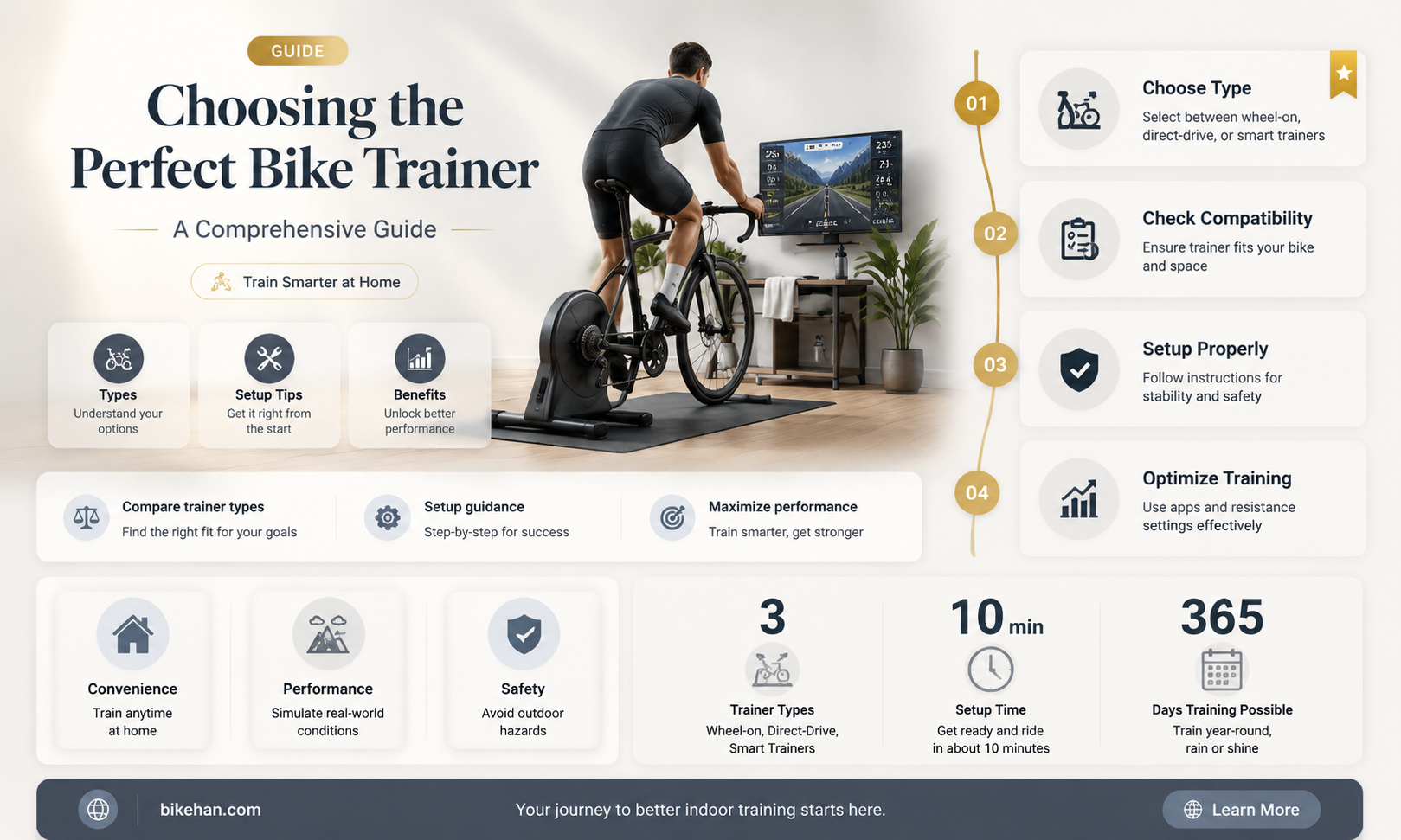
If you're looking to take your cycling training to the next level, investing in a bike trainer is an excellent idea. Bike trainers allow you to ride your bike indoors, providing a controlled environment for workouts regardless of weather conditions or time of day. But with so many types of bike trainers on the market, it can be challenging to decide which one is right for you. In this guide, we'll explore the different kinds of bike trainers available, their features, and their benefits to help you make an informed decision. Whether you're a beginner or an experienced cyclist, we've got you covered. So, let's dive in and find the perfect bike trainer for your needs!
Explore related products


What You'll Learn
- Types of Bike Trainers: Overview of different trainer types (e.g., direct drive, wheel-on, rollers)
- Budget Considerations: Guidance on selecting a trainer based on budget constraints and value for money
- Compatibility: Information on ensuring the trainer is compatible with your bike (e.g., wheel size, axle type)
- Noise Levels: Comparison of noise levels among different trainers for indoor cycling comfort
- Resistance and Features: Details on resistance mechanisms (e.g., magnetic, air) and additional features like Bluetooth connectivity

Types of Bike Trainers: Overview of different trainer types (e.g., direct drive, wheel-on, rollers)
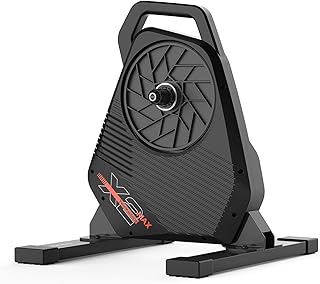
Direct drive bike trainers are a popular choice among indoor cyclists due to their stability and realistic riding feel. These trainers connect directly to the bike's drivetrain, eliminating the need for a wheel and providing a smooth, quiet ride. They are ideal for high-intensity training sessions and are often used by professional cyclists. However, direct drive trainers tend to be more expensive than other types and may require additional maintenance.
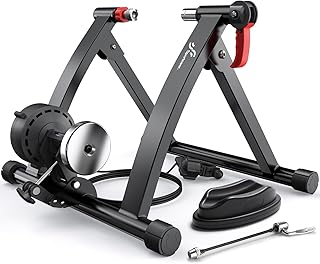
Wheel-on trainers, also known as tire-drive trainers, are a more affordable option that attaches to the bike's rear wheel. These trainers use a roller or drum to create resistance, providing a realistic riding experience. They are easy to set up and compatible with most bikes, making them a popular choice for casual riders and those on a budget. However, wheel-on trainers can be less stable than direct drive trainers and may not provide the same level of resistance.
Rollers are another type of bike trainer that offer a unique riding experience. These trainers consist of two or three rollers that the bike's wheels rest on, allowing for a more natural pedaling motion. Rollers are great for improving balance and bike handling skills, as they require the rider to maintain stability while pedaling. However, they can be more challenging to use than other types of trainers and may not provide the same level of resistance.
When choosing a bike trainer, it's important to consider your specific needs and preferences. If you're looking for a high-intensity training experience, a direct drive trainer may be the best option. If you're on a budget or looking for a more casual riding experience, a wheel-on trainer or rollers may be a better fit. Ultimately, the best bike trainer for you will depend on your individual goals and riding style.
Choosing the Perfect First Bike for Your 4-Year-Old: A Guide
You may want to see also
Explore related products

$79.99 $179.99



Budget Considerations: Guidance on selecting a trainer based on budget constraints and value for money
When selecting a bike trainer, budget considerations play a crucial role. It's essential to strike a balance between affordability and value for money. Here are some guidelines to help you make an informed decision:
Firstly, assess your budget and determine how much you're willing to spend on a bike trainer. This will help you narrow down your options and focus on trainers within your price range. Keep in mind that while it's important to stay within your budget, investing in a higher-quality trainer may save you money in the long run by reducing the need for frequent replacements or repairs.
Next, consider the features and functionality that are most important to you. For example, do you need a trainer with resistance capabilities, or will a basic stationary trainer suffice? Are you looking for a trainer that can be easily stored away when not in use, or do you have a dedicated space for your training setup? By prioritizing your needs, you can better evaluate the value proposition of different trainers within your budget.
It's also important to consider the durability and build quality of the trainer. While a cheaper trainer may seem like a good deal upfront, it may not last as long as a more expensive option. Look for trainers made from high-quality materials and with a solid construction. Reading reviews and researching the reputation of the manufacturer can also give you insight into the long-term reliability of a particular trainer.
Another factor to consider is the compatibility of the trainer with your bike. Some trainers may require additional adapters or modifications to work with your specific bike model. Make sure to check the compatibility requirements before making a purchase to avoid any unexpected costs or complications.
Finally, don't forget to factor in any additional costs associated with the trainer, such as shipping, taxes, or any necessary accessories. It's important to consider the total cost of ownership when making your decision.
By carefully considering these factors, you can find a bike trainer that not only fits within your budget but also provides the best value for your money. Remember, the goal is to find a trainer that meets your needs, is durable and reliable, and offers a good return on your investment.
Choosing the Perfect Bike for UC Davis: A Comprehensive Guide
You may want to see also
Explore related products


Compatibility: Information on ensuring the trainer is compatible with your bike (e.g., wheel size, axle type)
Ensuring compatibility between your bike and a trainer is crucial for a seamless and effective indoor cycling experience. The first step is to identify the wheel size of your bike, as trainers are often designed to accommodate specific wheel diameters. Common wheel sizes include 26 inches, 27.5 inches, 29 inches, and 700c, with some trainers offering adjustable settings to fit multiple sizes. Next, consider the axle type, as trainers may require a specific axle configuration, such as a thru-axle or a quick-release axle. It's essential to match the trainer's axle compatibility with your bike's axle type to ensure a secure and stable connection.
Another factor to consider is the drivetrain compatibility, particularly if you're using a direct-drive trainer. These trainers connect directly to your bike's drivetrain, so it's important to ensure that the trainer is compatible with your bike's gear system, whether it's a Shimano, SRAM, or Campagnolo setup. Additionally, some trainers may have specific requirements for your bike's frame or fork, so it's important to check these specifications as well.
To ensure compatibility, it's recommended to consult the manufacturer's guidelines for both your bike and the trainer. These guidelines will provide detailed information on the specific requirements and compatibility features of each product. You can also reach out to the manufacturer's customer support for personalized assistance in selecting a compatible trainer for your bike.
In summary, ensuring compatibility between your bike and a trainer involves considering factors such as wheel size, axle type, drivetrain compatibility, and frame/fork specifications. By carefully matching these elements, you can select a trainer that will provide a safe and effective indoor cycling experience tailored to your specific bike setup.
Choosing the Perfect First Bike for Your 3-Year-Old: A Guide
You may want to see also
Explore related products




Noise Levels: Comparison of noise levels among different trainers for indoor cycling comfort
Indoor cycling enthusiasts often overlook the importance of noise levels when selecting a bike trainer. However, the noise produced by a trainer can significantly impact the comfort and enjoyment of indoor riding sessions. A quiet trainer allows riders to focus on their workout without distractions and minimizes disruptions to household members or neighbors.
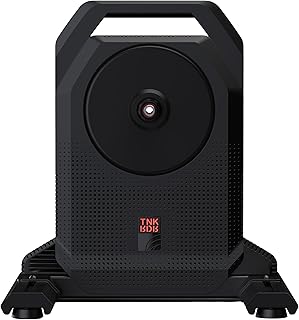
When comparing noise levels among different trainers, it's essential to consider the type of trainer and its construction. Direct-drive trainers, which attach directly to the bike's drivetrain, tend to be quieter than wheel-on trainers. This is because direct-drive trainers eliminate the noise generated by the bike's wheels and tires rolling on a drum. Additionally, trainers with a solid construction and high-quality materials generally produce less noise than those with cheaper components.
Another factor to consider is the resistance mechanism used by the trainer. Magnetic resistance trainers are typically quieter than fluid or air resistance trainers. Magnetic trainers use a magnetic field to create resistance, which results in a smooth and silent ride. In contrast, fluid trainers use a liquid to create resistance, which can produce a sloshing sound, while air trainers generate noise from the airflow required to create resistance.
To minimize noise levels further, riders can take additional steps, such as placing a mat under the trainer to absorb vibrations and reduce noise transmission to the floor. Additionally, using a bike with a quiet drivetrain and well-maintained components can also help to reduce overall noise levels.
In conclusion, when selecting a bike trainer for indoor cycling, it's crucial to consider the noise levels produced by different models. By choosing a quiet trainer and taking additional steps to minimize noise, riders can create a more comfortable and enjoyable indoor riding experience.
Choosing the Perfect Ride: A Guide to Selecting Your Ideal Bicycle
You may want to see also
Explore related products


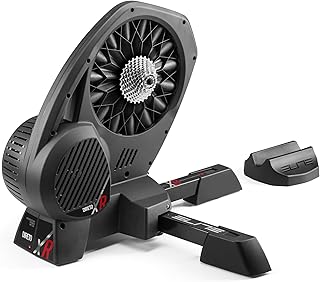


Resistance and Features: Details on resistance mechanisms (e.g., magnetic, air) and additional features like Bluetooth connectivity
Direct-drive trainers are known for their robust resistance mechanisms, often utilizing magnetic or air resistance to provide a realistic cycling experience. Magnetic resistance trainers use a magnetic field to create resistance, which can be adjusted electronically, offering precise control over the intensity of your workout. This type of resistance is quiet and smooth, making it ideal for indoor training. On the other hand, air resistance trainers use a fan to create resistance, which increases as you pedal faster. This provides a more natural feel, as the resistance is directly proportional to your speed, but it can be noisier than magnetic trainers.
In addition to resistance mechanisms, modern bike trainers often come with a range of features to enhance your training experience. Bluetooth connectivity is a common feature, allowing you to connect your trainer to your smartphone, tablet, or computer. This enables you to use training apps, track your progress, and even participate in virtual group rides. Some trainers also offer ANT+ connectivity, which is similar to Bluetooth but specifically designed for fitness devices.
Another important feature to consider is the compatibility of the trainer with your bike. Most trainers come with a standard thru-axle or quick-release adapter, but it's essential to ensure that the trainer is compatible with your bike's axle size and type. Additionally, some trainers offer a cassette compatibility feature, allowing you to use your bike's existing cassette, while others may require a separate cassette.
When choosing a bike trainer, it's also important to consider the maximum resistance level. This is typically measured in watts and can range from around 500 watts to over 2000 watts. If you're a serious cyclist or planning to do high-intensity interval training, you'll want a trainer with a higher maximum resistance level.
Finally, some trainers come with additional features like a built-in heart rate monitor, a cadence sensor, or even a virtual reality experience. These features can add to the overall cost of the trainer but can also provide valuable data and enhance your training experience.
In summary, when choosing a bike trainer, consider the type of resistance mechanism, the features you need, the compatibility with your bike, the maximum resistance level, and any additional features that may enhance your training experience.
Choosing the Perfect Bike for Long-Distance Adventures
You may want to see also
Frequently asked questions
For beginners, a direct-drive bike trainer is often recommended due to its ease of use and stability. It attaches directly to the bike's drivetrain, providing a smooth and quiet ride. Look for models with adjustable resistance to help you build strength and endurance gradually.
To ensure compatibility, check the size and type of your bike's rear wheel and drivetrain. Most trainers accommodate standard wheel sizes, but it's crucial to verify this. Additionally, consider the axle type—some trainers require a thru-axle, while others are compatible with a quick-release skewer.
A direct-drive bike trainer attaches to the bike's drivetrain, removing the need for the rear wheel. This type offers more stability and a smoother ride but can be more expensive. A wheel-on trainer, on the other hand, uses the bike's rear wheel and is typically more affordable and easier to set up, but it may not provide the same level of stability and smoothness as a direct-drive model.