Ryan Cole
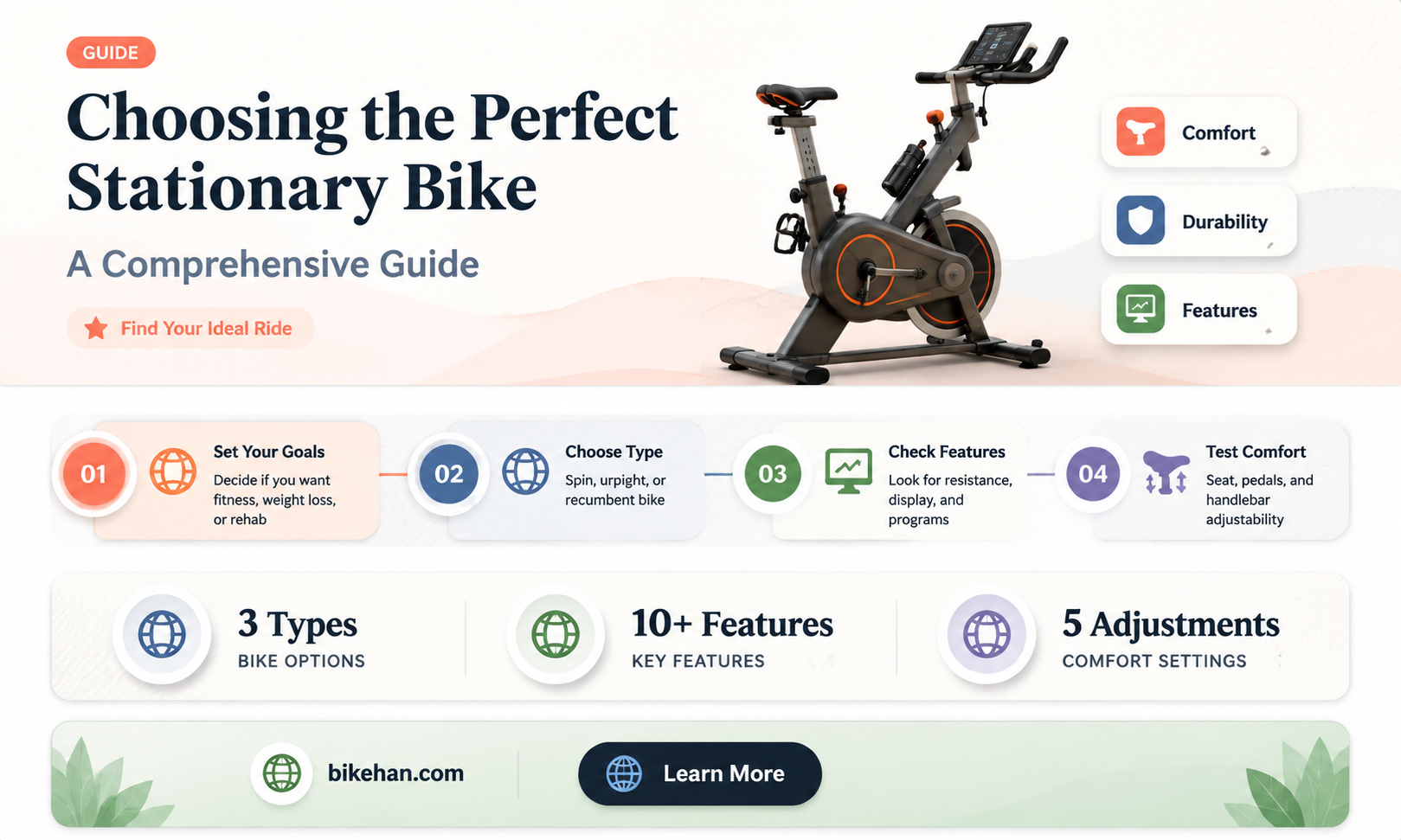
When considering purchasing a stationary bike, it's important to think about your fitness goals, available space, and budget. Stationary bikes come in various types, including upright, recumbent, and spin bikes, each offering different benefits and features. Upright bikes provide a comfortable, low-impact workout that's easy on the joints, while recumbent bikes offer better back support and are ideal for those with mobility issues. Spin bikes, on the other hand, are designed for high-intensity interval training and mimic the feel of riding a road bike. Additionally, you'll want to consider the bike's resistance mechanism, whether it's magnetic, direct contact, or air resistance, as well as any additional features like built-in workout programs, heart rate monitors, or Bluetooth connectivity for tracking your progress.
Explore related products


What You'll Learn
- Budget Considerations: Determine your budget for the stationary bike purchase. Options range from affordable to high-end models
- Space Availability: Assess the space in your home or gym where you'll place the bike. Consider the bike's dimensions and clearance needed
- Resistance Type: Choose between direct contact, magnetic, or air resistance bikes. Each type offers different benefits and noise levels
- Comfort and Adjustability: Look for bikes with adjustable seats, handlebars, and pedals to ensure a comfortable fit for your body
- Additional Features: Decide on desired features like built-in displays, heart rate monitors, or compatibility with fitness apps and virtual classes

Budget Considerations: Determine your budget for the stationary bike purchase. Options range from affordable to high-end models
Before diving into the world of stationary bikes, it's crucial to establish a clear budget. This will help you narrow down your options and ensure you're investing in a bike that meets your needs without breaking the bank. Start by assessing your financial situation and determining how much you're willing to spend on this piece of equipment. Remember, the cost of a stationary bike can vary significantly, from a few hundred to several thousand dollars.
Once you've set a budget, research the different types of stationary bikes available within your price range. You'll likely come across three main categories: air resistance bikes, magnetic resistance bikes, and direct contact bikes. Each type has its own advantages and disadvantages, so consider your specific needs and preferences when making a decision. For example, air resistance bikes tend to be more affordable but can be noisy, while magnetic resistance bikes are quieter but often more expensive.
In addition to the initial cost of the bike, consider ongoing expenses such as maintenance and any additional features you may want to purchase. Some bikes come with built-in workout programs, while others may require you to subscribe to a separate service. Factor these costs into your budget to ensure you're making a well-informed decision.
It's also important to think about the long-term value of your investment. A higher-end bike may cost more upfront, but it could also last longer and provide a better workout experience. On the other hand, a more affordable bike may be a good option if you're new to cycling or don't plan to use it frequently.
Finally, don't forget to consider any potential discounts or promotions that could help you save money on your purchase. Check with retailers, both online and in-store, to see if they're offering any deals on stationary bikes. You may also want to consider purchasing a used bike, which can be a more budget-friendly option.
By carefully considering your budget and the various factors that go into purchasing a stationary bike, you can make a decision that's right for you and your wallet.
Choosing the Perfect Bike Post-Knee Replacement: A Comprehensive Guide
You may want to see also
Explore related products


Space Availability: Assess the space in your home or gym where you'll place the bike. Consider the bike's dimensions and clearance needed
Before bringing a stationary bike into your home or gym, it's crucial to evaluate the available space to ensure a proper fit and safe usage. Start by measuring the area where you intend to place the bike, taking into account the bike's dimensions and the necessary clearance around it. Most stationary bikes require a minimum of 2 feet of clearance on all sides to allow for safe mounting and dismounting, as well as to prevent any accidental collisions with walls or other objects.
In addition to the bike's footprint, consider the height clearance. Stationary bikes can vary significantly in height, especially if they have adjustable features or different user profiles. Measure the ceiling height in the designated area to ensure there's enough room for the bike and its users to operate comfortably without risk of head injury.
If you're planning to place the bike in a home gym, think about the layout and flow of the space. Will the bike be positioned near other equipment, such as a treadmill or weight bench? Ensure there's enough room to move between machines safely and without obstruction. In a home setting, consider the bike's proximity to furniture, doorways, and high-traffic areas to avoid any disruptions or hazards.
For those with limited space, there are compact stationary bike options available that can help maximize your workout area. Folding bikes or those with a smaller footprint can be more suitable for apartments or small rooms. However, even with a compact bike, it's essential to maintain the recommended clearance to ensure safe and effective use.
Lastly, consider the bike's storage requirements when not in use. Some stationary bikes can be folded or have wheels for easy relocation, while others may require a dedicated space. Plan accordingly to ensure you have a convenient and accessible storage solution that fits your needs and available space.
Choosing Your Perfect First Bike: A Comprehensive Guide
You may want to see also
Explore related products


Resistance Type: Choose between direct contact, magnetic, or air resistance bikes. Each type offers different benefits and noise levels
Direct contact resistance bikes are the most traditional type, featuring a physical brake pad that makes contact with the flywheel to create resistance. These bikes are known for their durability and simplicity, but they can be noisy and require more maintenance due to the friction between the brake pad and the flywheel. They are ideal for users who prefer a more realistic cycling feel and are not overly concerned with noise.
Magnetic resistance bikes, on the other hand, use magnets to create resistance without any physical contact. This results in a much quieter workout experience and lower maintenance requirements. Magnetic bikes are also typically lighter and more compact, making them a good choice for those with limited space. However, they can be more expensive than direct contact bikes and may not provide the same level of resistance for high-intensity workouts.
Air resistance bikes are another popular option, utilizing the natural resistance of air to create a challenging workout. These bikes are often more affordable than magnetic bikes and can provide a high level of resistance, making them suitable for intense training sessions. However, they can be quite noisy and may not be the best choice for those living in apartments or shared spaces.
When choosing a resistance type, consider your personal preferences, workout goals, and living situation. If you prioritize a quiet workout environment, magnetic or air resistance bikes may be the best fit. If you're looking for a more realistic cycling experience and don't mind a bit of noise, direct contact resistance bikes could be the way to go. Ultimately, the best resistance type for you will depend on your individual needs and priorities.
Urban Wheels: Choosing the Perfect Bike for Street Biking Adventures
You may want to see also
Explore related products


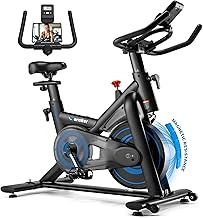
Comfort and Adjustability: Look for bikes with adjustable seats, handlebars, and pedals to ensure a comfortable fit for your body
Ensuring comfort and adjustability is paramount when selecting a stationary bike. Begin by examining the seat adjustability. A good stationary bike should allow you to move the seat both vertically and horizontally to align your hips and knees properly. This alignment is crucial for maintaining a comfortable posture and preventing strain during prolonged workouts. Next, consider the handlebar adjustability. Handlebars that can be raised, lowered, and rotated will enable you to find the optimal position for your arms and shoulders, reducing the risk of discomfort or injury. Finally, adjustable pedals are also important, as they should accommodate different foot sizes and allow for a secure fit. Look for pedals with straps that can be easily adjusted to hold your feet firmly in place.
When trying out a stationary bike, take note of how easily you can make these adjustments. The mechanisms should be smooth and straightforward to use, allowing you to quickly find your ideal settings. Additionally, consider the overall build quality of the bike. A well-constructed frame will provide stability and durability, ensuring that the bike remains comfortable and safe to use over time. It's also worth looking for bikes with ergonomic features, such as padded seats and grips, which can further enhance comfort during your workouts.
Another aspect to consider is the bike's resistance mechanism. While not directly related to adjustability, a smooth and consistent resistance system is essential for a comfortable and effective workout. Magnetic resistance bikes, for example, tend to offer a quieter and more stable ride compared to direct-contact bikes, which can be beneficial for maintaining comfort during intense training sessions.
In summary, prioritizing comfort and adjustability when choosing a stationary bike is crucial for ensuring a safe and enjoyable workout experience. By carefully evaluating the adjustability features, build quality, and resistance mechanism, you can find a bike that meets your specific needs and preferences, ultimately leading to more effective and enjoyable exercise sessions.
Choosing the Perfect First Bike for Your 3-Year-Old: A Guide
You may want to see also
Explore related products


Additional Features: Decide on desired features like built-in displays, heart rate monitors, or compatibility with fitness apps and virtual classes
When selecting a stationary bike, considering additional features can significantly enhance your workout experience. Built-in displays are a common feature that provides real-time feedback on your performance, including speed, distance, and calories burned. This can be particularly motivating for those who enjoy tracking their progress. Heart rate monitors are another valuable addition, allowing you to monitor your cardiovascular effort and ensure you're working out within your target heart rate zone. For those who prefer a more interactive experience, compatibility with fitness apps and virtual classes can offer a wide range of workout options and the ability to connect with a community of fellow fitness enthusiasts.
Some stationary bikes also come with pre-set workout programs, which can be beneficial for those who need guidance or variety in their exercise routine. These programs often simulate different terrains and resistance levels, providing a more engaging and challenging workout. Additionally, features like adjustable resistance and incline can help mimic the feel of riding on different surfaces, further enhancing the realism of your indoor cycling experience.
When evaluating these features, it's essential to consider your personal fitness goals and preferences. If you're a serious cyclist looking to train for competition, you may prioritize features like accurate resistance and compatibility with advanced training apps. On the other hand, if you're a beginner or casual rider, you might prefer a more user-friendly interface and a variety of pre-set programs to help you get started.
Ultimately, the right stationary bike for you will depend on your individual needs and budget. By carefully considering the additional features that matter most to you, you can find a bike that not only meets your fitness goals but also provides an enjoyable and engaging workout experience.
Choosing the Perfect Electric Bike: A Comprehensive Guide
You may want to see also
Frequently asked questions
For beginners, an upright exercise bike is often recommended due to its comfortable seating position and ease of use. These bikes provide a low-impact workout and are suitable for those new to cycling or looking for a gentle exercise option.
When choosing between a direct-contact and magnetic resistance stationary bike, consider your preferences for noise and maintenance. Direct-contact bikes tend to be quieter but require more maintenance due to their mechanical parts. In contrast, magnetic resistance bikes are generally louder but offer a smoother ride and require less upkeep.
When selecting a stationary bike for a home gym, look for features such as adjustable resistance levels, a comfortable and adjustable seat, handlebars with built-in heart rate monitors, and a display console to track your workout metrics. Additionally, consider the bike's size and weight to ensure it fits well in your space and is easy to move if needed.