Megan Blake
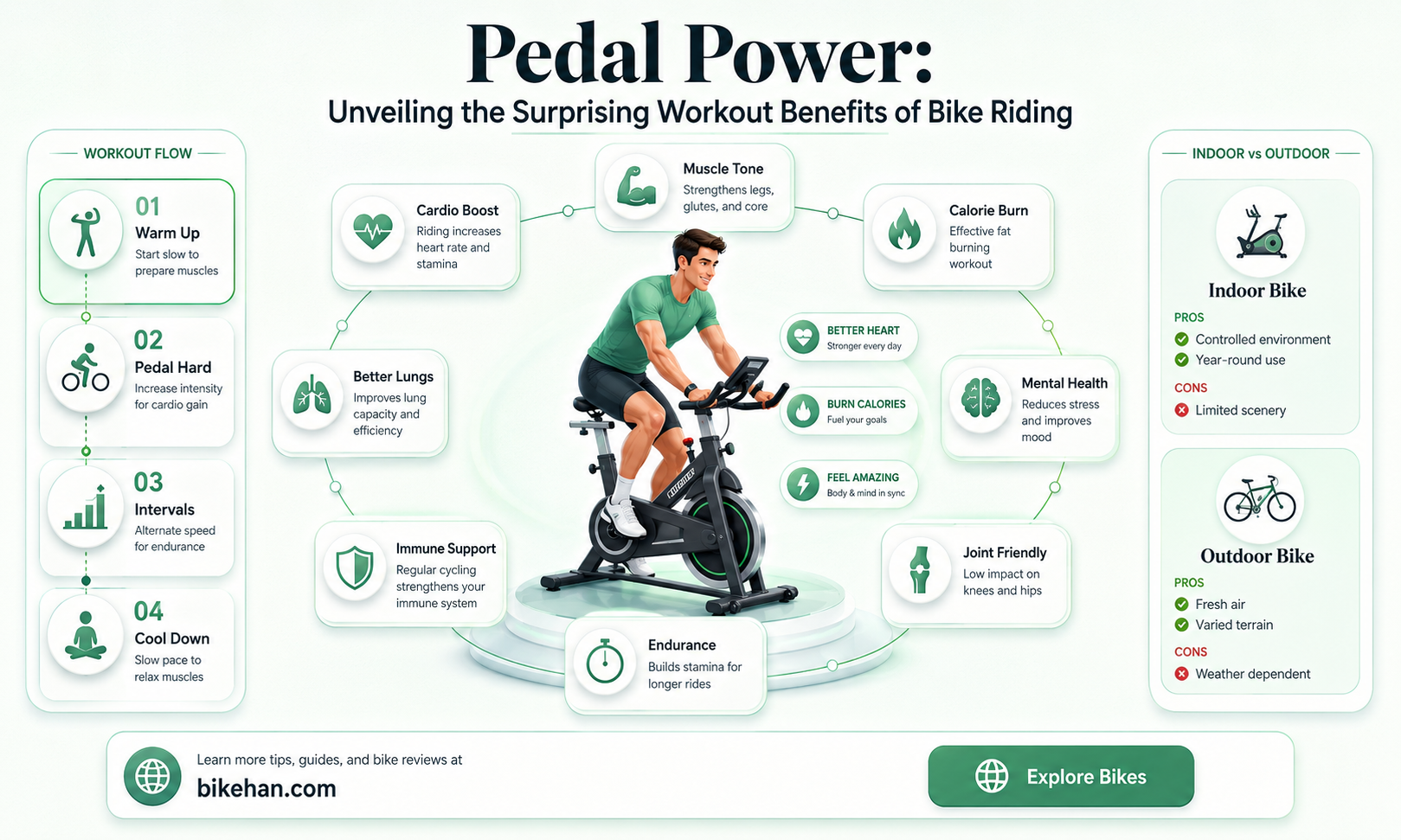
Bike riding offers a comprehensive workout that engages multiple muscle groups and provides numerous health benefits. It is an excellent form of cardiovascular exercise, improving heart health and increasing endurance. Regular cycling can also help with weight management, as it burns a significant number of calories. Additionally, biking strengthens the lower body muscles, particularly the quadriceps, hamstrings, glutes, and calves. The continuous pedaling motion also works the core muscles, enhancing stability and balance. Furthermore, cycling is a low-impact exercise, making it suitable for people of all ages and fitness levels, including those with joint issues. Overall, incorporating bike riding into your fitness routine can lead to improved physical health and well-being.
Explore related products


What You'll Learn
- Cardiovascular benefits: Bike riding improves heart health, increases endurance, and boosts overall cardiovascular fitness
- Muscle engagement: Cycling works various muscle groups, including legs, glutes, and core, providing a full-body workout
- Calorie burn: Bike riding can burn a significant number of calories, aiding in weight loss and weight management
- Mental health benefits: Cycling reduces stress, improves mood, and enhances overall mental well-being through physical activity
- Joint health: Bike riding is a low-impact exercise, making it easier on joints compared to high-impact activities like running

Cardiovascular benefits: Bike riding improves heart health, increases endurance, and boosts overall cardiovascular fitness
Regular bike riding is a powerful tool for enhancing cardiovascular health. The aerobic nature of cycling gets your heart pumping, which in turn improves its efficiency and strength. Over time, this can lead to a reduced risk of heart disease, lower blood pressure, and improved circulation. In fact, studies have shown that cycling can increase cardiovascular fitness by up to 30% in just a few months.
One of the key benefits of bike riding is its ability to increase endurance. As you cycle, your muscles demand more oxygen, which forces your heart and lungs to work harder. This increased demand leads to adaptations in your cardiovascular system, allowing you to sustain physical activity for longer periods. Additionally, cycling helps to build muscular endurance, particularly in the lower body, which can further enhance your overall fitness level.
Bike riding also offers a low-impact alternative to other forms of cardiovascular exercise, making it an excellent option for individuals with joint issues or those recovering from injuries. Unlike running or high-impact aerobics, cycling is gentle on the joints, reducing the risk of injury while still providing a challenging workout. This makes it an ideal choice for people of all ages and fitness levels looking to improve their cardiovascular health.
To maximize the cardiovascular benefits of bike riding, it's important to maintain a consistent exercise routine. Aim for at least 30 minutes of moderate-intensity cycling per day, five days a week. You can also incorporate interval training, which involves alternating between periods of high-intensity effort and recovery, to further challenge your cardiovascular system and improve your overall fitness.
In conclusion, bike riding is a highly effective way to improve cardiovascular health, increase endurance, and boost overall fitness. By incorporating cycling into your regular exercise routine, you can reap the benefits of a stronger, healthier heart and a more resilient cardiovascular system.
Choosing the Perfect Bike for Long-Distance Adventures
You may want to see also
Explore related products
$21.95 $21.95


Muscle engagement: Cycling works various muscle groups, including legs, glutes, and core, providing a full-body workout
Cycling is a highly effective form of exercise that engages multiple muscle groups simultaneously, offering a comprehensive full-body workout. The primary muscles activated during cycling include the quadriceps, hamstrings, glutes, and calves in the lower body. These muscles work in unison to power the pedals and maintain balance, resulting in increased strength, endurance, and muscle tone.
In addition to the lower body, cycling also engages the core muscles, including the abdominals and lower back. These muscles are crucial for maintaining proper posture and stability while riding, helping to prevent injury and improve overall performance. The core engagement during cycling is particularly beneficial for developing a strong, stable midsection, which is essential for many daily activities and other forms of exercise.
Furthermore, cycling can also provide a mild upper body workout, primarily through the use of the arms and shoulders to maintain balance and control the handlebars. While the upper body engagement is not as intense as the lower body and core, it still contributes to the overall full-body nature of the workout.
One of the key benefits of cycling is its low-impact nature, which makes it an excellent option for individuals of all ages and fitness levels. Unlike high-impact exercises that can put stress on the joints, cycling is gentle on the knees, hips, and ankles, reducing the risk of injury while still providing a challenging and effective workout.
In conclusion, cycling is a versatile and efficient form of exercise that offers a full-body workout by engaging multiple muscle groups, including the legs, glutes, core, and upper body. Its low-impact nature makes it an ideal choice for individuals looking to improve their overall fitness and health without putting undue stress on their joints.
Choosing the Perfect Bike for Burning Man: A Comprehensive Guide
You may want to see also
Explore related products



Calorie burn: Bike riding can burn a significant number of calories, aiding in weight loss and weight management
Bike riding is an effective way to burn calories and aid in weight loss and weight management. The number of calories burned during a bike ride depends on several factors, including the rider's weight, the intensity of the ride, and the duration of the activity. On average, a person weighing 155 pounds can burn approximately 596 calories per hour of moderate-intensity cycling, while a person weighing 185 pounds can burn up to 710 calories per hour.
One of the benefits of bike riding is that it can be easily adjusted to fit different fitness levels and goals. For example, a beginner can start with short, low-intensity rides and gradually increase the duration and intensity as their fitness improves. This makes bike riding a versatile workout option that can be tailored to individual needs.
In addition to burning calories, bike riding also provides other health benefits, such as improving cardiovascular health, building muscle strength, and increasing flexibility. It is a low-impact exercise that is easy on the joints, making it a suitable option for people of all ages and fitness levels.
To maximize calorie burn during a bike ride, it is important to maintain a consistent pace and avoid taking long breaks. Incorporating interval training, where the rider alternates between periods of high and low intensity, can also help to increase calorie burn. Additionally, riding uphill or on rough terrain can provide a more challenging workout and help to build endurance.
Overall, bike riding is a fun and effective way to burn calories and improve overall fitness. By incorporating regular bike rides into a workout routine, individuals can achieve their weight loss and weight management goals while also enjoying the many other health benefits that cycling has to offer.
Choosing the Right CO2 Bike Pump: A Comprehensive Guide
You may want to see also
Explore related products

$6.95 $19.95



Mental health benefits: Cycling reduces stress, improves mood, and enhances overall mental well-being through physical activity
Cycling is not just a physical exercise; it's also a powerful tool for improving mental health. The rhythmic motion of pedaling, combined with the exposure to fresh air and natural surroundings, can significantly reduce stress levels. This is due to the release of endorphins, the body's natural mood elevators, which help to alleviate anxiety and promote a sense of well-being.
Moreover, cycling can improve mood by providing a sense of accomplishment and boosting self-esteem. Setting and achieving cycling goals, whether it's covering a certain distance or tackling a challenging route, can foster a positive mindset and enhance overall mental resilience. The social aspect of cycling, whether it's joining a local cycling club or simply riding with friends, can also contribute to improved mood by fostering connections and reducing feelings of isolation.
In addition to stress reduction and mood improvement, cycling can enhance overall mental well-being by improving sleep quality, increasing energy levels, and reducing symptoms of depression. Regular physical activity, such as cycling, has been shown to improve sleep patterns, leading to better rest and recovery. This, in turn, can increase energy levels, making it easier to tackle daily tasks and challenges. Furthermore, studies have shown that cycling can reduce symptoms of depression by up to 26%, making it a valuable adjunct to traditional treatments.
To maximize the mental health benefits of cycling, it's important to make it a regular part of your routine. Aim for at least 30 minutes of cycling per day, five days a week. Varying your cycling routine, such as trying different routes or incorporating interval training, can also help to keep things interesting and prevent boredom. Additionally, combining cycling with other stress-reducing activities, such as meditation or yoga, can further enhance the mental health benefits.
In conclusion, cycling offers a wide range of mental health benefits, from stress reduction and mood improvement to enhanced overall well-being. By incorporating cycling into your regular routine and combining it with other stress-reducing activities, you can experience the transformative power of this simple yet effective form of exercise.
Choosing Your Perfect First Bike: A Comprehensive Guide
You may want to see also
Explore related products

$149.99 $199.99


$27.3 $60


Joint health: Bike riding is a low-impact exercise, making it easier on joints compared to high-impact activities like running
Bike riding is a low-impact exercise that offers numerous benefits for joint health. Unlike high-impact activities such as running, which can put significant stress on the joints, cycling provides a gentler workout that is easier on the knees, hips, and ankles. This makes it an ideal option for individuals who are looking to improve their cardiovascular fitness and build strength without risking joint damage or exacerbating existing conditions like arthritis.
One of the key advantages of bike riding is that it allows for a full-body workout while minimizing the impact on weight-bearing joints. The smooth, circular motion of pedaling helps to lubricate the joints and improve flexibility, while also strengthening the surrounding muscles and ligaments. This can lead to increased stability and reduced pain, making cycling a popular choice for those with joint issues or those who are recovering from injuries.
In addition to its low-impact nature, bike riding is also a highly customizable form of exercise. By adjusting the resistance, speed, and duration of the ride, individuals can tailor their workout to their specific needs and fitness levels. This makes it possible to achieve a range of health benefits, from improved cardiovascular function to increased muscle tone, without putting undue stress on the joints.
Furthermore, cycling can be an enjoyable and social activity, which can help to motivate individuals to maintain a regular exercise routine. Whether riding alone, with friends, or as part of a group, the sense of community and camaraderie that comes with cycling can make it a more engaging and sustainable form of exercise. This, in turn, can lead to long-term improvements in joint health and overall well-being.
In conclusion, bike riding is a low-impact exercise that offers a range of benefits for joint health. By providing a gentle, full-body workout that is easy on the joints, cycling can be an ideal option for individuals looking to improve their fitness without risking joint damage. With its customizable nature and social aspects, bike riding can be a fun and effective way to maintain a healthy, active lifestyle.
Choosing the Perfect Bike for Seattle: A Comprehensive Guide
You may want to see also
Frequently asked questions
Bike riding provides a comprehensive cardiovascular workout that strengthens the heart and lungs, improving overall endurance.
Yes, cycling primarily targets the lower body muscles, including the quadriceps, hamstrings, glutes, and calves. It also engages the core muscles for stability.
The intensity of cycling can significantly impact the workout. Higher intensity rides can increase calorie burn, improve cardiovascular fitness, and build muscle strength more effectively than low-intensity rides.
Yes, cycling is generally considered a low-impact exercise because it is gentle on the joints, making it suitable for people of all ages and fitness levels, including those with joint issues.