Lauren Kennedy
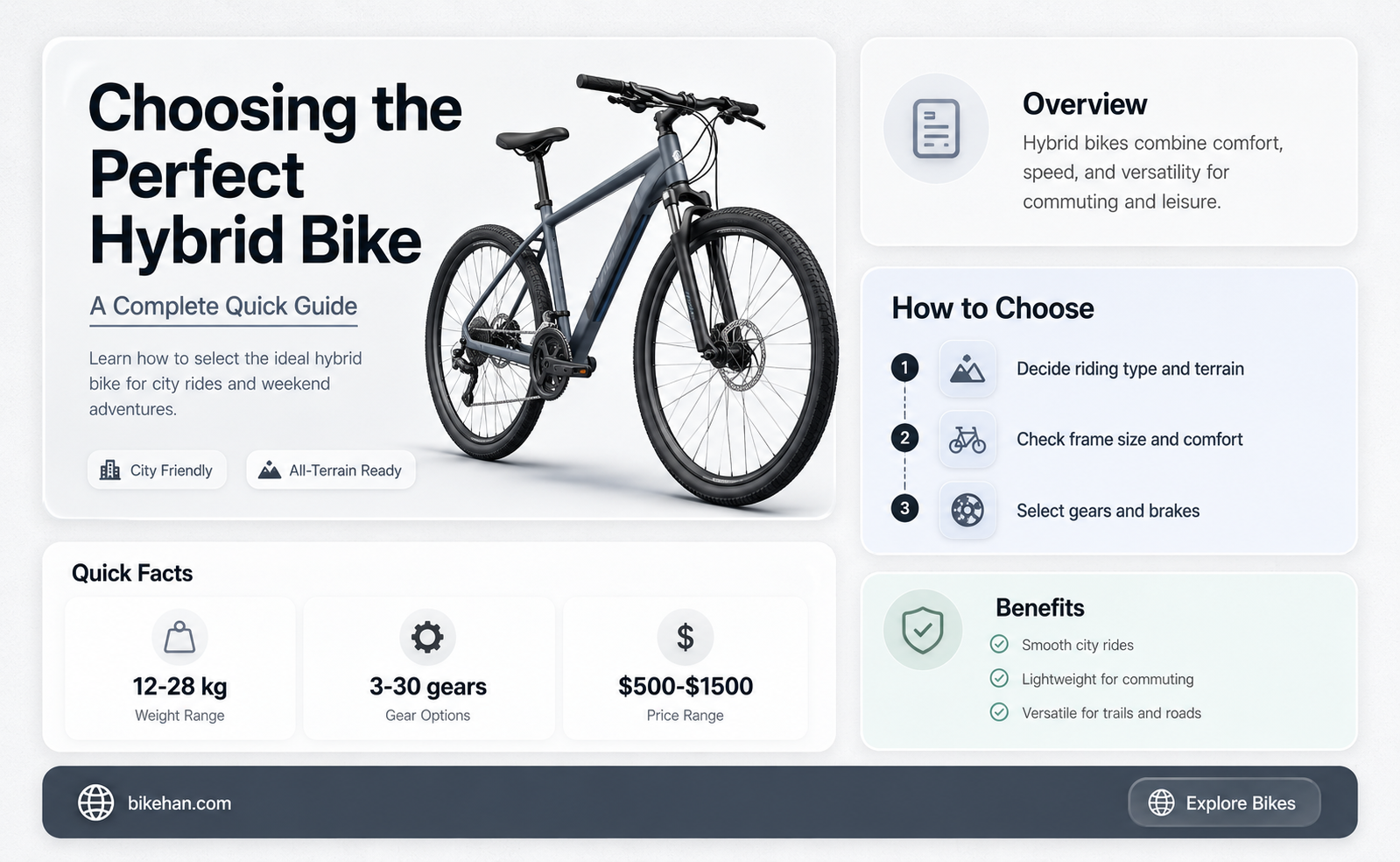
When considering purchasing a hybrid bike, it's essential to understand the various types available and their specific features to make an informed decision. Hybrid bikes are versatile and designed to handle a mix of terrains, making them ideal for both urban commuting and light off-road trails. They typically feature a lightweight frame, comfortable riding position, and a range of gears to tackle different inclines. Some hybrids are equipped with suspension forks for added comfort on rough surfaces, while others have thinner tires for improved speed and efficiency on paved roads. Additionally, many hybrid bikes come with practical accessories like mudguards, racks, and lights, enhancing their utility for daily use. To choose the right hybrid bike, consider your primary riding environment, the type of terrain you'll encounter, and your personal comfort preferences.
Explore related products


What You'll Learn
- Purpose and Usage: Consider how you'll use the bike—commuting, fitness, or leisure riding
- Frame Material: Choose between aluminum, steel, or carbon fiber based on durability and weight preferences
- Wheel Size: Decide on wheel size (26, 27.5, or 29) for different riding conditions and comfort
- Gearing System: Select a suitable gearing system (single-speed, 7-speed, etc.) based on terrain and fitness level
- Suspension: Determine if you need front suspension for shock absorption on rough roads or trails

Purpose and Usage: Consider how you'll use the bike—commuting, fitness, or leisure riding
When selecting a hybrid bike, it's crucial to consider your primary purpose for using it. Are you planning to commute to work, embark on fitness routines, or enjoy leisurely rides? Each of these uses has specific requirements that will influence the type of hybrid bike you should choose.
For commuting, you'll want a bike that is durable and efficient. Look for models with a lightweight frame and reliable components that can handle the wear and tear of daily use. Features such as fenders, lights, and a rear rack for carrying bags or groceries are also essential for a commuter bike. Additionally, consider the terrain you'll be riding on; if your route includes rough roads or trails, a bike with wider tires and good suspension will provide a more comfortable ride.
If fitness is your primary goal, you'll need a bike that can keep up with your workout regimen. Hybrid fitness bikes typically have a more aggressive riding position, which allows for better power transfer and speed. They often come with narrower tires for reduced rolling resistance and may include features such as a heart rate monitor or compatibility with fitness apps. When choosing a fitness hybrid, consider your fitness level and the type of workouts you plan to do, as this will help you select a bike that meets your specific needs.
For leisure riding, comfort and versatility are key. Look for a hybrid bike with a comfortable saddle, ergonomic handlebars, and a relaxed riding position. These bikes often come with features such as a suspension fork to absorb shocks from uneven surfaces and may have a wider range of gears to handle various terrains. Additionally, consider the type of leisure activities you plan to engage in; for example, if you enjoy riding on trails, a bike with more robust tires and a durable frame will be more suitable.
In conclusion, understanding your intended use for the hybrid bike will help you narrow down your options and select a model that is best suited for your needs. Whether you're commuting, focusing on fitness, or enjoying leisurely rides, there's a hybrid bike out there that can meet your specific requirements.
Pedal to Fitness: Choosing the Perfect Bike for Weight Loss
You may want to see also
Explore related products


Frame Material: Choose between aluminum, steel, or carbon fiber based on durability and weight preferences
Aluminum frames are a popular choice for hybrid bikes due to their lightweight nature and corrosion resistance. They are ideal for riders who prioritize speed and agility, as well as those who may need to carry their bike up stairs or onto public transportation. However, aluminum frames can be less durable than steel or carbon fiber, and they may not provide the same level of comfort on rough terrain.
Steel frames, on the other hand, offer superior durability and strength. They are well-suited for riders who plan to use their hybrid bike for commuting or light touring, as they can withstand the rigors of daily use and varied road conditions. Steel frames are also more comfortable on longer rides, as they provide a smoother ride quality. However, they are heavier than aluminum frames, which can make them more challenging to maneuver in tight spaces or when climbing hills.
Carbon fiber frames are the lightest and most advanced option for hybrid bikes. They offer the best of both worlds in terms of durability and weight, making them ideal for serious cyclists who want a high-performance bike that can handle a variety of terrains. Carbon fiber frames are also more aerodynamic than aluminum or steel frames, which can provide an additional advantage for riders who prioritize speed. However, they are typically the most expensive option, and they may not be necessary for casual riders.
When choosing a frame material, it's important to consider your riding style, preferences, and budget. If you prioritize speed and agility, aluminum may be the best choice. If you need a durable and comfortable bike for commuting or touring, steel may be a better option. And if you're looking for a high-performance bike that can handle a variety of terrains, carbon fiber may be the way to go.
Choosing the Right CO2 Bike Pump: A Comprehensive Guide
You may want to see also
Explore related products


Wheel Size: Decide on wheel size (26, 27.5, or 29) for different riding conditions and comfort
Choosing the right wheel size for a hybrid bike is crucial as it affects the bike's performance, comfort, and suitability for different riding conditions. The three common wheel sizes for hybrid bikes are 26 inches, 27.5 inches, and 29 inches. Each size has its own advantages and is best suited for specific types of riding.
For urban commuting and casual riding on paved surfaces, 26-inch wheels are often the preferred choice. They provide a good balance between maneuverability and speed, making it easier to navigate through city streets and tight spaces. Additionally, 26-inch wheels tend to be more durable and less prone to damage from potholes and other urban obstacles.
If you plan to ride on a mix of paved and unpaved surfaces, 27.5-inch wheels might be a better option. These wheels offer a slightly larger diameter than 26-inch wheels, which helps to roll over obstacles more easily. They also provide a bit more speed and stability, making them suitable for longer rides and varied terrain.
For off-road adventures and rough terrain, 29-inch wheels are the way to go. These wheels have the largest diameter of the three options, which allows them to tackle obstacles with greater ease. They also provide a smoother ride over bumpy surfaces and offer better traction on loose or uneven terrain. However, 29-inch wheels can make the bike feel taller and less maneuverable in tight spaces.
When deciding on wheel size, it's important to consider your riding style, the type of terrain you'll be riding on, and your personal comfort preferences. Test riding different wheel sizes can help you determine which one feels best for you. Remember, the right wheel size can make a significant difference in your overall riding experience.
Choosing the Perfect Diamondback Bike: A Comprehensive Guide
You may want to see also
Explore related products


Gearing System: Select a suitable gearing system (single-speed, 7-speed, etc.) based on terrain and fitness level
When selecting a gearing system for your hybrid bike, it's crucial to consider both the terrain you'll be riding on and your current fitness level. For flat, urban environments, a single-speed or 3-speed gearing system might suffice, offering simplicity and low maintenance. However, if you plan to tackle varied terrain, including hills or off-road trails, a more complex gearing system like a 7-speed or 21-speed setup will provide the necessary range to handle different inclines and riding conditions.
Your fitness level also plays a significant role in gearing system selection. Beginners or those looking for a more leisurely ride might prefer a bike with a wider range of gears, allowing for easier pedaling on challenging sections. On the other hand, experienced cyclists or those seeking a more intense workout might opt for a bike with fewer gears, encouraging a higher cadence and more efficient pedaling technique.
Another factor to consider is the type of riding you'll be doing. For commuting or casual rides, a simpler gearing system might be ideal, while for fitness training or competitive cycling, a more sophisticated setup could be beneficial. Additionally, the weight and durability of the gearing system should be taken into account, as these can impact the overall performance and longevity of your hybrid bike.
In summary, choosing the right gearing system for your hybrid bike involves a careful balance of terrain, fitness level, riding style, and practical considerations. By selecting a gearing system that aligns with your specific needs and preferences, you can enhance your riding experience and ensure that your hybrid bike performs optimally in a variety of conditions.
Choosing the Perfect E-Bike: A Comprehensive Guide for Beginners
You may want to see also
Explore related products






Suspension: Determine if you need front suspension for shock absorption on rough roads or trails
Front suspension on a hybrid bike can significantly enhance your riding experience, especially on rough roads or trails. The primary function of front suspension is to absorb shocks from uneven surfaces, reducing the impact on your arms and shoulders. This can lead to a more comfortable ride and better control over your bike.
To determine if you need front suspension, consider the type of terrain you'll be riding on most frequently. If you plan to ride on smooth, paved roads, front suspension may not be necessary and could even add unnecessary weight to your bike. However, if you anticipate riding on gravel, dirt paths, or trails with roots and rocks, front suspension can be a valuable addition.
There are two main types of front suspension systems: hardtail and full suspension. Hardtail suspension only absorbs shocks from the front wheel, while full suspension absorbs shocks from both the front and rear wheels. For hybrid bikes, hardtail suspension is more common and typically sufficient for most riders.
When choosing a hybrid bike with front suspension, consider the travel distance of the suspension fork. Travel distance refers to how much the fork can move up and down. A longer travel distance can provide better shock absorption on rough terrain, but may also make the bike less responsive on smooth surfaces.
Another factor to consider is the lockout mechanism. Some front suspension forks come with a lockout feature that allows you to disable the suspension when riding on smooth surfaces. This can help improve pedaling efficiency and reduce rolling resistance.
Ultimately, the decision to include front suspension on your hybrid bike depends on your specific riding needs and preferences. If you prioritize comfort and control on rough terrain, front suspension can be a worthwhile investment. However, if you primarily ride on smooth roads, you may not need the added weight and complexity of a suspension system.
Choosing the Perfect Bike Trainer: A Comprehensive Guide
You may want to see also
Frequently asked questions
For city commuting, a comfort or upright hybrid bike is ideal. These bikes offer a comfortable riding position, wider tires for a smoother ride over potholes, and often come equipped with features like fenders and racks for carrying gear.
A performance or road-oriented hybrid bike is suitable for both road and light trail riding. These bikes have a more aggressive riding position, thinner tires for efficiency on pavement, and a lightweight frame that can handle light off-road conditions.
When choosing a hybrid bike for fitness, consider a model with a lightweight frame, efficient gearing system, and thin tires for speed and agility. Additionally, look for a bike with a comfortable saddle and ergonomic handlebars to ensure a pleasant riding experience during longer workouts.