Matthew Brooks
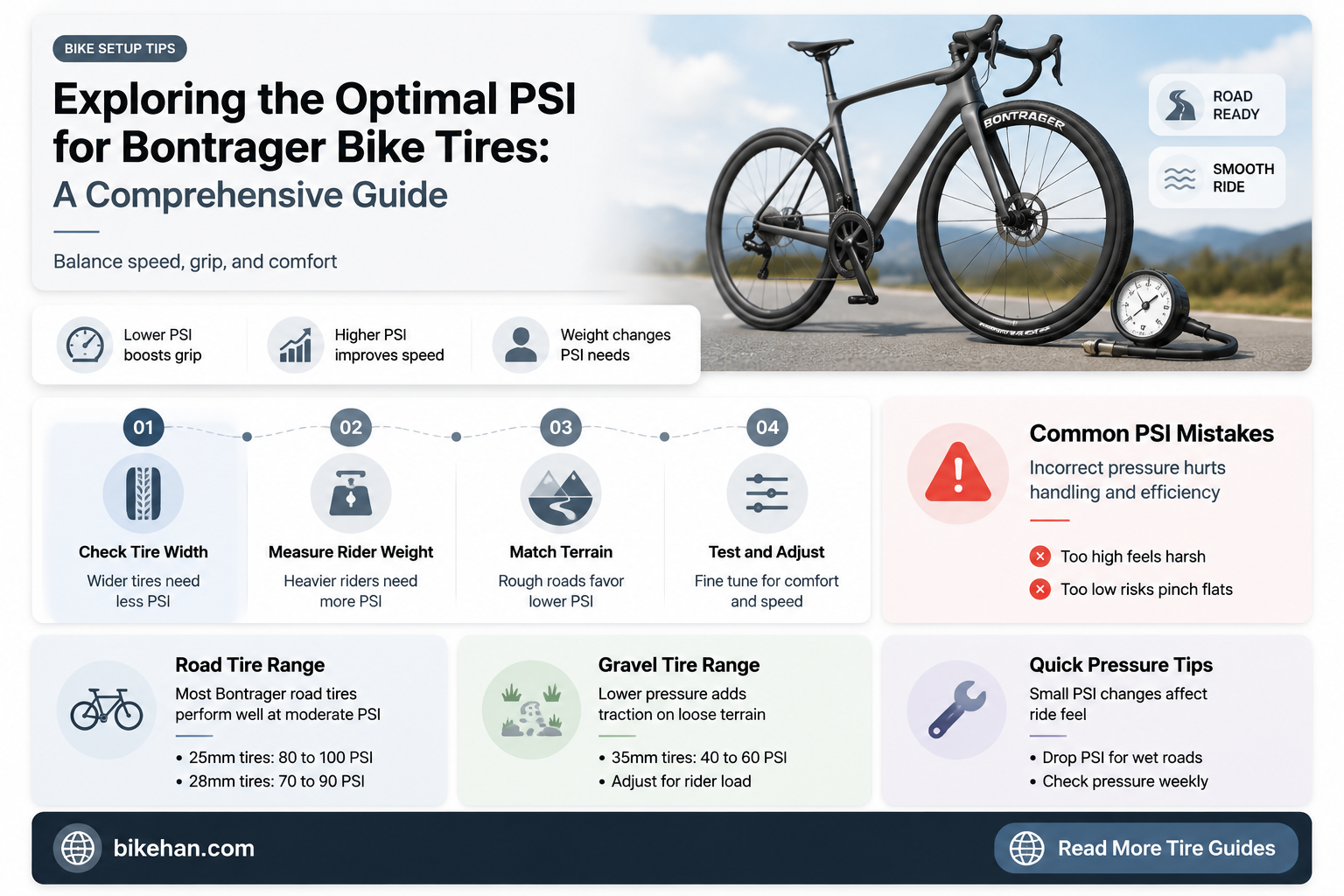
The psi (pounds per square inch) of a Bontrager bike tire refers to the recommended air pressure for optimal performance and safety. Bontrager, a well-known brand in the cycling industry, designs tires for various types of bicycles, including road, mountain, and hybrid bikes. The ideal psi for a Bontrager tire depends on several factors, such as the type of bike, the rider's weight, and the riding conditions. For instance, road bike tires typically require higher pressures (around 80-120 psi) for smoother rides and better speed, while mountain bike tires need lower pressures (around 30-50 psi) for improved traction and shock absorption on rough terrains. It's crucial to follow the manufacturer's recommendations to ensure the tire's longevity, optimal performance, and rider safety.
Explore related products


What You'll Learn

Understanding tire pressure
Proper tire pressure is crucial for both the performance and safety of your Bontrager bike. The recommended psi (pounds per square inch) for Bontrager tires varies depending on the specific model and the type of riding you'll be doing. For instance, road bike tires typically require higher pressures, ranging from 80 to 120 psi, to reduce rolling resistance and improve speed. Mountain bike tires, on the other hand, usually need lower pressures, between 30 to 50 psi, to enhance traction and absorb shocks from rough terrain.
To determine the exact psi for your Bontrager bike tire, consult the manufacturer's recommendations, which are often printed on the tire's sidewall or provided in the product manual. It's also important to consider factors such as rider weight, riding conditions, and personal preference when adjusting tire pressure. For example, heavier riders may need to inflate their tires to a higher psi to prevent pinch flats, while lighter riders can often get away with lower pressures for a smoother ride.
Regularly checking and adjusting your tire pressure is essential for maintaining optimal performance and safety. Underinflated tires can lead to increased rolling resistance, reduced speed, and a higher risk of punctures. Overinflated tires, on the other hand, can result in a harsher ride, decreased traction, and an increased likelihood of rim damage. To ensure accurate pressure readings, invest in a high-quality floor pump or hand pump with a gauge, and check your tires at least once a week, or more frequently if you ride in varying conditions.
In addition to improving performance and safety, maintaining proper tire pressure can also extend the life of your Bontrager bike tires. Underinflated tires are more prone to wear and tear, as they flex more under load, which can lead to premature sidewall cracking and tread wear. Overinflated tires, while less susceptible to wear, can still suffer from reduced traction and increased risk of rim damage, which can ultimately shorten the life of the tire.
Finally, it's worth noting that tire pressure can also affect the overall handling and comfort of your Bontrager bike. Properly inflated tires can help improve cornering stability, reduce vibration, and provide a smoother ride. Experimenting with different pressure settings can help you find the perfect balance between performance, comfort, and safety for your specific riding style and conditions.
Unpoppable: The Quest for the Ultimate Puncture-Resistant Bike Tire
You may want to see also
Explore related products


Bontrager tire specifications
Bontrager, a renowned brand in the cycling industry, offers a wide range of tires designed for various terrains and riding conditions. Each tire model comes with specific recommendations for inflation pressure, measured in pounds per square inch (PSI). Understanding these specifications is crucial for optimal performance, safety, and longevity of the tires.
For road tires, Bontrager typically recommends a higher PSI to reduce rolling resistance and improve speed. For instance, their Aeolus Comp road tire is designed to be inflated between 110-120 PSI for the front tire and 115-125 PSI for the rear tire. This higher pressure helps in achieving a smoother ride and better handling on paved surfaces.
In contrast, mountain bike tires require lower PSI to absorb shocks and provide better traction on rough terrains. Bontrager's SE4 Team Issue mountain tire, for example, is recommended to be inflated between 30-50 PSI. This lower pressure allows the tire to conform better to the terrain, offering improved grip and control.
Hybrid and commuter tires often fall somewhere in between, with PSI recommendations that balance comfort, speed, and durability. For instance, the Bontrager H1 Comp hybrid tire is designed for an inflation pressure of 80-100 PSI, making it versatile for both city commuting and light off-road use.
It's important to note that these are general guidelines, and the optimal PSI may vary depending on factors such as rider weight, riding style, and specific conditions. Cyclists should always refer to the manufacturer's recommendations for their specific tire model and adjust the inflation pressure accordingly to ensure the best possible performance and safety.
Revolutionizing Winter Rides: The Ultimate Snow Bike Tire Unveiled
You may want to see also
Explore related products


PSI measurement tools
To accurately measure the PSI of a Bontrager bike tire, you'll need the right tools. A digital tire pressure gauge is one of the most convenient options. These gauges provide quick, precise readings and are easy to use. Simply attach the gauge to the tire's valve stem and press the button to get an instant PSI measurement. Some digital gauges even have features like backlighting for low-light conditions and the ability to switch between different units of measurement.
Another option is an analog tire pressure gauge. These gauges are typically more affordable and don't require batteries. To use an analog gauge, attach it to the valve stem and read the PSI measurement from the dial. Keep in mind that analog gauges may not be as accurate as digital ones, and they can be more difficult to read, especially for those with visual impairments.
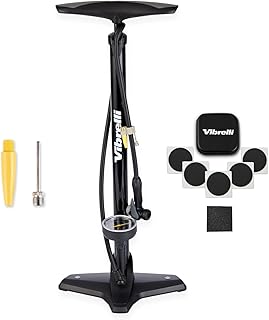
For a more professional-grade option, consider a floor pump with a built-in pressure gauge. These pumps allow you to inflate your tires while simultaneously monitoring the PSI. This can be particularly useful if you're trying to achieve a specific PSI for optimal performance. Look for a pump with a high-quality gauge that provides accurate readings and is easy to see.
When choosing a PSI measurement tool, consider factors like accuracy, ease of use, and durability. It's also important to select a tool that's compatible with your tire's valve type. Most Bontrager tires use a Presta valve, so make sure your measurement tool is designed for Presta valves.
Remember to always check your tire pressure before heading out for a ride. Proper tire inflation is crucial for safety, performance, and tire longevity. By using a reliable PSI measurement tool, you can ensure that your Bontrager bike tires are always inflated to the correct pressure.
Rolling Resistance: The Surprising Benefits of Big Bike Tires
You may want to see also
Explore related products


Optimal PSI for performance
To determine the optimal PSI for performance, it's crucial to consider the specific demands of your cycling discipline. For road cycling, where speed and efficiency are paramount, a higher PSI is generally preferred. This reduces rolling resistance and allows for quicker acceleration. Typically, road tires are inflated between 80-120 PSI, but the exact value can vary based on rider weight, road conditions, and personal preference.
For mountain biking, the optimal PSI is lower to enhance traction and absorb shocks from rough terrain. Mountain bike tires are usually inflated between 30-50 PSI. The lower pressure allows the tires to conform better to uneven surfaces, providing improved grip and control.
In the case of a Bontrager bike tire, the optimal PSI will depend on the specific model and its intended use. Bontrager offers a range of tires for different cycling disciplines, each with its own recommended inflation pressure. For example, the Bontrager AW2 Hard-Case Lite tire, designed for road use, is recommended to be inflated between 80-120 PSI. On the other hand, the Bontrager SE4 Team Issue tire, intended for mountain biking, is best inflated between 30-50 PSI.
It's important to note that these are general guidelines, and the optimal PSI for performance may vary based on individual factors. Experimenting with different pressures can help you find the sweet spot that balances speed, comfort, and control for your specific needs.
In conclusion, the optimal PSI for performance is not a one-size-fits-all solution. It requires careful consideration of your cycling discipline, the specific demands of your rides, and the characteristics of your tires. By understanding these factors and experimenting with different pressures, you can unlock the full potential of your Bontrager bike tires and enhance your overall cycling experience.
Rolling into Speed: The Fastest Fat Bike Tires for Your Adventures
You may want to see also
Explore related products


Adjusting tire pressure
To adjust the tire pressure of a Bontrager bike tire, you'll need a few essential tools and some basic knowledge. First, locate the recommended pressure range for your specific tire model, which is usually printed on the tire's sidewall or provided in the product manual. Bontrager tires typically recommend a pressure range between 30-60 PSI, depending on the tire's intended use and the rider's weight.
Once you've determined the appropriate pressure range, use a floor pump or hand pump to inflate the tire to the desired pressure. Be sure to check the pressure regularly using a tire pressure gauge to ensure accuracy. It's important to note that tire pressure can fluctuate with temperature changes, so it's a good idea to check and adjust the pressure at least once a month, or before any long rides.
When adjusting tire pressure, it's crucial to consider the riding conditions and your personal preferences. For example, if you'll be riding on rough terrain or carrying a heavy load, you may want to inflate the tires to the lower end of the recommended range for better traction and shock absorption. Conversely, if you'll be riding on smooth pavement and prioritizing speed, you may want to inflate the tires to the higher end of the range for reduced rolling resistance.
One common mistake to avoid when adjusting tire pressure is overinflating the tires. This can lead to a harsh ride, reduced traction, and an increased risk of punctures. Always stay within the recommended pressure range and be mindful of how the tire pressure affects your ride quality and safety.
In summary, adjusting the tire pressure of a Bontrager bike tire is a simple but important task that can greatly impact your riding experience. By following the recommended pressure range, considering your riding conditions, and avoiding common mistakes, you can ensure that your tires are properly inflated for optimal performance and safety.
Understanding Bike Tire Gauges: The Essential Nut Component
You may want to see also
Frequently asked questions
The psi (pounds per square inch) of a Bontrager bike tire varies depending on the specific model and type of tire. Generally, road bike tires can range from 80 to 120 psi, while mountain bike tires can range from 30 to 50 psi. It's important to check the recommended psi on the tire's sidewall or consult the manufacturer's guidelines for the best performance and safety.
To find the recommended psi for your Bontrager bike tire, you can check the tire's sidewall for printed information. The sidewall will typically display the minimum and maximum psi values suitable for that tire. Alternatively, you can visit the Bontrager website or contact their customer support for specific recommendations based on your tire model.
Maintaining the correct psi in your Bontrager bike tire is crucial for several reasons. Firstly, it ensures optimal performance by providing the right balance between grip, rolling resistance, and puncture protection. Secondly, it helps to prevent tire damage and premature wear. Overinflated or underinflated tires can lead to uneven wear patterns, reduced traction, and an increased risk of punctures or blowouts. Lastly, proper tire inflation contributes to a safer and more comfortable ride by maintaining the correct tire shape and responsiveness.
While it may be tempting to experiment with different psi values, it's generally not recommended to deviate significantly from the manufacturer's guidelines. Using a psi that is too high or too low can negatively impact the tire's performance, safety, and longevity. If you're unsure about the correct psi for your specific tire model, it's best to consult the Bontrager website or contact their customer support for personalized advice.