Lauren Kennedy
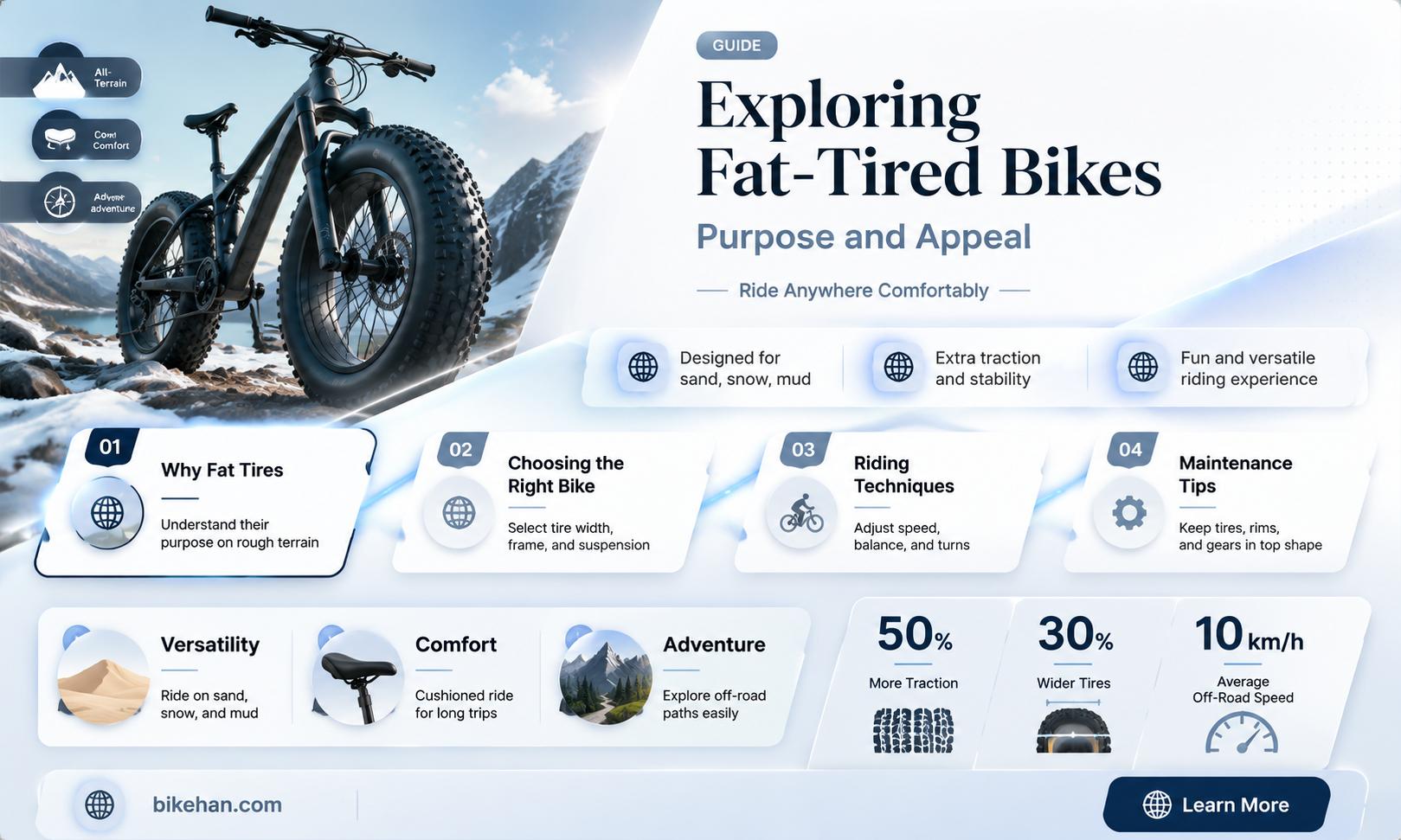
Fat-tired bikes, also known as fat bikes, have gained popularity in recent years due to their unique design and versatility. These bicycles feature oversized tires that are typically 3.8 inches (97 mm) wide or wider, providing increased stability and traction on various terrains. The point of fat-tired bikes is to offer riders a comfortable and enjoyable cycling experience, regardless of the surface they are riding on. Whether it's sand, snow, gravel, or paved roads, fat bikes can handle it all. Their wide tires absorb shocks and vibrations, making for a smoother ride, while also allowing for lower tire pressure, which further enhances their ability to grip the ground. Additionally, fat bikes often come with a wide range of gears, enabling riders to tackle steep inclines and long distances with ease. Overall, the point of fat-tired bikes is to provide a fun, versatile, and comfortable cycling experience for riders of all skill levels and in various environments.
Explore related products


What You'll Learn
- Environmental Impact: Fat-tired bikes offer eco-friendly transportation, reducing carbon footprint compared to motor vehicles
- Terrain Versatility: These bikes handle various terrains like sand, snow, and mud, making them ideal for outdoor enthusiasts
- Health Benefits: Riding fat-tired bikes provides a full-body workout, improving cardiovascular health and muscle strength
- Comfort and Stability: The wide tires offer a smoother ride and better stability, reducing the risk of accidents
- Community and Culture: Fat-tired biking has a growing community, fostering social connections and a culture of adventure

Environmental Impact: Fat-tired bikes offer eco-friendly transportation, reducing carbon footprint compared to motor vehicles
Fat-tired bikes have emerged as a sustainable alternative to traditional motor vehicles, significantly reducing the carbon footprint associated with transportation. These bikes, characterized by their oversized tires, are designed to traverse various terrains, from sandy beaches to snowy trails, making them a versatile option for eco-conscious commuters. By opting for fat-tired bikes, individuals can contribute to the reduction of greenhouse gas emissions, which are a major contributor to climate change.
One of the key advantages of fat-tired bikes is their ability to promote a healthier lifestyle while minimizing environmental impact. Unlike motor vehicles, which rely on fossil fuels, fat-tired bikes are powered by human effort, encouraging physical activity and reducing dependence on non-renewable energy sources. This shift towards sustainable transportation not only benefits the environment but also improves the overall well-being of individuals by promoting regular exercise and outdoor activities.
Furthermore, fat-tired bikes offer a cost-effective solution for transportation needs. With lower initial purchase costs and minimal maintenance requirements compared to motor vehicles, these bikes provide an affordable option for individuals looking to reduce their environmental footprint without breaking the bank. Additionally, the absence of fuel costs and reduced wear and tear on infrastructure contribute to long-term savings for both individuals and communities.
In conclusion, fat-tired bikes serve as an eco-friendly transportation alternative, reducing carbon emissions, promoting physical activity, and offering cost savings. By embracing this sustainable mode of transportation, individuals can play a significant role in mitigating the environmental impact of traditional motor vehicles while enjoying the numerous benefits that fat-tired bikes have to offer.
Understanding Inflation: A Guide to Hybrid Bike Tire Pressure
You may want to see also
Explore related products


Terrain Versatility: These bikes handle various terrains like sand, snow, and mud, making them ideal for outdoor enthusiasts
Fat-tire bikes, renowned for their oversized tires, offer unparalleled terrain versatility, making them a favorite among outdoor enthusiasts. Unlike traditional bikes, which struggle on uneven or soft surfaces, fat-tire bikes can effortlessly glide over sand, snow, and mud. This capability is due to the increased surface area of the tires, which distributes the rider's weight more evenly, preventing sinking and providing better traction. For instance, on sandy beaches, the wide tires float on top of the sand rather than digging in, allowing for a smoother ride. Similarly, in snowy conditions, the large tires can grip the snow more effectively, providing stability and control that standard tires cannot match.
The versatility of fat-tire bikes extends beyond just sand and snow; they are equally adept at handling muddy trails. The deep treads on these tires can navigate through thick mud without getting clogged, ensuring consistent performance even in challenging conditions. This makes fat-tire bikes ideal for riders who enjoy exploring off-road trails and natural landscapes, as they can tackle a wide range of terrains without the need for specialized equipment.
Moreover, fat-tire bikes are not limited to extreme conditions; they also perform well on regular paved roads. The large tires provide a cushioned ride, absorbing shocks and vibrations from the road surface, which can lead to a more comfortable and enjoyable cycling experience. This dual functionality – the ability to handle both extreme terrains and everyday roads – makes fat-tire bikes a versatile choice for cyclists of all levels.
In conclusion, the terrain versatility of fat-tire bikes is a significant advantage for outdoor enthusiasts. These bikes can conquer a variety of landscapes, from sandy beaches to snowy mountains and muddy trails, without compromising performance. Their unique design, featuring oversized tires with deep treads, ensures stability, control, and comfort, making them an ideal choice for riders who seek adventure and exploration.
Unpoppable: The Quest for the Ultimate Puncture-Resistant Bike Tire
You may want to see also
Explore related products


Health Benefits: Riding fat-tired bikes provides a full-body workout, improving cardiovascular health and muscle strength
Riding fat-tired bikes offers a myriad of health benefits that make it an attractive option for fitness enthusiasts and casual riders alike. One of the primary advantages is the full-body workout it provides. Unlike traditional cycling, which primarily targets the lower body, fat-tired biking engages multiple muscle groups, including the core, arms, and back. This is due to the increased resistance and stability required to navigate various terrains on wider tires.
Cardiovascular health is another significant benefit. The added effort needed to pedal a fat-tired bike increases heart rate and improves circulation, contributing to better overall heart health. Studies have shown that regular cycling can reduce the risk of heart disease, and fat-tired biking takes this a step further by intensifying the workout.
Muscle strength is also enhanced through fat-tired biking. The wider tires provide greater traction, allowing riders to tackle more challenging trails and inclines. This increased resistance builds muscle endurance and strength, particularly in the legs and glutes. Additionally, the need for greater balance and control engages the core muscles, leading to improved stability and posture.
Fat-tired biking is also gentler on the joints compared to running or other high-impact activities. The wider tires absorb more shock, reducing the strain on knees and ankles. This makes it an excellent option for individuals recovering from injuries or those looking for a low-impact exercise alternative.
In conclusion, fat-tired biking is not just a trendy novelty; it's a powerful tool for improving overall health and fitness. By providing a full-body workout, enhancing cardiovascular health, and building muscle strength, it offers a unique and effective way to stay active and enjoy the outdoors.
Exploring the Core: Inside the Bike Tire Card Mystery
You may want to see also
Explore related products


Comfort and Stability: The wide tires offer a smoother ride and better stability, reducing the risk of accidents
Fat-tired bikes, often referred to as fat bikes, are designed with oversized tires that provide a range of benefits, particularly in terms of comfort and stability. The wide tires on these bikes offer a smoother ride by absorbing shocks and vibrations from uneven surfaces, making them ideal for off-road cycling and rough terrain. This enhanced comfort can lead to longer, more enjoyable rides with less fatigue for the cyclist.
In addition to comfort, the wide tires also contribute to better stability. The increased contact area between the tire and the ground provides a more secure grip, reducing the likelihood of slipping or losing control. This is especially important when navigating through loose or slippery surfaces such as sand, snow, or mud. The improved stability can help prevent accidents and falls, making fat-tired bikes a safer option for riders of all skill levels.
The design of fat-tired bikes also allows for lower tire pressure, which further enhances their ability to absorb shocks and provide a cushioned ride. This feature is particularly beneficial for riders who may have joint issues or prefer a more comfortable cycling experience. Additionally, the lower tire pressure can improve traction on various surfaces, adding to the overall stability of the bike.
Fat-tired bikes are not just limited to off-road use; they can also be a practical choice for urban commuting. The wide tires can easily navigate through potholes, debris, and other obstacles commonly found in city environments. This versatility makes fat-tired bikes a popular option for cyclists who need a reliable and comfortable bike for a variety of terrains.
In conclusion, the comfort and stability provided by the wide tires of fat-tired bikes make them a unique and valuable choice for cyclists. Whether used for off-road adventures or urban commuting, these bikes offer a smoother, more stable ride that can enhance the overall cycling experience and reduce the risk of accidents.
Unveiling the Ultimate: What Makes the Lightest Road Bike Tire?
You may want to see also
Explore related products


Community and Culture: Fat-tired biking has a growing community, fostering social connections and a culture of adventure
Fat-tired biking has rapidly gained popularity not just as a sport, but as a lifestyle that fosters a strong sense of community and culture. This burgeoning subculture is characterized by a shared passion for adventure and a love for the unique experiences that fat-tired bikes offer. Riders often gather for group rides, workshops, and events, creating opportunities for social connections and camaraderie.
One of the key aspects of the fat-tired biking community is its inclusivity. People of all ages, fitness levels, and backgrounds are welcomed, making it an accessible and diverse group. This inclusivity is reflected in the variety of events and activities organized within the community, ranging from casual rides to more challenging adventures.
The culture of adventure is a central theme in the fat-tired biking community. Riders are constantly seeking new trails, new challenges, and new experiences. This spirit of exploration is encouraged and celebrated, with riders sharing their stories and photos on social media and in community forums.
The growth of the fat-tired biking community has also led to the development of a unique culture. This culture is characterized by a DIY ethos, with riders often customizing their bikes and gear to suit their individual needs and preferences. There is also a strong emphasis on environmental stewardship, with many riders advocating for the protection of trails and natural spaces.
In conclusion, the community and culture surrounding fat-tired biking are integral to its appeal. The sense of belonging, the opportunities for adventure, and the shared values of inclusivity and environmentalism all contribute to making fat-tired biking more than just a sport – it's a way of life.
Exploring the Advantages: What's the Point of a Fat Tire Bike?
You may want to see also
Frequently asked questions
Fat-tired bikes are designed to provide better traction and stability on various terrains, such as sand, snow, and gravel, due to their wide, low-pressure tires.
Fat-tired bikes have significantly wider tires than regular bikes, which allows them to float on soft surfaces and offer improved grip in challenging conditions.
While fat-tired bikes excel in off-road and mixed-terrain cycling, they may not be the best choice for smooth pavement or racing due to increased rolling resistance.
Fat-tired bikes can be particularly advantageous in winter conditions as their wide tires can provide better traction on snow and ice, making them a popular choice for winter cycling enthusiasts.
Fat-tired bikes generally require similar maintenance to regular bikes, but the tires may need to be inflated more frequently due to the lower pressure required for optimal performance.